

12 Tips For Making Pork Tenderloin With 10x The Flavor
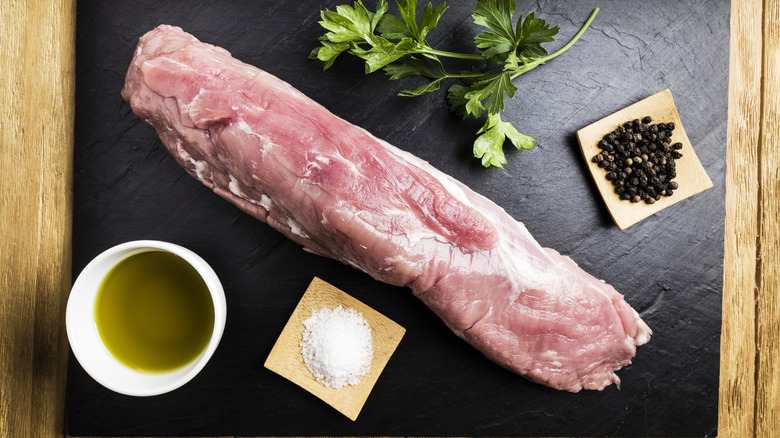
Out of all the types of meat out there, the one that gets the most flak for its flavor (or lack thereof) is pork. It's not as versatile as chicken, and even a well-made pork chop isn't going to offer the same experience of chowing down on a succulent ribeye. And out of all of the cuts of pork, the one with the reputation for being the most bland has to be pork tenderloin.
The pork tenderloin cut – which is not the same as a pork loin, despite what the name might suggest — is sourced from along the pig's backbone. It's always boneless and thus lacks the juiciness of a bone-in cut (strike one); it's coated in silverskin, which you need to cut away carefully before preparing (strike two); and it requires more careful cooking because of its leanness and poor intermuscular marbling (strike three). Although all of these factors may make pork tenderloin seem like a strikeout, with a little bit of practice, patience, and professional guidance, you can make a pork tenderloin that can play with the big dogs (err ... hogs). That's why we did the hard work for you and got insights from pork pros on how to enhance pork tenderloin's flavor. We asked Lea Bertrand of the organic pork producer duBreton, chef Dennis Littley, Lynne Just, chef and consumer test kitchen manager at Hamilton Beach, and chef Caitlin Brady of BOCA Winter Park for their expert tips.
1. Pair it with alliums
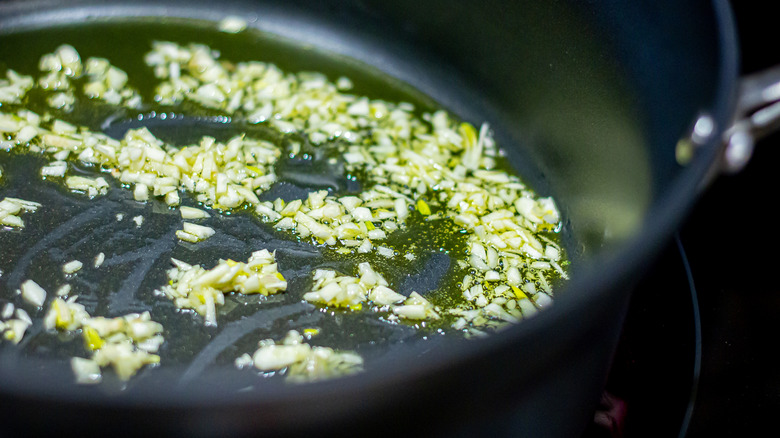
It's hard not to love the delicious aroma of garlic or onions cooking away on the stove. Just as these alliums can enhance the flavor of compound butter, pasta sauce, or grilled shrimp, they can also give your pork tenderloin an unforgettable flavor, according to our experts.
Chef Lynne Just mentions pairing alliums like onions, garlic, and shallots with the sweetness of the pork. "I sauté these aromatics in the pan when searing the tenderloin, then leave them in the pan while the meat is roasting. They infuse delicious flavor into the meat," she says. Chef Dennis Littley highlights some other ways to make this pairing happen. "Garlic can go directly into a rub or marinade, while onions and shallots are great sautéed and incorporated into a stuffing or used as the base of a pan sauce," he says.
Meanwhile, chef Caitlin Brady highlights other ways alliums elevate the flavor of pork tenderloin. "Pork and alliums are very similar in how they break down. Alliums help enhance the umami but also share very similar aromatic reactions," she says. Aside from garlic, she highlights leeks as being an approachable allium that home cooks should try in their next pork tenderloin recipe.
2. Be heavy-handed with the spices and seasonings
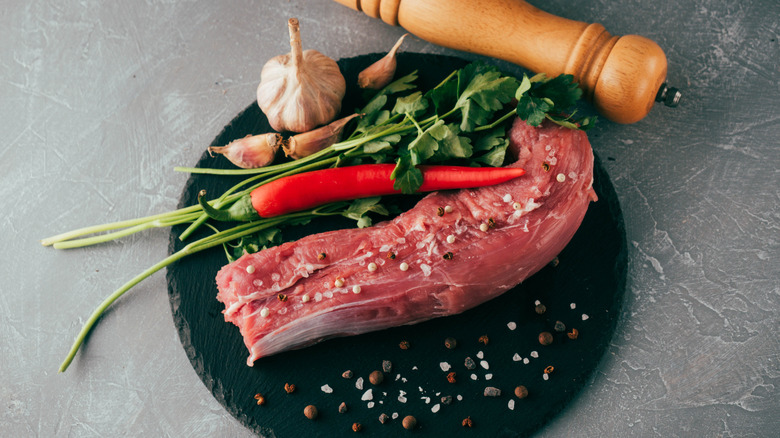
If you have had bad pork tenderloin before, one reason it may not have appealed to you is that it lacks flavor. If anything, it's subtly sweet, which means you'll have to do a lot of the heavy lifting to both preserve this flavor and elevate it with your own spices and seasonings. Our experts highlighted a broad swath of options. "Garlic, rosemary, thyme, sage, mustard, black pepper, smoked paprika, and a little sweetness from brown sugar or honey all work well," says Dennis Littley. He specifically calls out mustard as one of his favorites. "It adds acidity and a little bite without overpowering the pork, and it also gives seasonings something to adhere to," he says.
Lynne Just takes things in a different direction, suggesting folks roast grapes with the meat, seasoning it with Middle Eastern spices, and creating a subtly sweet pan sauce with pomegranate juice. These components work together to create a cohesive narrative. It illustrates the importance of selecting your spices and accompaniments carefully (while still going all-out) to create a harmonious, complex pairing. She also offers other regional suggestions, including a herbes de Provence crust with garlic or a sticky char siu glaze, the latter of which brings together seasonings like Chinese five-spice powder and white pepper with liquid seasonings like hoisin, honey, and soy sauce.
3. Add an acidic element
Pork tenderloin can be subtly sweet, making it an excellent canvas for complementary acidic flavors. Rather than overpowering the sweetness, acidic components enhance it, which may be why Caitlin Brady likes pairing them with pork tenderloin so much. "Acidic flavors such as apple, orange, vinegars, etc. pair especially well with pork. All lend themselves really well to pork tenderloin," she says. She adds that she enjoys using acidic ingredients in sauces, alongside another favorite, mustard, because "they play well with the fat and umami of the pork."
Although acids can make your pork tenderloin more flavorful, they can also ruin its texture if used incorrectly. If you let your pork sit in an acidic marinade too long, for example, it will break down the lean pork and make it mushy. If you add acid, like lemon juice or apple cider vinegar, to a marinade, don't leave it on the tenderloin for more than a day. Alternatively, you can drizzle lemon juice on the meat before cooking or incorporate it into your sauce recipe.
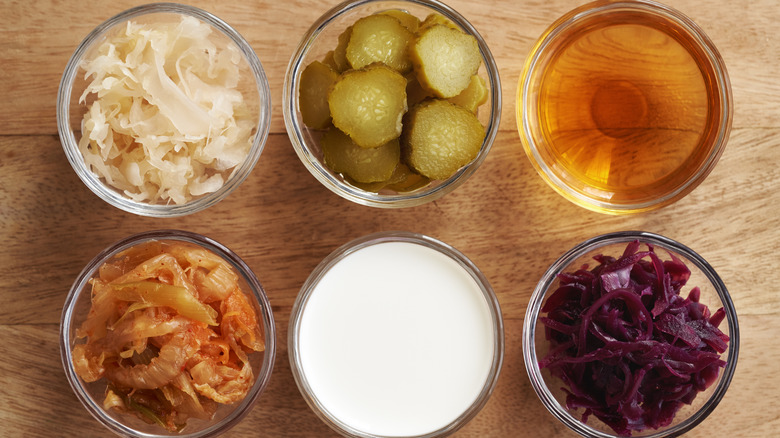
Another way to add acid to your dish is to use acidic ingredients like sauerkraut, kimchi, slaw, and pickles. Some people even brine their pork tenderloin in pickle brine, though you can also mix chopped pickles into a tangy yogurt sauce to serve with your tenderloin.
4. Marinate or rub it in advance
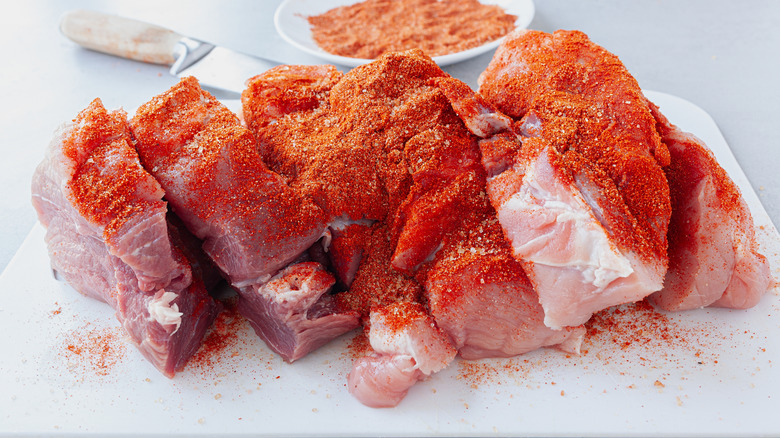
Pork tenderloin, like many cuts of meat, benefits from time. Although a recipe like Bobby Flay's New Mexican spice-rubbed tenderloin just calls for tossing the meat in a mixture of ground chilis, cinnamon, brown sugar, pepper, and allspice before cooking in a pan with oil, this cut can benefit from extra time to infuse with seasonings and flavor.
"If I'm using a dry rub, I like to season ahead so the salt and seasonings have time to work into the meat rather than just sitting on the surface. A few hours is helpful, and overnight can be even better depending on the preparation," says Dennis Littley. Caitlin Brady, meanwhile, recommends seasoning your meat about an hour before you plan to cook it.
As our experts noted, leaving seasoning on your meat too long also carries a risk. Lynne Just, for example, notes that while pork tenderloin marinates beautifully, leaving the marinade on too long can make the meat mushy. Dry rubs, which don't contain acidic elements that denature the meat (compared to something like a dressing or a vinaigrette), are more forgiving if you leave them on for a bit too long.
5. Consider cooking it in the air fryer for a juicier cut

Most people's go-to appliance for cooking a pork tenderloin is the oven. But that's far from your only option. If you want convenience, skip the oven and use your air fryer instead. Air fryers have a smaller capacity than a conventional oven, but since a pork tenderloin isn't that big, you won't have to worry about fitting it.
It's not just more convenient; using an air fryer can also improve the flavor of your pork by encouraging the Maillard reaction, per Caitlin Brady. The reaction causes the meat to change color as it's cooked, creates a crust, and enhances savory, roasty flavors — which is a lifesaver for a traditionally bland cut like pork tenderloin. Lynne Just, similarly, highlights the textural benefit of cooking this cut in an air fryer. "The circulating hot air can create a nice crust on all sides of the meat while the quicker cooking time keeps the meat from drying out," she says.
Of course, there are a few things to keep in mind when cooking pork tenderloin in an air fryer, since the appliance can be so efficient that you end up overcooking it. For best results, Just recommends placing it in the middle of the basket, cutting it if you need to, and checking the internal temperature before your kitchen timer goes off. Dennis Littley concurs. "Use an instant-read thermometer because tenderloins vary in size, and it's very easy to take a lean cut like this too far," he says.
6. Utilize a dry brine
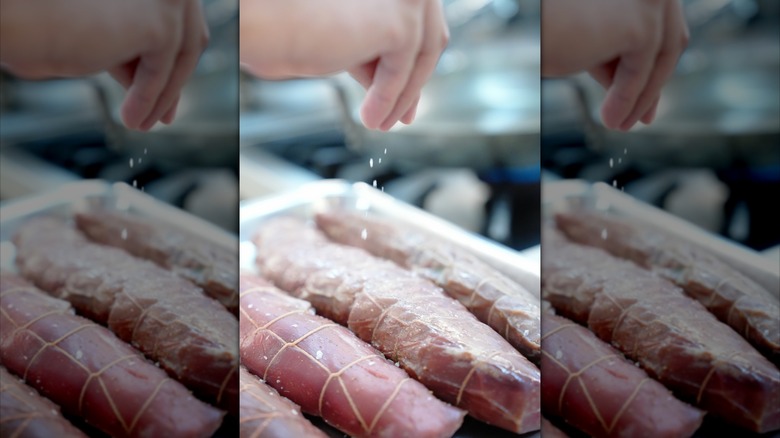
Pork tenderloin, as you have probably realized, isn't the most flavorful cut. As such, a dry brine can improve both its flavor and texture. Although it may sound technical, dry brining simply means salting a cut of meat well to draw out water. Eventually, that salt water reabsorbs into the meat, infusing it with flavor and seasoning deeper within the cut. It also helps promote the Maillard reaction by pulling out water that would otherwise limit browning.
Lea Bertrand from duBreton is a fan of dry-brining pork tenderloin. "The seasoning is more even throughout the meat, the meat is juicier, and it improves the crust," she says. Lynne Just agrees, noting that pork tenderloin's innate leanness and lack of marbling make it prone to drying out. "The spices in a dry brine will flavor the meat while the salt will penetrate deeply into the protein fibers, making the meat juicy and tender on the inside, while creating a nice crust on the outside of the meat," she says.
You don't have to plan that far in advance to try this technique at home, either. "For best results, salt the tenderloin with moderation and let it rest overnight," Bertrand says. Caitlin Brady similarly recommends not being too heavy-handed with the salt. "Too much salt or letting it sit for too long will cause the meat to start to cure. Using 1.5% brine by weight for no more than two hours would be my recommendation," she says.
7. Stuff it
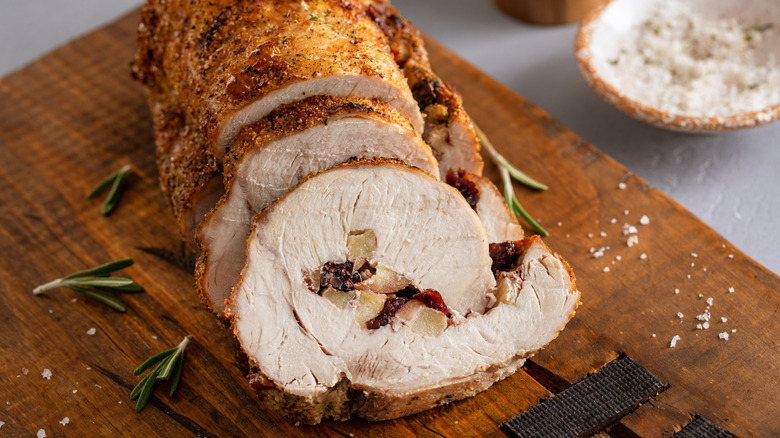
Pork tenderloin by itself is a bit boring. But when you stuff it, you unlock a whole new world of flavors and textures. "It adds flavor, richness, moisture, and visual contrast," says Lea Bertrand, who recommends adding ingredients like alliums, cheese, fruit, mushrooms, herbs, and even toasted nuts to a pork tenderloin stuffing. On the other hand, she recommends avoiding salty fillings, raw meats, and dried ingredients. Dennis Littley, meanwhile, takes a decidedly Italian approach, stuffing his tenderloin with Italian sausage, spinach, bread, mozzarella, egg, and chicken stock, then serving it with a mushroom Marsala sauce. The Italian sausage is a particularly great addition here, as it adds fat, complementary spices like fennel, and salt without overtaking the tenderloin it encases.
Like any technique, stuffing a pork tenderloin requires a little finesse — and a whole lot of butcher's twine. "If you're stuffing it, secure it well with skewers or butcher's twine so everything stays together while you're turning it," says Littley. You may also need to cook some items for your stuffing ahead of time — like the aforementioned alliums — to enhance their flavor and reduce the risk of uneven cooking.
8. Sear it well
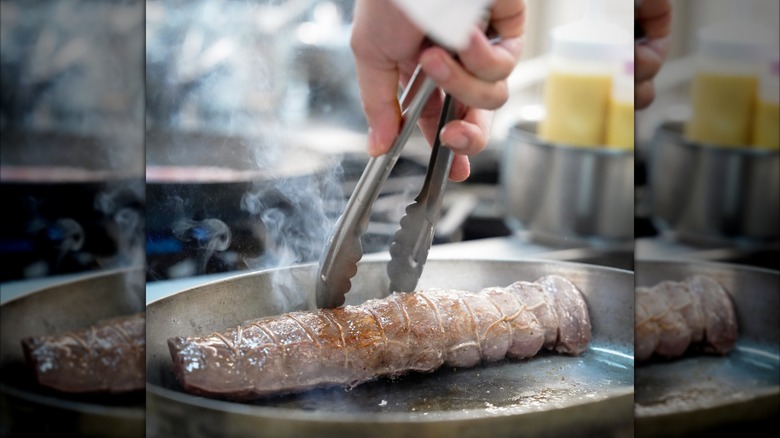
Searing was a topic that came up often when we talked to our experts about the best ways to add flavor to pork tenderloin. "When cooking pork tenderloin, I prefer to sear it, roast to finish, and before serving, baste with herbs, garlic, and butter," says Caitlin Brady. The sear is what will get you the initial color on your tenderloin, help lock in the juices, and also give you that roasty flavor profile that you're craving. "A good sear gives you much more than color — it creates those deep, savory flavors you get from browning the meat and gives the exterior a better texture," says Dennis Littley.
While you may have heard that it's better to sear pork tenderloin after cooking it, Brady is a fan of searing it prior to putting it in the oven. "Tenderloin should be seared before going to the oven to help lock in moisture and develop a good Maillard reaction," she says. Lynne Just is also a proponent of this method because the meat cooks in all of those juices and flavors that are released when it's seared, presumably enhancing the taste even more.
Brady recommends home cooks use a dry piece of meat and a hot pan, and leave the meat in the pan until it's ready to flip. Littley agrees with these recommendations and also cautions against overcrowding, which can cause the meat to steam rather than hard-sear.
9. Choose a cooking method that suits the cut

Any home cook worth their salt knows that not every cut of meat can be cooked every way. And just as there are plenty of cuts of pork that are ideal for grilling, there are also others that you should avoid throwing over the coals. Pork tenderloin, for one, is a beginner-friendly cut worth trying on the grill — so long as you are careful. It's very lean, so as long as you avoid overcooking, you should be set. "For best results, dry-brine first, use a two-zone grill to finish cooking on lower heat after searing, and let it rest before slicing," says Lea Bertrand, who also cautions against using a sugary coating on your meat (perhaps a marinade or a barbecue sauce), as the high heat can cause the sugar to burn and taste acrid. Bertrand also likes to sous-vide the tenderloin before searing. Lynne Just recommends roasting, as this indirect method helps keep the tenderloin juicy and flavorful.
To maximize your tenderloin's flavor, avoid harsh cooking methods that dry it out. One that Just recommends avoiding, for example, is cooking the tenderloin from start to finish on the stovetop. At least with a grill, she says, you can move it to indirect heat to finish it after you reach your desired sear. Lean pork tenderloin is also not conducive to slow cooking, like a braise. "Low-and-slow cooking until it's falling apart is unnecessary and can leave you with dry meat," says Dennis Littley.
10. Avoid overcooking it as best you can
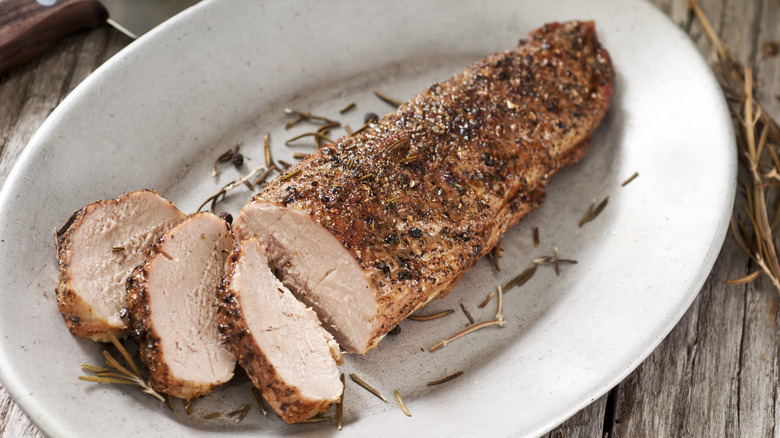
One of the cardinal sins of making pork tenderloin is overcooking it. "Pork tenderloin is very lean, so there isn't much fat there to protect you if you take it too far," says Dennis Littley. Caitlin Brady doesn't recommend going much beyond 145 degrees Fahrenheit, as the meat can quickly become dry and tough. Much of the tenderloin's flavor comes from moisture, so zapping it all out won't do it any favors in taste or texture.
Luckily, it is easy to avoid overcooking pork tenderloin. Aside from choosing gentle cooking methods and keeping a watchful eye on it, you can also use a meat thermometer to take an internal temperature reading before removing it from the heat. Stick the meat thermometer in the thickest part of the tenderloin, and remember that carryover cooking will occur when you rest it.
11. Rest it before slicing into it
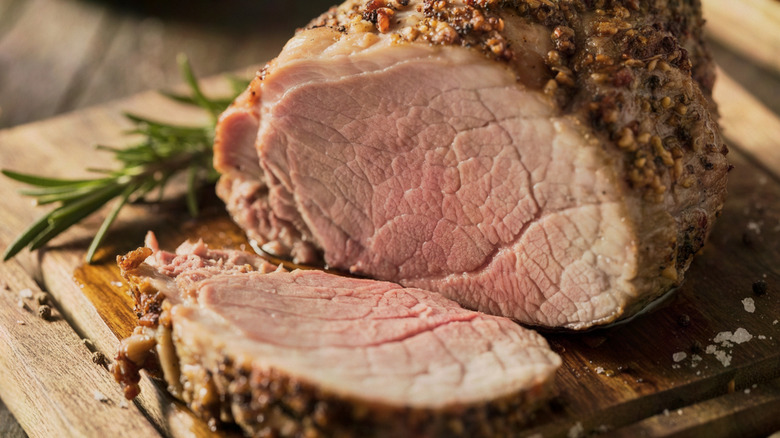
You may assume that only juicy cuts — like succulent ribeye or porterhouse — need to be rested. But in reality, it's a major mistake to think that you can slice into any meat straight off the grill or heat. From a food-safety angle, the residual heat helps the center of the tenderloin cook. And as you can expect, Lea Bertrand's three-minute rest recommendation offers plenty of flavor benefits (though Caitlin Brady recommends resting your meat for the same amount of time you cooked it, which is easy to remember).
Resting lets the juices redistribute, resulting in a more succulent cut. "If you cut into it immediately, you're going to see those juices running out onto the cutting board instead of staying in the meat," says Dennis Littley. It's better to be patient here than to risk losing all the moisture and flavor you worked so hard to build.
12. Serve it with a complementary sauce
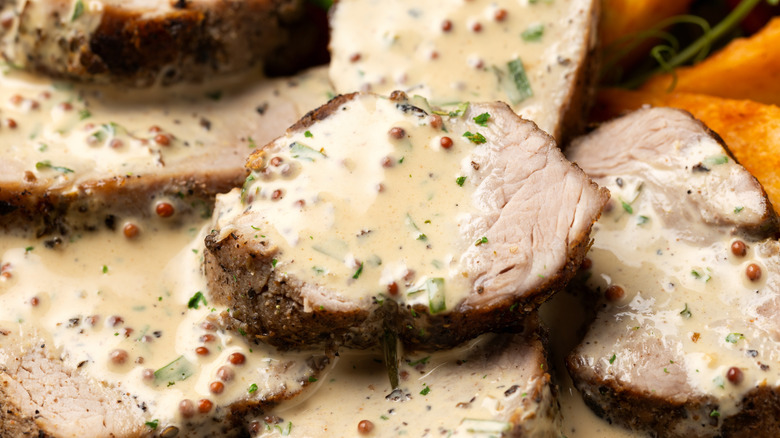
Many of the tips included on the list can improve the flavor of the pork tenderloin itself. However, if you want to make a truly memorable dish that your dinner party guests will ask for again and again, you're going to want to serve it with a saucy accompaniment.
"For me, mustard based sauces and acidic sauces pair best. They play well with the fat and umami of the pork," says Caitlin Brady. If you seared your pork in a pan, it should be easy enough to whip up a simple pan sauce. Saute some aromatics in the leftover frond, deglaze with a little splash of wine or cooking stock, and add your flavor enhancers to create a memorable pairing that will soak into the pork and flavor every bite.
Dennis Littley is also a big fan of the mustard here, and suggests some other options as well. "Mustard sauces, fruit-based sauces, and even a creamy horseradish sauce can also work well," he says. The key here is brightness; you don't want to make a sauce that drowns out the natural sweetness of the pork or distracts from the aromatic profile you built. It's why we think Littley's suggestion of a mushroom Marsala sauce works well here, as it introduces woodsy, organic flavors without steering the sauce in too much of a savory direction.