

13 Tips To Make The Absolute Best Seafood Boil At Home
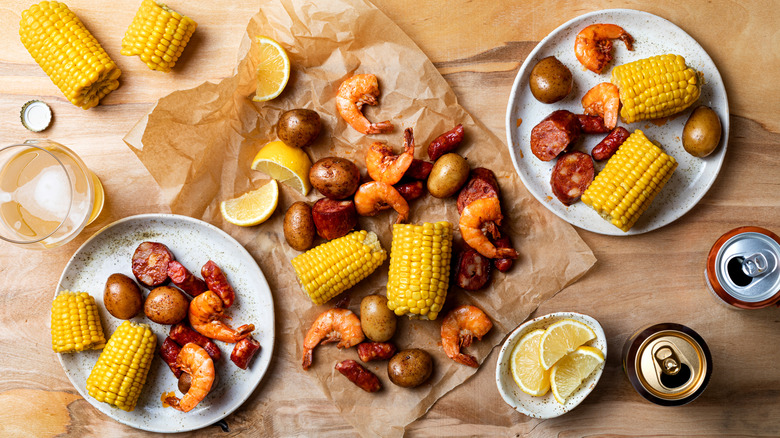
There are so many ways to cook seafood. Nothing beats buttered lobster tails fresh off the grill, sushi tucked between chopsticks, or oysters slurped straight from their shells. However, one of the most novel ways to transform a seafood medley specifically into something far greater than the sum of its parts is to prepare (and host) a seafood boil.
Seafood boils, which are popular in Cajun cuisine and in the American South more generally, were first prepared by Indigenous people who cooked available seafood with vegetables over an open flame. Like almost all dishes, seafood boils were also influenced by the culture and flavors of enslaved Africans, French migrants, and other cultures that settled in the region. Today, seafood boils tend to be communal events centered around boiling an array of seafood (including clams, crawfish, shrimp, and mussels) with vegetables, aromatics, sausage, and more before serving it on a newspaper-lined table where guests dig into it with their hands, rather than with forks and knives.
Seafood boils can be productions in and of themselves, which can make them quite daunting for someone who has never thrown one before. That's precisely why we spoke to numerous experts – including chef Adam Korbel from NOPSI Hotel in Downtown New Orleans; chef David Stadtmiller of Razzoo's Cajun Café; and chef Caitlin Brady of Atlantic Beer & Oyster — to get some tips on how to prepare and host the perfect seafood boil at home.
1. Season your cooking liquid well
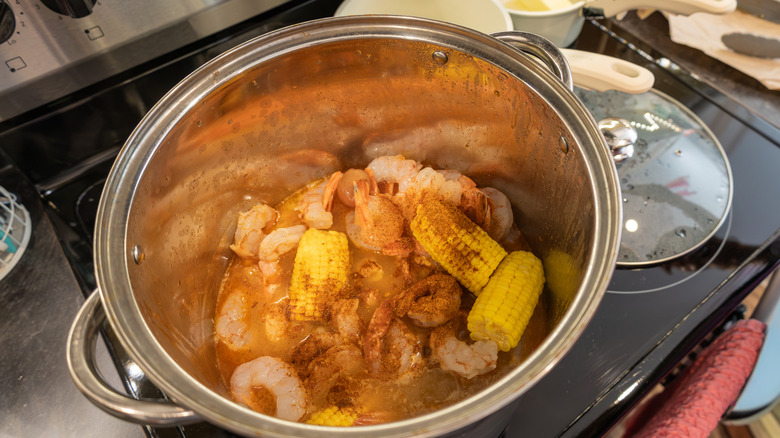
When most people think of seafood boils, the thing that comes to mind is the pieces of succulent seafood swirling around in a pot with other components like corn on the cob. However, a seafood boil without a well-seasoned cooking liquid is just a hodgepodge of waterlogged crustaceans with a few hunks of sausage floating about. The cooking liquid is the conduit for flavor and character, which is why our experts say that getting its seasoning right is so important. "You need a well-seasoned cooking liquid comprised of salt, paprika (sweet or smoky depending upon your desired outcome), garlic powder, [mustard] powder, celery seed, bay leaf, and cayenne to kick the heat up for your guests," says chef David Stadtmiller. He goes on to say that "if the broth isn't flavorful, the seafood won't magically become flavorful later."
Chef Caitlin Brady says that failing to properly season your cooking liquid is one of the mistakes that people most often make with DIY seafood boils. "When seasoning a poaching liquid, you need to be much more aggressive than people may be comfortable with," she says. If you have never made a seafood boil before, you may want to consult a recipe so that you have some guidance as to how much spice to add to your pot.
2. Select the right types of seafood
If seafood boils are known for two things, they're the flavor-packed poaching and the seafood. If you don't have the right types of seafood in your boil, your guests may be leaving your afternoon affair wishing that they had just gone to The Boiling Crab instead.
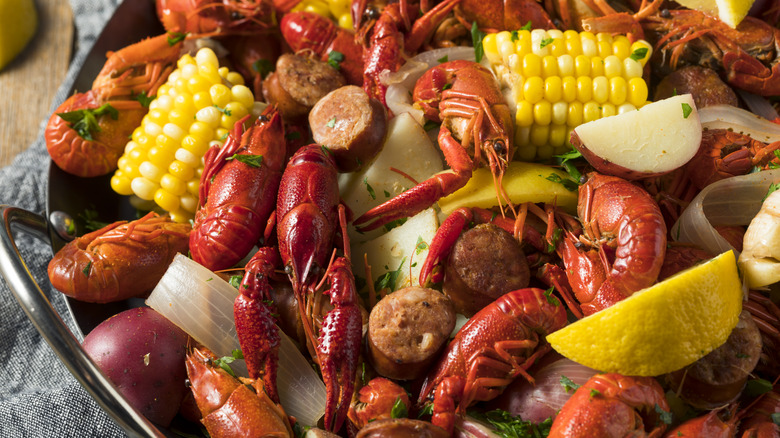
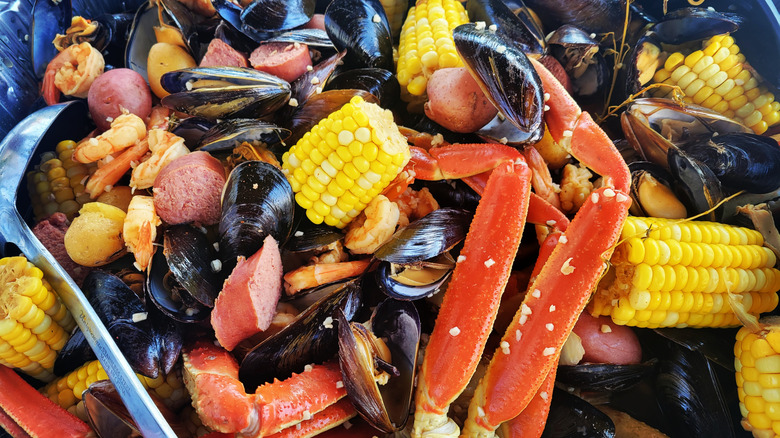
That said, you can't just throw whatever looks good at your seafood counter into your seafood boil, as there are some things that can hold up to the poaching and others that cannot. "Anything with a shell is best such as shrimp, crab, mussels, clams, and crawfish," says Caitlin Brady. Not only will the shell act as a protection from overcooking in some cases, but all of the flavor packed into the shell will release into the broth, flavoring it and helping develop that fresh-from-the-sea flavor you're looking for. "You want seafood that can stand up to the cooking process without becoming fragile too quickly. Shrimp, crab legs, crawfish, lobster and clams or mussels are all excellent choices," says David Stadtmiller. Chef Adam Korbel, likewise, is a big fan of crab, shrimp, and crawfish. Aside from maintaining their texture post-poach, these crustaceans and mollusks are also fun to eat with your hands and don't require forks and knives, which is part of the appeal of a seafood boil in the first place.
3. Don't expect everything to cook at the same rate
Seafood boils are a diverse medley of seafood and other components. While this textural diversity is what makes it so fun to eat, it also makes it a challenge to cook. Namely, not everything in your pot will cook at the same rate. "If you put everything in together, you're almost guaranteed to have some ingredients overcooked and others undercooked," says David Stadtmiller. Caitlin Brady agrees, recommending that folks stagger the cooking time based on what is in the pot. "Different seafoods take different times, so layering as you go is the best way to add each ingredient," she says. So if you know that your potatoes are much harder than your shrimp, you'll want to put those spuds in pretty early and only add the shrimp later on.
Besides staggering the start time for your boil, you'll also want to stand nearby and babysit it so that you can easily pull items out and add others if you need to. "The biggest rule is simple: Don't walk away from the pot once the seafood goes in. The difference between perfectly cooked shrimp and rubbery shrimp can be less than a minute or two," says Stadtmiller.
4. Use a sturdy pot
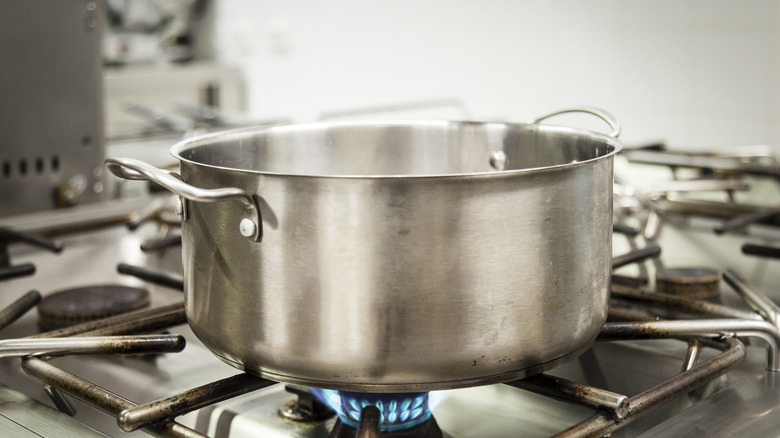
One does not simply make a seafood boil for a single person. This is often a large group affair, so you'll want to select a pot that can keep up with the volume and needs of your seafood boil recipe. First, this is not the time for a flimsy, cheap pan. You want something that is sturdy and heats up evenly. "A good [old-fashioned] large stainless-steel stockpot with a basket or strainer insert works just fine. For the fried turkey enthusiast out there, this should be a similar setup for frying turkey with a large burner outside your house," says David Stadtmiller. For the pro seafood boiler, he also recommends looking at commercial tilt skillets, though we should note the price tag of these pans may not make them feasible for the home cook.
The strainer or basket insert is just as important. "A 'crab' pot or a pot that has [a] straining insert works best. This makes prep and serving your boil easier and safer," says Caitlin Brady. Having this insert at your disposal allows you to pick up and move items around without having to drag a ladle across the bottom and fish out these components.
Besides sturdiness, you should also keep the size of the pot in mind. The last thing you want is for all of that juice to overflow. "For a home cook, something in the [16 to 20] quart range is a great starting point. If you're cooking for a crowd, go larger," says Stadtmiller. Adam Korbel, meanwhile, recommends an 80-gallon pot with a strainer.
5. Stock up on the right tools
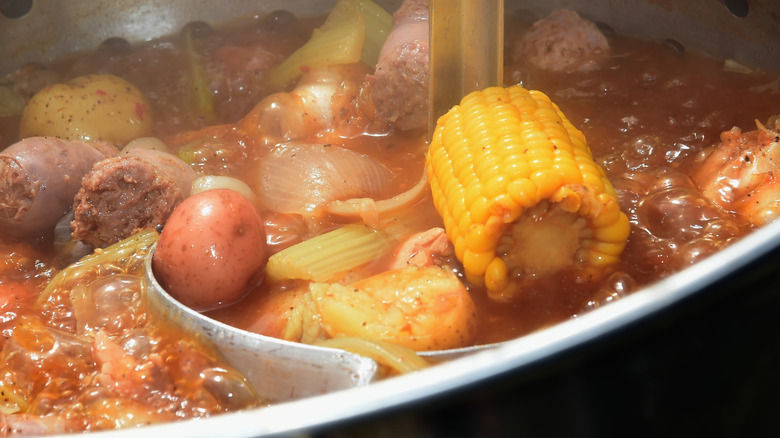
A seafood boil is not just a grab-a-pair-of-tongs-and-hope-for-the-best affair. If you want to have a great meal, you're going to want to make sure you also stock up on the "little" supplies that make preparing and serving seamless. Adam Korbel recommends buying a propane burner, paddle, and a spider spoon for preparing a seafood boil at home, while David Stadtmiller says, "A long pair of sturdy tongs is essential, along with a large, slotted spoon or spider strainer, and sturdy heat-resistant gloves." These supplies not only make sure that you're protected (as bubbling, simmering cooking liquid and hot pans can easily cause burns), but they also make getting the components out of the poaching liquid easy.
Stadtmiller goes on to say that preparing your feasting setup is just as important. This isn't a hoity-toity fine-dining affair; seafood boils are made to be enjoyed with the hands. "If you're doing a traditional boil, don't underestimate the importance of the serving setup. A large tray, newspaper or butcher paper, plenty of napkins and a bowl for shells are all part of the experience," he says. Caitlin Brady adds crab crackers and cocktail forks to the list as well, depending on the type of seafood you plan on using in your boil.
6. Don't forget the sausage
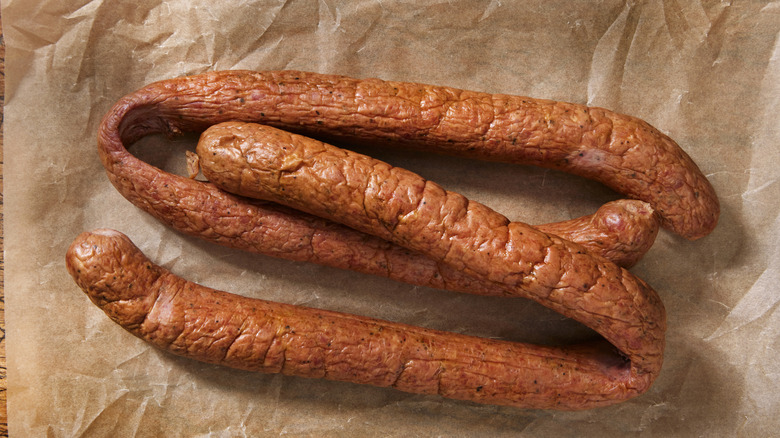
Although the name "seafood boil" implies that only crabs, shrimp, and mollusks are invited to the party, sausage should be included, too (if nothing but for tradition). "Andouille is always recommended for a good seafood boil, but any smoked spiced sausage will work, including kielbasa, for example," says Caitlin Brady. Andouille is known for deepening the flavor in gumbo, and it can also be added to ground beef to make extra flavorful burger patties, but a seafood boil is where its Cajun flavor really shines. "It brings smoke, garlic and spice and gives the boil another layer of Louisiana character," says David Stadtmiller.
However, if you live outside of Cajun country, you can likely find a quality kielbasa (or another type of smoked sausage) at your local grocery store or butcher shop. We should note here that other sausages won't work due to their flavor. "I would avoid something overly sweet because you want the sausage to complement the seafood rather than dominate it," says Stadtmiller.
Andouille and kielbasa are already precooked, so you won't really have to worry about cooking them to a certain temperature or doneness. However, since you want the sausage's flavor to infuse with the veggies and other ingredients, you'll want to add it to the pot with them.
7. Buy high-quality seafood for your boil
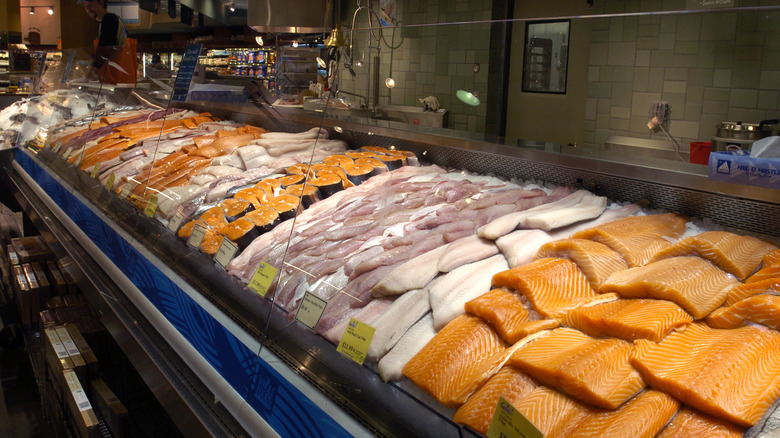
High-quality seafood is a must for your boil. Even though it has ample time to stew in the pot, which can hide textural issues or "old" flavors, you'll still want to set yourself up for success and start as fresh as possible. Luckily, our experts offered some tips for how to tell when seafood is fresh and worth buying for your boil. "With seafood, your senses are your best tools. Fresh seafood should smell clean and briny, like the ocean — not strongly fishy or sour," says David Stadtmiller. He also recommends assessing each type of seafood individually. The shrimp, for example, should be firm, whereas the clams and mussels should shut when you tap them. "Crab and lobster should be purchased from a reputable seafood counter with good turnover," he says.
Both Stadtmiller and Caitlin Brady recommend buying from a trusted fishmonger and asking questions about the catch when possible. "Make friends with your local seafood monger. They will be able to help you pick seafood but also verify when and where live shellfish was harvested from," says Brady.
8. Don't discount frozen seafood
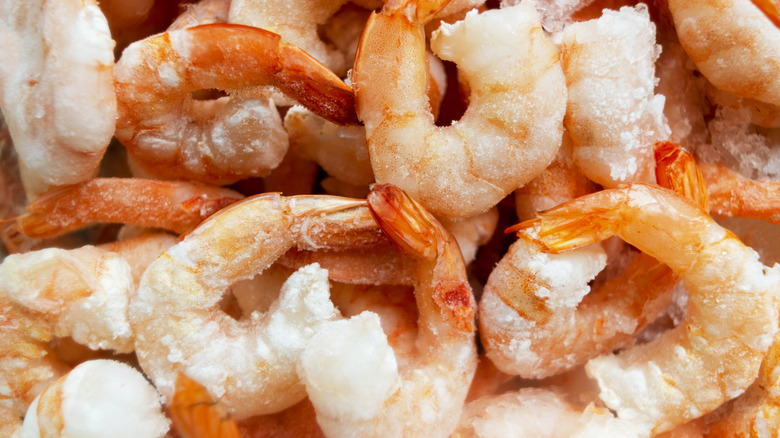
You may be of the mindset that "fresh is best" when buying seafood (after all, we kind of just said it, right?). But considering that frozen shrimp may be fresher than you think, and you may be able to score some good deals on frozen, bulk seafood, frozen may be more suitable for your boil. "I wouldn't automatically assume fresh is better. Frozen seafood can be outstanding, particularly when it was frozen very soon after harvest," says David Stadtmiller. He goes on to explain that frozen seafood — particularly crawfish and shrimp (both mainstays in a Louisiana seafood boil) — can be more "consistent" than fresh catches that have been kept refrigerated for a couple of days. And since it's going to be simmering away in a pot with flavor-enhancers and aromatics, you may not even notice that it was frozen in the first place.
Aside from seafood, you may want to cut corners by using pre-cut chunks of frozen corn on the cob. This will save you a ton of prep time — and you don't have to worry about pesky silks getting everywhere.
9. Add ingredients besides seafood to your boil
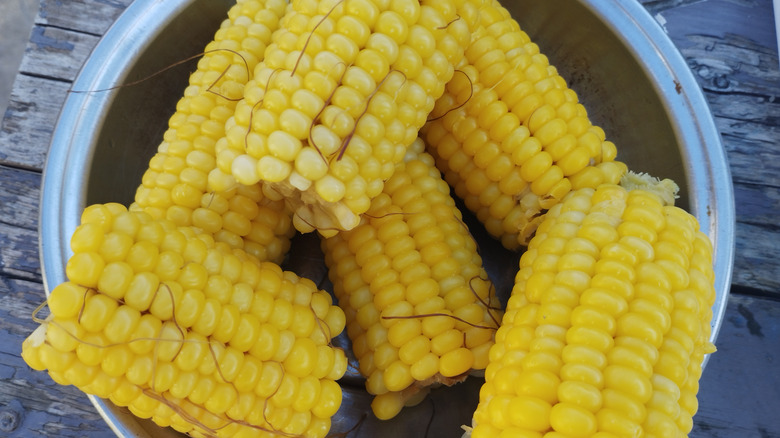
Aside from sausage, you could also consider adding ingredients like potatoes, corn on the cob, and even hard-boiled eggs (per Caitlin Brady's suggestion) to your pot. Not only are these additions fun to eat (as there is something so nostalgic about nibbling on a piece of flavorful corn on the cob on a hot summer day), but they can also soak up all of the aromatics and flavor enhancers from the broth and sausage.
You'll want to select seafood boil enhancers that elevate the flavor of your broth, of course, and also prep them so that they are conducive to eating with the sausage and seafood. "Small red or Yukon potatoes are best for a seafood boil. Small is key to best control the rate that they cook in relation to the seafood," says Caitlin Brady. Indeed, one of the most challenging parts of ingredients like potatoes and corn is their texture and comparative hardness. Besides chopping them into small pieces, you may also want to follow David Stadtmiller's tip and blanch them in the cooking liquid ahead of time. "Cool them to have it staged for your guests, then adding all of your veggies to the pot at the right moment to have perfectly cooked sides along with your seafood," he suggests.
10. Avoid overcooking your seafood
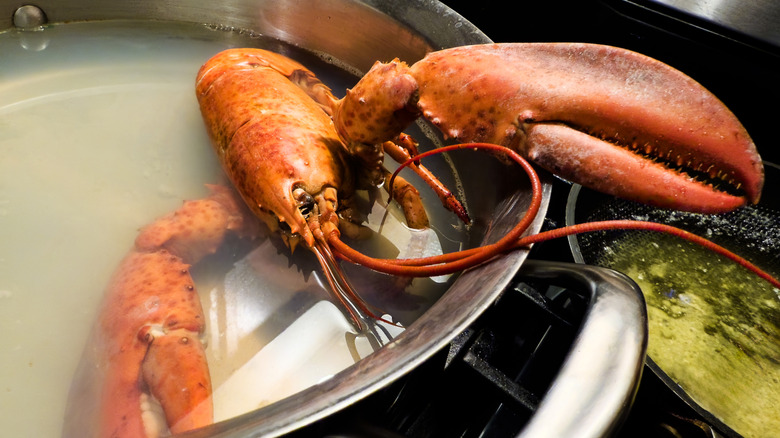
Overcooking your seafood boil is one of the biggest mistakes you can make, so being aware of these signs before your shrimp turn into tire rubber is vital to success. The first rule? Less is (likely) more. "People tend to overcook seafood because they're afraid of undercooking it. Crawfish, shrimp, crab and lobster don't need nearly as much time as people think," says David Stadtmiller. He offers some helpful tips: Both shrimp and lobster should be opaque and firm, mollusks like clams and mussels should stay open (and any closed ones should be thrown out); and crab legs don't need very long at all because they're cooked before you buy them. Caitlin Brady adds that crawfish will appear bright red once they are ready to eat.
Luckily, you do have a helpful tool to stave off overcooking: a kitchen timer. "The best way to avoid [overcooking] is using a timer as each ingredient is added and taking the time to watch," Brady says. If you've never made a seafood boil before, following a recipe to get the approximate cooking times for each ingredient is a good idea.
11. Prepare sauces for some added flair
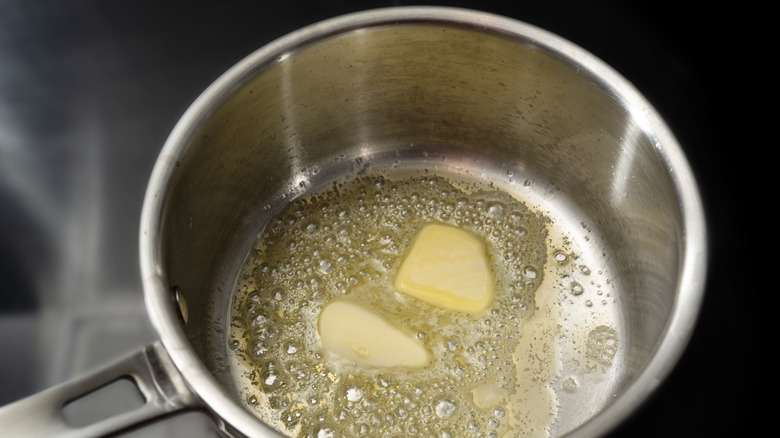
There is a ton of flavor in the poaching liquid, thanks to seasonings and aromatics. However, if you want to make your seafood boil authentic, you're going to have to prepare some sauces for dunking and drizzling. "Personally, I love serving a seafood boil with a little bit of a good quality melted butter and a lemony aioli," says Caitlin Brady. Melting the butter is easy enough to do yourself (you can also prepare drawn butter — which is not the same as melted butter — instead), and a homemade aioli is possible with this simple recipe. You may also want to serve your boil with sliced lemons for extra zing.
David Stadtmiller, meanwhile, recommends going all-out and making a cream sauce for your seafood boil (for "a little extra 'gris gris' — otherwise known as Cajun magic," he says). The sauce is like an upgraded aioli, bringing together mayonnaise, lemon juice, smoked paprika, cayenne, garlic, and a smidge of ketchup (for sweetness).
12. Pair the right booze with it
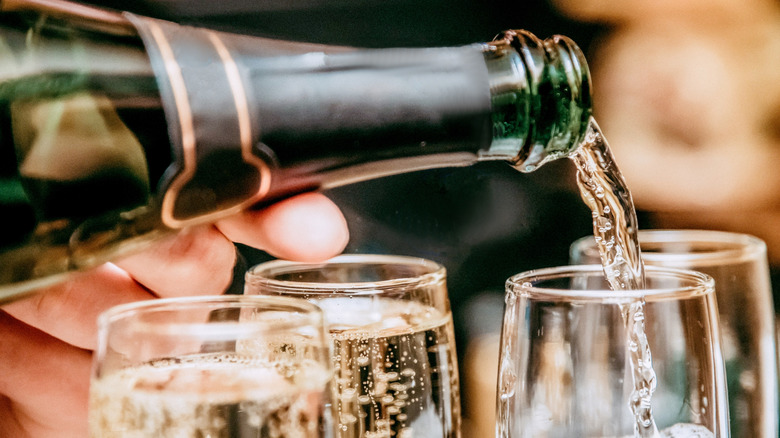
Seafood boils are usually very communal affairs. You don't just make one for yourself on a Wednesday night. As such, you're going to want to stop at the liquor store on the way home from the fishmonger to stock up on appropriate drinks to enjoy with friends and your meal.
Both Caitlin Brady and David Stadtmiller recommend ice-cold beer for this occasion, though Stadtmiller does say that bubbles have a place here. "If you're like me and you enjoy a little punch of spice in your boil, having something cold and refreshing will help take off a little edge of the heat, and the citrus notes from the hops of a beer or lighter wine or bubbles will play delightfully with all the love you built in your pot," he says. Think light, crispy, and refreshing here, and read up on the best wines to pair with shellfish before shopping.
13. If you have the space, consider planning a seafood boil outside
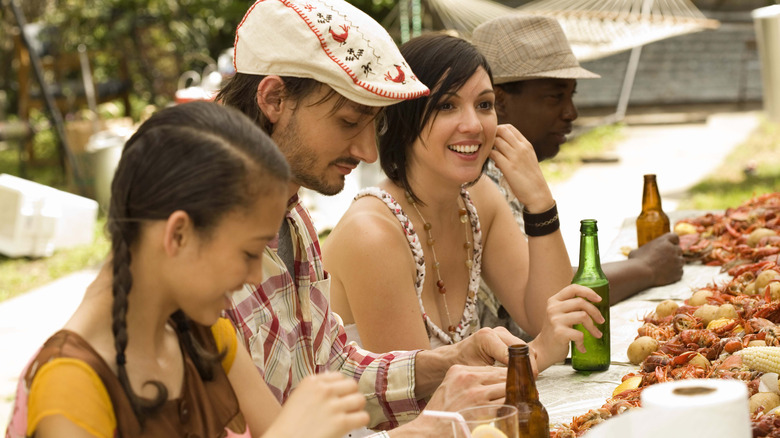
Seafood boils are practically made for outdoors. If you have the space and the means, cooking one outside is something you should definitely try. If you go this route, Caitlin Brady recommends buying a turkey or gas burner that can handle the pot and keeping safety in mind. "Burners should be on solid ground, away from the house and never left unattended," she says.
Adam Korbel says he exclusively does seafood boils outside, and gave us a list of the items worth stocking up on before you try it out for yourself. In addition to the pot, burner, paddle, and spider spoon, he also recommends tables lined with newspaper, ice chests, comfortable chairs, and a double-lined garbage can. That way, you can easily transfer the contents of your pot to where all your guests are gathered, eagerly waiting to dig in.