

9 Foods That Americans Ate Before Refrigerators Were Common
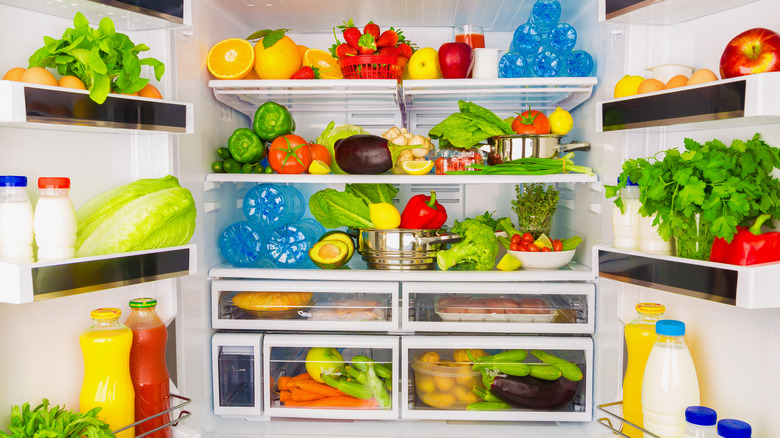
It's hard to imagine life without any of our modern kitchen appliances. Dishwashers, air fryers, and microwaves all make our culinary lives so much easier. One device that seems unthinkable to live without is the refrigerator, considering we store so much of our produce in it, but it has only been commonplace in homes since the late 1920s.
Before then, food preservation was much more difficult, and as a result, the range of products available was more limited. While vegetables could be eaten straight from the garden or meat fresh from slaughter, being able to keep food edible for long periods of time meant that certain items could be enjoyed year-round.
Preservation methods such as curing, smoking, and pickling were crucial in the pre-refrigeration days to allow perishable items to be kept for weeks or months at a time without spoiling. A larder from that time would look very different from our modern pantries, even though some of the traditionally prepared dishes are still popular delicacies. Let's take a look at some foods that Americans ate before refrigerators were common.
1. Salted meats
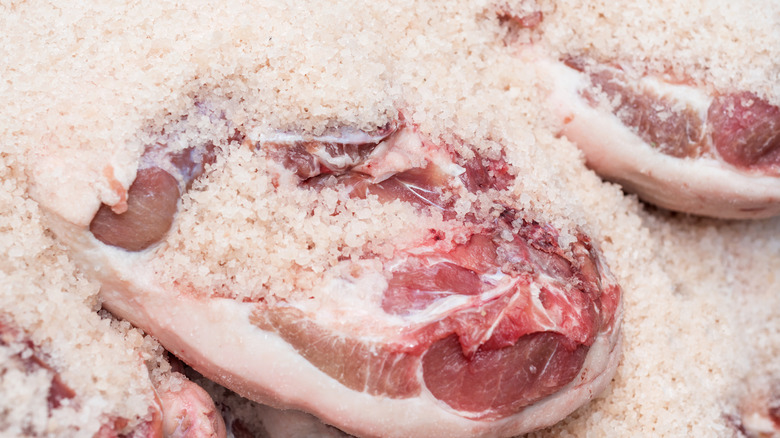
Nowadays, meat is the food item that we store the most carefully, making sure not to keep it out of the fridge for too long for fear of it spoiling. Before refrigeration, salt was one of the key methods for keeping meat as long as possible without it going bad. To grow and multiply, bacteria and other dangerous organisms need moisture. Adding salt to meat removes some of the water, making it harder for the microbes to grow and cause spoilage.
In the early 20th century, animals were often slaughtered in the colder months to allow the meat to be kept fresh for longer in the low temperatures. This didn't always coincide with the optimum time for the slaughter of the animals, though. So, a farmers' bulletin released by the USDA in 1917 encouraged farmers to dry-cure pork by rubbing it with salt multiple times, advising that salt curing was safer than brine curing during warmer weather.
2. Pickled meats
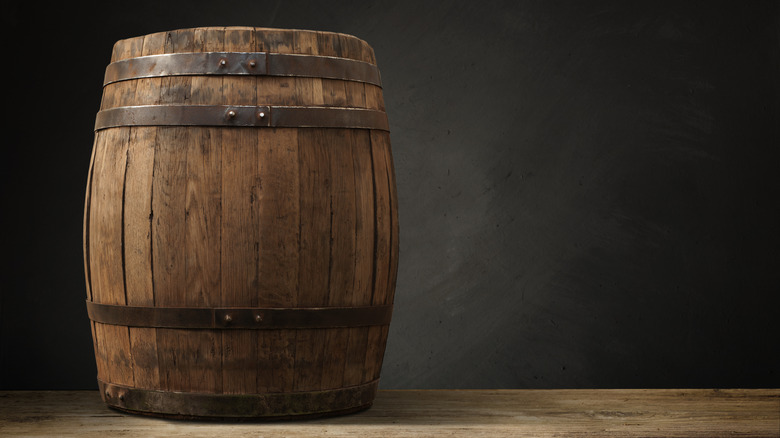
So many foods spring to mind when someone mentions the word pickled — onions, jalapeños, cucumbers — but meat probably wouldn't be top of the list. Before refrigeration, however, pickling was an effective way to preserve meat, though not quite in the same way that we would go about the technique today.
In 1912, George Washington Carver released a bulletin encouraging farmers to use a salt-based solution that could preserve pork for long periods even in hot weather. It explained that farmers were losing money by keeping hogs past their prime while waiting for colder weather and risking the animals being lost to cholera in the fall. He advised slaughtering the pigs in summer and then packing the meat into clean barrels before covering it with a pickling solution. The liquid was made up of salt, sugar, baking soda, and saltpeter (potassium nitrate), all dissolved in water.
The pork remained in the salty brine until it was eaten, and Carver recommended that bacon be left for six weeks and shoulder for eight. This allowed farmers the option of killing the pigs at their peak weight without the concern of huge quantities of meat spoiling in the heat.
3. Sweet potatoes
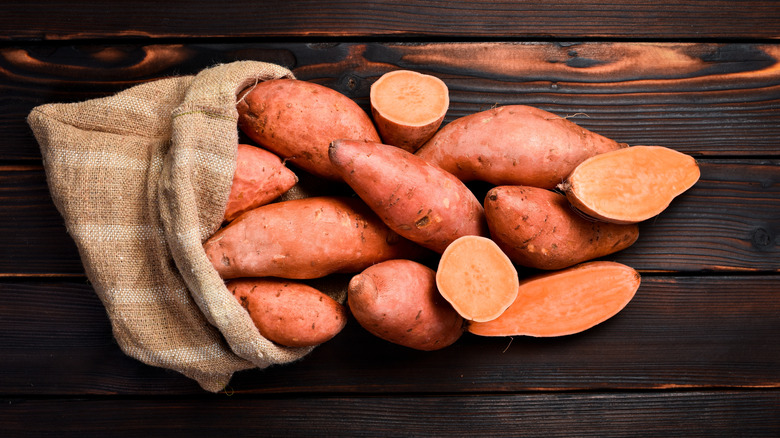
Sweet potatoes are a trendy and delicious way to eat nutritious root vegetables nowadays, and we don't give much thought to their storage — put them in a cold pantry or fridge, and they will keep for weeks on end. Before electric refrigerators, the storage of sweet potatoes was an issue, and farmers were in danger of losing a lot of money as crops began to spoil.
According to a farmers' bulletin from 1918, about 25% to 50% of sweet potato crops stored in pits were unable to be sold due to spoilage, and some years, entire crops were lost. The key to extending the life of the sweet potatoes was to build dedicated storage houses for them. These houses would provide ventilation in the hot months and insulation in the winter, greatly increasing the lifespan of the crops. Getting the temperature and humidity just right was crucial; the sweet potatoes could be damaged in the cold but could also spoil quickly in the heat. With the correct handling, they could successfully be kept for months, though it took much more effort and planning than we need now with our modern appliances.
4. Beans, peas, and legumes
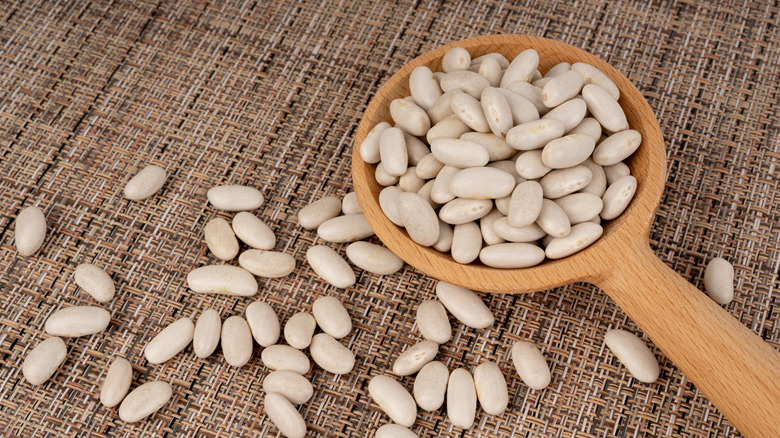
If you've ever accidentally left a container full of dried beans at the back of your pantry for months, only to discover they look exactly as they did when they went in, you will understand the appeal of legumes at a time when refrigeration wasn't available. Legumes are the family that includes beans, peas, and lentils, and while the fresh versions don't keep well for particularly long periods of time, drying them extends their lifespan significantly by removing the moisture and reducing the chances of bacteria causing spoilage.
According to a USDA farmers' bulletin from 1900, beans were second only to cereals in terms of valuable vegetables. The bulletin also recommended that string beans, in particular, could be salted for winter months and compared the effect to sauerkraut. And while string beans aren't very high in protein, most other legumes are excellent sources of it, making them a crucial component of an American diet at a time when fresh meat was not always available. They may have become a convenient food for us whenever we fancy opening a can now, but at the turn of the 20th century, they were a staple that lasted for long periods of time and provided plenty of nutrition.
5. Grains and breads
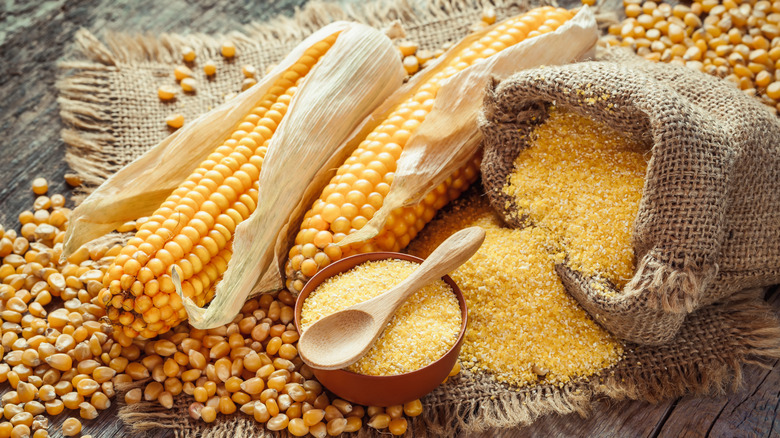
Making bread from scratch is a luxury that many of us cannot make time for, and the convenience of a grocery aisle full of baked products means we can happily cope without. In the days before refrigeration, homemade loaves wouldn't have had a very long shelf life, but the ingredients to make them did, meaning that the dried staples could last for months, and bread products could be baked when needed.
A newspaper article from 1920 suggests cornmeal as a good foundation for making starchy foods, with a recipe for cornmeal waffles included. Cornmeal is made from ground dried corn, which means it has a long shelf life. Alongside wheat flour, it would have made a handy addition to a home pantry to allow people to make their own grain-based products when they required them. Another long-life bread product that was still popular in the early 20th century was hardtack. Made only from flour, salt, and water, it was baked in squares similar to modern-day crackers, and it could be kept for years without spoiling. It wasn't exactly tasty, but it was used by soldiers or those traveling as a source of carbohydrates that could be made palatable when dipped in sauces and stews.
6. Smoked meat and fish
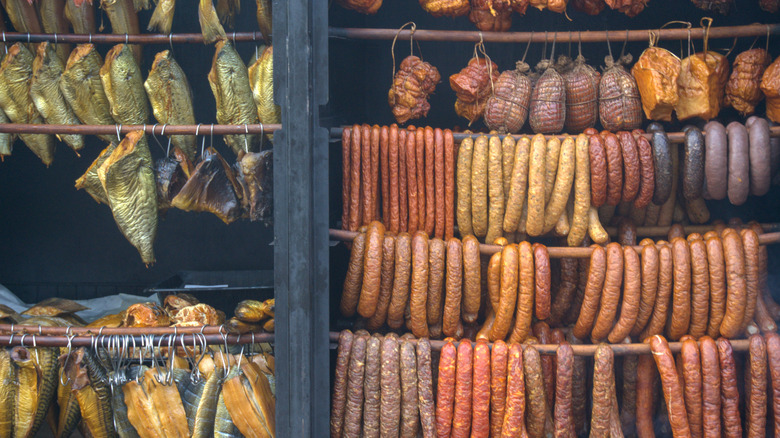
In the days before refrigeration, ice boxes were used to keep meat fresh short-term, but alternative methods were needed to preserve the meat for as long as possible. Smoking is an effective method of reducing spoilage, as it removes a lot of the moisture, which reduces the chance of bacteria thriving. In the case of hot smoking, the high temperature also kills any existing bacteria and gives the meat a unique flavor.
In The Preservation of Fishery Products for Food, published by Charles Hugh Stevenson in 1899, he talks about smoking fish as an additional method of preservation alongside salting and states that the procedure has been used since "time immemorial." He spoke of smokehouses being set up to smoke a range of fish, in which both hot and cold smoking methods were used. For hot smoking, the process took a few hours, whereas cold smoking herring took weeks.
We now consider smoked meat and fish to be delicacies, and enthusiasts will happily argue for hours about the best wood to smoke meat and fish at home. For centuries, though, the technique has been an established way to extend the lifespan of meat, especially when paired with other curing methods.
7. Jams and jellies
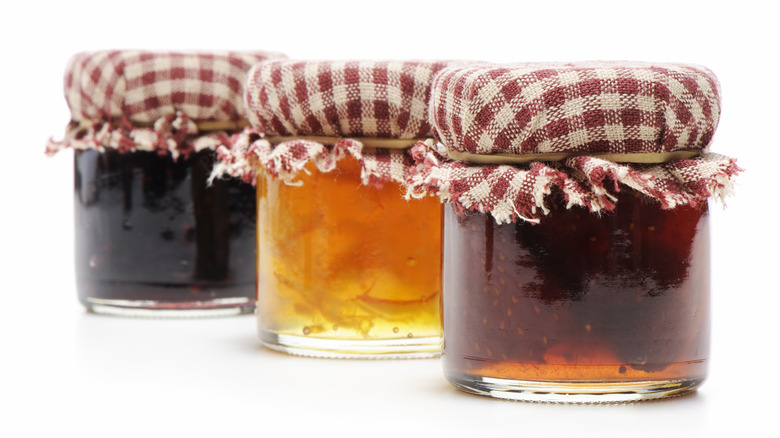
Jam is a delicious, sweet way to enjoy fruit, whether on toast or in baked goods, such as donuts. Its original use, however, was as a form of preservation to keep perishable fruit usable for longer than its short season.
The acidic pH of the fruit and the addition of large amounts of sugar work in tandem to keep the fruit from spoiling. Sugar is hygroscopic, meaning it binds to the water in the fruit and, in turn, reduces the chance for bacteria to multiply. A 1907 bulletin from George Washington Carver laid out plans to encourage people to create jam at home to use up the abundance of wild plums that grew in Alabama. It shared "a number of recipes by which every housewife may be successful in the saving of this splendid article of food."
Jams and jellies, with their long shelf lives, provided the perfect opportunity to reduce the wasted produce in a delicious way. Though it may not mean much to us now, being able to eat summer fruits later in the year in the form of jam would have been a welcome treat to those new to the process of making the sweet spread at home.
8. Hard cheese
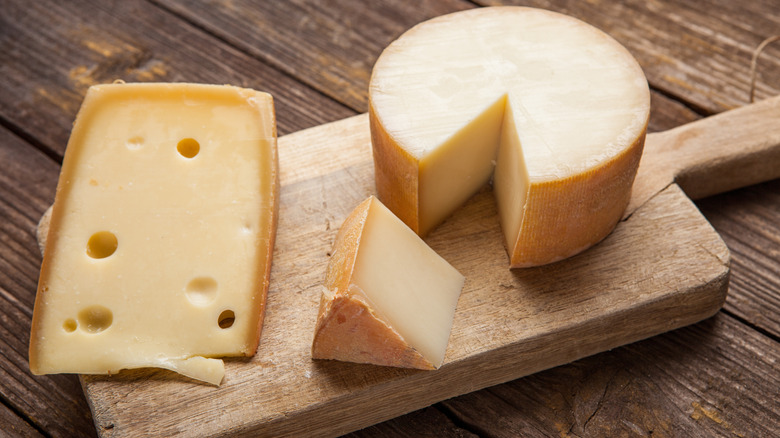
Even with modern refrigeration, fresh milk doesn't last very long without spoiling. Turning milk into cheese has long been used as a preservation method, and making cheese at home or on the farm was a good way to create less perishable versions of the widely available dairy drink.
A farmers' bulletin released by the USDA in 1921 stated that cheese could be kept long-term without refrigeration and suggested it as an alternative to beef in terms of health. The bulletin goes on to detail the process of making cheese on the farm, explaining that around six hours are required on the first day, followed by only a few minutes each day to turn the cheese until it is ready.
It advises that cheese can be eaten after six weeks of curing and can even last for months as long as the temperature is carefully controlled, such as in a cool cellar. Naturally, the flavor would mature, creating a sharper cheese compared to if you were to eat it at six weeks. Our grocery shelves now offer a plethora of different varieties and flavors of cheese, but in the early 20th century, it was a great way to use up excess milk and reduce food waste.
9. Preserved fruits and vegetables
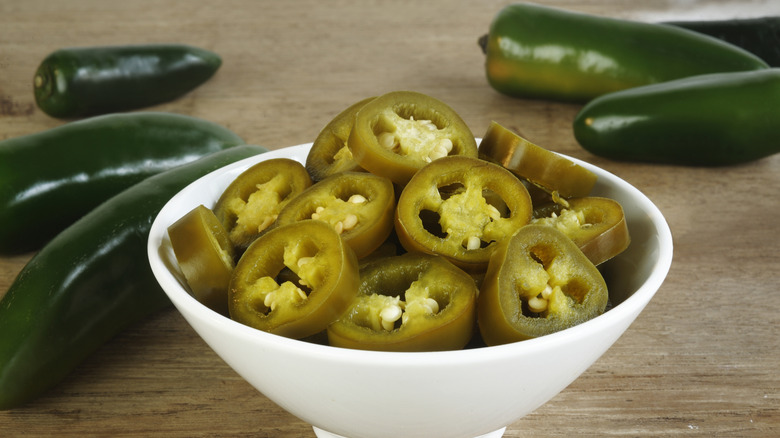
Thanks to modern supermarkets and the wonder of refrigeration, we can happily enjoy fruits and vegetables year-round without needing to worry about what fruits are in season in the fall or spring. Prior to refrigeration, fresh fruits and vegetables could only be eaten at certain times of the year. To extend the lifespan of produce, fermenting fruits and veggies, then salting or brining them, was used, and a bulletin in 1917 encouraged this process to become more widespread.
Sauerkraut and cucumber pickles were the most common preparations, both of which are still used today. The bulletin actually makes reference to the fermenting process as being used by their forefathers, suggesting that it was considered a little old-fashioned even at the start of the last century. One thing they were aware of was the nutritional value, acknowledging that fermented pickled vegetables were wholesome foods, thanks to the beneficial effects on the gut. The bulletin advises that string beans, beet and turnip tops, corn, and the more common sauerkraut and dill pickles could all be prepared in this way. The big difference for us today is that we eat fermented veggies for flavor and health, whereas 100 years ago, they were striving to increase the availability of these vegetables beyond the natural season.