

13 Seasonings Every Kitchen Should Have
We may receive a commission on purchases made from links.
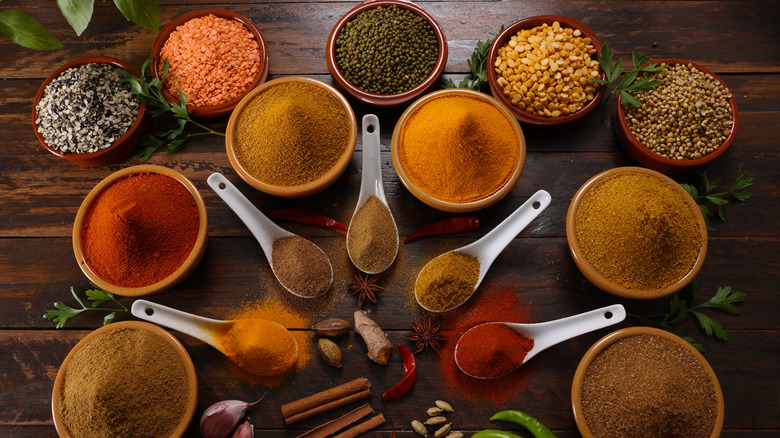
In my home, we have a built-in pull-out spice rack, a multi-tiered spice cabinet, and a few magnetic shelves to pop onto the refrigerator to hold the occasional overflow. It's a very spicy household. But it obviously wasn't always that way, and, barring some culinary inheritance, most folks must typically begin putting together their own seasoning collection from scratch at one point or another. You might acquire items over time as recipes call for them, or take the powdery, ground, dried plunge all at once. But these 13 flavoring agents are just non-negotiable in either case.
I would not want to part with a single grain of my spice library, but I also know that assembling one's own can be expensive, time consuming, and maybe even a little confusing. So I've narrowed it down to this truncated catalog, should you require a little guidance at the outset of your own tasty new adventure. Over time, you will likely develop a liking for seasonings not mentioned here (like my beloved Cobanero chili and Sichuan peppercorns), and you can continue to build your collection. That's one of the most beautiful parts of a personal spice trove: it's unique to you. And you'll find that what it does to your food is even better.
Salt and pepper

This iconic duo is so frequently packaged together that it only needs one slot on this list. A bit of both will be present in most savory recipes, and the pair alone will truly improve your most basic preparations. I prefer freshly ground black peppercorns, and also happen to grind my sea salt a lot of the time, but mostly because my mills are a matched set. Any kind will do when you're starting out.
MSG
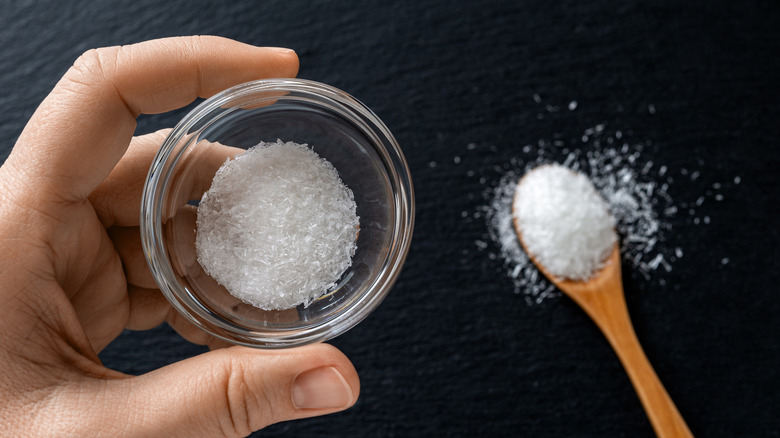
MSG deserves a spot in your seasoning cabinet because it's an incredibly versatile flavor enhancer that imbues an inimitable umami quality to everything it touches. A little bit also goes a long way, so the Ajinomoto variety that I buy lasts a long time, even as I sprinkle it into Sunday gravy, certain sweets, and add a pinch to the occasional cocktail.
Garlic powder
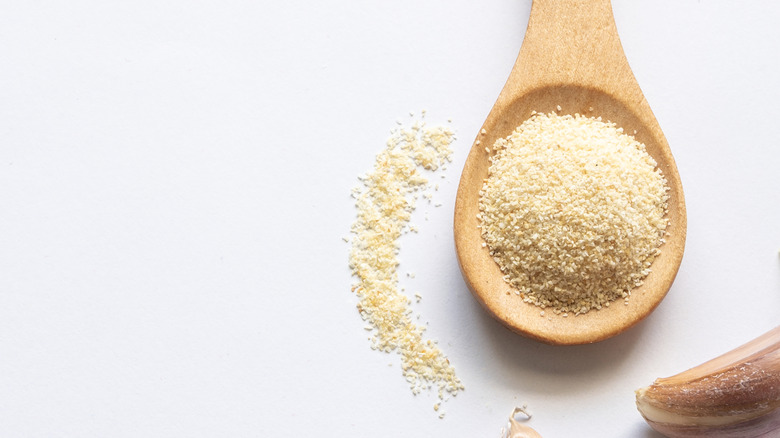
While little beats the fragrance and flavor of fresh garlic, the powdered stuff has its own uses. It's great for when you wish to flavor something more evenly than minced garlic could, it won't burn to bitterness in the blink of an eye, and nobody has ever had to peel a jar of garlic powder. I even use it as a marinade shortcut when I can't be bothered to perform any knife work.
Onion powder
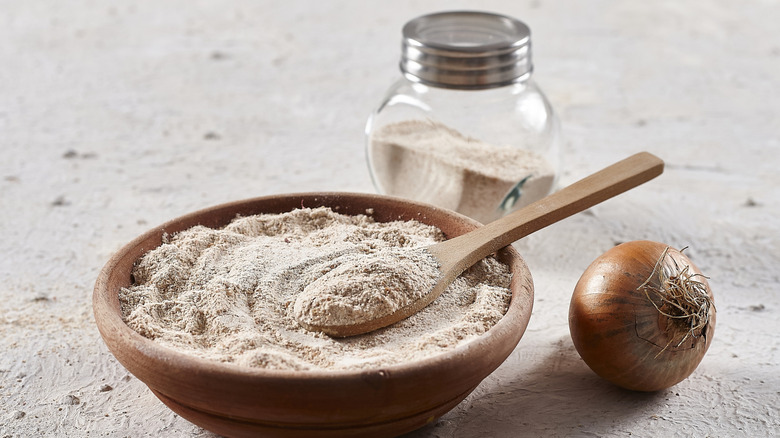
Most of garlic powder's merits apply to onion powder, too. This, plus your salt, pepper, and garlic powder also make up the famed SPOG, which is an excellent introductory dry rub as well as a virtually everything seasoning.
Paprika
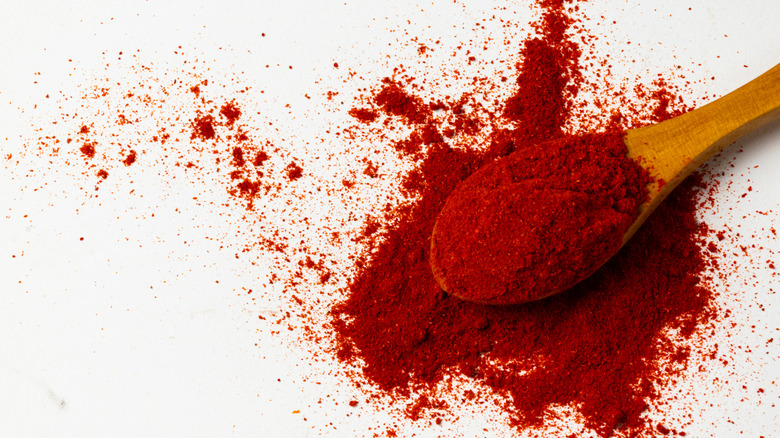
This wonderful amalgamation of dried peppers in its basic form isn't typically what most people would experience as hot, but it will bring a nice warmth and often a mild, botanical sweetness to your simple scrambled eggs or your multi-ingredient chili. Should you find that you're using it in heavy rotation, consider adding smoked paprika to the shelf as paprika's even more robust companion.
Ground ginger
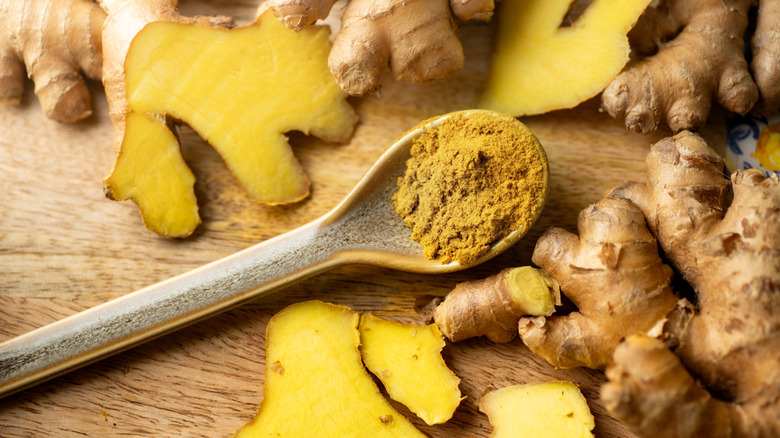
Crack open a jar of ground ginger for some real aromatherapy that somehow becomes even more soothing as it's married with other ingredients. I add it to stir-fries even when I'm taking the time to peel and slice or grate a fresh piece for an extra kick.
Cinnamon
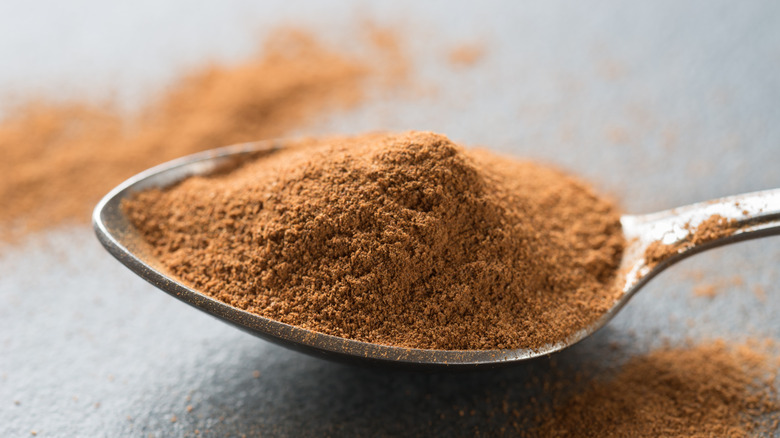
Perhaps the most famous warming spice of them all, cinnamon is incredibly dynamic. It enlivens your sweet treats and savory dishes alike, and it's known to pop up at any time throughout a given recipe's creation. Use it to dust your hot chocolate's whipped cream, tip it into stews as your signature secret, and just make sure to keep it in stock.
Crushed red pepper
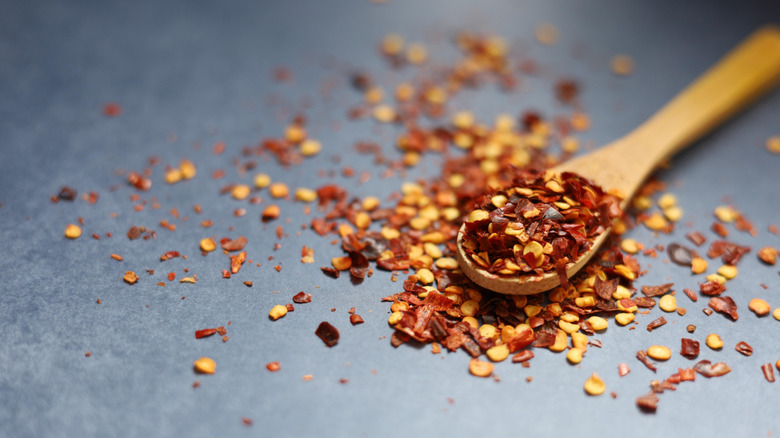
This is easily among my kitchen's most used seasonings. It brings just enough heat to add some dimension to weeknight pasta, dress up a frozen pizza, or make a hasty avocado toast seem just a bit more polished.
Cumin
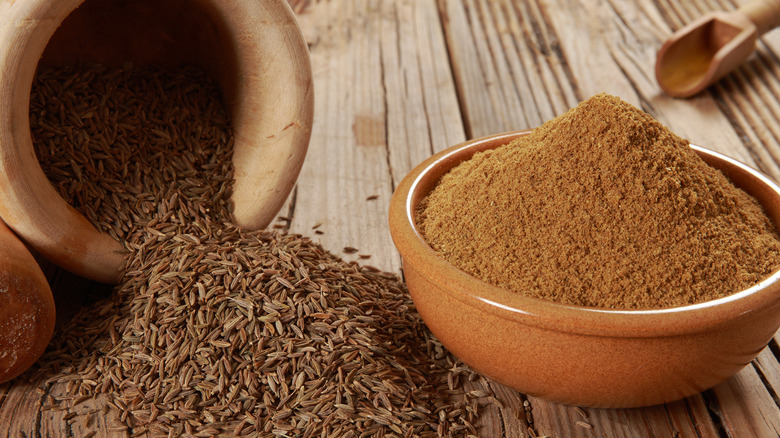
Cumin is impossible to mistake for anything else, which means that it's also challenging to try to substitute. Use the real deal to add an earthy, umami-adjacent element to anything that needs it, but especially any kind of lamb preparation (my favorite canvas for using this seasoning).
Dried rosemary
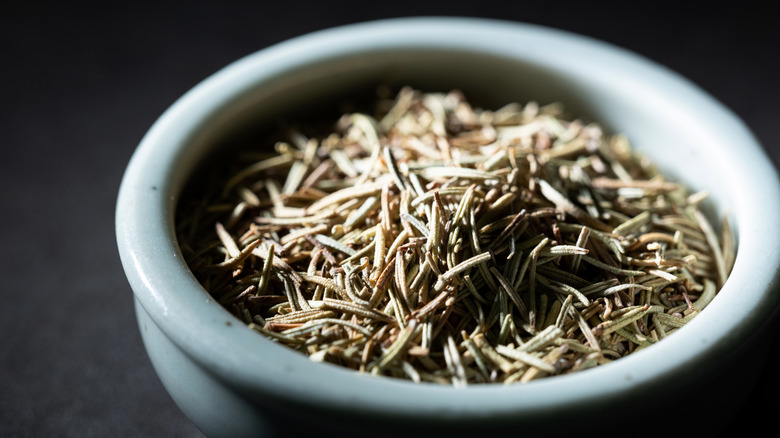
Dried rosemary is nowhere near my favorite seasoning, but it's in so many darn recipes that a person pretty much has to keep a jar handy. You can also slap it onto practically any roast meat for a more flavorful meal when you otherwise can't be bothered to jump through a bunch of culinary hoops to get dinner on the table.
Thyme
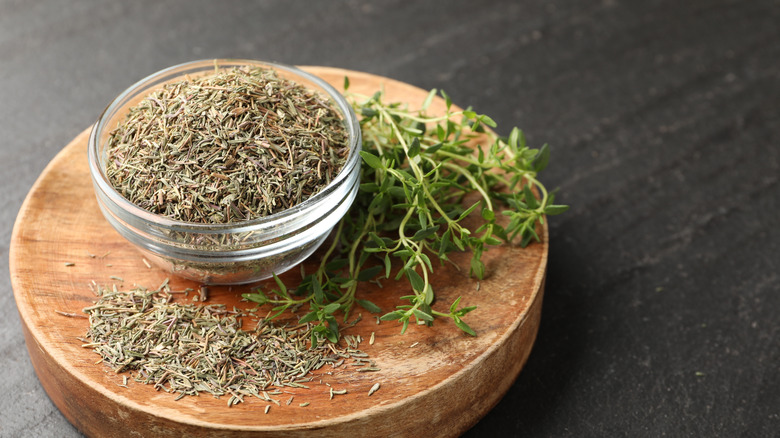
While they're not quite as committed as salt and pepper, rosemary and thyme also make frequent enough joint appearances that it's a good idea to keep them in tandem. They have similar cooking benefits, too, and together they begin to make a convincing herbes de provence, which will usually also include oregano.
Bay leaves
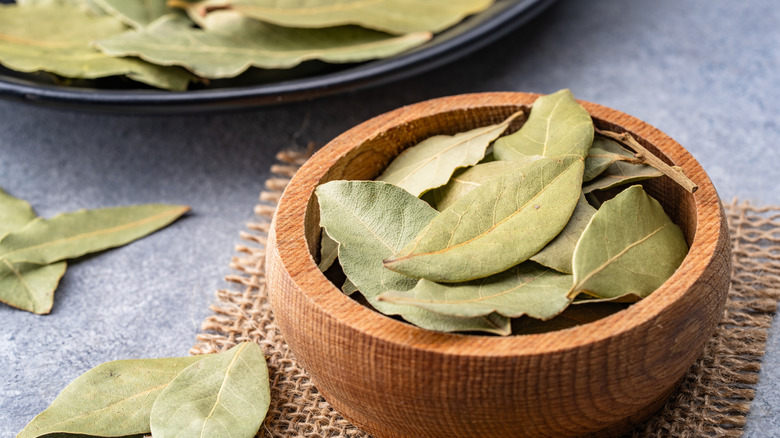
Bay leaves are divisive. Some believe that bay leaves belong in every kitchen, while others decry their very existence. But they do appear in countless cookbooks, or wherever your recipes are sourced from. So those of us who prefer to do most things by the book just like to keep bay leaves nearby, any skepticism notwithstanding.
Cayenne pepper
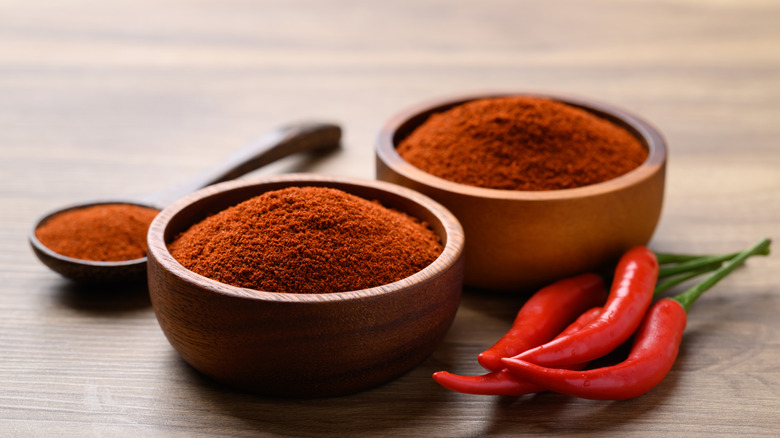
I am an avowed heat seeker and keep a wide variety of capsaicin-forward seasonings to match, but cayenne remains among the most adaptable for anything that needs a little extra fire. As much as I love my chile de árbol, for example, most recipes are just more likely to call for cayenne. So it will also always have a place in my heart, and among my seasonings.