

The 5 Most Common Types Of Food Poisoning You Can Get
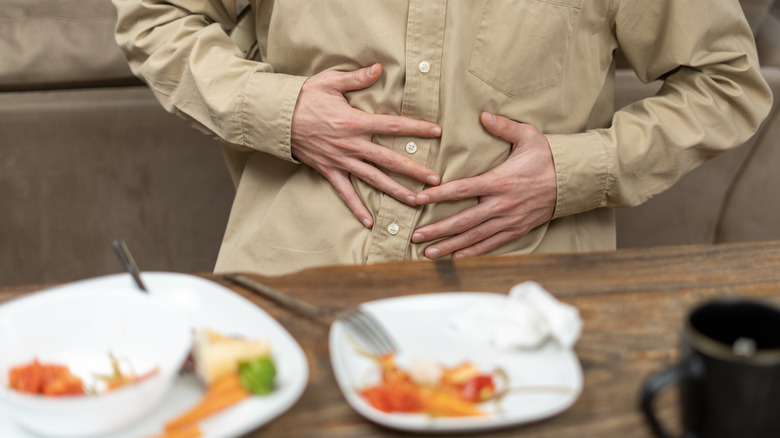
Food poisoning is quite common, and anyone can be at risk. According to the U.S. Centers for Disease Control and Prevention, 48 million individuals globally get food poisoning-related illnesses each year. In that number, 128,000 are serious enough to get hospitalized, while around 3,000 people pass away. One of the deadliest is Salmonella, which is usually transmitted from undercooked chicken and eggs, underscoring the importance of checking food for doneness.
While food poisoning is prevalent, certain individuals are more vulnerable to contamination, including people aged 65 and above, people with compromised immune systems, and pregnant individuals. To improve your safety, get to know the most common types of food poisoning, how to avoid getting them, and other precautionary reminders.
Salmonella
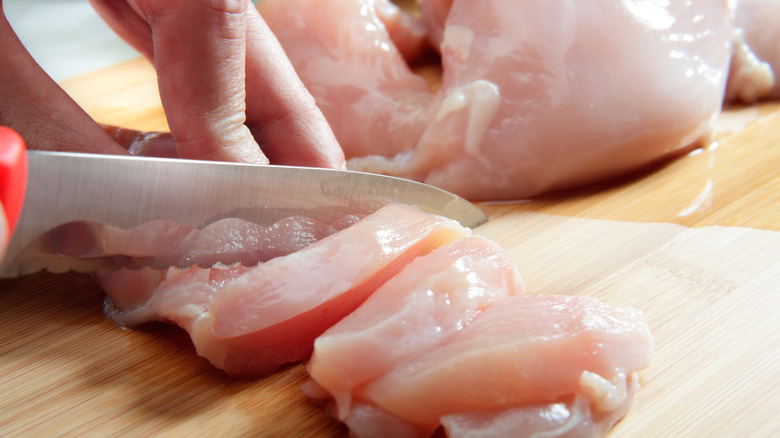
One of the leading causes of food poisoning is a bacterium called Salmonella. Leafy produce, raw dough (including raw cookie dough — no matter how tasty it is), undercooked poultry, and dairy products are said to carry the bacteria. Aside from ingesting these items, Salmonella can be transferred from a contaminated source to an individual. For instance, if the person preparing your food at a restaurant touched something contaminated with Salmonella, there's a big chance you can contract it, too. Obvious unsanitary practices are a sign of a bad restaurant you shouldn't ignore. If they're evident in the dining area, what more are in the kitchen?
In unfortunate circumstances where you fall ill with salmonellosis, you can start experiencing the symptoms somewhere between 12 and 72 hours. These commonly include diarrhea, abdominal cramps, and fever. In the worst occurrences, it can even cause alarming blood in the stool or urine. So, make it a habit to wash your hands and clean the ingredients that might carry Salmonella — or simply cook them well.
Escherichia coli
Escherichia coli, most commonly known as E. coli, is another cause of food poisoning. That said, most of us have E. coli in our gut, which helps promote healthy digestion. According to the CDC, there are six kinds of E. coli that are known to cause havoc in our systems, resulting in diarrhea, though some are more common than others.
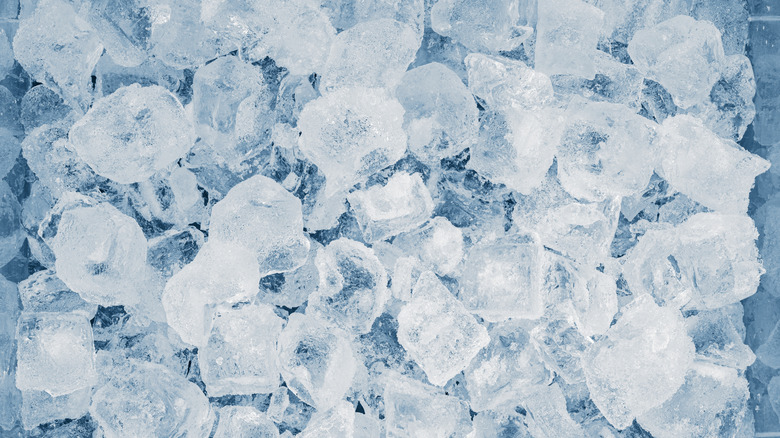
Shiga toxin-producing E. coli (STEC) can be found in ground beef and contaminated water. Some fruits and vegetables are also often contaminated with E. coli. It can also be contracted through contaminated stool and animals, such as cattle. Some signs you might be infected with STEC are stomach pains and vomiting episodes. If you're traveling to developing countries, it's more common to get enterotoxigenic E. coli (ETEC) — it's the typical culprit behind traveler's diarrhea. From meals to ice, you're likely to get ETEC if you ingest something that was exposed to fecal matter.
There are also certain types of E. coli where the source still remains unknown, including enteroaggregative E. coli (EAEC) and diffusely adherent E. coli (DAEC) — children are usually more vulnerable to both. Both can cause watery diarrhea, while the former has additional symptoms, including two-week long diarrhea, fever, and vomiting.
Norovirus
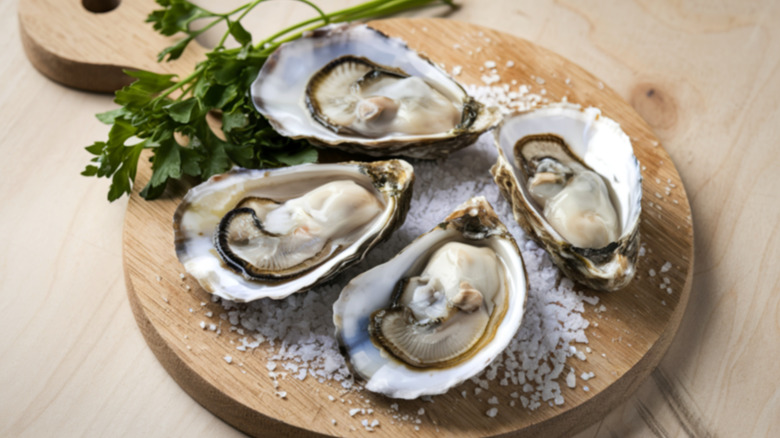
Also called the stomach bug, people usually recover from Norovirus quite quickly, typically within one to three days. Vomiting and diarrhea are among the telltale signs you've contracted Norovirus, though fever and body aches are also likely. The food poisoning virus is usually contracted from raw oysters and similar dishes, so don't dive headfirst into a raw oyster bar. Check for red flags that hint the oysters aren't fresh, including a sharp aroma.
Those who enjoy raw shellfish are more prone to Norovirus. Meanwhile, individuals more susceptible to developing a severe reaction include children under 5 years old and those with a compromised immune system. Since it's highly contagious, you can also get it from people infected with the virus. What makes Norovirus even more dangerous is that you're more prone to dehydration, especially if you're experiencing vomiting and diarrhea. If you suspect that you've contracted the disease, it's important to replenish your fluids.
Campylobacter
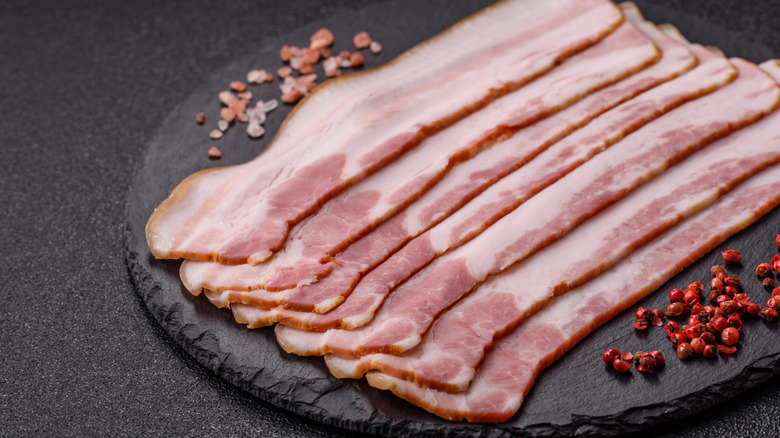
Campylobacter commonly spreads in warmer months, and it's the leading cause of bacterial diarrhea in America. That said, it usually goes undetected, but it can be quite potent. With just a quick exposure to Campylobacter, you can catch the illness. Fortunately, by knowing the leading causes of this food poisoning, you might be able to avoid it.
It usually comes with undercooked food, including cross-contamination, so it's important to wash your hands or tools after touching raw meat. You can also get it from handling animals, including the items they often come in contact with, such as their water bowls, so people constantly exposed to animals can be more vulnerable to Campylobacter. You can observe safer practices by washing your hands more often and following proper hygiene overall. Raw dairy products and untreated water can also carry the bacteria, so be mindful of what you consume.
Clostridium perfringens

Clostridium perfringens is the culprit behind almost a million foodborne illnesses in America each year alone. Once you ingest something contaminated by this bacterium, it can develop into a diarrhea-causing toxin. It's commonly contracted from food that's left outside ideal temperatures for too long, and it's usually picked up from poultry, meat, and even gravy. That's why when dining outdoors, including picnicking, it's important to follow food safety guidelines. For instance, the U.S. Food and Drug Administration says highly perishable meals meant to be served cold shouldn't be left outside in unfavorable conditions for more than two hours.
As such, Clostridium perfringens is quite common when there's a feast for larger groups of people, including school cafeterias and holiday parties. It's better if food on the table is eaten immediately to prevent such a scenario. Alternatively, you can refrigerate meals that won't be consumed in one to two hours. To be on the safe side, you can also live by these words: when in doubt, throw it out.