

7 Coffee Trends We're Tired Of Seeing In 2026

Since starting my coffee career in 2012, I've seen many trends come and go. Before social media, they were more regional and slow to spread, and barista recipes were gatekept. There also really weren't that many drinks on cafe menus in general. Now, the opposite is true; many coffee shops offer huge menus, and barista tradecraft is openly shared on TikTok.
Food and beverage influencers love to find the next viral coffee hack, hoping to strike algorithmic gold. But for every legit online coffee fad worth trying, there's plenty that just aren't worth it. Beyond this, when drinks go viral, prices can go up. Unless you're a barista who can drink these viral coffees for free, you'll have to shell out your hard-earned cash to see if the hype is real. In an economy rife with uncertainty and inflation, this might be a big ask, especially when specialty coffees can run $7 or $8 a pop.
That's why I'm here to help you navigate a truly clogged market of overrated coffee trends. Whether I was managing a cafe, working as a restaurant consultant, training baristas, or learning to taste coffee like a connoisseur, I know what's fresh and fun, and what's tired and played out. I never want to yuck your yum, I'm just here to highlight industry fads that have overstayed their welcome. Here are seven coffee trends I'm ready to leave behind.
1. Protein-infused coffee
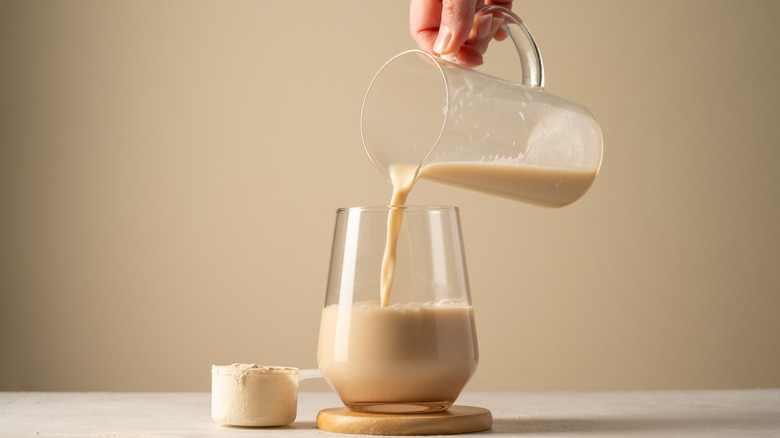
Whether you agree that we've hit peak protein levels may depend on how much doomscrolling you do. It seems like everyone on social media these days is trying to "improve their macros." Even Cheerios now has a protein-enhanced version of its cereal. Not surprisingly, coffee isn't immune to the fad. The protein coffee trend, otherwise known as "proffee," might already be circling your Instagram feed.
If your algorithm hasn't been flooded with pro-protein content and you're unfamiliar with "proffee," essentially, cafes and influencers are using high-protein milks or adding protein powder to standard coffee drinks. However, the results are often chalky and lacking in coffee flavor, which a well-made latte or cappuccino should never be.
No judgment if you're on the "proffee" train and you like the taste of your specific protein-infused brew, but there are other ways to fit in your macros. You may just need some tips for integrating protein into your diet or for whipping up a high-protein breakfast with what you have on hand, rather than trying to upgrade a perfectly good cup of Joe. (You'll already get some protein from a latte if you make it with whole milk.) Despite what social media says, not every ritual needs to be fully optimized, and it's perfectly fine to enjoy coffee for its own sake rather than as a protein boost.
2. Yogurt coffee
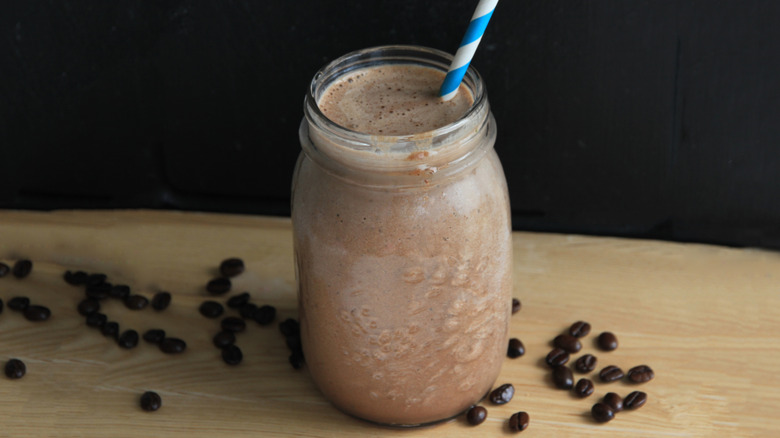
If you needed proof that TikTok will try anything once, yogurt coffee is it. Much like protein-infused coffees, this trend makes purists scratch their heads and leaves the uninitiated wondering whether you're joking. The gimmick — which involves mixing Greek yogurt, iced coffee, and often coconut water — has some momentum on social media, with creators sharing recipes.
Many of us agree that Greek yogurt is delicious (it's also relatively easy to make at home with milk and a starter). What's more, few will dispute that dairy and coffee have been in a holy matrimony for centuries. And, sure, on paper, yogurt coffee checks all the boxes: high-protein, refreshing, and visually distinct. But it also begs the question: Why?
If we zoom in, yogurt coffee looks like a forced experiment to tap into the protein-focused Zeitgeist. In terms of flavor, Greek yogurt's high acidity — relative to whole milk — clashes with the coffee taste. And that's assuming you can get the thick, almost-solid texture of Greek yogurt to dissolve, which might require blenders or the flailing arms of a mixologist with a shaker. At worst, you could end up with tangy, lumpy coffee. I don't want to yuck your yum if this is your drink, but I'm already over this trend.
3. Cold foams
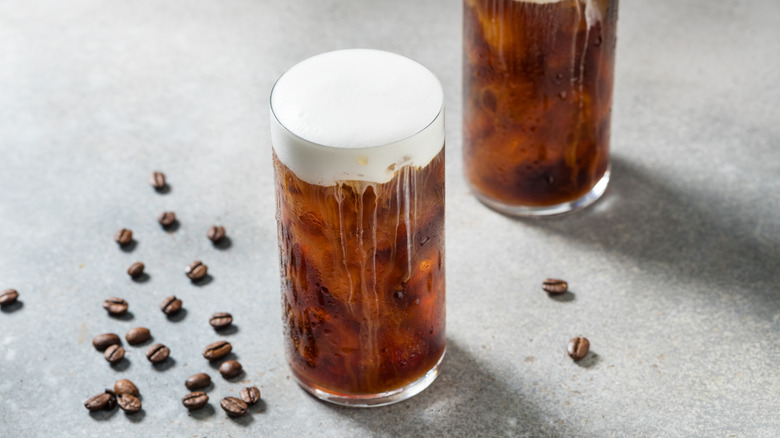
I can't lie, ya'll. I've enjoyed a cold foam here and there. My daily driver is black coffee or espresso, with the odd cap or cortado. But as someone who spends a ton of time in cafes, I was tempted when I first saw a cold foam in the wild. They do, after all, look cool. But, now that the trend has been around for years — first launched by Starbucks in 2018 to U.S. audiences — it's getting tiresome.
While they might look alike, there's actually a difference between a frothy steamed milk coffee and a cold foam. The latter is made by frothing cold low-fat (or non-dairy) milk, which creates a creamier and denser consistency than the steamed hot milk that is used in a latte. Think of the head on a well-poured Guinness — the foam has that type of texture and consistency.
These almost weightless foams add a visual appeal that makes perfect sense on a phone screen. The issue is that, more often than not, they're underwhelming flavor-wise (even the flavored varieties), and can be quite costly due to the labor and additional ingredients. I've paid as much as $9 for one, and in this economy, that's brutal. The trend doesn't resonate with me beyond the exorbitant pricing and often underwhelming results. It's become obnoxious, from the commodity sector to specialty coffee corners, and will never supplant classics like the humble iced latte.
4. Too many milk alternatives
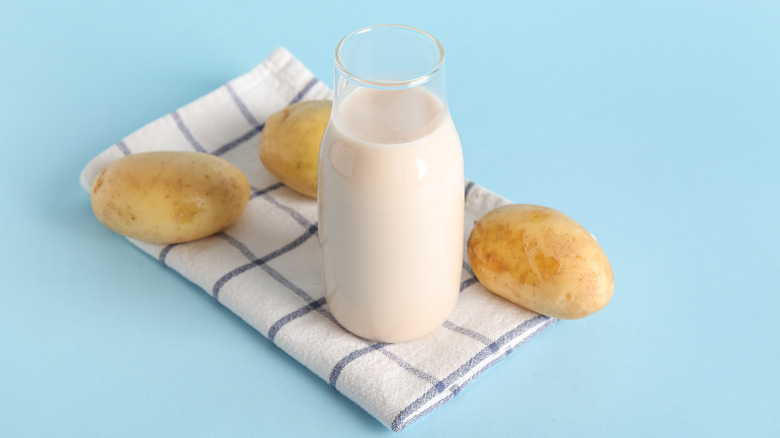
When I became a barista many moons ago, there were only three milk alternatives: soy, almond, and coconut. It was a dark time for vegans and the lactose-intolerant. Then oat milk exploded onto the scene, serving as a major market disruptor and ushering in a new era for non-dairy options. At the cafes I managed and consulted for, fridges soon teemed with dairy alternatives. Macadamia, cashew, rice, hemp, pistachio, chickpea, and other unique blends were unveiled to the public, begging the question: Can you make a "milk" out of anything? And do they taste good? I find some milk alternatives do — my favorite is oat — while I find others can taste unbalanced or off when paired with espresso — particularly hemp, rice, and coconut milk.
Despite hit-or-miss flavor results, milk alternatives are a big business. According to Fortune Business Insights, the global dairy-alternative market was valued at over $36 billion in 2025, with projections exceeding $40 billion for this year. However, some consumers — like me — might be getting tired of the dairy-alternative hamster wheel, with a new one seemingly dropping every other month. Either way, the market is saturated with too many questionable non-dairy milks, made by companies that are simply trying to cash in on a wave that seems to be cresting.
5. Mushroom coffee
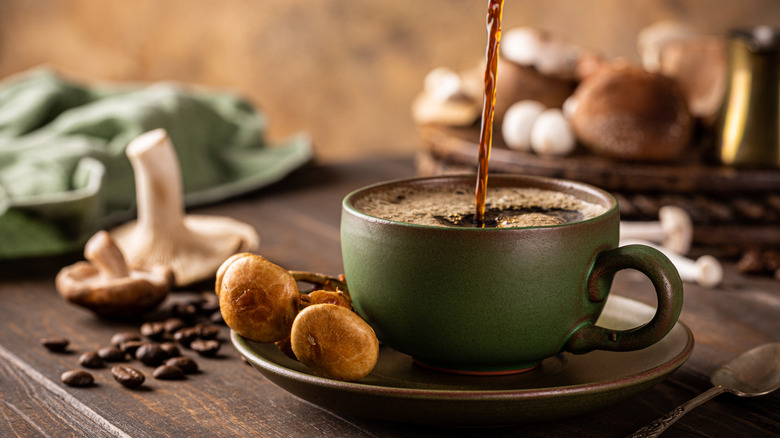
Mushroom coffee. Yes, you read that right. This concoction has lingered on the periphery of coffee culture for years, and has a problem with its value proposition. It has also never — and will never — be associated with specialty coffee. Rather, it's more of a preoccupation among uber-health-focused casual sippers who, remarkably, find it palatable. These coffees are blends featuring "adaptogenic" mushrooms like lion's mane or chaga. They're marketed as an elixir that offers focus, immunity, and a smoother caffeine buzz — similar to that of matcha. But as a food-obsessive who loves to cook with mushrooms, I think they belong in my sauté pan and, ultimately, on my plate.
The earthy, deeply savory flavors that mushroom lovers pine for don't pair well with coffee. In fact, as a trained coffee buyer, a "Q Grader" (our version of a sommelier) would avoid buying any coffee with an overtly mushroom-like taste; it would be considered a defective batch. What's more, the touted health claims of mushroom coffee can be dubious. They're often overstated or poorly substantiated. This is part of a broader trend of health-maxing coffee, recalling the bullet coffee trend of yesteryear. My take is that coffee has been enjoyed for centuries as a relatively safe beverage on its own; it doesn't, in my opinion, need to be optimized with additives.
6. Co-fermented coffee
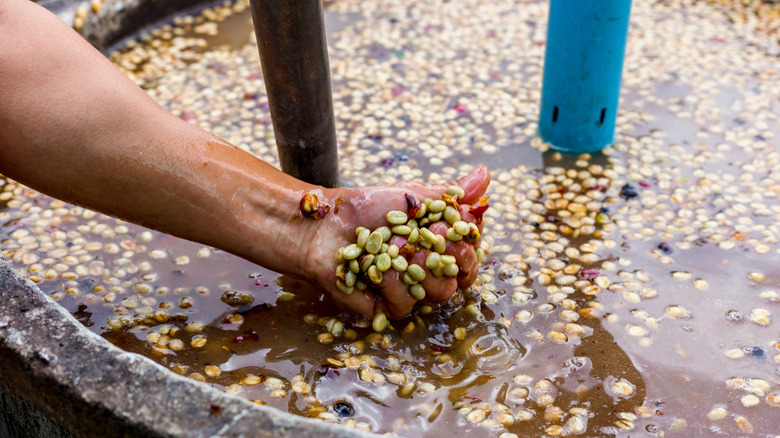
If you're not spending time in third-wave cafes, trading quips with tattooed baristas while caffeine jolts you back into the Matrix, you may have missed this one. It's specific to the specialty coffee world; co-fermented beans are highly unlikely to be found at your local grocery store. These infused coffees are simply fermented with the addition of an exogenous agent, such as fruits or flavoring additives. In turn, a fermentation time of around two days imparts those fruit flavors and sugars into the beans. This trend has been bubbling under the surface of coffee culture for years and has seemed to really gain steam since the pandemic.
These funky coffees are not for the faint of heart, with aggressive notes that can be cloying or, worse, overwhelming. I've drunk some over the years that tasted like rotten fruit, miso, soy sauce, kombucha, feta cheese, and, on a good day, ripe tropical fruit. It depends on how far the producer pushes the fermentation; much like making sauerkraut or yogurt, the longer you go, the more intense the resulting flavor becomes. It also depends on what additives the farmer uses to infuse the coffee. As you can imagine, throwing some lychee fruit into a fermentation tank might make the beans taste like — surprise — lychee.
The problem with this trend is that it completely masks a coffee's terroir. Is it Colombian? Guatemalan? We'll never know. They can also be pricier than regularly fermented beans and are usually not worth the extra cost.
7. Mold-free coffee
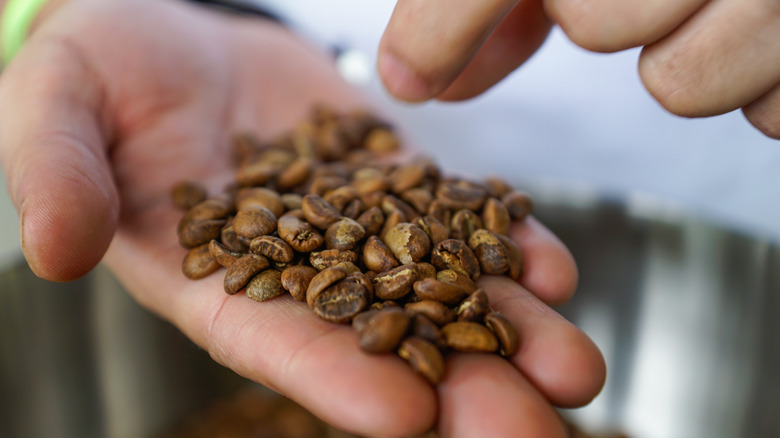
I'm not sure who is responsible for this trend, but I have some strong words for them. Mold-free coffee, or "mycotoxin-free" as it's known in the health and wellness sphere, is incredibly misleading. This isn't me being a snobby, overly opinionated coffee professional — some roasters are attempting to take advantage of consumer fears. These roasters want consumers to believe that we're all drinking mold-ridden beans when we buy regular coffee. Their solution: purchase their specific, very expensive "clean" brands to avoid a "toxic" cup of joe. This is one of the most persistent and misleading trends in the contemporary coffee market.
The Steve Jobs of the coffee world — Mr. James Hoffman of Square Mile Coffee and YouTube fame — conducted a deep dive into this topic. His lab results concluded that no, the coffee in your cup right now isn't full of toxic mold (ochratoxin) or heavy metals. In fact, properly processed and roasted coffee — including the vast majority of what's on the market — is quite safe to drink, despite what certain unscrupulous wellness brands would have you believe. Moderate coffee consumption is also allegedly healthy for you, as it's been widely tested for years. We have enough to worry about already; we don't need to add coffee to the list. This trend isn't just lame — it's actively misleading consumers. Save your money; don't buy into the fear.