

6 Common Mistakes To Avoid When Cooking Short Ribs
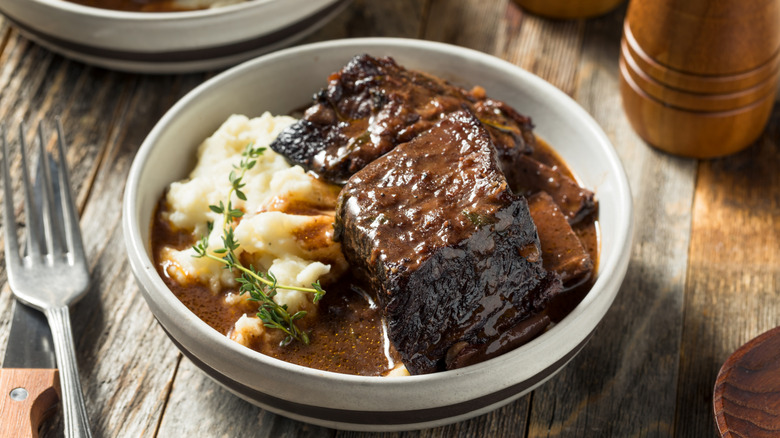
As a professional chef and lover of any dish I can leave unattended for a few hours while it cooks, I believe braised short ribs are one of the most rewarding cuts of beef you can make — and the easiest to get wrong. After years of working in professional kitchens, I've seen fellow chefs and home cooks repeat the same mistakes over and over. Whether it's leaving on too much excess fat, forgetting to brown the meat, or skimping out on aromatics, it seems like every mistake finds its way into the final result.
Don't get me wrong, short ribs are a pretty forgiving cut of meat, but to achieve Michelin-starred results, they demand respect and precision. If you skip a step, whether it's seasoning them for start or opting out of deglazing, you'll end up with meat that's fork-tender but tastes like a bland, soulless piece of meat. Why waste time and money on such an expensive cut of meat if you're not going to give it the attention and care it deserves? Regardless of whether you've made it a million times before or it's your first time, be sure to look for these 6 mistakes I always see people make when braising short ribs.
1. Mistake: Leaving on excess fat
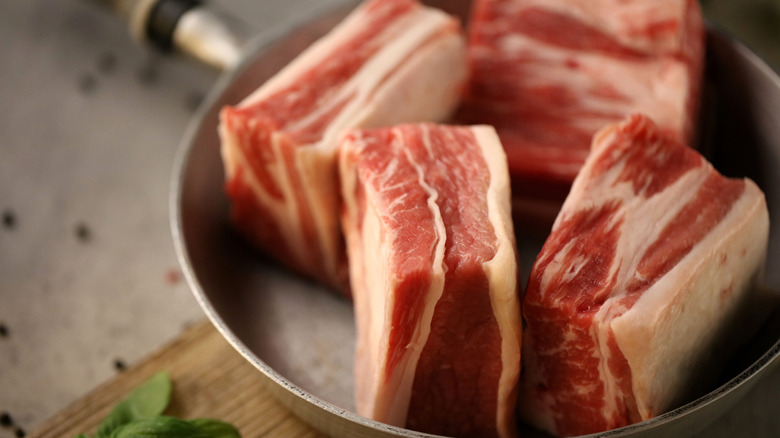
Short ribs are naturally a fatty cut of beef. They are heavily marbled with beautiful layers of fat and packed collagen, and when braised low and slow, they transform into exceptionally tender, fall-off-the-bone meat that melts in your mouth. While some fat is necessary for flavor, too much can make your final dish taste greasy, heavy, and unappetizing.
This is especially important when dealing with short ribs that have a large fat cap, which not only makes your final sauce oily and unappetizing but also prevents your seasonings, like salt and pepper, from adequately penetrating the meat. When removing, aim to leave about ¼ inch or so of fat on each short rib; this is the perfect amount to keep the meat moist and flavorful throughout its long cooking process. To remove, use a sharp chef's or boning knife and run it along the surface of the fat cap in even strokes, removing any excess while keeping the meat intact. If you want to limit your waste, feel free to save the excess fat slices and use them to make homemade beef tallow. Beyond the fat cap, remove the white, shiny membrane skin (sliver skin) on top and underside of the bones, since it doesn't break down as nicely, and gets as tough as leather when slow-cooked.
2. Mistake: Under seasoning your short ribs
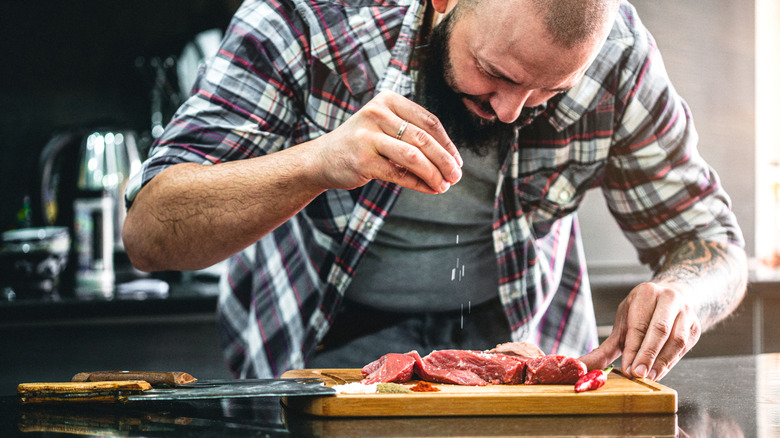
Want to make your short ribs taste bland and flavorless? Then, you should try under-seasoning them, or just skip adding salt altogether! All jokes aside, one of the biggest mistakes someone can make when whipping up some short ribs is forgetting to heavily season them with salt and pepper. Short ribs are very thick and dense cuts of beef, and they require more seasoning than most people think.
For 1 pound of short ribs, use at least ¼ cup of kosher sea salt and about 2 tablespoons of freshly ground black pepper, coating all sides evenly and generously. If you've got time on your hands, you can even take it a step further by seasoning them 12 to 24 hours in advance, allowing the salt to migrate adequately throughout the meat and deeper through the muscle fibers, ensuring every bite is perfectly seasoned. If doing so, make sure to leave the short ribs uncovered in the fridge to dry out the surface. A dry surface equals better browning, which will give your final dish a richer and more flavorful end result.
3. Mistake: Forgetting to brown before braising
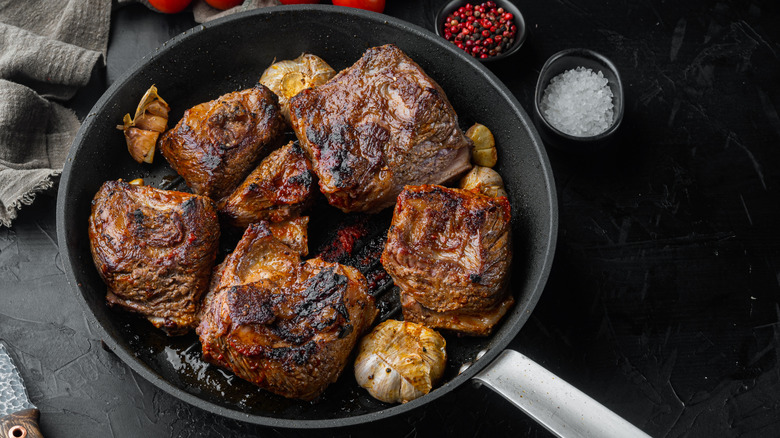
Another mistake many people make when cooking short ribs is forgetting to brown them. Browning is a crucial step in braising short ribs to initiate the Maillard Reaction, a chemical reaction between amino acids and sugars on the meat surface, resulting in a caramelized, heavily browned crust that adds an intense depth of savory flavor to the dish. By skipping this step, your final dish will taste quite bland and will be missing that rich, umami flavor that makes braised short ribs so irresistible.
Browning your meat also helps to create the "fond," the slightly charred, caramelized bits of fat and meat stuck to the bottom of the pot. While you might be tempted to wipe them away, these little brown bits are vital to the dish, and when deglazed with wine or stock, the fond dissolves into the liquid, giving you more complex braising liquid and sauce. Beyond flavor, its browned crust also helps the meat maintain its structure throughout the long cooking process, ensuring everything stays intact so you can plate it beautifully.
To brown short ribs properly, ensure your pot or Dutch oven is lightly coated in oil and searing hot to create a crust quickly, so you don't overcook the center. Pat your short ribs with a paper towel to remove any excess moisture, then sear them in batches on all sides, making sure you're not overcrowding the pan and the meat browns rather than steams.
4. Mistake: Cooking them too fast
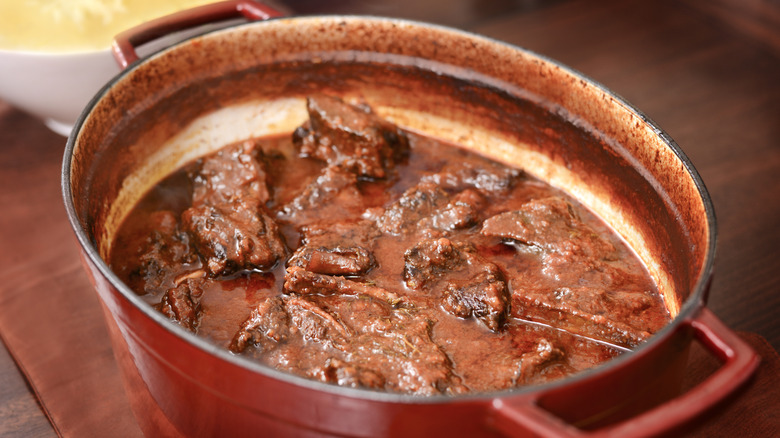
If you're looking to avoid your braised short ribs from having a tough, chewy bite rather than a desirable tender, fall-off-the-bone texture, then you've got to make sure you're cooking them low and slow. What most people don't realize is that short ribs aren't a weeknight, quickly thrown together meal; like most braising cuts of meat, they need time in a pot to mingle and get to know each other.
Cooking short ribs too fast can cause the muscle fibers to tighten and contract, resulting in tough and chewy meat. Besides a dry, unappetizing texture, cooking them at too high a temperature won't allow the fat and collagen to render properly, taking away the meat's ability to turn into a silky, melt-in-your-mouth texture that makes braised short rib worth making in the first place. Most professional chefs braise their short ribs between 300 to 325 degrees Fahrenheit, which is low enough to break down everything while keeping it at a gentle simmer. Make sure to give them at least 2½ to 3 hours and don't rush the process — patience is key in a dish like braised short ribs, and you'll definitely be rewarded if you cook them low and slow.
5. Mistake: Skipping the aromatics
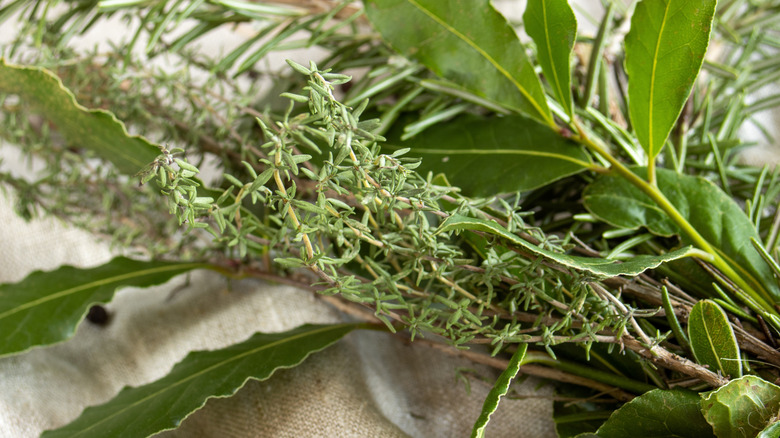
If you want your braised short ribs to taste well-rounded rather than flavorless or bland, never skip the aromatics. Braised short ribs (and many other braised meat dishes) rely on a strong aromatic base to build the deep layers of flavor that make the dish so special. Aromatics, including onions, garlic, shallots, carrots, celery, and fresh herbs, provide your braising liquid with subtle hints of flavor. These aromatics tend to work in the background during their low-and-slow cooking, adding a layer of depth and complexity that won't go unnoticed.
Beyond using alliums and veggies, you can add a multitude of other ingredients that give your short ribs an extra boost of flavor. In the mood for a spicy kick? Try adding a tablespoon of Calabrian chili paste or red pepper flakes before de-glazing for a hint of heat. Need a bit of tang to cut through the richness? Be like a professional chef and add a splash of apple cider or sherry vinegar to your braising liquid to brighten the whole dish. If you want to keep it simple, you can just add a bundle of fresh herbs, such as thyme, rosemary, and bay leaves. Whichever way you choose, skipping the aromatics when making a pot of braised short ribs is the easiest way to end up with a final dish that tastes bland and hollow.
6. Mistake: Forgetting to reduce the braising liquid
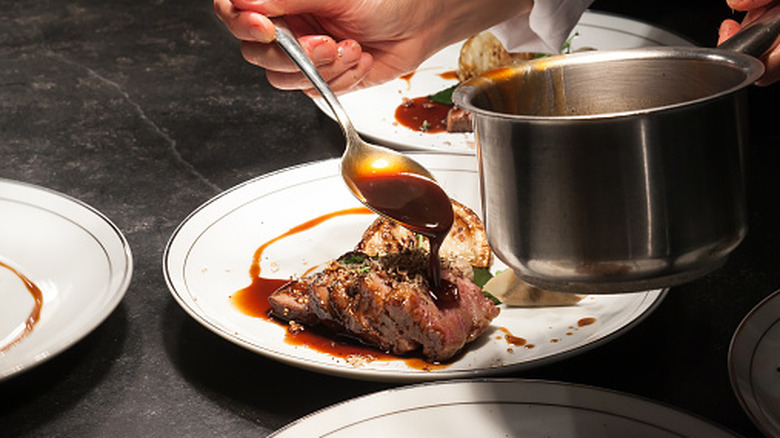
Last but not least, a common mistake most people make when braising short ribs is forgetting to reduce the leftover braising liquid into a thick, luscious sauce. Let's be honest, the liquid leftover in the pot is arguably the best part of the whole dish — and letting it go to waste isn't a good move if you want the people around your dinner table asking for seconds. Reducing the braising liquid for short ribs not only concentrates flavors but also thickens naturally through the dissolved gelatin left in the meat. Short ribs release an immense amount of collagen when braised, which turns into gelatin after cooking, creating a thick sauce without adding any cornstarch.
To reduce the braising liquid into a sauce, first remove the short ribs from the pot, then strain the remaining liquid through a fine-mesh strainer. Once all of the leftover bits of aromatics and meat are removed, bring the braising liquid to a simmer and let it reduce. The final sauce is ready when it coats the back of the spoon, and a finger swipe through the sauce leaves a structured line. Now this is optional, but if you want a cleaner, more refined sauce, you can take it a step further by letting the liquid cool overnight in the fridge to harden the fat on top. Once the fat layer is formed, you can remove it and continue to reduce it.