

Tips For Cooking Tender Turkey Ribs For A New Spin At Your Next Cookout
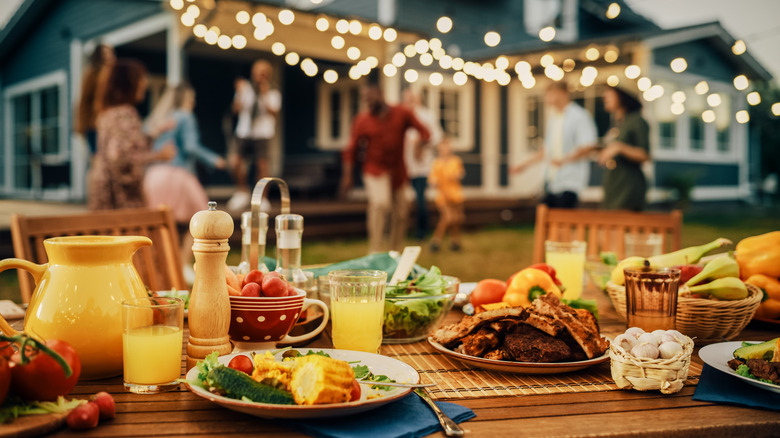
Spring means it's time to start perfecting your recipes for your next backyard barbecue. When it comes to classic dishes to share with friends and family, you may imagine buttered corn on the cob, fresh chopped salads, burgers, and hot dogs. Amongst these classics, turkey ribs can become your next barbecue staple with a few tips and tricks.
Despite the name, this cut of meat is actually made from the shoulder of the bird. It's sliced to emulate individual ribs, somewhat like beef and pork ribs you're likely used to enjoying with a plethora of barbecue sauces and seasonings. This dish has a comparatively brief cook time, is generally affordable, and pairs well with many sauces and marinades, making it a great addition to your next cookout.
If you've never heard of turkey ribs before, you can grab this cut from most food retailers, possibly butchers, or even international stores. And if you're personally not a fan of raw meat, you can also grab these pre-cooked from various brands like Kuck Farms or Troy's Treasure (which can save you preparation and cook time). And if you're planning a dish as a guest, bring your turkey ribs alongside any of these dishes to actually impress your friends at a barbecue. Just keep in mind they can be prone to drying out, which is precisely why you'll want to keep the following tricks in mind to ensure they remain tender and juicy.
Cook turkey ribs low and slow
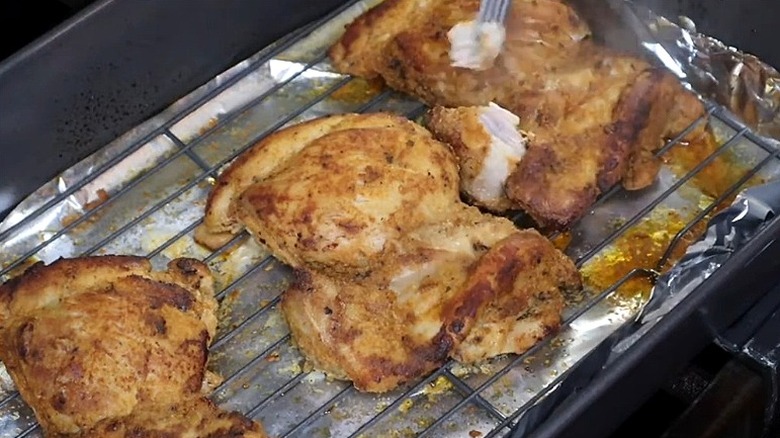
When preparing turkey ribs, pay note to techniques that help contain and promote moisture for the most tender result. One trick is to bake them low and slow. Turkey ribs are a neutral tasting meat on their own and can be quite bland if you don't season properly. Therefore, incorporate a dry rub or marinade before you begin cooking.
The low and slow method allows you to closely control the temperature and baking environment of your turkey ribs. You can cook your seasoned turkey in a covered casserole dish to ensure the ribs are not overexposed to the oven's heat. This covered environment also allows you to cook them in a bit of liquid. You can use water, stock, or apple cider vinegar to assist in moisture retention as the protein slowly cooks through (also preventing burnt edges).
There are various recipes you can try depending on your taste preference. One method is to set the oven at 350 degrees Fahrenheit for two hours, checking halfway and flipping the protein to cook evenly. This process gives your meat time to slowly break down in the oven, leaving you with a tender result that falls from the bone. And for those pressed for time, you can use pre-cooked turkey ribs. This also requires a 350-degree Fahrenheit oven, but merely 15 to 20 minutes to properly heat before enjoying.
Marinate your meat overnight
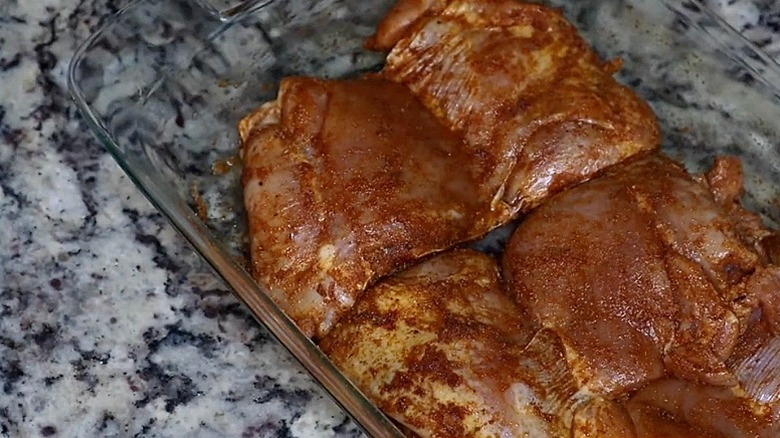
To help retain moisture and ensure a flavorsome result, marinate your turkey ribs overnight to ensure a tender, tasty dish. For those who are working with pre-cooked meats, you'll want to ensure you handle this ingredient with care, as it is likely to already have been marinated and therefore, could become more fragile. If using raw turkey ribs, properly rinse off and pat the meat dry before adding your marinade over the top.
You can tenderize your ribs a few different ways – some opt for a wet marinade, while others prefer a dry rub. Either has its benefits and this comes down to personal preference and desired flavor. Some flavor blends can only be achieved if you go with a dry rub. Meanwhile wet marinades allow the incorporation of flavors from liquid ingredients you may not get otherwise. You could even give your turkey a major flavor boost with an umami-based brine.
The many different components in marinades each serve an important purpose. Most recipes require oil and an acid, like citrus or vinegar, as well as salt and seasonings. Marinades introduce new flavors to your meat when it is soaked in seasonings. Not only is this step important to ensure tender ribs, but a well-made marinade also prevents your dish from tasting bland. Just make sure to avoid these ingredients you should never add to your marinade.
Wrap your ribs in aluminum foil
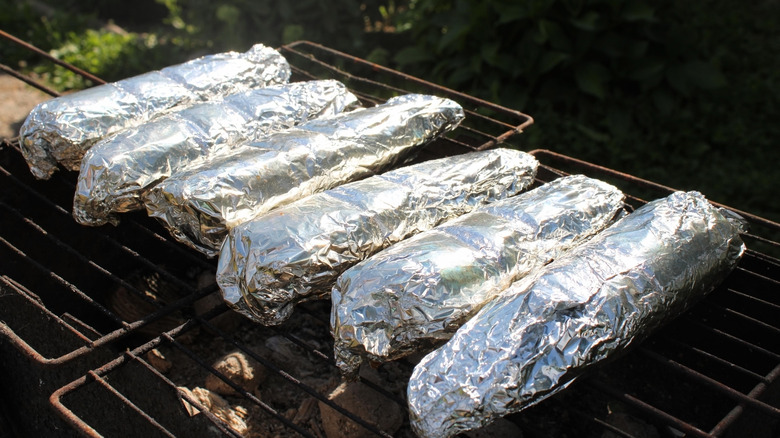
Aluminum foil is a great kitchen tool to have on hand, especially when you're preparing meat that's prone to drying out. Foil is useful for wrapping the ribs directly, in an effort to maintain moisture. This step can be combined with the aforementioned marinade or dry rub to ensure a tender, fall-off-the-bone result. You can wrap each individual rib, but for the sake of conserving material, wrap them in a small group instead. Once wrapped, you can place the packet on the grill directly. Protected by a foil outer layer, you'll reduce the risk of them clinging to the grill top and burning the skin.
The foil method is a useful way to add liquid during the cooking process, too, which further assists moisture retention. You can do this by dropping a bit of water or vinegar into the foil packet. In order to ensure the liquid doesn't seep out, make sure to seal the foil at the ends so it doesn't ooze out the bottom. This environment prevents your ribs from overcooking or burning from direct flame, allowing them to lightly steam inside the foil. Once the turkey ribs have cooked through, take the meat out of the foil packet and place them directly on the grill. This final step adds extra texture and more depth of flavor.
Coat turkey ribs in a rich sauce for serving
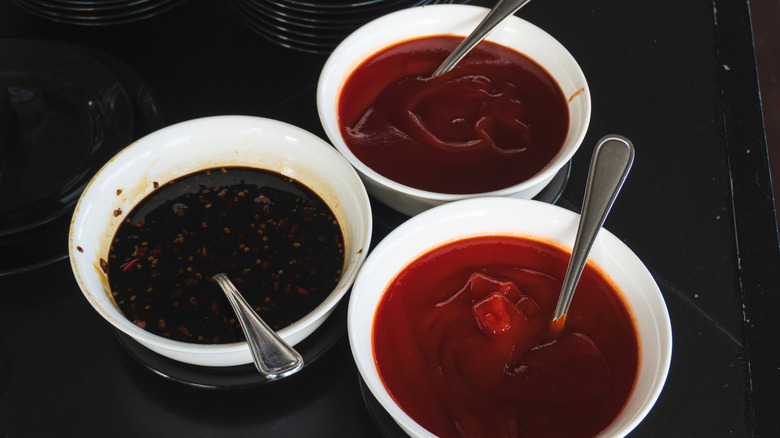
You can't go wrong with turkey ribs that have been coated in a decadent sauce. While there are many ways to ensure your ribs come out tender and delicious, you can add more moisture by finishing them off with a sauce or glaze at the end of your cooking process. For extra texture and a little caramelization, pop them under the broiler briefly after coating. If you choose to cook your ribs in the pan, you can also pour the sauce over the top as they finish cooking.
There are many types of barbecue sauce across the U.S. with different flavor profiles. Barbecue recipes vary from vinegar to mustard bases, and you can't forget the quintessential Texas-style sauce, which usually features ketchup and a kick of spice. Any of the above would do particularly well on turkey ribs. Their neutral flavor allows them to pair nicely with many complementary seasoning blends, so experiment and see what you like best.
You can always purchase an option from the store, but making homemade mouthwatering barbecue sauce is not as complicated as it seems. All it takes is measuring your ingredients and combining them over heat. Some recipes don't even require heat, just combine at room temperature and enjoy. Common ingredients include vinegar, brown sugar or honey (or even maple syrup), powdered mustard, spices to taste, and water to help everything come together. When it's done, you'll have a delicious sauce perfect for serving over turkey ribs.
Cook ribs in advance and finish grilling when you're ready
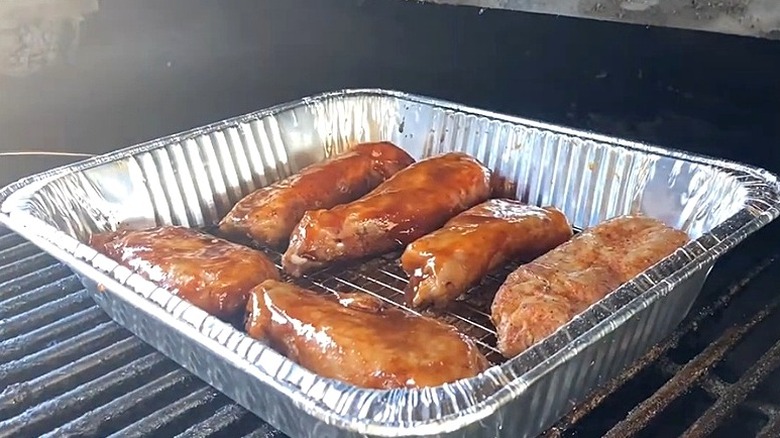
Cooking your turkey ribs in advance to finish on the grill the day you plan on eating them is a great way to save time and stress, especially when feeding a big party of hungry people. If you cook the majority of your meat in advance, all it takes is placing your turkey ribs on the grill or in the oven to heat them up before serving. This technique is common when smoking turkey ribs; you can then chill the pre-cooked meat in the fridge ahead of your cookout.
This step also allows you to cook your ribs in batches, as opposed to preparing everything at once, and the turnaround time is much quicker. Considering some recipes can take hours, cooking the meat in advance allows you a shorter grill or oven-bake time of 14 minutes in some recipes (just seven to 10 minutes on each side). Additionally, you'll reduce the risk of underdone meat because you've already cooked everything in advance.
This tip is also why some home cooks opt for pre-cooked turkey ribs: to save time and effort. Though cooking pre-cooked turkey ribs means they'll be more delicate than raw meat. Keeping this in mind, you only need three to four minutes per side (depending on the recipe). Pre-cooking your turkey ribs ensures you only have to worry about prepping your table and side dishes on the day of your cookout.