

6 Ways Aldi Beats Walmart Every Single Time

Aldi and Walmart are two major players in the game of budget-friendly grocery shopping, though Walmart was recently dethroned as the most affordable grocery store. Aldi's store renovations and fresh new products have infused a more modern and streamlined shopping process, elevating it into a new tier to be more competitive with bigger name stores that have been around for decades. Some shoppers may not know, but Aldi has also started carrying name-brand items in recent years.
With the two brands having thousands of locations across the country, there are loyal shoppers who swear by each chain's products. As someone who has shopped at both, there are absolutely things to appreciate about Walmart's massive reach and seemingly endless selection of items as well as Aldi's small-scale, easy-to-navigate shopping experience. But for some, the German supermarket chain wins every time. If you've been deciding between Aldi and Walmart for a budget-friendly shopping option, here are just a few of the reasons why Aldi is the superior grocery chain.
1. Aldi's smaller stores make for a faster grocery shopping experience

Aldi stores are small and straightforward and usually have only one doorway that facilitates the flow as you walk into the produce section and exit after you check out. There's no need to worry about going out the same door you came in, and even if you walk every aisle (as I usually do), you can be in and out quickly while still looking at every item. This helps you not miss things, especially if you have a mental shopping list rather than a physical one.
Walmart, on the other hand, has much larger stores, with the average Supercenters measuring 182,000 square feet. They have everything from robust grocery and general merchandise sections to an auto department and a full-service deli and a bakery. The average Aldi comes in at about 12,000 square feet, though that may shift with the company's growth plans among the biggest changes coming to Aldi in 2026. While you're not going to be able to get your tires changed at your neighborhood Aldi — and there will be plenty of household items you won't find at Aldi – you'll be able to stock up on all your mealtime necessities in a fraction of the time it would take you to walk every aisle at Walmart.
2. The Aldi Finds aisle blows Walmart's clearance section out of the water
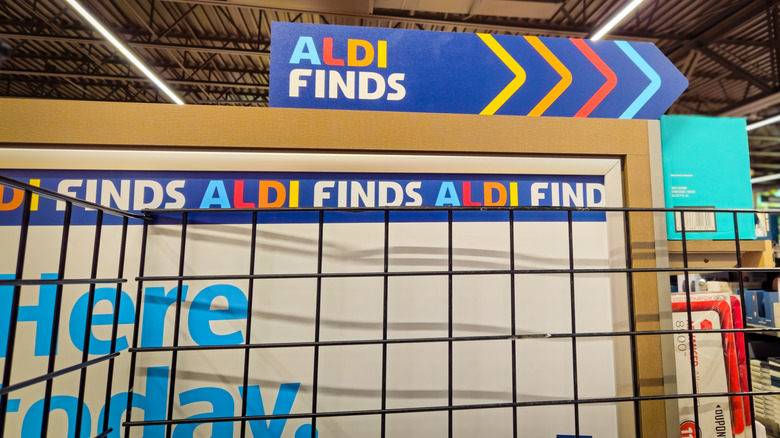
The weekly Aldi Finds aisle is a treasure trove of, you guessed it, the chain's new seasonal and featured items for sale for one week only. Well, technically anything left at the end of the week goes on a heavy clearance discount, but with how fast these items fly off the shelves and the incredible pricing, very few items usually end up needing to go on clearance. Once they're gone, they're gone — unless you drive to another Aldi that hopefully has whatever you'd spotted in the weekly Aldi Finds catalog that shoppers can pick up on their way out of the store.
You can always expect something new, fresh, and specifically curated for the week. Aldi even sometimes sells full kitchen appliances! This last point is what specifically blows Walmart out of the water. While Walmart does have a seasonal section and a separate clearance section, neither has the combination of variety and low pricing that Aldi does.
If Walmart had specifically curated items to be sold on clearance, it could have compared with Aldi Finds, but Walmart's clearance items are determined by overstock, items not selling, and holiday/seasonal changes. The main difference between the weekly Aldi Finds aisle and Walmart's clearance is intention. Plus, the unexpected nature of the Aldi Finds aisle makes it a fun little area to browse every week on your grocery trip.
3. Aldi's Twice as Nice Guarantee has your back over Walmart's return policy

Aldi's return policy, called the Twice as Nice Guarantee, means that if you're unsatisfied with a purchase for any reason, you can return the product for a refund and a replacement as long as you bring in the original packaging and any unused product. You need a receipt to get a refund to your original payment method. But if you've lost your receipt, you can still get store credit and the product replaced. The limitations to the Aldi policy are clear: no returns on non-food Aldi Finds items, no returns on alcohol (which is pretty standard across grocery stores), and no returns on national brands.
Walmart's return policy, while accessible and not too crazy restrictive, is not nearly as no-questions-asked as Aldi's. For 90 days after purchase, if you have a receipt or a business order number, you can receive a refund to the original form of payment. But you don't get a replacement. There are also exceptions for certain categories of items listed on the website, and some items have a shorter window when you can return them. So you always have to double check with Walmart on an item-by-item basis.
4. Aldi doesn't overwhelm shoppers with tons of variations of the same item

If you've ever experienced what I call option overload, you'll appreciate that Aldi stocks very few versions of each product, so there's not a ton of brands to choose from and compare prices. If you want a pack of everything-seasoned bagels, there's basically one brand you can buy (unless there happens to be a unique version in the Aldi Finds aisle, of course). This limitation of options makes it easy to grab what you need and keep moving. Personally, this is one of my favorite things about shopping at Aldi.
At Walmart, on the other hand, you could walk through the dairy aisle and be stuck looking at butter for 10 minutes if you're reading details on every single type available. Where Aldi basically sells salted, unsalted, margarine, and Irish butter, Walmart carries dozens of varieties. If you're going for something super specific, I suppose that could be a good thing, but personally, I just grab the salted butter or the Irish butter and keep pushing ahead.
5. Aldi has high-quality, specifically curated house brands

Aldi's house brands such as Simply Nature, Earth Grown, and LiveGFree offer options for people with dietary restrictions and those who like to shop organic. And while Aldi does sell name-brand items, house brands make up over 90% of Aldi's inventory. Having house brands dedicated to organic, vegetarian, and gluten-free foods is convenient for shoppers because they know that no matter what item they're grabbing from Simply Nature, for example, they don't have to read the ingredients to know that there are no preservatives or artificial ingredients.
While Walmart's bettergoods and Great Value brands do carry plant-based and gluten-free options, they do not maintain those dietary and organic restrictions across the entire brands' lineups, so it still requires shoppers to read labels item by item — which, if you can't tell, I'm sick of doing.
6. Aldi's no-bag policy prioritizes environmental consciousness
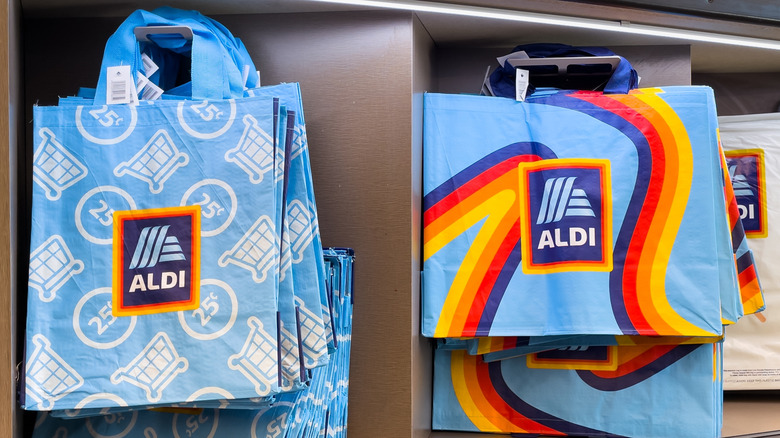
The no-bag policy at Aldi encourages customers to bring reusable grocery bags or boxes to the store when shopping, though you can always buy them for inexpensive prices or even grab empty boxes from the store as employees stock fresh products. This difference might take some getting used to. It's one of the things you should know when you first start shopping at Aldi, especially if you're used to having employees bagging everything up in disposable plastic for you. But once you get in the habit of grabbing your bags before you leave the house, it feels great to make an eco-friendly choice over and over again and know that you're making a difference. Personally, I always just leave a couple of bags in the back of my car. They come in handy! Plus, the bags are great for other things too, such as when moving or camping.
While Walmart has banned single-use plastic bags in 10 states, (plus there are additional restrictions in New Jersey), the vast majority of locations still rely on disposable plastic and paper bags for customer use.