

How To Buy The Best Quality Ground Beef Every Single Time
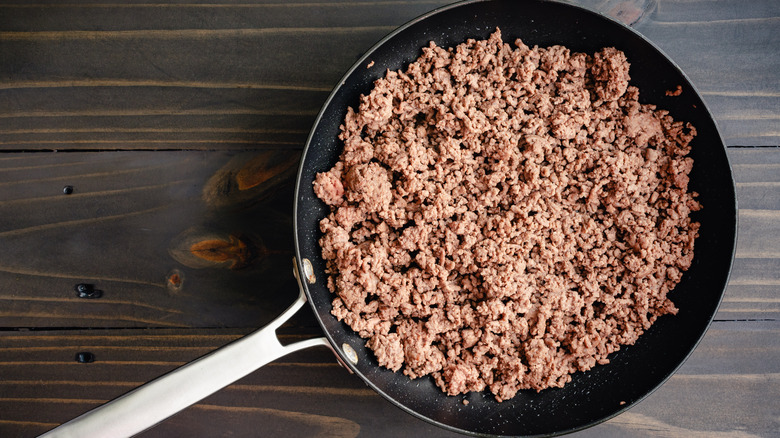
A meal can be made tasty through the alchemy of seasoning, but nothing beats relying on quality ingredients. When working with ground beef, for instance, a fresh, juicy bite that really delivers and doesn't hide behind a mountain of flavoring can be all you need. Chowhound enlisted the help of Ashley Lonsdale, chef-in-residence of ButcherBox, and Dagan Lynn, executive chef of "Beef. It's What's For Dinner," to figure out how to buy the best quality ground beef.
One way to give yourself assurance, according to Lonsdale, is to look out for ground burger that's grass-fed. "Great ground beef flavor is likely due to how the cattle were raised. Grass-fed ground beef is flavorful and beefy," she explained. Aside from the grass-fed label, Lynn suggested buying beef from butchers, but perhaps, not for the sole reason you think.
While you can check the label for signs of grass-fed meat, you can also check the meat itself for a deep red hue, along with a leaner serving. Terms like farm-raised and grain-finished can sound special but actually have no meaning, so look out for that, too. Lonsdale added, "I am always looking for 100% grass-fed ground beef, and regenerative whenever possible, which means the cattle was raised in the most sustainable and ethical way possible as measured by a certification." Regenerative grass-fed ground beef refers to how the meat is raised and processed. Specifically, regenerative farming focuses on not disrupting the ecosystem by using friendlier farming ethos.
Consider where you're buying meat
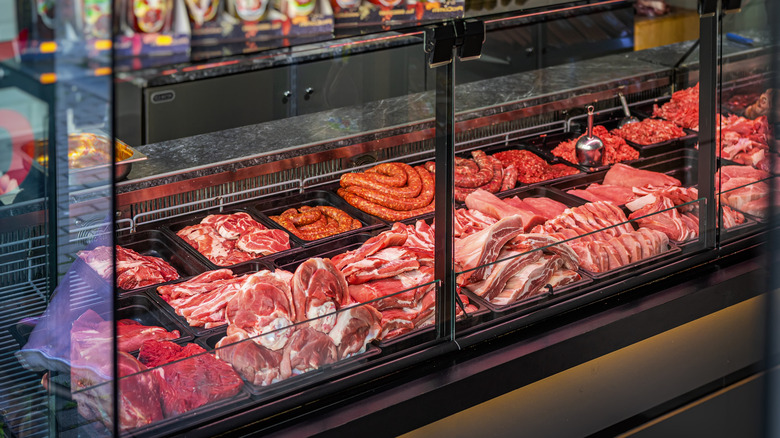
Modern-day convenience has provided us with plenty of avenues to buy meat, but it also means we have to worry about where we're getting it from. For instance, Costco is the best grocery chain for buying meat for its affordable pricing. However, when talking about choosing the freshest meat and buying the ideal grind, shopping at the grocery store might not always be the best place. "It's likely that grocery store ground beef has been sitting for a little longer than the butcher shop's because it's wrapped and labeled before purchase," Ashley Lonsdale explained, "but it depends entirely on the turnover at each retailer."
Another advantage to buying from butcher shops is so you can ask the butcher for more information about where the shop sources its meat. It's also a good option if you want a specific grind. "A butcher can grind the exact ground beef-to-fat ratio you're looking for. For example, grinding a chuck‑heavy 80/20 ratio can help burgers, meatballs, and meatloaves maintain shape, get great color, and stay juicy," Dagan Lynn advised. Overall, when grocery store and butcher shop meat are compared, one can be better than the other, but at times, it might solely depend on what you're ultimately looking for.
Get the right fat percentage
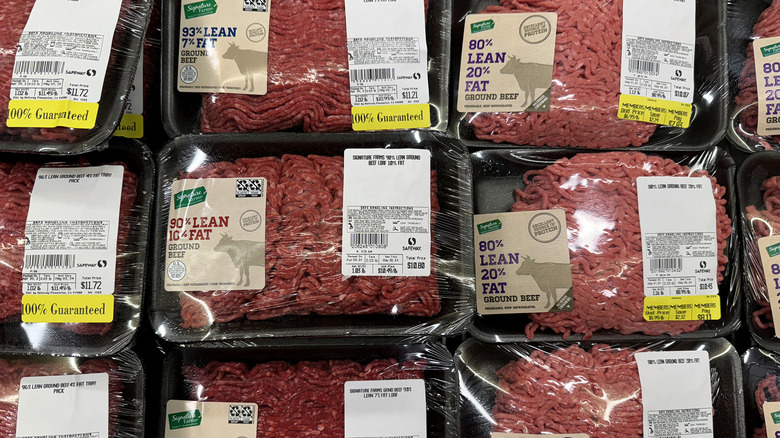
Quality isn't just about purchasing meat from the best sources out there. It also depends on what protein-to-fat ratio you have to follow based on what's for dinner, which is why sometimes a burger can taste too dry — it simply doesn't have enough fat. When looking for high-quality meat, getting the right fat ratio matters, as the percentage allows for either a juicier bite or firmer texture. Dagan Lynn explained, "Lean‑to‑fat ratios (for example, 80% lean, 93% lean, 95 to 96% lean) behave differently in the pan and are suitable for different recipes."
For instance, 70/30 is ideal for meat stuffing or if you want a juicy, plump burger, not to mention, it's more economical. Meanwhile, 90/10 is a bit drier, making it perfect for sauces and chili where there is an external sauce to add moisture to the meat. Ashley Lonsdale told us she prefers an 80/20 blend or above in order for other ingredients, like tortillas, to soak up the flavorful beef fat. This is also the perfect ratio if you want a more solid mouthfeel, which makes it ideal for a good burger or meatball bite. Keeping in mind proper fat ratio percentages, depending on your dish, can help you choose the best ground beef at the grocery store or even at the butcher shop.
Buy frozen beef
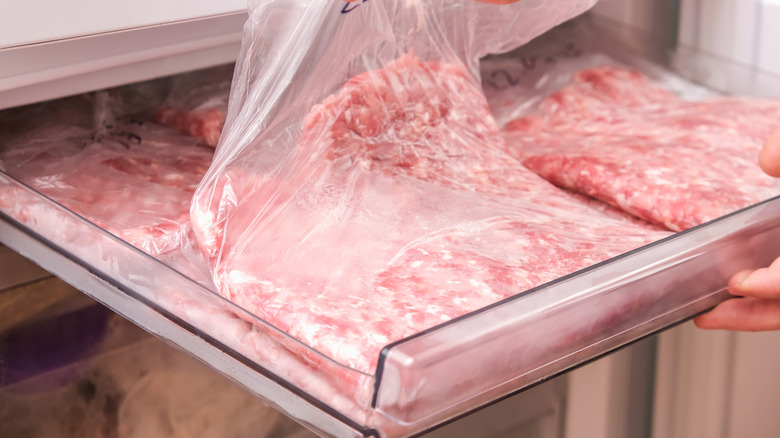
This might sound controversial, but you don't actually have to stick to fresh, never-frozen meat if you're worried about freshness and quality. "An easy way to ensure freshness is to buy frozen ground beef from a responsible supplier, as the meat is usually flash-frozen just after processing," Ashley Lonsdale explained. Here's the secret behind frozen foods: Sometimes, they're a better option. For instance, never-frozen meat requires a stricter handling process, as the quality can be compromised depending on conditions. The consumer also has to shoulder the responsibility after purchasing, including storing it in the fridge with a temperature between 32 and 40 degrees Fahrenheit. Additionally, you have to consume it within five days, tops, to avoid any risk of spoilage.
Frozen meat can be left in the freezer for a longer time — around three to four months. If it's flash frozen — which means it's frozen as soon as it's processed — time is literally frozen, too, as you get to enjoy the meat as if it was just harvested. The nutrients are also retained when freezing, so you might consider frozen better than fresh. The next time you find yourself shopping for the best quality ground beef, you can stick to following the labels, but also consider these other factors, which can make a world of a difference in how your dish comes out.