

10 Foods From The Bahamas You Should Try At Least Once
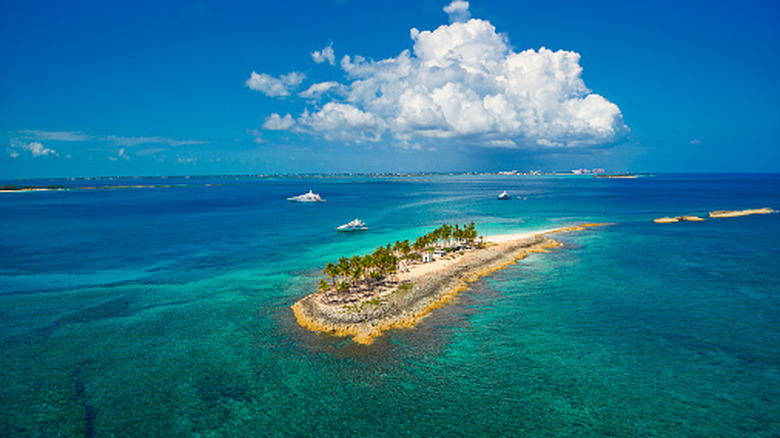
Most people associate the Bahamas with turquoise waters, white sand beaches, and tourists ... tons and tons of tourists. But what many people don't recognize is that the island nation, which comprises 700 coral islands set in the Atlantic Ocean, is more than just a vacation destination; it's rich in its own regional culture, music, and, of course, cuisine.
Much of the Bahamas' culinary tradition is informed by its location near (but not in) the Caribbean, proximity to other island nations, and colonial legacy (which included 325 years under British control prior to its independence in 1973). As a result of this complex and multilayered history, its cuisine is a mosaic of tropical ingredients and International cooking styles. To get a handle on the Bahamian dishes most worth trying, and to highlight those that tourists may not get to experience unless they take a deeper dive, we spoke to two Bahamian food experts: television host Anastarcia Palacious and Tevin Kemp, Guest Experience Chef at Baha Mar.
1. Chicken in the bag
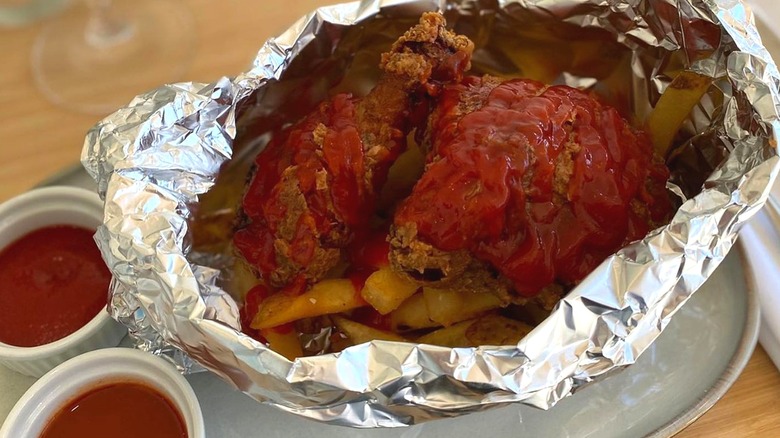
Every country has its favorite greasy comfort food, and in the Bahamas, it's chicken in the bag. "Chicken in the bag is a true Bahamian fast-food classic," says television host Anastarcia Palacious. "It is typically a fried chicken breast or thigh, [deep-fried], served with fries and a homemade coconut roll." She explains that the dish got its name because it was originally wrapped in foil and placed in a brown paper bag, which would sop up the grease. She describes it as "simple, messy, and deeply nostalgic."
Chicken in the bag is a street food in the Bahamas, and it behooves you to try it at one of the islands' infamous chicken shacks. The dish is widely accessible across the islands, and the best way to eat it depends on who you ask. Some people will smother it in hot sauce and ketchup, while other folks will enjoy it with mayo, onions, and deep-fried conch — another favorite on the islands.
2. Fried fish dinner
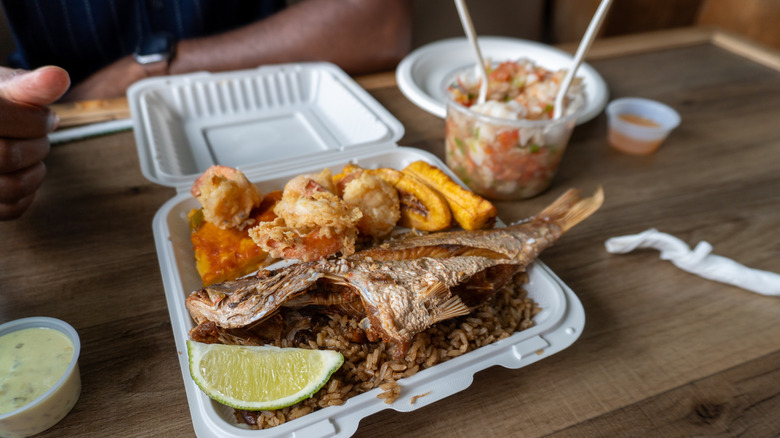
Everyone's version of Sunday dinner looks different. If you live in an Italian-American family, you're probably no stranger to a good Sunday sauce topping chicken or eggplant Parmesan, and Southerners couldn't imagine a Sunday dinner without hearty fried chicken or catfish, copious sides, and tasty Southern desserts like peach cobbler. The Bahamas also has its own version of Sunday dinner, per Anastarcia Palacious: fried fish, peas 'n rice, and baked macaroni.
"This is a very typical Bahamian Sunday meal, and yes, it is very carb-forward," she says, noting that snapper is usually what's on the menu. It's prepared simply — with salt and goat pepper (a very spicy pepper originating in the Bahamas) — and floured and pan-fried in a cast-iron skillet. It's in good company with classic sides like macaroni, fried plantains, and peas 'n rice.
If you aren't a fan of fish, there's good news: Pork chops or chicken may be served in lieu of fish. However, Palacious explains that the side dishes are usually kept consistent. "Sunday is the day we count our blessings, not carbs," she says.
3. Boil fish
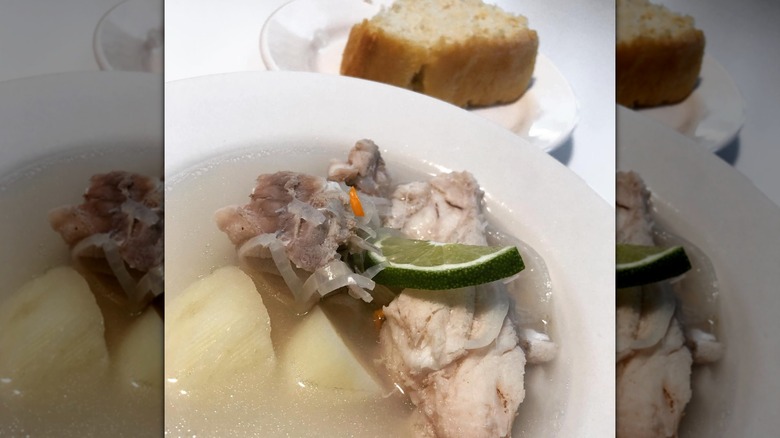
As an island nation, it shouldn't be surprising that fish appears time and time again in Bahamian cuisine. One of the most popular fish dishes on the island is the aptly named boil fish, which, as Anastarcia Palacious explains, is often served with yellow grits. "Grouper is simmered with onions, peppers, potatoes, lime, and seasoning to create a light, flavorful broth," she says. The Nassau grouper is a favorite for this dish because of its innate tenderness and sweetness, though some folks will swap it for mahi mahi, hogfish, or gray snapper when it's out of season.
Boil fish can be eaten at any time of day — breakfast, lunch, or dinner — and is especially popular in the islands during Christmastime. The dish, commonly referred to as just "boil," is believed to be a product of British culinary influence, as the Brits frequently stew fish in seasoned broths. However, Americans may have also contributed to the proliferation of the dish in the Bahamas. Southerners love their seafood boils, so it's possible that the recipe made its way to the Bahamas (or vice versa; it's hard to say). Of course, Bahamians had to add their own twist with ingredients like goat pepper.
The yellow grits are what make this meal, and Palacious makes a point that they are not to be confused with cornmeal. "The grits are smooth and creamy and soak up the broth beautifully," she says.
4. Souse
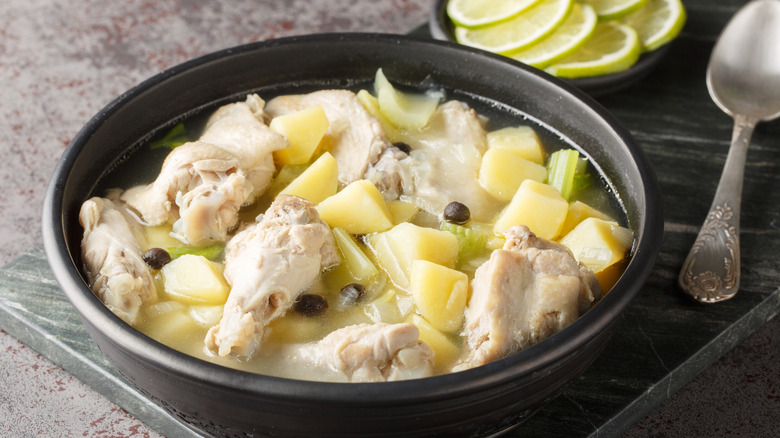
At first glance, it would be very easy to mix up souse (pronounced like "house") and boil fish — though that would be a big faux pas. "Souse is a boiled dish made with water, onions, potatoes, peppers, lime, and a meat of your choice," says Anastarcia Palacious. She lists a number of versions of this dish, including ones made with chicken, pig feet, sheep tongue, mutton or goat, or even leftover Christmas ham, and explains that it's often eaten with johnnycakes.
Besides this greater variety of ingredients that can be used, souse is different from boil fish in that it typically uses allspice and bay leaves for seasoning. The clear broth often gets a piquant hit from the goat or spicy peppers in it, making it the perfect sinus-clearing meal. The meat used for souse is usually pickled or boiled before being cooked, which is not the case for boil fish (which is, as you can probably guess, just boiled altogether). All in all, it's a sinus-clearing meal that's perfect for enjoying the morning after a late night out.
5. Johnnycakes
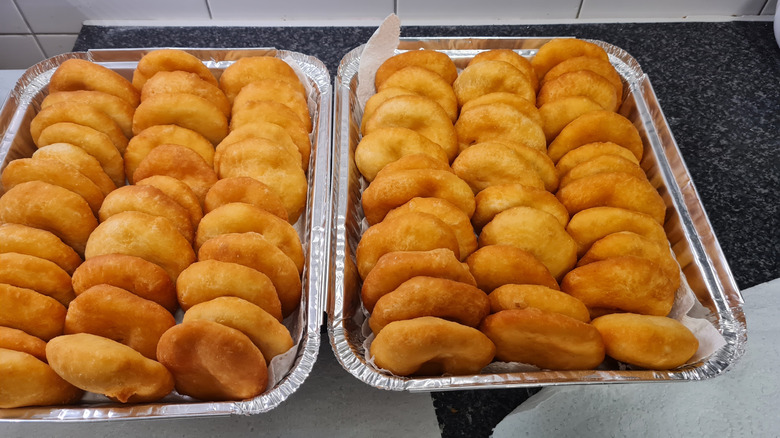
If you live in New England, more specifically Rhode Island, you may be familiar with johnnycakes — which resemble pancakes more than they do cornbread. The Bahamas also has its own version of these doughy delights, though if you have only experienced the New England version, you may be a bit shell-shocked by their cake-like texture. And, like all things that have moved through trans-Atlantic trade, their composition has been shaped and altered by necessity. It's believed that johnnycakes originated in North America but were brought to the islands with the arrival of enslaved populations. "Journey cake" was initially common because it traveled well and sustained the populations that ate it.
As Anastarcia Palacious explains, Bahamian johnnycakes may have cornmeal in them, but most recipes just use flour, alongside sugar, baking powder, salt, butter or shortening, and milk or evaporated milk. The ingredients are baked into a cake rather than fried in a skillet. Since it doesn't contain crumbly cornmeal, many folks liken its texture to a giant biscuit. You'll find it served alongside souse, where it's typically warm, buttered, and the perfect contrast to the flavorful broth.
6. Stew fish and peas 'n grits
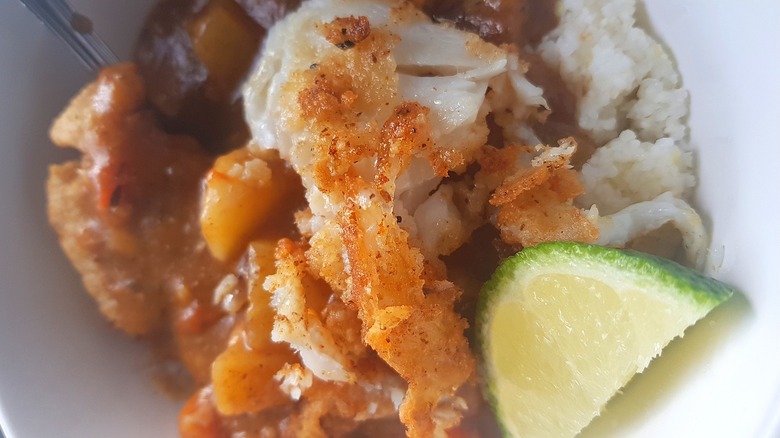
Bahamian cuisine is full of big flavors, and that's certainly the case when it comes to stew fish and peas 'n grits. The combination of these two dishes offers sustenance, wholesomeness, and a whole lot of nutrients. "Stew fish is fish steamed down in tomato paste with onions, peppers, thyme, and seasoning until rich and saucy," Anastarcia Palacious says. The most commonly used fish here is grouper, though other firm white fish, like snapper or mahi mahi, can also work. The thyme plays a central role in this recipe, as does the punchy seasoning blend of spicy chiles (goat pepper makes an appearance yet again), lime juice, and bay leaves.
The peas 'n grits get as much attention here as the main protein; they're usually made with either pigeon peas or split peas and grits — the latter of which is common in numerous Bahamian dishes. Peas 'n grits have their own significance as well, Palacious explains. They're often served in households on Good Friday — a widely celebrated holiday on the islands — though that's far from the only time you'll see it on the menu. "It is also cooked year-round in most grandmothers' kitchens," she says.
7. Guava duff
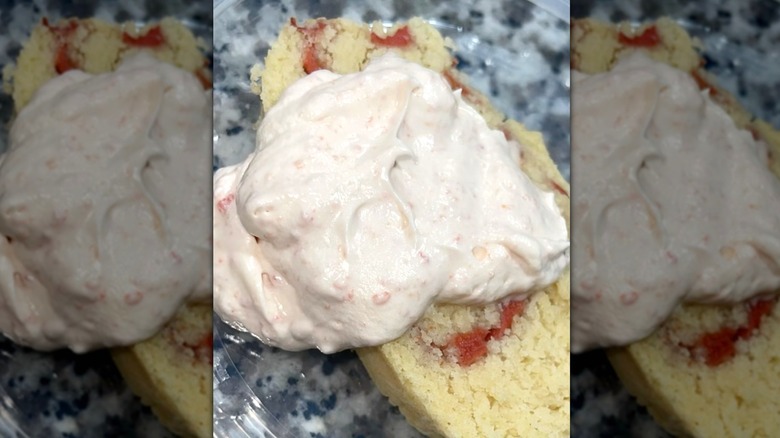
We would be remiss not to mention a dessert on our culinary tour of the Bahamas. "Guava duff is one of the few dishes that truly originated in the Bahamas," says Anastarcia Palacious, noting that the recipe was originally prepared in a pillowcase. She names off the ingredients: guava, flour, sugar, leavening agents, and spices like nutmeg and cinnamon, made into a log-shaped dough ("duff") that's boiled until soft and served with a delicious, buttery, and milky sauce. It is somewhat time-intensive to prepare, which is why some folks will reserve it for special occasions.
This recipe, which has been called "the dessert of the islands," undergoes some variations depending on who's making it. Some folks use guava puree over fresh guava, while others spike the sauce with rum or brandy. The boiled dessert has ties to the Bahamas' legacy of colonization; steamed puddings are popular in Britain (like spotted dick), so it makes sense that residents would adapt the cooking method to be inclusive of regional ingredients and a fruit native to the island.
8. Conch
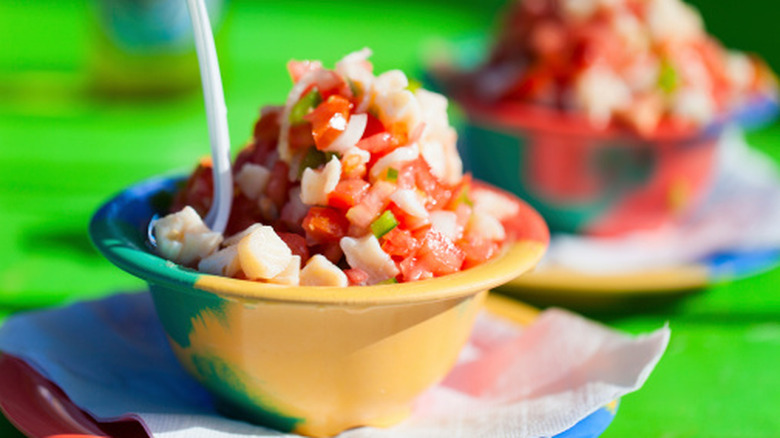
Only one food has quite the same prominence as grits in Bahamian cuisine: conch. "Conch is a true Bahamian staple and incredibly versatile," says Anastarcia Palacious. Conch itself is a mollusk; some folks have described the meat inside the strikingly shaped shell to be like a middle ground between squid and shrimp.
You'll find many different preparations of conch on the islands. Cracked conch, for example, is prepared by flouring and frying the conch meat (making a sort of calamari), while conch fritters are shaped into crispy balls and often served with a dipping sauce like spicy aioli.
Conch can also be prepared as a stew or as a salad made with bright and acidic ingredients like onions, green peppers, tomatoes, sour orange, and lime. Palacious explains that there are regional preparations for conch salad, with some folks adding mango or pineapple to their recipe. On Grand Bahama and Abaco, don't be surprised to see conch salad get a creamy twist with a little help from mayonnaise, creating what Palacious calls a "crab-salad-like texture." "However you prepare it, conch is Bahamian," she says.
9. Tuna and grits
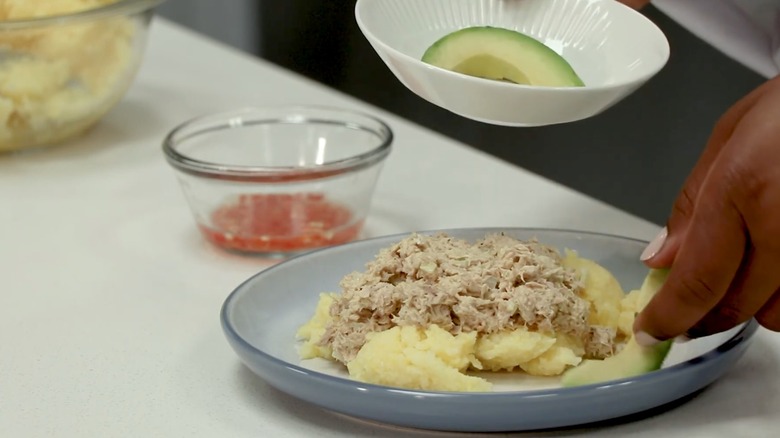
Tuna is a food that many of us in the U.S. are familiar with, but the Bahamas puts its own spin on the protein, per Tevin Kemp, guest experience chef at Baha Mar. Kemp explains that Bahamians pair tuna with grits and avocado (called "pear") and eat it for breakfast. The tuna itself is similar to the tuna salad we see in delis and on lunch menus, with some obvious flavor modifications. According to Kemp, the tuna is often seasoned with a bit of mayonnaise, onions, sweet peppers, and goat pepper. "It's simple, comforting, and deeply rooted in Bahamian homes and breakfast culture," he says.
For Kemp, tuna and grits is a deeply personal and nostalgic dish. "Some of my earliest memories are waking up to the sound of onions being chopped in the kitchen, while my grandmother, my father, or another family member prepared breakfast early in the morning," he says, noting that even when he went out to breakfast at a local restaurant with his siblings, it was his go-to order.
He also offered some of his recommendations for how to zhuzh it up. He explains that every breakfast joint on the islands will have its own rendition of it, but he personally prefers to add tomato gravy to his plate. "That rich, savory gravy, often served with other local proteins, paired perfectly with the tuna and made the dish even more comforting," he says, also noting that herbs and peppers can be included, and the grits can be made crispier to switch up their texture.
10. Gully wash
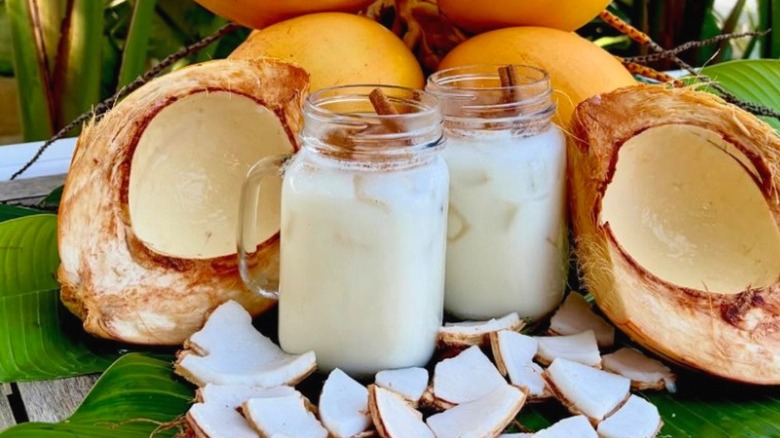
Since the Bahamas are set in the turquoise waters of the Caribbean, we would be remiss not to mention a beach-friendly sipper that is loved by Bahamians far and wide: gully wash. This tropical drink gets its flavor from a variety of island ingredients, including coconut water, condensed milk, gin, and a sprinkle of cinnamon. The drink, also called "sky water," is, as Anastarcia Palacious would say, "refreshing, strong, and unmistakably Bahamian."
Some Bahamians prefer to let their gully wash sit for several days before drinking it, which is believed to make it even stronger. London gin is the usual choice, though some folks will also add dark rum to their recipe (when in the Caribbean ...). However, you really shouldn't sleep on the gin here, as the floral flavors of the juniper berries mesh with the refreshing coconut water for a drink that is best enjoyed on island time.