

Chain Restaurants Use This Sneaky Strategy To Keep Customers Coming Back
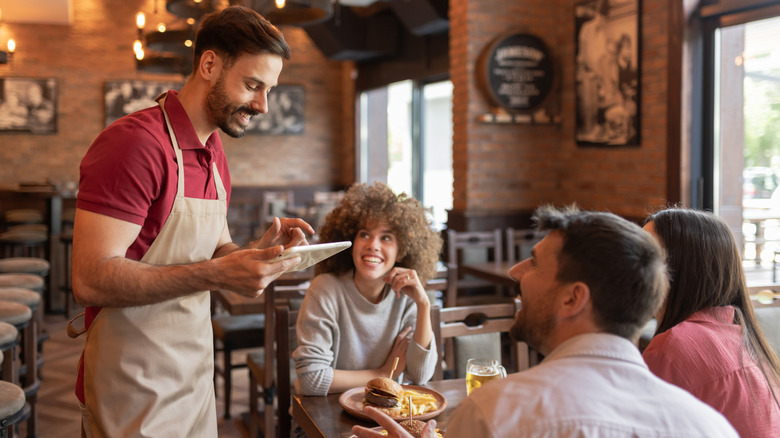
It seems like we constantly hear the phrase "here for a limited time only" in restaurant advertising, doesn't it? It turns out that limited-time offerings — known in the restaurant industry as "LTOs" — are a specific marketing tactic designed to both get customers through the doors and keep them coming back for more. Restaurant marketing research shows that 74% of diners are on the lookout for new menu items, including limited time offers. In 2025, limited time restaurant offerings increased by 19% compared to 2024, according to Restaurant Business. Once customers find a limited time menu item that they love, it's tough to stop coming back for more — especially if they aren't sure how long they'll be able to enjoy their new favorite, or if it'll ever be on the menu again.
Tons of restaurants offer limited time menu items, and in some cases, full limited time menus to entice customers to make their way in sooner rather than later. Some fast food limited time menu items have left customers hungry for more, including the Pretzel Cheddar Club sandwich at Chick-fil-A and Shake Shack's fried pickles. Fast food restaurants aren't the only chains that get in on the LTO game, however. Sit-down restaurants like Cracker Barrel often offer holiday-season-only dishes like country fried turkey and cinnamon swirl French toast. Applebee's also frequently offers limited-time-only items, and sometimes doesn't include an end date for the deal, encouraging diners to act quickly. Seasonal coffee offerings (think about the hype that precedes pumpkin spice season, with customers lining up for lattes and creating secret pumpkin spice menu items) are another example of how LTOs light a fire under customers and keep them coming back until the promotion ends.
Why creating a fear of missing out is an effective customer retention strategy
Limited time offerings have an interesting and multi-faceted effect on consumer psychology. A fear of missing out — commonly referred to as "FOMO" — can drive diners to try out a restaurant or menu item they might not be interested in otherwise. The sense of urgency associated with a limited time offer goes back to our prehistoric era. When we feel like something is in short supply, we're more driven to go after it. Reintroducing certain discontinued fast food items for a limited time (like the Arby's fried mac 'n cheese bites — if you know you know) can enhance this effect. Diners are hit with a combination of nostalgia and urgency, which can make returning to load up on limited time items frequently even more appealing.
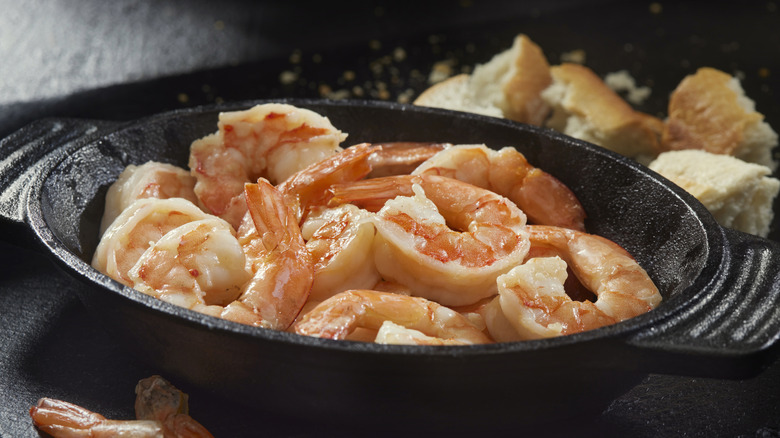
Scarcity makes menu items more enticing, and can make customers feel like they're getting something special that most people won't get the chance to try. When something isn't always available, it can seem more important or valuable than it actually is, helping restaurants drive customers through the door to snag a limited time menu item. But while offering limited time menu items can certainly boost business, doing so isn't always the most profitable option for restaurants. It's key to weigh cost and benefits carefully — a lesson that Red Lobster learned the hard way. The chain offered an over-the-top endless shrimp promotion which may have contributed to its eventual bankruptcy filing, proving that even a solid FOMO-based marketing campaign has its limits.