

Are Lima Beans And Butter Beans The Same Thing?
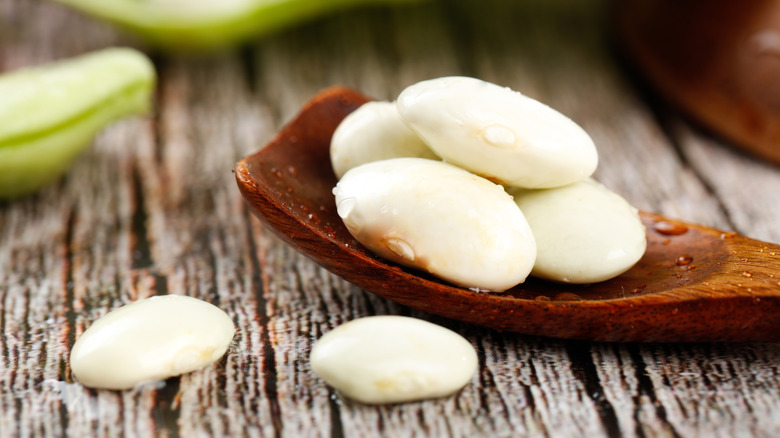
Eating more beans is an excellent way to incorporate more plant-based protein sources into your diet. When exploring the diversity that beans have to offer, the chances are that you will come across the names "lima beans" and "butter beans," both of which look very much alike. So, that begs the question: what is the difference between the two beans, if any? Turns out that it all comes down to regional differences in naming conventions. Otherwise, both lima beans and butter beans are one and the same. The name "lima beans" reportedly comes from the beans' origins in Lima, Peru, dating back as far as the 1500s. "Butter beans," however, is the usual nomenclature in the United Kingdom and in regions of the Southern United States, likely due to the buttery texture of the mature beans when cooked.
At times, when you're shopping for beans in grocery stores, it's not uncommon to find cans labeled with either name, and whichever one you reach for, your meals are guaranteed to get a much-needed fiber boost. This is vital, given that the majority of Americans fail to meet the daily recommended intake of fiber. You can find these beans in two different sizes, and the one you choose depends on the recipe you're making and your preference. Baby lima beans, as the name indicates, are smaller, while what is known as Fordhook lima beans are larger in size, have more starch, and offer a bolder flavor. These flat, kidney-shaped legumes can shine in a number of dishes, be it a traditional serving of Southern comfort food or innovative takes on globally inspired cuisine.
Ways to prepare and serve lima/butter beans
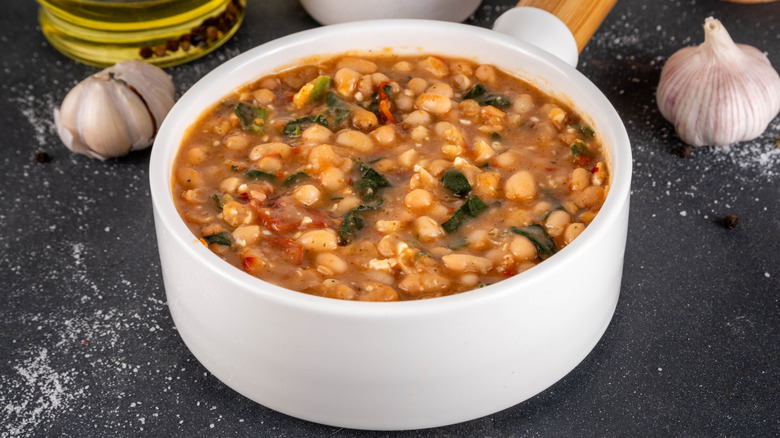
These buttery beans are incredibly versatile, rendering themselves beautifully for diverse culinary creations. From an Italian-style butter bean dish to a creamy coconut-based curry and beyond, let these multi-faceted legumes be your gateway into hearty and delicious plant-forward meals. You can even make an ultra-creamy serving of butter beans without any dairy. Simply blending or mashing them towards the end of the cooking process helps release the starches and thickens up the mixture into a luxurious texture. You can put this hack into play when you're seeking a flavorful serving of creamy tomato beans that pairs perfectly with toasted bread for the ultimate scoop-and-savor situation.
These beans can also take the center stage in a protein-packed, fiber-rich take on a classic cacio e pepe. On that note, you can even easily recreate a bean-based version of viral recipes or the umpteen number of brothy bean recipes circulating the internet. If you want to amp up the creaminess of your homemade hummus, perhaps work with butter beans instead of chickpeas, and taste the buttery difference. Ultimately, whether you call them "butter beans" or "lima beans," these legumes meld seamlessly into pretty much any regional cuisine, making them a solid canvas for endless, delectable eats.