

For The Hands-Down Best Pie Crust, Use This Tried-And-True Method
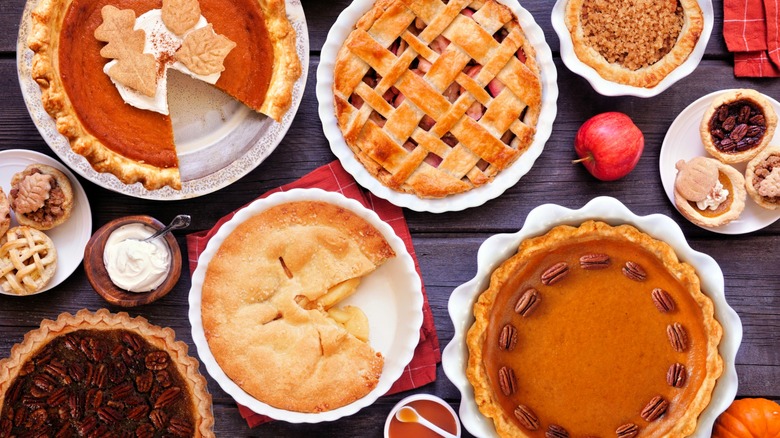
If you're like many bakers, you've spent years learning the expert-recommended tips for making pie dough, which usually involves a tender, flaky pie crust baked to delicate perfection. But when you want a hearty crust to hold up to savory meats, tender vegetables, and dense and creamy fillings, like comfort food classics such as chicken, mushroom, and winter squash pot pie and Ree Drummond's turmeric-spiked chicken pot pie, it's time to employ a trick that dates back centuries to Britain in the 17th century — melting your fat in hot water.
The hot water pie crust method takes quite a turn from the typical dessert pie crust, which does best when all the ingredients are nice and chilled, giving you a rather impressive crust that's sturdy enough to handle any fillings while remaining tender and delicious. In other words, it gives you the best of both worlds, resulting in a crust that may quickly become your go-to for any type of pie.
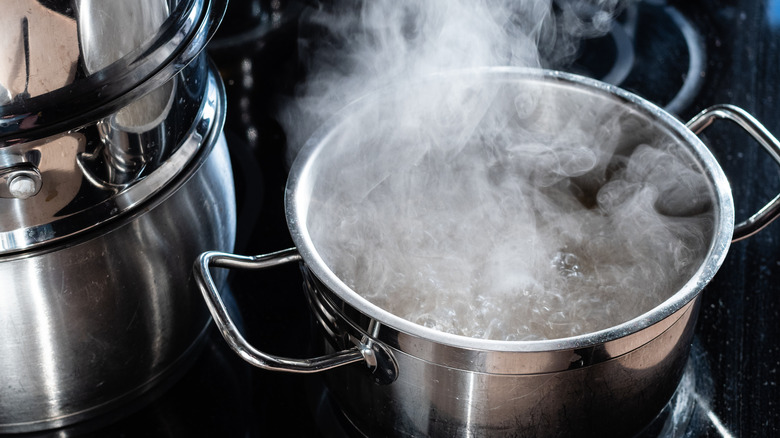
The process is simple. Heat water, melt your chosen fat in the hot water, and then pour it into the flour. By mixing hot water with flour, you are pre-gelatinizing the starches, essentially preparing the flour to absorb more water, resulting in a soft, moist dough that's sturdy and easy to work with. It's similar in principle to using tangzhong, a traditional Chinese technique that yields the fluffiest bread (similar to the Japanese technique, yudane).
Hot water makes crust surprisingly durable
One of the pie crust mistakes to avoid when using traditional cold ingredients is overworking the dough, but you don't have to worry about that with a hot water pie crust. The pre-gelatinization process makes the dough smooth and pliable, resulting in a forgiving dough that's less likely to crack and break apart. Although if it does, you can simply patch it and keep going. In other words, work it all you want!
Another pitfall of traditional crust is all the back and forth you might have to do from workspace to fridge to keep the fat in your dough extra chilly. With a hot water crust, there's no need to worry about this issue. In fact, you may not want to use butter since lard or shortening works really well with a hot water crust. These fats give you an incredibly crispy (and conveniently dairy-free) crust.
Hot water crusts don't just turn out sturdy enough to hold up to hefty meat and vegetable fillings, but they can also stand on their own — literally. This lets you bake your pie in a deep pie pan or even a springform pan and remove it so the beauty of the actual pie — not the pie plate — can be the awe-inspiring focal point of your dinner table.