

The Giant Japanese Supermarket Chain Known For Its Food Court And Specialty Groceries
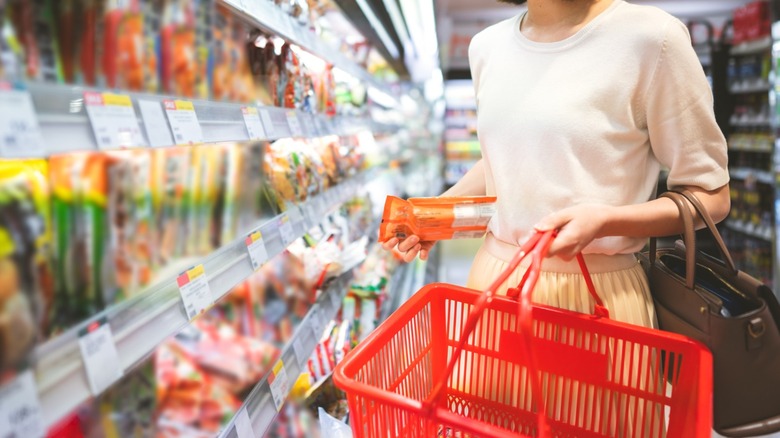
Mitsuwa Japanese Supermarket isn't just somewhere you pop in to grab soy sauce and head home. For many shoppers, it's a whole event. With locations across a handful of U.S. states, including California, Texas, and Illinois, the chain is known for combining a full-scale Japanese grocery store with a food court that draws lines well beyond lunchtime. Inside the store, you'll find shelves stocked with Japanese pantry staples, such as several miso varieties, regional soy sauces, curry roux, and rice brands you don't normally find in typical American supermarkets. Fresh sections often include sushi-grade fish, bento, mochi, fresh bread baked on-site, and even everyday items like instant noodles or bottled tea are presented with far more choice than you'd expect.
The way Mitsuwa mirrors everyday food culture in Japan is part of the appeal, especially with convenience-driven products you may find at a Japanese 7-Eleven (which is different from its American version). It's more of a marketplace experience rather than just another grocery store. You can find snacks along with fresh, high-quality vegetables and meat. For anyone curious about Japanese cooking and food trends, Mitsuwa offers a version of that experience without needing an expensive plane ticket to get it.
Why Mitsuwa stands out among international grocery chains
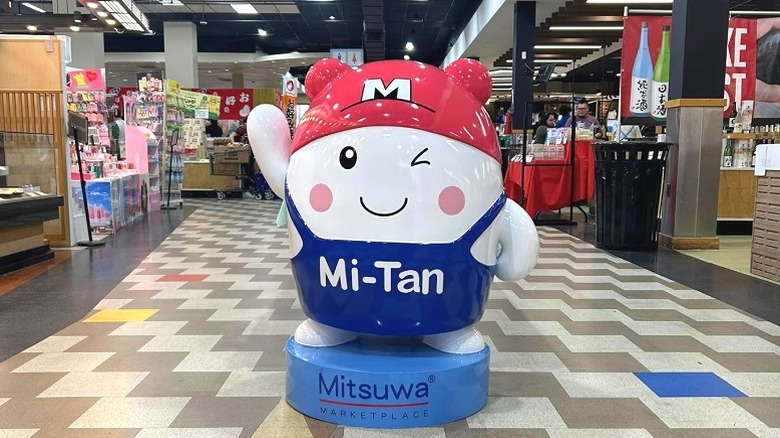
Mitsuwa sets itself apart from large chain stores with its food court, serving items we can only dream Costco would add to its menu. Depending on the location, you might find ramen stalls or stalls with traditional Japanese desserts alongside ice cream, donuts, macaroons, and boba tea that you can enjoy after shopping. Or you can come just to eat and then wander the aisles after you've had your fill.
There are several Japanese groceries to shop for at H Mart and similar pan-Asian grocery stores, but Mitsuwa is special for its specific focus on Japanese products, brands, and culture. Because of this, it attracts anyone from Japanese expats looking for familiar ingredients to non-Japanese customers who discovered it through the food court or social media hype. And while prices can be higher than mainstream supermarkets (because many of the items are imported), it's a fair trade for the authentic and fun experience it provides.