

5 Unexpected Mixers For Prosecco That Just Work

Prosecco provides a refreshing alternative to some of the more harsh alcoholic beverages. Its bright and zesty punch makes it an interesting addition to brunch spreads, and it's basically a party in a cup — or, more fittingly, a flute. Since it's so delicious, folks don't mind drinking it on its own. The laid-back enjoyment that it provides is hard to beat, but fortunately, there are many different ways to indulge in its fruity essence, especially by pairing it with creative mixers. We're talking far beyond Emma D'Arcy's famed combination — negroni sbagliato with Prosecco in it — but more like something that might raise a few eyebrows yet still works. And perhaps, the more brows raised, the better.
Those with adventurous palates might be more than willing to take on these unexpected mixers, while others might hesitate — and we get it. However, we'll explain why these combinations work well, so you don't completely turn away from the daring possibilities that lie ahead. From the tart kick of apple cider to an invigorating burst of espresso, you might just find your new go-to drink by the end of this.
Grapefruit soju
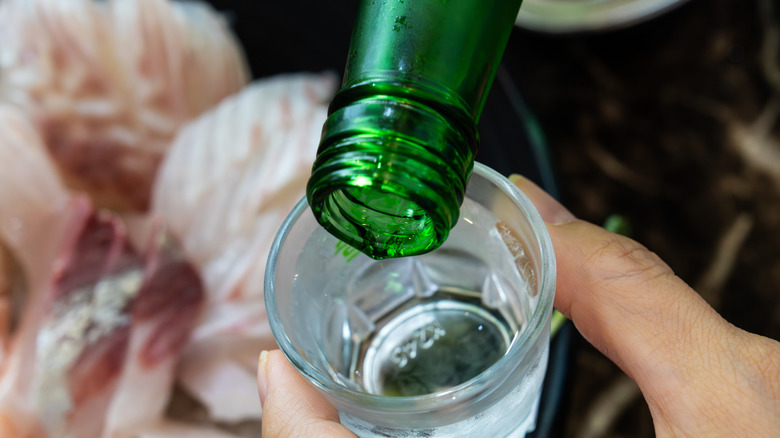
If you haven't had a sip of the famous Korean booze that's the star of the show in any K-BBQ meal, post-breakup scenes in K-dramas, and intricate drinking games, soju tastes like a delicate and clean liquor. That said, the green bottle comes in different fruity iterations, too, making it easier to drink for those who need a sweeter, more palatable swig. Grapefruit soju, in particular, introduces a complexly bitter element to Prosecco — one that's slightly sweet with a nice, tart finale. Since soju can taste bitter, Prosecco cuts through it with its sweetness, creating a more easy-to-enjoy drink. The unexpected factor of the pairing comes mostly from their texture; grapefruit soju is smooth, while Prosecco is fizzy.
A bit like a French 75, this combination also includes lemon, which makes any cocktail taste more balanced and bright. Typically, you'd want there to be more Prosecco in your cup. A great balance would entail roughly 70% Prosecco, 30% soju, along with half a lemon that's freshly squeezed. A lemon concentrate can work as well. Don't feel too restrained to stick to this ratio, though, as you can play around and see how you would best enjoy it.
Apple cider
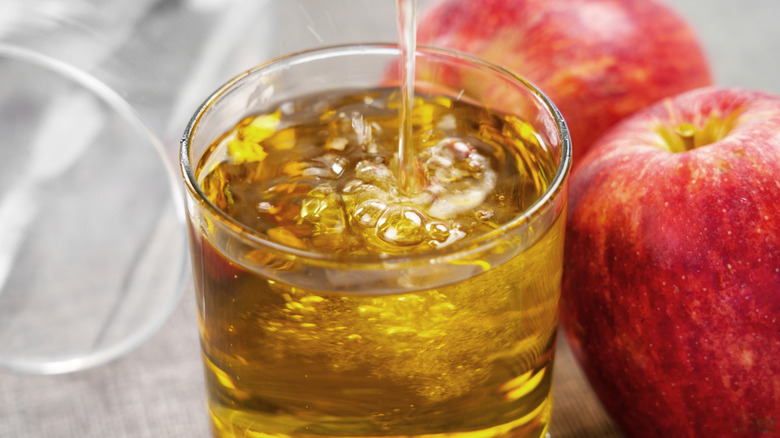
On its own, apple cider tastes sharp and tangy, and it can be an acquired taste. Some people drink it on its own due to its many alleged health benefits, while others add it to their meals, sometimes as a marinade or salad dressing. With Prosecco and its polished notes and apple cider with its rustic taste, the two ingredients seem like worlds apart. However, there are tons of expert-approved tips for mixing alcohol with apple cider, so blending it into a glass with a boozy beverage won't make it too out of place — apple cider is more versatile than it sounds. And with the help of Aperol's spunkiness and soda water's sweet fizziness, two opposite worlds can feel serendipitous.
You'll want to pour equal parts apple cider and Prosecco with a splash of Aperol and soda water to create this unexpected drink. The result is a refreshing cup with pleasant bitterness that's more palatable. Whether you're welcoming the first week of fall or looking for a comforting sip at any other time of the year, apple cider with Prosecco might just prove to be the perfect companion.
Espresso
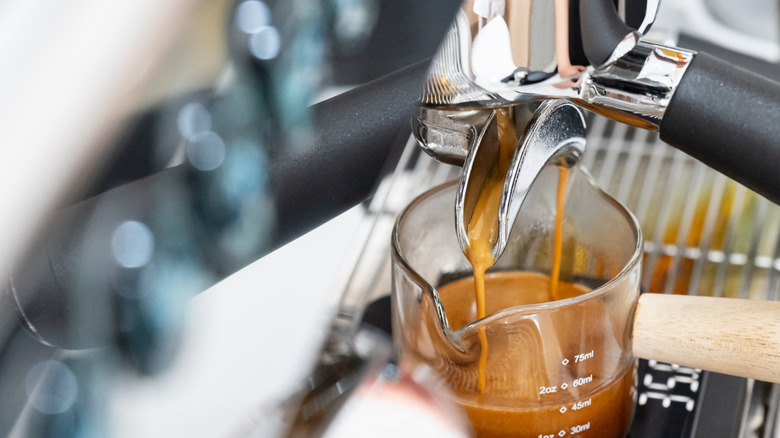
Combining espresso and alcohol isn't a new concept. There's the espresso martini of course, though there also a ton of other popular coffee cocktails that prove the combination works. But still, Prosecco remains an underrated liquor to add to your coffee, as opposed to say whiskey and brandy. We know what you're thinking — how could espresso's bitter and roasted notes pair well with Prosecco's bright and acidic character? But that's the thing, when combined, Prosecco's acidity balances out the espresso's bitterness, which creates a more neutral finish. Plus, two contrasting flavors don't always end up a disaster; sometimes they create more depth and complexity, which guarantees an interesting sip.
To create a flavor bridge, you can add coffee-infused spirits like Kahlúa or coffee amaro to the drink. And for easier Prosecco-and-espresso pairing, you can hunt for espresso with fruity notes. The best part about unexpected pairings is how they welcome going toward the more adventurous route. Amp it up a bit further by blending in sweet and fruity ingredients to cut through the bitterness, like pineapple juice and vanilla syrup or honey.
Balsamic vinegar
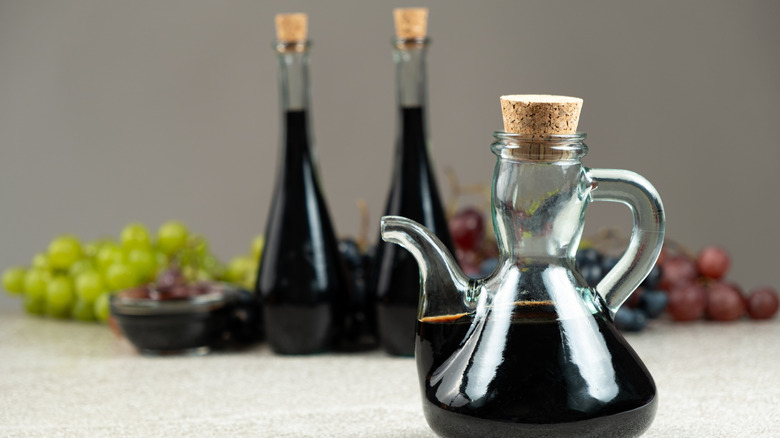
Balsamic vinegar can be expensive, and if you have one just sitting in your kitchen cabinet unused, now's the perfect time to dust it off. On its own, the ingredient is already complex, which is why it complements neutral-tasting dishes quite well. For instance, it's quite delicious when served with olive oil for dipping bread. Some meaty creations are seen with balsamic vinegar, too, using it to create a saucy drizzle that adds a full-bodied flavor. But does a crisp drink like Prosecco need complexity when it's already perfectly fruity and refreshing? If you're looking for something exciting and intriguing, then the answer is definitely yes.
Together, the balsamic vinegar and Prosecco combination tastes like a pleasant contradiction; it's bright and sophisticated, sweet and sour, refined and playful, and even rich and refreshing. You want to add only a tablespoon or two of balsamic vinegar, though, and trickle in small increments if you feel like it needs more depth. For a sweeter touch, you can introduce a dash of strawberry syrup from your at-home coffee bar to really tie it all together.
Earl Grey
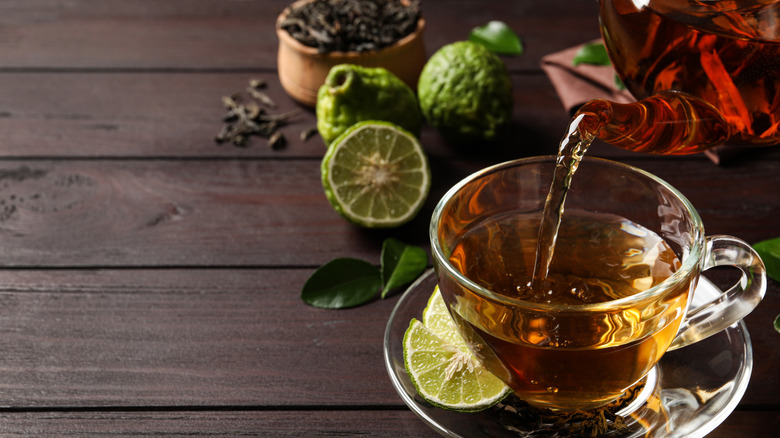
Earl Grey and Prosecco sound like arch-nemeses from the get-go — and perhaps, there's some truth to that. The tea's flavor is bold, which can overpower the sparkling wine's delicate element. But it also has citrus and floral notes of bergamot, and they pair well with the fruity tones of Prosecco.
Since we're looking for mixers that work, something that results in a balanced finish is preferred. By adding sweetener, you can definitely tame the bitterness of Earl Grey. You can go with your sweetener of choice, or choose among honey, sugar, and maple syrup. If you want a smoother texture, making an Earl Grey syrup by steeping the loose leaf tea in the hot sugar-water mixture for a few minutes can work before you even transfer it to the flute. And in true cocktail fashion, you can further elevate the flavors by adding orange juice to tie the whole drink together.
The result is a dynamic drink, with carry-over aromatic and crisp undertones. With the orange juice addition, it's also citrus-forward, which ultimately creates a more palatable outcome that feels balanced and bright, without being overwhelming.