

Wild-Caught Or Farm-Raised Fish: Does It Make A Difference Which One You Buy?
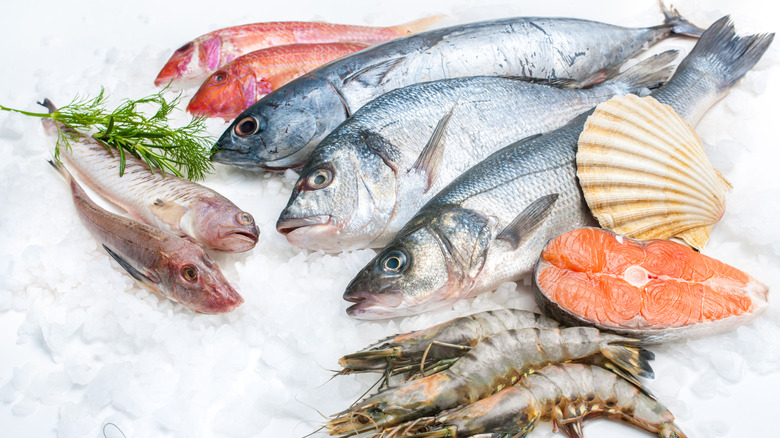
If you're buying fish, the choices can be daunting — and not just because of the many different varieties available or the difficulties of figuring out how to choose the freshest fish. Another question to ask yourself is should you buy farm-raised or wild-caught? There are pros and cons to both, so how do you choose? To help make your decision, we've reviewed the many aspects you need to take into consideration when deciding between the two.
Farm-raised fish, meaning fish that is raised in a controlled environment, are a product of a practice known as aquaculture. They can be a perfectly good choice, as long as you know what you are looking for when you shop. In fact, more than 50% of the world's seafood supply is farm-raised. Wild-caught fish are harvested from open bodies of water, such as seas, lakes, or rivers, where the fish live in their natural habitat and survive and reproduce without the assistance of humans. In some ways, it is difficult to replicate the quality of fish that live in the wild, but there are still plenty of reasons to favor fish raised in hatcheries. Aside from these broader differences, your choice between the two comes down to nutritional value, flavor, price, and sustainability.
Nutritional value is a big factor for fish lovers
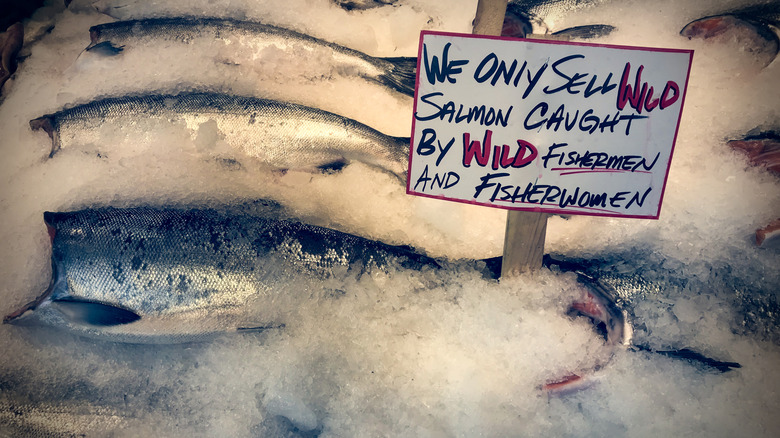
The nutritional value of fish is not a secret. Fish is packed with vitamins and nutrients, but the environment a fish lives in has an impact on its nutritional value. Wild-caught fish have a more active lifestyle (with limitless room to roam) and enjoy a natural, healthy diet, which makes them highly nutritious. That means high-quality proteins containing essential amino acids that are easily absorbed by your body, and you don't have to worry about the fish containing antibiotics.
Farm-raised fish eat a carefully controlled diet that is designed to boost the omega-3 fatty acids in the fish so that it is comparable with that of wild-caught fish. Farm-raised salmon, for instance, has the same amount of protein (22 grams) as wild-caught salmon, but actually has slightly higher levels of omega-3 fatty acids (2.1 grams compared to 2 grams). The downside, however, is that the fat content and calories of farm-raised salmon tend to be slightly higher than their wild counterparts, partly as a result of the limited exercise they get.
Flavor is a driving force
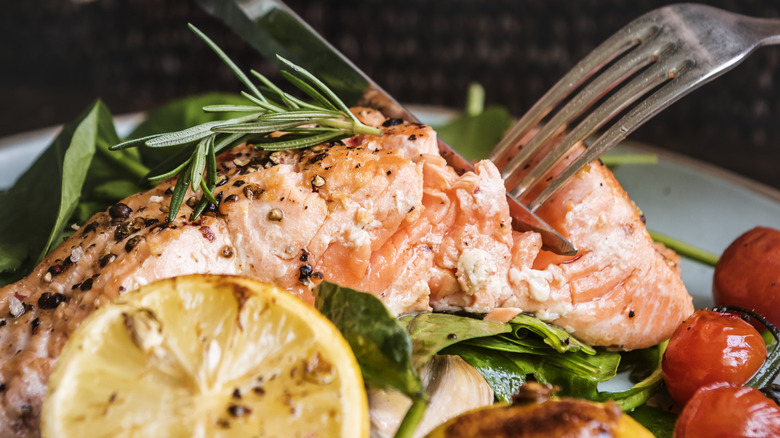
While some differences between wild and farm-raised fish, such as nutritional value, might be negligible, one determining factor in your decision should be flavor. Wild-caught fish has a reputation for having stronger flavor and firmer texture as a result of its varied diet and highly active lifestyle.
Farm-raised fish, on the other hand, receive carefully controlled diets that may guarantee their nutritional value, but lack the variety of what fish would eat in the wild. As a result, they tend to have a milder flavor that is often considered buttery as a result of the higher fat content these fish are known for. If you want to serve fish that has the same reliable flavor every time, however, farm-raised fish might be a better choice since the diets farmed fish are given don't vary much.
Consumers are concerned about sustainability
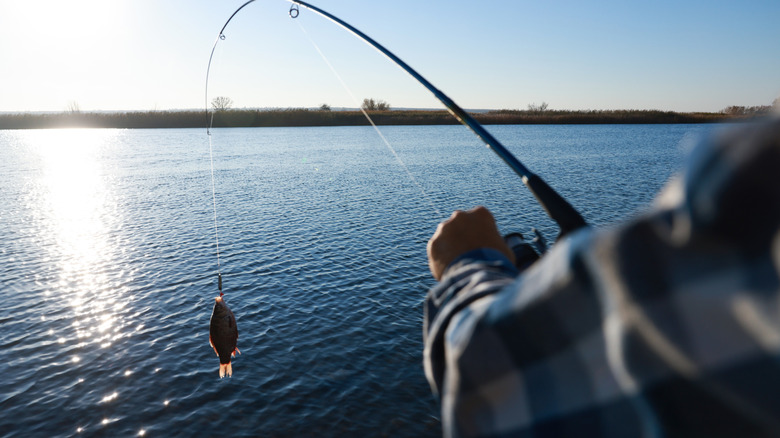
Sustainability is a deciding factor for a lot of fish lovers. With popular grocery chains stocking their shelves with sustainably sourced fish, it's getting easier and easier to buy seafood responsibly. When it comes to sustainable seafood, we're talking about seafood caught or produced in ways that promote the long-term well-being of the species, as well as reducing any harmful effects on the environment and promoting a sustainable lifestyle for those who work in the industry. However, there is still a debate about whether one type of fish is more sustainable than the other.
Harvesting fish from the wild can be sustainable, depending on the practices used by the fishermen. Florida's delicious stone crabs are an excellent example of sustainably harvested fishing that doesn't utilize fish hatcheries. By following local regulations, including catch limits and only fishing for certain species at certain times, fisherman can ensure that a species isn't over-fished to extinction. The problem is proving these practices are being followed is difficult, especially for the consumer. Farming fish solves the problem of overfishing by design. Farming directly manages species populations and ensures a continual replenishment of supplies, letting natural supplies flourish on their own in the process.
Environmental concerns are directly tied to sustainability
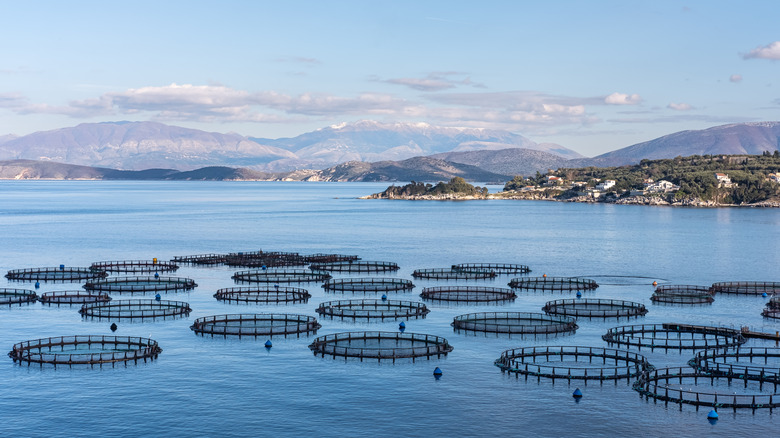
When it comes to sustainability, the protection of marine species isn't the only issue. There is also a significant impact on the environment to be considered. With wild fishing, there are not only the carbon emissions from commercial fishing vessels to be concerned about, but also the waste generated and the harm to the marine ecosystem and other marine life caused by fishing gear, such as torn or lost fishing nets or traps. In contrast, aquafarms require a lot of resources to build and operate, creating carbon emissions in the process. In recent years, however, there have been advancements in technologies that help create more efficient aquaculture practices that result in lower CO2 emissions.
When it comes to sustainability and environmental impact, the key is to shop responsibly. There are some certifications that you can look for, but they are not universal or consistent, and difficult for authorities to regulate and monitor. A great way to do your due diligence is to ask your retailer, who can tell you if the fish was sustainably sourced and where it was sourced from. You can also check with sources such as NOAA Fish Watch, a government organization that helps monitor species known for being overfished and involved in environmental concerns related to their harvesting.
There is a difference in price
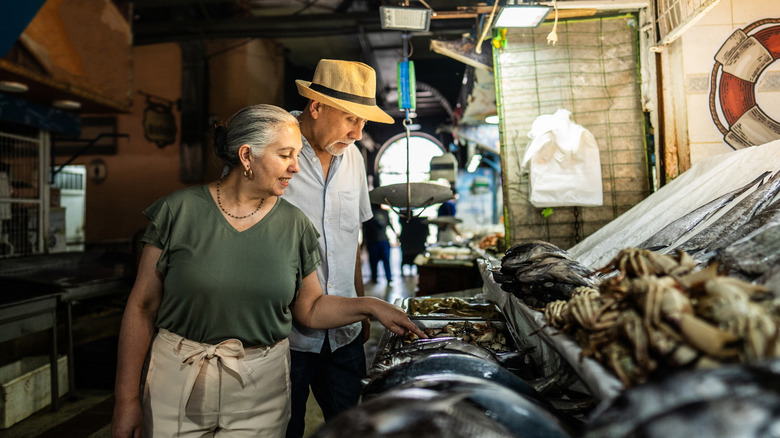
Wild-caught fish is often favored by consumers, but it also tends to come at a higher price. There is an obvious difference between the amount of work involved in the two practices, with wild fish supplies being unpredictable. Food supplies can impact the swimming patterns of fish, making them potentially difficult for fishermen to find, which can make the supply scarce. Weather is another uncontrollable factor that can prevent fishermen from catching the amount of fish they are searching for. This random availability affects the supply and demand process that drives retail prices.
Aquafarms, however, are not susceptible to these forces of nature and are better able to control production cost. They also control and replenish their own supply, therefore reducing the problem of supply shortages. In turn, aquafarms can offer consistent supplies at steady prices, which prevents the supply and demand issue from causing fluctuations in price.
Farming fish and catching it in the wild both have their benefits, as well as their drawbacks, that affect both the ecosystem and the consumer. Ultimately, shopping responsibly and knowing what you are buying (and why) helps you make the decision that is best for you.