

10 Best Foods To Donate To Food Pantries
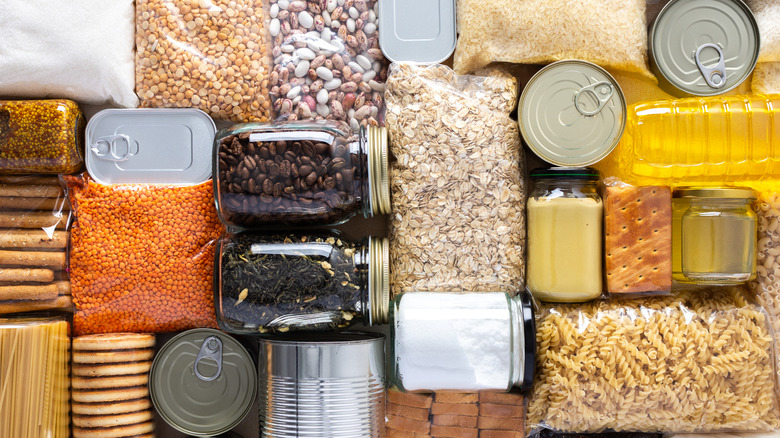
By directly distributing food to individuals and families in need, food pantries do vital work to keep communities fed. They help fill the gaps left by paused food assistance programs during government shutdowns and provide children with meals when school lunches aren't available. Whether it's a store layout or a mobile delivery service, food pantries rely on volunteers and donations to thrive. Donating food to one of them is a great way to help your community, especially during times of shortages and growing grocery prices.
If it's your first time visiting a food pantry, we've gathered 10 of the best items to donate. However, there are a few general rules of thumb to keep in mind as you shop. For example, some foods are more in demand than others. Dried, canned, and shelf-stable goods are better suited for donations, as they can keep families fed for longer periods of time without the risk of spoilage. It's also best to donate canned goods that have pull-tab lids, since they don't require a can opener.
Avoid donating any food that is open or expired, as it can pose a risk of foodborne illness. Similarly, avoid donating food that is fresh and at risk of spoiling (unless specifically requested) and any homemade items. When in doubt, cash donations are more than welcome at most food pantries, and staff can use these funds to fill any supply gaps.
Canned proteins
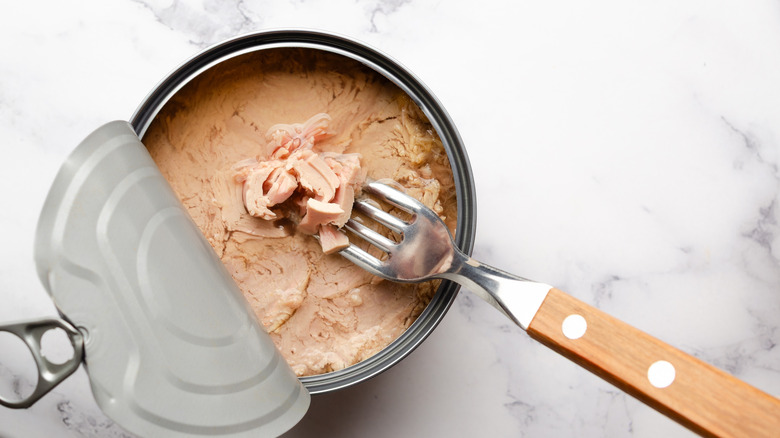
Canned proteins such as tuna, chicken, and salmon are great choices when donating to a pantry. These items provide a good bit of protein and are easy to incorporate into meals. Canned tuna, in particular, is a great source of omega-3 fatty acids, and there are many types of canned tuna to choose from. These choices are also shelf-stable and can last for extended periods of time without spoiling. Make sure to pick out meats packed in water, or low-sodium options, as they are a great choice for those with dietary restrictions.
Beans and lentils
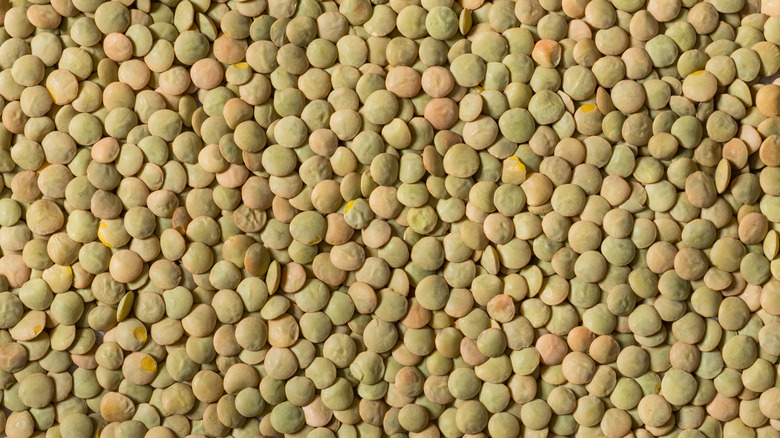
Beans are a truly magical, at least from a nutritional perspective. Not only are they packed with protein, but they also deliver a big punch of fiber, making them a nutritious and filling food option. Food pantries can accept dried beans and lentils, as well as their canned counterparts. Low-sodium options are preferred to accommodate dietary restrictions. Canned beans can also be upgraded with only a few simple ingredients.
Baby formula
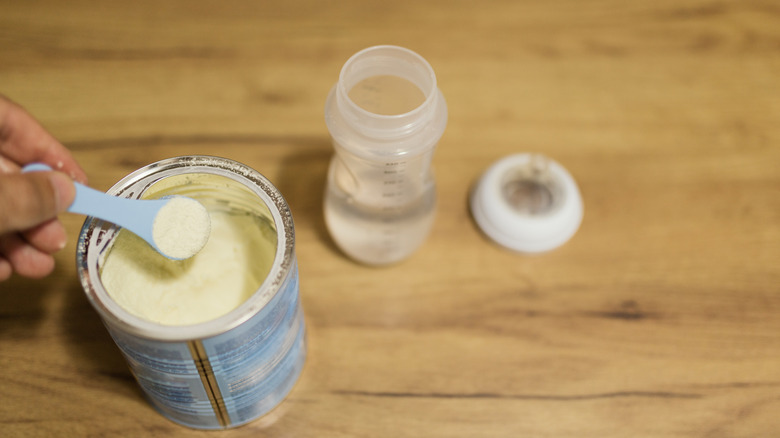
For around 20 years, USDA data has documented an average of 10% to 15% of American households facing food insecurity, and those with children are more likely to be at risk. Specialized baby formula is necessary for infants, and is often needed at food pantries, especially as formula shortages have raised prices in recent years. Make sure that the formula you're donating isn't near or past its expiration date, and check with your local bank to see which kinds are most in demand.
Rice
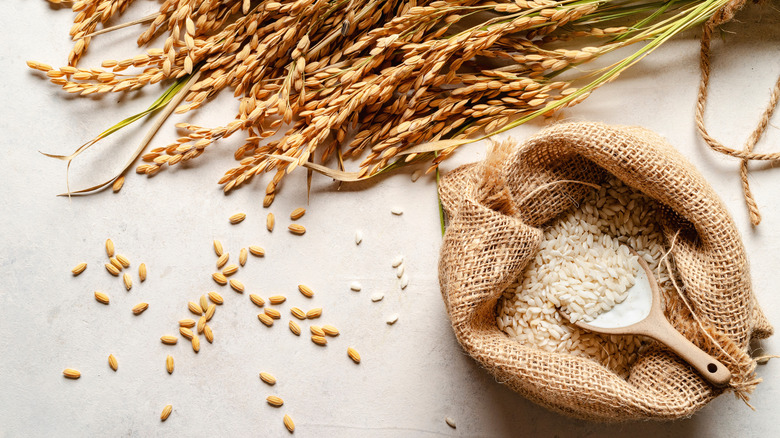
Rice is more than just a pantry staple — it's the backbone of dining in all corners of the world. From paella to sushi, congee, red beans and rice, and even rice pudding, there is nothing this little grain can't do, nor any flavor profile it can't match. It is also incredibly easy to prepare and store. For these reasons, rice is one of the best options when donating to a food pantry. While brown rice provides whole grains and added fiber, both white and brown rice are useful.
Oatmeal
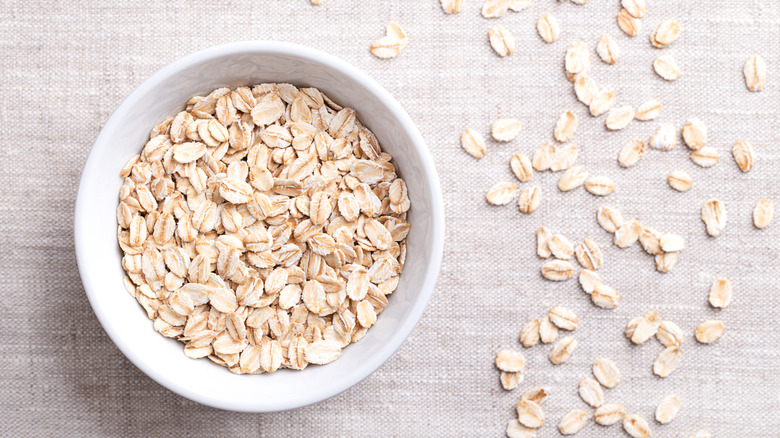
Oatmeal can be customized with a few simple ingredients, and it's a great, hearty base for a meal. This staple food is high in fiber and can last a long time. However, it's important to note that regular and rolled oats are preferred to pre-sweetened oatmeal since they're more versatile.
Seed and nut butters
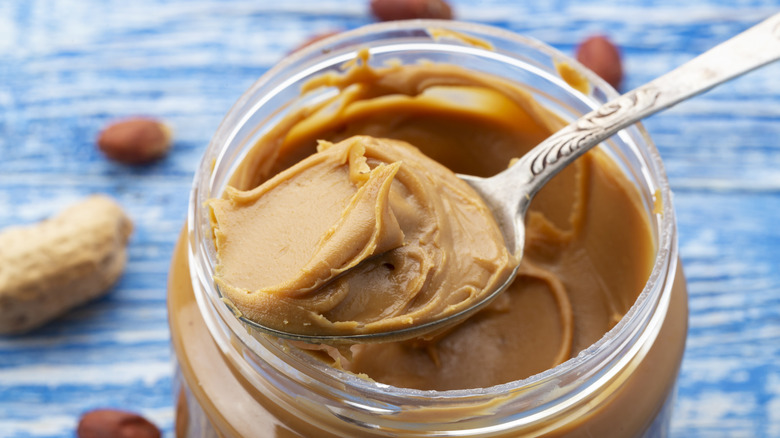
The best store-bought peanut butter is rich in protein and fats. Not just that, it is a favorite food of many kids and adults, making it an excellent option for donation. You can also donate other nut and seed butters, which are a safer choice for anyone with peanut allergies or dietary restrictions.
Cooking oil and seasonings
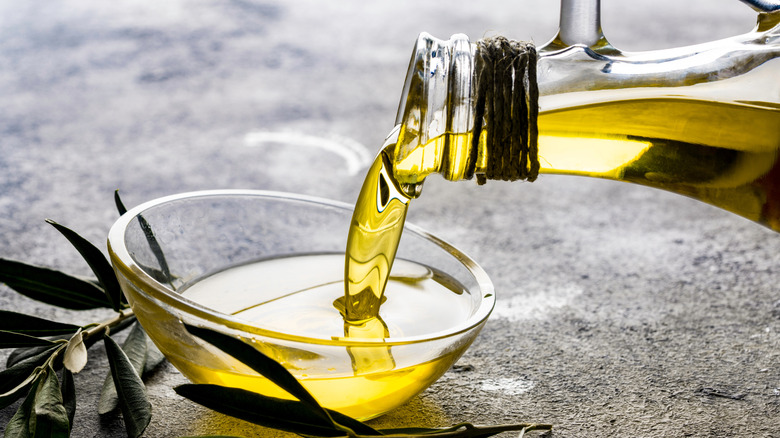
The main goal for food pantries is to provide families and individuals with nutritious and workable food options for preparing meals at home. A vital part of preparing meals is, of course, the seasoning. Food has to have flavor, and many recipes require cooking oil. Dried seasonings and spices are a great item to donate, especially as a supplement to other items. And though cooking oils may not provide a lot of nutrition on their own, they are a vital part of meal preparation.
Pasta
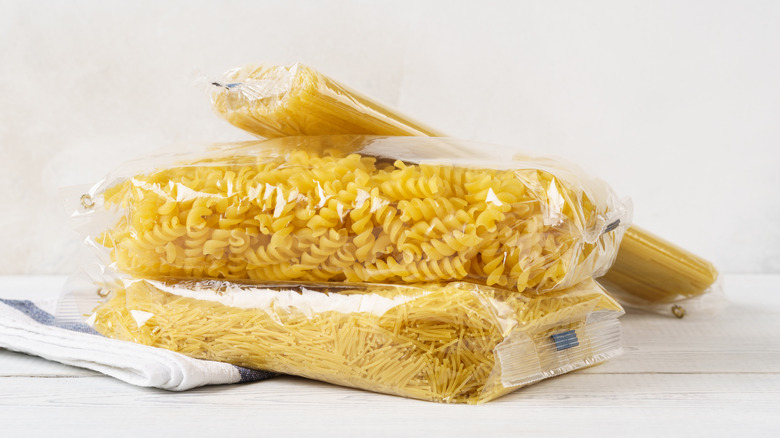
Pasta makes a great base for nutritious, filling, and flavorful meals, which makes it a great choice for food pantry donation. Choose whole-grain pasta for a more filling and nutritious option. Avoid non-shelf stable pastas, such as refrigerated gnocchi and tortellini. Gluten-free pasta for those with dietary restrictions also makes a great choice.
Canned fruits and vegetables

While fresh fruits and veggies don't exactly keep, their canned counterparts are some of the heartiest options available. They also make excellent donations to food pantries. Canned vegetables, in particular, are nutritious and fiber-dense. Plus, they are great for rounding out meals. Make sure to choose low-sodium and low-sugar options, as these are the best choices for people with specific dietary restrictions.
Canned and jarred sauces
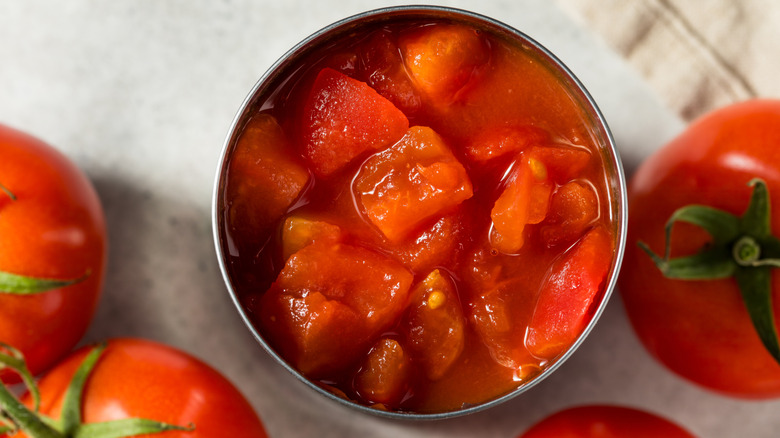
What is pasta without a little sauce? A bit dry, really. Jarred marinara, Alfredo, and other sauces make a great donation to food pantries as they are easy to prepare, and they round out staples such as rice and pasta into full-blown meals. You can also grab canned, unsalted tomato sauce, which works as a building block for various dishes. Make sure to look out for low-sodium and allergy-friendly picks as well.