

The 9 Best Matcha Brands For Beginners
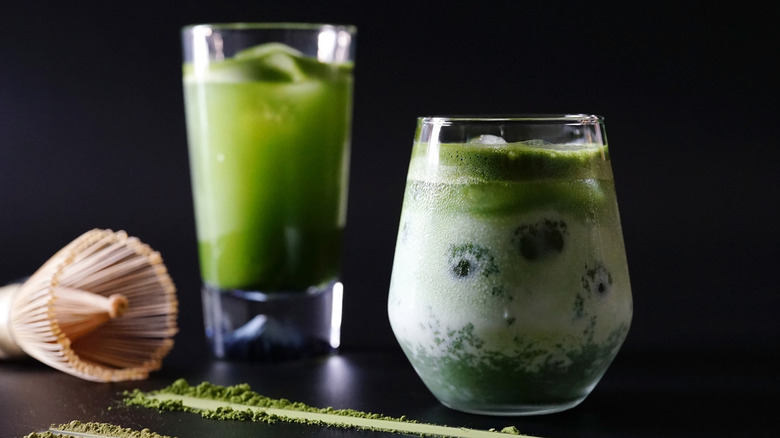
Matcha might seem like a recent, rising trend in some regions, but in reality, it has a long, storied, and important history and is much more complex than a simple tea. This is part of what can make buying matcha for the first time a fairly overwhelming process, but with the help of an expert, it can also be advantageous.
One of the best things you can do, says Alex Robateau, tea education manager at Matchaful, is go into a physical store and have a nose around — literally. "If your local tea shop allows you to smell the tea, the powder should have a sweet, milky smell to it, with a hint of fresh hay," says Robateau. "A low-grade matcha powder will smell dry and grassy, oftentimes with a peppery note to it."
Another option, says Robateau, is to ask them to prepare the tea for you in-store, so you can understand both how to make matcha at home and how it should taste. "If it's prepared hot and served in a paper cup, sip it with the lid off, which allows you to enjoy the aroma and flavor at the same time," he says. Ideally, Robateau advises the flavor should be naturally sweet and creamy, with low astringency.
1. Hikari Single Origin Matcha
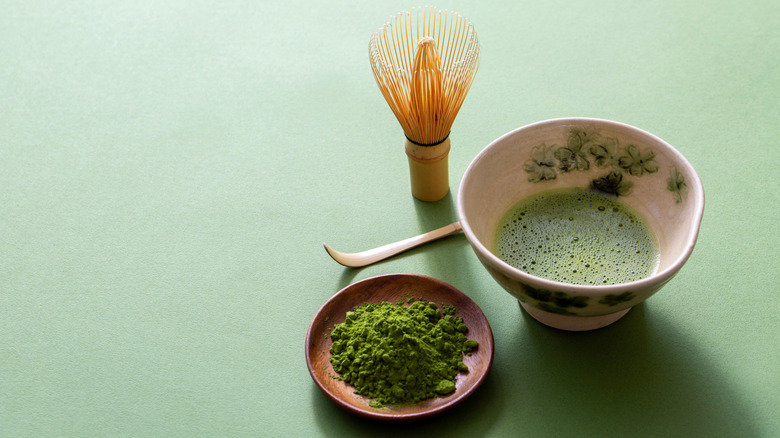
For true beginners, Alex Robateau says Matchaful's most popular option is the Hikari Single Origin Matcha, thanks to its smooth, pleasant flavor profile that pairs well with milk. This works well for new matcha drinkers, as grassy or bitter notes tend to be a turn-off. "Hikari checks all of those boxes with its buttery body and refreshing tasting notes of walnut and lemon," he explains.
If you're going into a store with the intent to find something similar, Robateau also suggests asking how they would recommend using the matcha at home. This is because there's no standard grading system for matcha powders, so it often comes down to the seller's knowledge and advice. "Some powders may have more astringency, which makes them more suited to smoothies or flavored lattes, while other matcha powders may be smoother, more delicate, and best suited for traditional preparation with water only," says Robateau.
2. Rocky's Matcha Ceremonial Blend Matcha
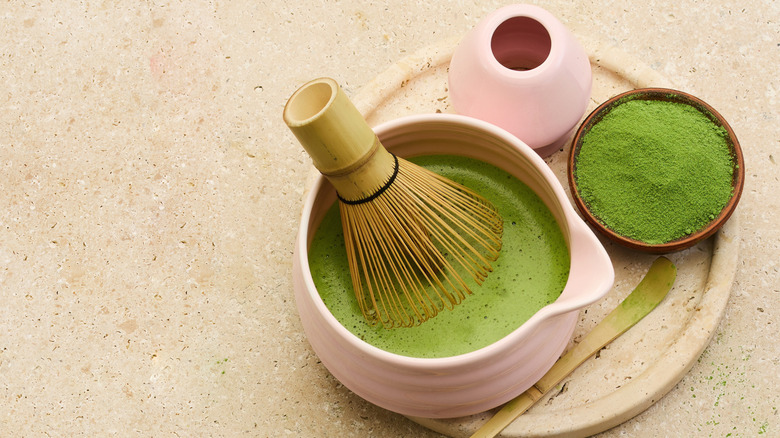
For anyone who prefers shopping online, Rocky's Matcha Ceremonial Blend Matcha is a solid pick with great reviews — and as Alex Robateau notes, the word "ceremonial" is an important label indicator that you've found a beginner-friendly matcha. "This is typically interpreted to mean first harvest tea, which contains the most flavor and aroma," he explains. "These first-flush leaves contain antioxidants, vitamins, and minerals absorbed from the soil."
First harvest teas, says Robateau, were picked in March when only the tender leaves and buds are used, which leads to a more premium flavor. But as a caveat, Robateau also notes that Japanese brands might not use this particular language. "The term ceremonial was created to help consumers outside of Japan to differentiate between the more flavorful first flush matcha and later harvests, which typically have a harsh taste and dull color," he says.
As a result, if you're looking at a Japanese matcha brand, you might need more guidance. "Do your research on the company when shopping and note whether the company has a grading system or notes the season of the harvest for each product," Robateau suggests.
3. Organic Ceremonial Matcha from Jade Leaf
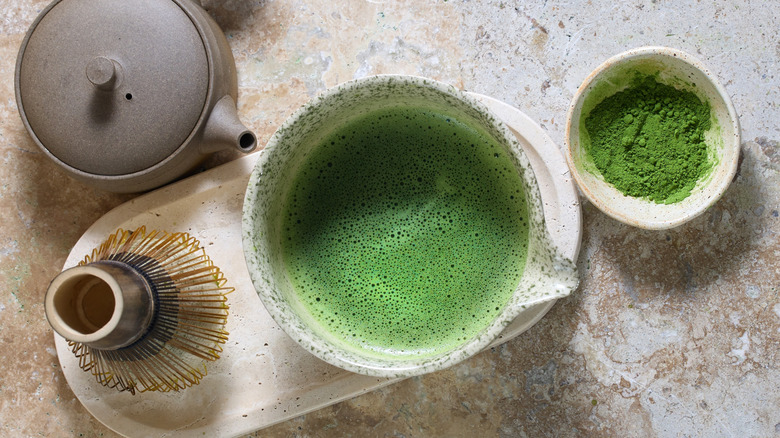
An intimate and knowledgeable tea house is a solid stop for any beginner looking to branch into matcha, or you can order Organic Ceremonial Matcha from Jade Leaf and do an at-home taste test. Either way, Alex Robateau emphasizes the importance of using your senses to evaluate your personal preferences.
Along with assessing the scent, taste, and packaging of any possible contenders, Robateau says the hue of each matcha powder should reveal a lot as well. "Look for matcha that has a vivid green color closer to emerald green than an olive green," he says.
This shade likely signals an early harvest, while anything with a brown or yellow tint, Robateau explains, is probably from a later-season harvest. Any matcha in this color family might even be an unshaded green tea powder, or possibly funmatsucha, which Robateau says has a grassy, astringent flavor that probably isn't a great starting point for a beginner.
4. Nishi-san's First Flush Matcha Saemidori
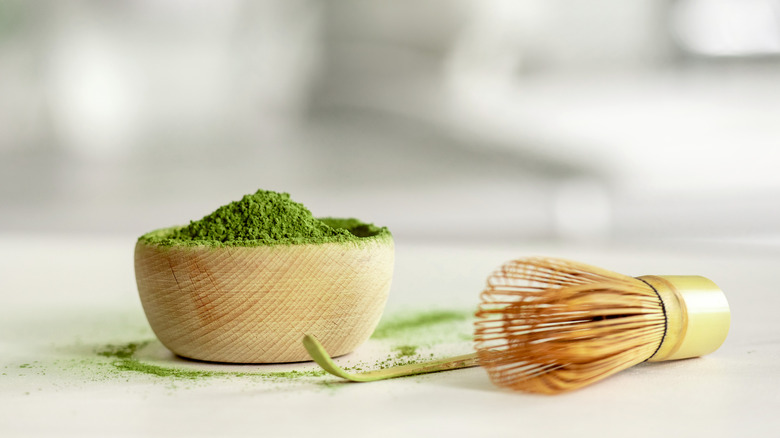
Testing out matcha as a beginner might take some trial and error, and that's totally ok. For some, matcha is an acquired taste, but Alex Robateau says it can be a textural adjustment, too. If you're testing out your matcha before you buy, it's important to pay attention to the grain of the matcha, too — both in its powder form and once dissolved. "Note how it feels on the palate when it's prepared," Robateau says.
If your tea feels gritty when you sip it, this is a sign of a low-quality product. "Matcha produced for bulk sale often uses milling techniques like cyclone milling, which quickly chops the tea leaves into crude, uneven shapes that your tongue perceives as grittiness," says Robateau. Instead, he suggests looking for something that's been slowly stone-milled, such as Nishi-san's First Flush Matcha Saemidori, and has a smooth, creamy mouthfeel.
5. Naoki Matcha Superior Ceremonial Blend
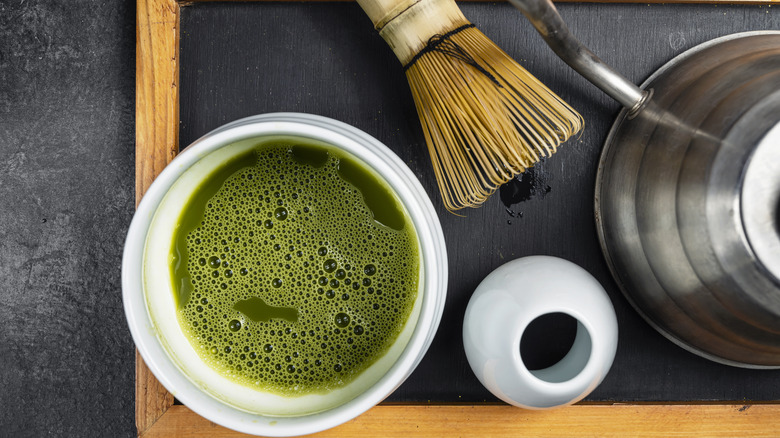
For a beginner matcha drinker, Alex Robateau says it's absolutely appropriate to consider price when you shop. This is one reason matcha drinkers enjoy Naoki Matcha Superior Ceremonial Blend. There's no need to break the bank on the finest matcha as you explore your options and preferences. "Newcomers to the matcha world often think that the more expensive a matcha powder is, the better their experience enjoying their matcha as a latte or tea," he says.
However, this is rarely the case. In fact, it all comes down to how you want to use your matcha. This can guide the type and price point you'll need at home. "A top-shelf matcha with an astronomically high price tag might be wasted in your smoothie, whereas a matcha at a more approachable price point might offer more flavor in such a complex preparation," says Robateau. "Instead of simply picking the most expensive matcha in the store, select a tea that is suited to your needs."
6. Kiwami Single Cultivar Matcha
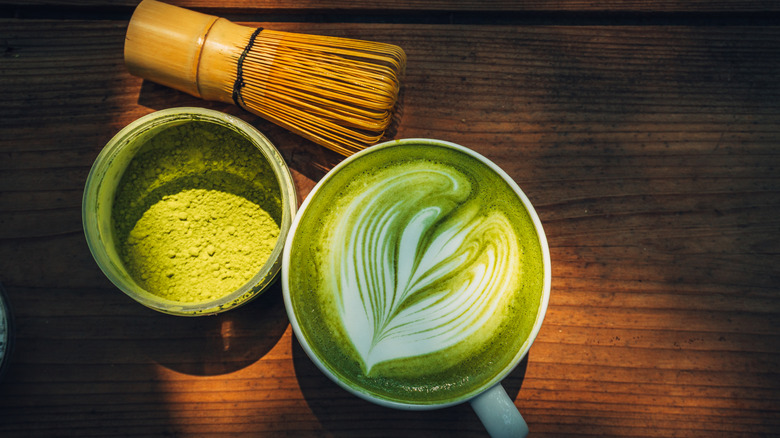
If you have other concerns about your matcha of choice that go beyond flavor profile and price point, consider Kiwami Single Cultivar Matcha from Matchaful. The company makes a point of working with a sustainably operated, fourth-generation tea farm, and, as Alex Robateau points out, plenty of tea drinkers prioritize pesticide-free products or seek USDA organic certification.
Fortunately, it's absolutely possible to find a great-tasting matcha for beginners that also ticks these boxes — especially if you shop with brands that are transparent about their sourcing and cultivation processes. "USDA certification is a meticulous and expensive process, and often gives you an indication that a company truly values and respects the painstaking work that goes into producing a delicious, sustainably grown product," he says. In addition to being pesticide-free, Matchaful notes that its Kiwami Single Cultivar Matcha is fertilized with organic materials and shaded by solar panels.
7. Ippodo Tea New Harvest Matcha 2025
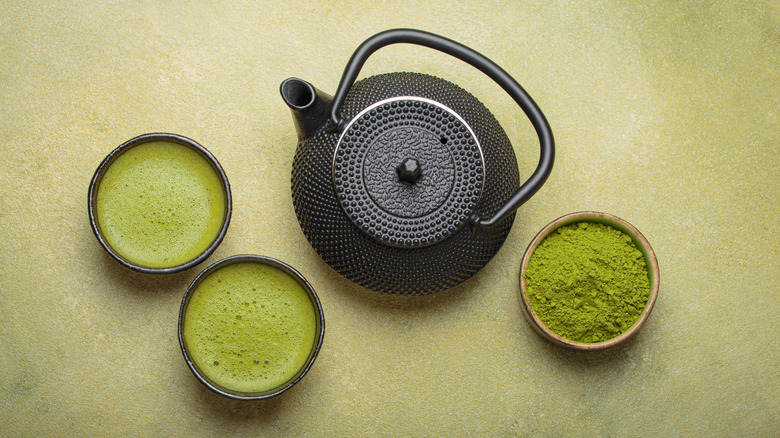
If you get the sense a matcha brand isn't being fully transparent about its tea's origins, you'll need to be careful. "Due to the lack of regulations regarding matcha labeling and sales in the U.S., it's hard to tell whether you're paying a premium price for a premium product," Alex Robateau says. If you're unsure, opting for new or early harvest leaves is probably your best bet — such as Ippodo Tea New Harvest Matcha 2025.
Because the brand is transparent about its sourcing, you can trust it's likely authentic. Unfortunately, not all labels will be so clear. "Summer-picked teas (or second flush) are sometimes sold as ceremonial matcha," says Robateau — but don't stress. You can avoid feeling tricked as a matcha newbie by ideally taking a peek at the powder and giving it a taste before you commit. "[Summer-picked teas] will have a noticeably less complex flavor profile and less vibrant color than first harvest teas," Robateau added.
8. Naoki Matcha Organic First Spring Blend Matcha
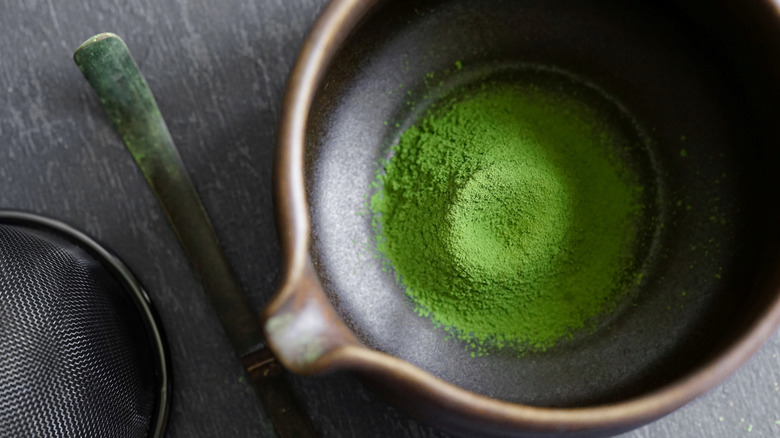
With matcha rising in popularity, the market is experiencing rapid, mass-market growth, with producers emerging across the world in countries such as China, South Korea, Vietnam, and even Kenya. But if you want genuine authenticity, Alex Robateau says it's a good idea to consider where your brand of choice is sourced. Look for companies that explicitly share their region of origin, such as Naoki Matcha Organic First Spring Blend Matcha, which comes from Kirishima, Kagoshima, in Japan.
"The choicest matcha is sourced in Japan, where it has been produced for over 1,200 years," says Robateau. "Matcha production outside of Japan is still experimental and uncontrolled, which makes many non-Japanese-grown matcha products inconsistent in quality." Instead, look for trusted, generational matcha-growing regions in Japan like Shizuoka or Kagoshima, says Robateau. "[This] will help you make your decision more confidently."
9. Matchaful Premium Matcha Essentials Set
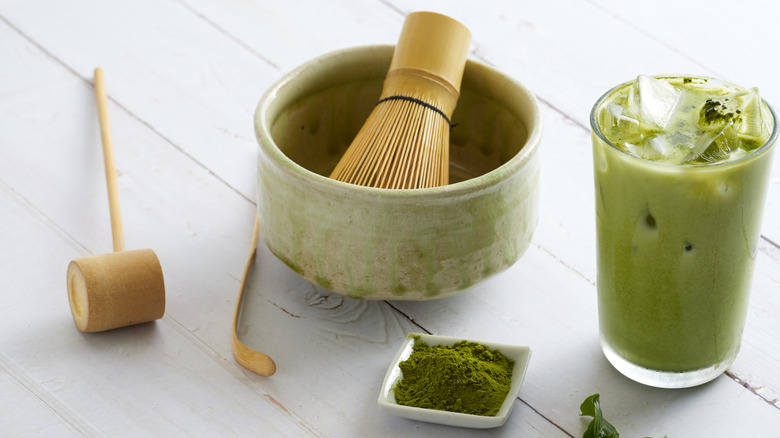
For a true beginner who's looking to set up the perfect matcha-making station at home, it might be a good idea to invest in something like the Matchaful Premium Matcha Essentials Set. As Robateau points out, every matcha enthusiast needs a few staples at home, including a fine mesh sifter and a bamboo whisk.
"Due to its incredibly fine particle size and buildup of static electricity, matcha needs to be sifted to ensure a smooth consistency without any unpleasant clumps," he says. "A sifter used exclusively for matcha will prevent any food-strong odors or residue from getting into your bowl when sifting." Similarly, the bamboo whisk is just as critical.
"The bamboo whisk, or chasen in Japanese, is a handmade tool that allows you to incorporate the matcha into hot water," says Robateau. "Matcha is a suspension, meaning that the particles don't dissolve. Instead, the particles circulate throughout the hot water, and we drink the entire preparation." Because bamboo is naturally flexible, Robateau says it should ensure all of those particles distribute evenly through the hot water. "[This] gives us the creamy mouthfeel, full flavor, and fluffy foam top," Robateau explains.