

7 Essential Tips You Need When Cooking With Bourbon
We may receive a commission on purchases made from links.
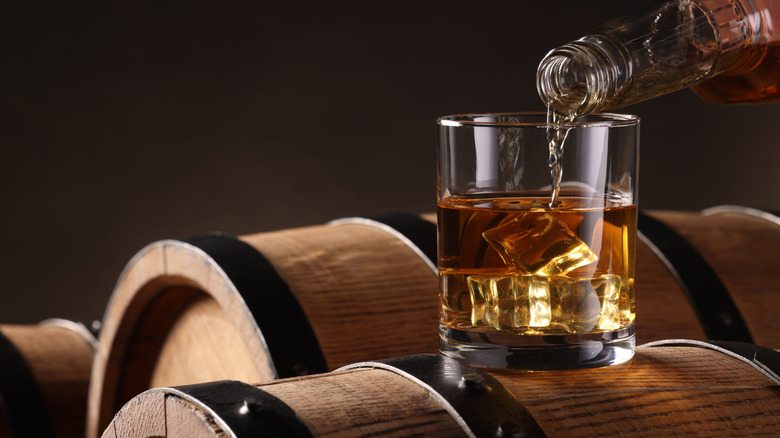
Distilling bourbon down to the modern Old-Fashioned (President Harry S. Truman's beloved tipple) is an injustice. Bar connoisseurs might know their way around a cocktail shaker, but when it comes to the Kentucky spirit, the kitchen is truly an excellent venue to explore its potential. Just ask a chef to tell you about the perks. "Bourbon brings instant character to a dish — you get caramel, vanilla, oak and a little heat," explains Mike Lopez, who serves Elm Street Cask & Kitchen and Hilton Garden Inn Downtown Dallas as their executive chef and food & beverage director. "It's a great way for home cooks to add depth without much work."
This comes as no surprise if you're already acquainted with bourbon's creation. To qualify as such, bottles must undergo a two-year aging process (in charred white oak barrels), and per industry practice, they must feature corn as the dominant grain. As a result, your whiskey imparts a multitude of fiery, sweet notes that pair beautifully with charcuterie boards or define the Boulevardier.
Preparing a meal with it can be a rewarding experience. Still, we think it's safe to safe incorporating whiskey as an ingredient doesn't always come intuitively. Chowhound craved answers to the most common of inquiries, and professional chefs from celebrated establishments were happy to respond. While there was plenty of good advice to go around, these seven tips are the most essential.
1. Pick the right bottle for your recipe
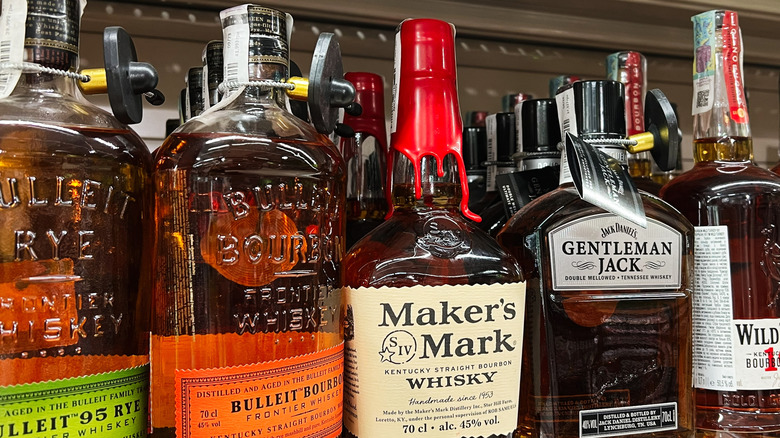
As is the case with any dish, executing it properly relies on ensuring you're using the correct ingredients. It's true that bourbon enjoys a unique distilling process, but it isn't like every brand will draw out the same notes from its barrels. Most experts swear by following your personal taste when deciding on a bottle at the liquor store — the most evergreen of advice — though equally important, the alcohol itself should align with the recipe at hand. "When picking a bourbon to use for cooking, I would suggest using a bourbon that you like to drink, as well as matching the flavor profile of the bourbon to the dish you are cooking," notes Timothy Paroulek, executive chef at the Grand Hyatt Grand Cayman Resort & Spa.
When planning your meal, it would be extremely wise to take the bourbon's proof, or ABV, into account. This essentially refers to the alcoholic content present in the liquor at hand, and as you can probably guess, the higher the proof, the bolder and stronger the taste. "Higher proof bourbon will evaporate faster, have more concentrated flavor, and may be a better solvent for deglazing and dissolving brown fond," explains Paroulek. By contrast, he elaborates that low-proof usually gel in gentler applications, since they're less robust and harsh — for instance, swirling some in a dressing. You might find it helpful to skim the bourbon's mash bill first.
2. Skip the fancy stuff
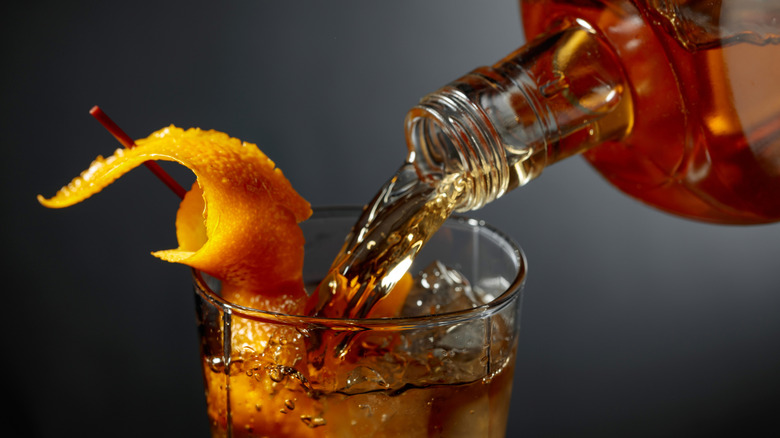
Cooks can't go wrong using bourbon they already enjoy. But if you have champagne taste, dumping your top-dollar whiskey on the stove might be more of a liability. To experts, it's simply unnecessary to buy a fancy bottle for culinary uses. Joseph L. Paire III, the executive chef at Claremont Resort & Club in Berkeley, California, says it all: "Just avoid using an overly expensive bourbon, especially if you're cooking it down — save the premium bottles for sipping."
Mike Lopez is another pro who believes in less-than-supreme spirits, who asserts that "mid-range bourbons do the job and can handle heat" like their spend-y counterparts. In fact, there are many bottom-shelf picks that will deliver in your meal-prep, whether you're deglazing pan-roasted chicken or boiling homemade caramel. Evan Williams and Woodford Reserve, a handful of budget-friendly options, regularly glean good results with home chefs.
Passing on an exceptional liquor for your beef stew isn't just out of principle. It's as much related to technique as it is your bank account. Going about simmering or grilling away your precious drops makes the spirit lose a lot of its potency, just from mingling with other ingredients, and of course, as it's exposed to high heat from your appliances. "Heat strips a lot of the flavor profiles of a high-end bourbon, so there's no reason to cook away all of that," Lopez elaborates. Your personal stash will be better off for it.
3. Stir it in a sauce or marinade
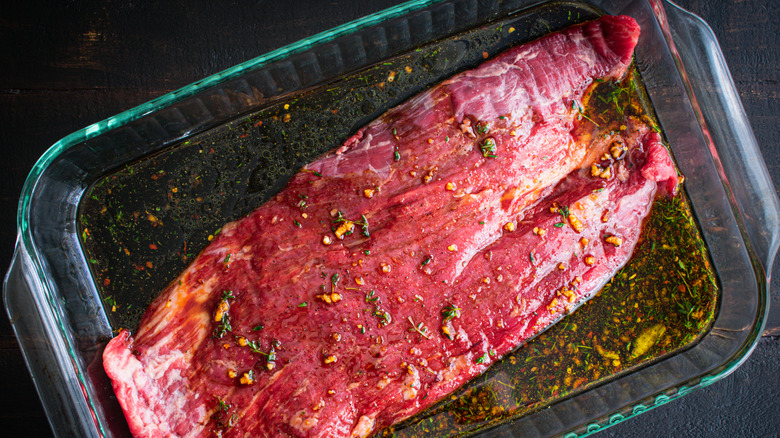
What do slow-cooked ribs and old-school steak orders like Steak Diane have in common? A delectable coating of sauce — oftentimes enhanced by bourbon. Stirring the Kentucky liquor into marinades, gravies, and dressings, professionals find, is truly essential to drawing out complexity and depth from your dish. In the case of marinades, a touch of bourbon also works to break down the meat while it steeps in the juices, creating an ultra-succulent texture. And you don't need to add much of it to get impact; a small dose is all it takes to ignite the range of oak, honey, and smoke.
Brainstorming ideas, our experts definitely proved one thing: bourbon really tangoes with just about anything. For instance, Mike Lopez uses it to cloak veggies and proteins alike: "It's great in chicken or beef marinades, salmon or pork belly glazes, and even a splash in braised greens or beans for a smoky, sweet touch." Caleb Stangroom, who's a chef at Okana Resort's eatery Jack Rabbit, stands by the alcohol for a poultry glaze, which he boils down to a concentrate for peak flavor. And of course, experts like Joseph L. Paire III adore sneaking it into an amazing homemade barbecue sauce. "Rich, smoky, and naturally sweet, it adds incredible depth to everything from grilled meats to roasted vegetables," Paire raves.
4. Stick to heavy, meaty foods
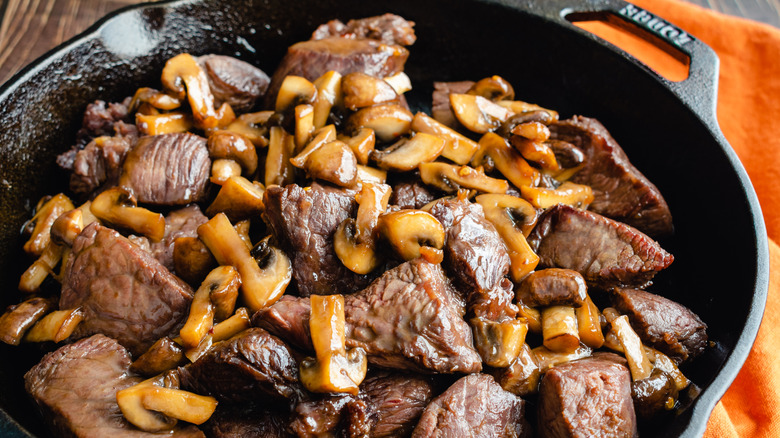
Another cooking tip to pocket for your next creation? Mix your bourbon into heavier dishes for the best results. Generally speaking, even with mellower varieties, its warmer inflections tends to flourish in meals where meat steals the show. It's not a coincidence that chefs have rattled off broils, roasts, and chops in their recommendations — quite plainly, these are the kinds of foods capable of holding their own with the whiskey's bigger, throat-tingling intensity. "I wouldn't use bourbon in preparations with more delicate flavors," Timothy Paroulek notes, adding "if you are looking to create a light or refreshing dish, bourbon might not be the best option."
Which dishes, exactly, shouldn't mix around with the corn-based spirit? When asked about the subject, experts say the woodsy aromas tend to clash with anything outside the wheelhouse of hefty, carnivorous fare. Earthy, herbaceous seasonings get a pass from Mike Lopez (no chopped Greek salads, in other words), while Chef Paroulek finds spaghetti sauce at odds with bourbon's malty flair. While salmon's a popular choice for decadent glazing, seafood is usually looked down upon by chefs — at least, barring a few well-decided exceptions. "I would avoid most fish dishes, unless you're utilizing it very lightly in a sauce," says Caleb Stangroom.
5. Be wary of high heat
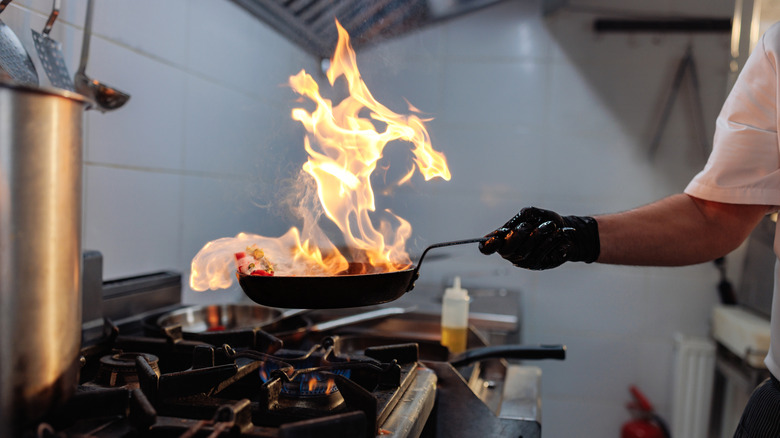
Our conversation about bourbon in the kitchen didn't just touch on the essential to-dos, it also circled back on the don'ts. And playing with fire, literally, remains one of the core mishaps to avoid when fulfilling your chef-ly duties. Remember, alcohol is flammable, which very much includes the spirits stashed away in your liquor cabinet. "Never pour bourbon directly over a live flame — unless you're looking to lose your eyebrows," warns Executive Chef Joseph L. Paire III.
Keeping your kitchen environment safe as you go about a big meal is of the utmost importance, especially in a regular house that isn't equipped, like restaurants, to handle heavy-duty conditions. "Commercial kitchens are built to manage these types of flames, but this can be dangerous in home kitchens and dining rooms," says Timothy Paroulek. When dealing with a hot skillet at home, take his advice and reduce the amount of alcohol you intend to use. You can also prevent a culinary crisis by pouring your whiskey into another vessel first. Otherwise, dispensing it straight from the bottle could awaken a five-alarm fire — the last thing, frankly, we should want to deal with when our Bananas Foster is on the line. For fool-proof flambéing, empty your spirit into this GoodCook Everyday Liquid Measuring Cup.
6. Allow enough time for evaporation
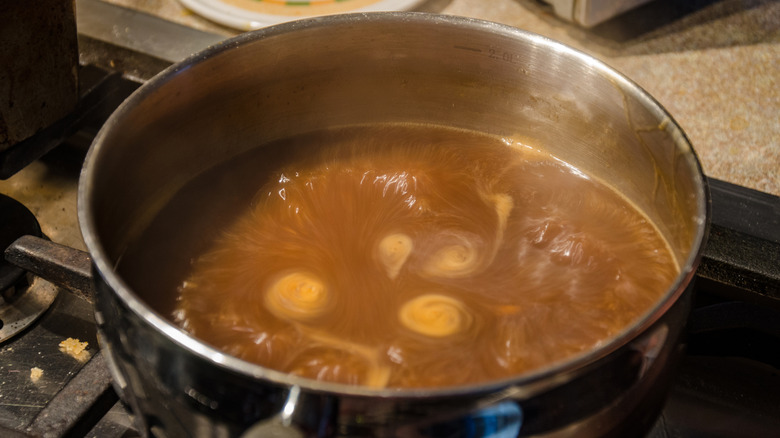
When asked to shed light on frequent issues chefs face with bourbon, Caleb Stangroom pointed to dissipating the booze — as it turns out, people get a little bit impatient at this step. "Most common mistakes I have seen are not allowing enough time for evaporation, in turn leading to an overuse and overpowering flavor." In order to cook with bourbon well, it's necessary not to rush its dissolution. Straight bourbon, like any alcohol, is super astringent and harsh on the senses. Being able to thoroughly boil it will impart that booziness, but with an even-keeled flavor that complements (rather than dominates) the food.
Mike Lopez seconds this motion. "Let the alcohol cook off, unless you want that bite, for it needs time to mellow and concentrate," he says, while also expanding the conversation to another, similarly-needed point: getting the timing right. Waiting too long to whisk in the bourbon, he says, can cause the finish of your dish to taste off, or just plain unpleasant. In some circumstances, like a booze-soaked cake, you'll want the bourbon to punch your taste buds. Alternatively, a batch of candied yams or a maple syrup might call for a subtle hint.
7. Give desserts a boozy boost
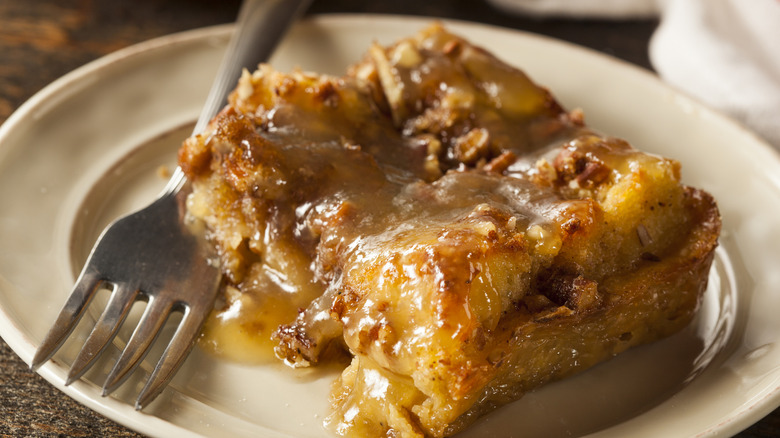
We've explored bourbon's possibilities at the dinner table, so let's wrap up, so to speak, by touching on whether or not the booze should earn a role in your baking repertoire. Of course it should. Spiking your baked goodies with liquor can help you reimagine familiar treats, and bourbon, of all elixirs, helps imbue an interesting dimension. It's a little nutty, a little caramelized, and the vanilla-y undertones will complement most desserts beautifully. Lean into those traits when brainstorming confections where bourbon lands a starring role.
Pecan pie, the perennial Thanksgiving dessert, is a favorite recipe among Joseph L. Paire III and Timothy Paroulek for bourbon to shine. They say the holiday classic really benefits from the spirit's rich, butterscotch-y warmth, the smokier feel balancing out the sweetness of the filling and crust. Bread pudding, French toast, or a butter cake are also good options, since they showcase seasonings like cinnamon and brown sugar, which are all receptive to the whiskey's undertones. If a subtle application appeals to you, try lacing the bourbon in a secondary element. A boozy kiss in toppings, like whipped cream, berry compotes, and icings would be a great way to incorporate a smidge of the spirit, without having it command an entire dessert.