

Don't Fall Into This Wine Tasting Trap Or You'll Miss Out On A World Of Delicious Wines
One big mistake people make when tasting wines is being afraid to ask questions, when that's really the whole point — you should be open to learning new things. Similarly, you don't want to pigeonhole yourself into thinking you know exactly what you like and dislike across the board. You should always go into each glass with an open mind. For some tips on the subject, we reached out to an expert for a Chowhound exclusive.
Podcaster and blogger Lori Budd is a wine specialist and wine educator at Exploring the Wine Glass, owner of Dracaen Wines Paso Robles, Sommelier Service Certified, and graduate of the University of California, Davis Winemaking Program. She says another wine tasting faux pas is entering with preconceived notions. "[One] mistake is tasting one wine and deciding you don't like 'insert whatever wine you want.' AKA 'I don't like rosé or chardonnay,'" she says.
"If you decide that you don't like a specific type of wine or variety, you are missing out on a world of wine," Budd continues. "There is nothing wrong with disliking a wine, but you should always give it a try. You may surprise yourself." Based on local climates and soils, the same grape varietal may taste completely different depending on where it comes from. It's called terroir and can affect the flavor of products like olive oil, just as much as wine. And then there are more production factors, like whether it's a natural wine, organic, or large production. Wine makers truly put their mark on all the wines they make, and you can taste it in every glass.
More expert advice on how to get the most from your wine tasting experience
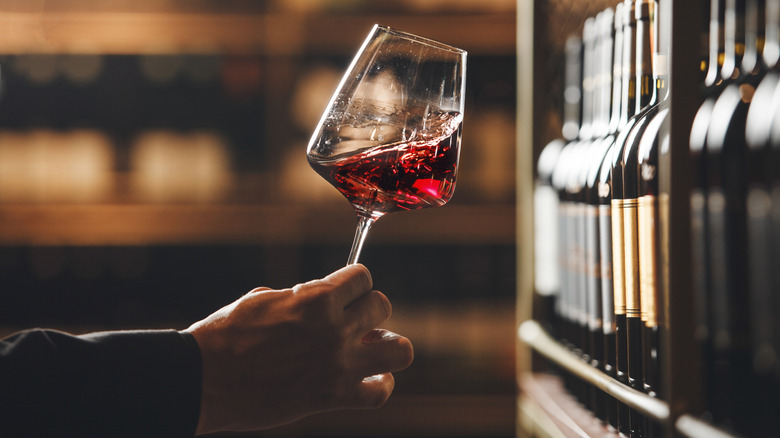
Lori Budd encourages us to give everything a taste. "Thanks to the many wine regions and winemakers, every wine is different," she says. "So one wine may not be to your liking, but another style of the same variety may be your newfound love." And, to set yourself up for a proper tasting, don't forget about environmental details that could affect how you taste wine. Because much of wine tasting has to do with the nose, you might want to forgo the perfume or other heavy scents you may wear normally. And, while wines should be paired with appropriate foods (generally, bold to bold, light to light), you don't want something that will dull your smell or taste, like super spicy or overly bitter foods.
Furthermore, it might seem like a waste of the wine to swirl and spit rather than actually imbibing, but the more wine you drink, the duller your senses will be. So, you'll actually perceive more flavor — especially when sampling multiple wines — if you're not swallowing every sip. To get the most out of every taste, you should probably be swirling your wine in the glass. It doesn't have to be a fully pretentious ritual. It can be smooth and nearly imperceptible, but it will aerate or oxygenate the wine to open up the flavor. Plus, as it coats the glass, the scent (flavor) will be more recognizable to your nose. Just be sure, however you're sampling your wines, that you're open to trying new things because you might just find your new — and unexpected — favorite.