

You've Been Tasting Wine Wrong If You're Ignoring This Major Environmental Detail
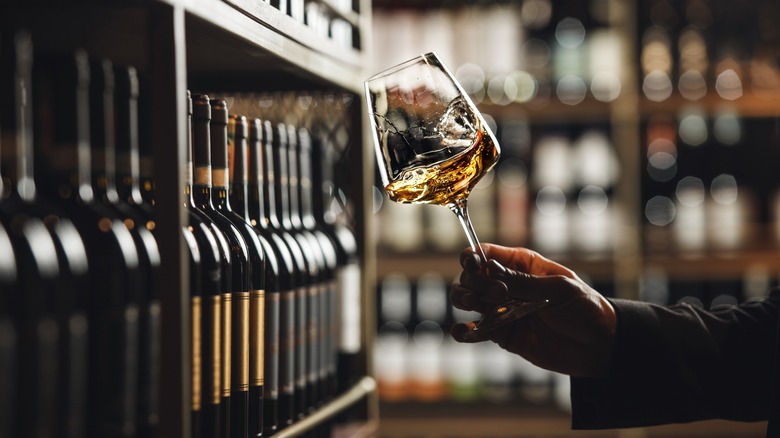
People love wine tastings. Whether carried out in a dusty, old wine cellar, a fancy restaurant, or simply at home with friends, it's the ultimate experience that awakens all of our senses. However, before mastering the correct way to swirl wine before tasting, it's crucial to stop overlooking the major environmental factor that can make all your previous wine-tasting efforts go to waste: The surrounding scents influencing your nose.
Topher Pavonine — a certified level 2 sommelier and wine-tasting instructor at Eventful ATL, an Atlanta-based events brand that specializes in creative workshops — explained in an exclusive conversation that outside smells from perfume, food, or even candles can greatly influence your wine experience, even on a casual level. "I have made it a personal habit not to ever wear perfumes or scented lotions, and when I was managing in restaurants, it was a strict policy that they also would not," he told Chowhound.
May Matta-Aliah — a wine educator and president of In the Grape, a wine and spirits business located in New York — made the same point and stressed that background aromas can greatly interfere with how a wine is perceived. "If you're wearing a lot of perfume, for example, it is difficult to actually and accurately smell the wine," she told Chowhound. "If you have improper glassware, it can impact your appreciation of the wine." Jeff Durham, a vintner and co-owner of Napa Valley's Gentleman Farmer Wines, agreed with the two other experts. "Eating, drinking are a total sensory event," he revealed in our exclusive talk.
Smell is not the only thing your brain relies on when tasting wine
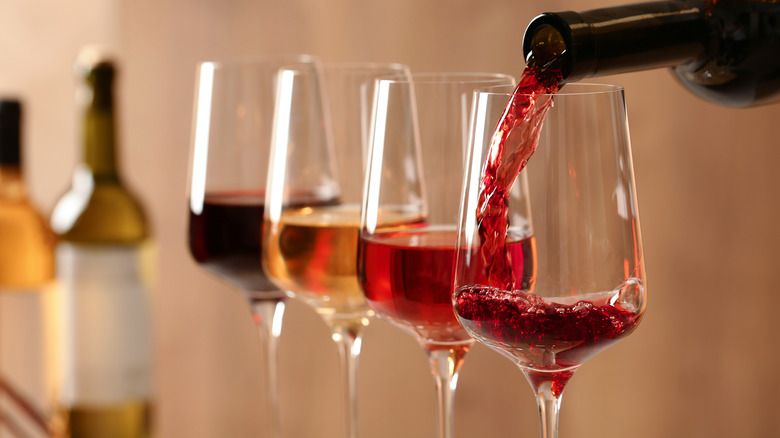
Smell is the sense that naturally precedes taste. Data suggests that aromas reach the nose first and trigger our brains' flavor response. This explains why up to 95% of what we perceive as taste actually comes from smell, and why how a restaurant smells is more important than you might think if you order a glass of wine over lunch or dinner.
"Now the two experiences are intertwined, and to dull or distract the sense of smell is to distract from the full experience and the enjoyment it offers," Topher Pavonine, who boasts more than 18 years of experience in the wine industry, pointed out. "That said, the environment has a profound effect on focus, so of course, that is going to factor into how a person experiences what is in the glass, whether they are intentionally tasting or just simply drinking."
But it isn't only the smell that impacts a wine's flavor. According to Jeff Durham, other factors can definitely influence your sense of smell and taste. "Your memories, history, and expectations of each location play a huge factor in how you perceive things and how you taste," he elaborated. Pavonine seconded that thought, adding that environmental factors such as lighting and noise also influence the way people perceive the taste and aroma of wine. "When it comes to environmental factors such as lighting and noise levels, we find ourselves in a very individualistic realm; everyone grew up studying differently," Pavonine continued.
Why the environment matters just as much as the quality of the wine
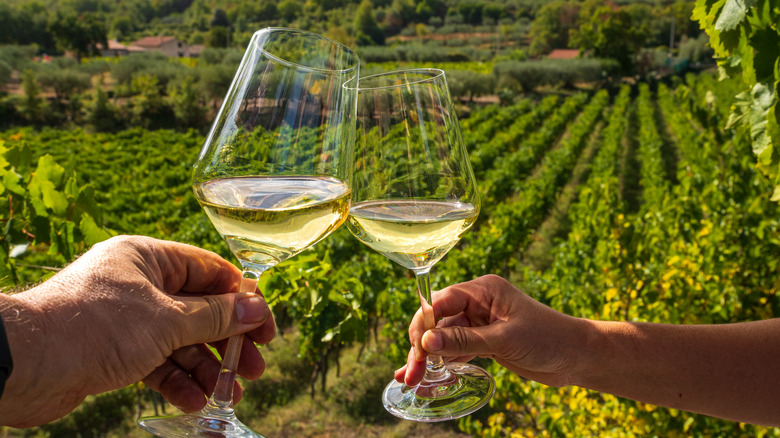
The atmosphere of a tasting room can also shape how a wine's aromas and flavors come through. Soft lighting lets the wine's color come to life and highlights its depth. Research shows that traditional light sources like filament bulbs, candelight, and high-resolution fluorescent lamps bring out the wine's best natural qualities. Still, how someone experiences the environment is purely subjective and psychological.
"Of course, we all have fun in small, curated environments! It makes us feel special," Topher Pavonine said. "But much more than that, it takes a social pressure off of us and allows us to truly experience and enjoy what wine is all about." To turn your next tasting session into an unforgettable experience, it's essential to avoid the temperature mistake you're making with wine. So, apart from paying close attention to the setup, lighting, glassware, and keeping all scents in check, May Matta-Aliah recommended being mindful of the serving temperature.
"Serving temperature is very important as well. The vast majority of people serve their white wines too cold, which reduces the aromas and mutes the flavors, and their red wines too warm, which exaggerates the alcohol and makes the wine appear out of balance," May Matta-Aliah revealed. According to experts, red wines should be served between 62 and 68 degrees Fahrenheit, while white wines are best between 49 and 55 degrees Fahrenheit. To make the most of a wine tasting, Matta-Aliah suggested taking a class. "Taking a class is always a good idea, as you can gain from the experience of the teacher," she concluded.