

The 3 Best Cuts Of Pork To Grill, And 3 You Should Avoid
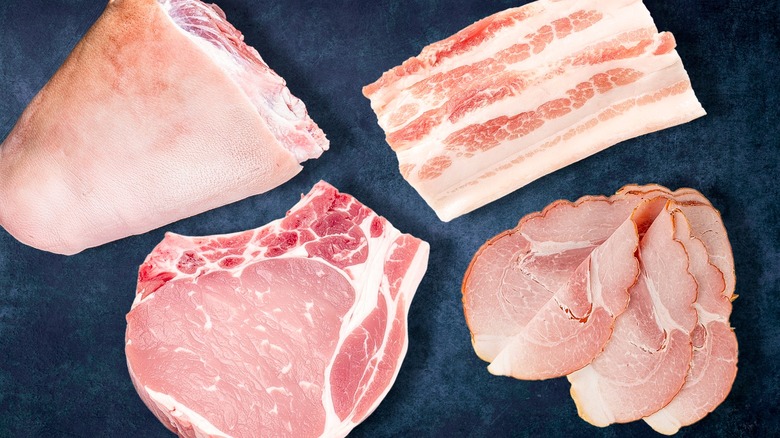
Hosting a backyard barbecue dinner party, but don't want to break the bank? Pork is your secret weapon. It's affordable, delicious, easy to cook, and incredibly versatile on the grill. But not all cuts are created equal. Some will have your guests raving, while others leave you with a tough, brittle, dry, disappointing end result. After years of running a Japanese yakitori restaurant, I've experimented with nearly every cut of pork suitable for grilling. From pork belly to pork ear, I've definitely learned that some cuts just shouldn't touch the grill. Understanding which cuts of pork excel on the grill and which need a low and slow cooking method is essential to any pork lover.
In order for you to have the best pork-filled barbecuing experience, I've broken down exactly which cuts deserve a spot on your grill and which ones to skip. Here are three best cuts of pork to grill, and three you should avoid when shopping at the butcher.
Best: Pork belly
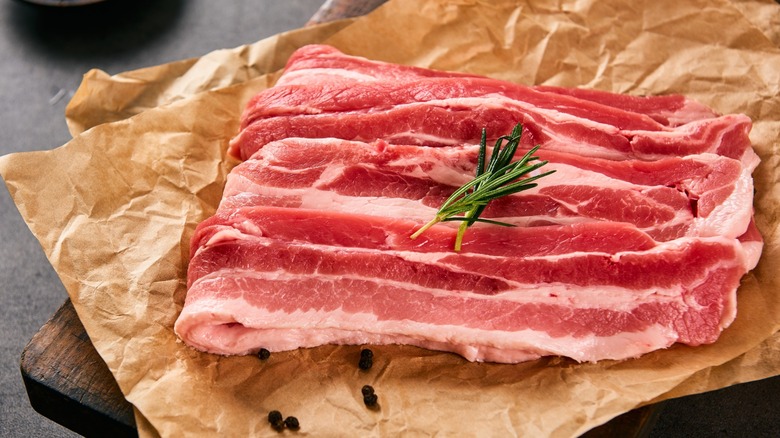
Pork belly is one of the best cuts of pork to grill and for a good reason — it's fatty, rich, and incredibly buttery. Its high fat content helps it stay tender, moist, and most importantly, flavorful during grilling. For proper grilling techniques, you can either cook it low and slow or on high heat for crispy Korean barbecue-style slices. For those familiar with Korean barbecue, you know it's quite hard to beat a pork belly marinated in gochujang and sesame oil that's been grilled to a blistered and charred state.
When shopping for pork belly at the butcher, be sure to get a thick slice that's at least 1 to 1.5 inches, so it stays juicy on the inside while developing a crispy, caramelized exterior on the grill. You can find pork belly slices at most butchers; however, if you want to get the specific cuts they use at Korean barbecue, then I recommend heading to your local H Mart to get perfectly portioned slices that are ready to throw on the grill.
Avoid: Pork loin roast
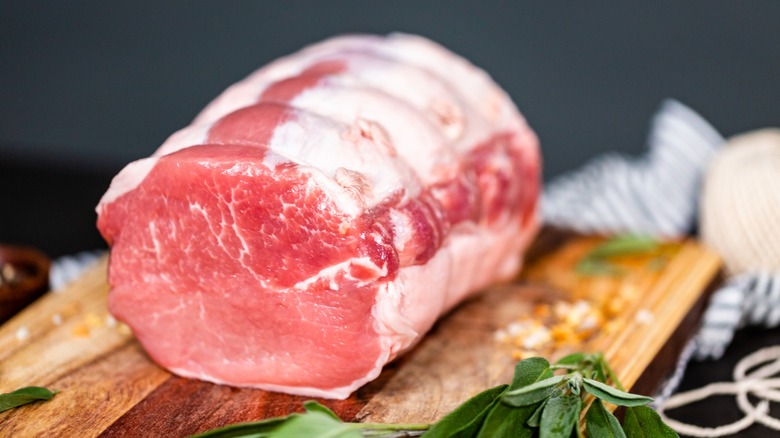
As for pork cuts you should skip tossing on the grill, pork tenderloin is a perfect example. This large cut of pork is too thick to cook evenly over direct heat. It is also a very lean cut, meaning it has little fat to keep it moist during cooking. Grilling it can dry it out quickly, if cooked to well-done, resulting in a tough, chewy, unappealing texture.
Furthermore, if you grill it, the outside will completely burn before the center reaches a safe temperature — since the last thing you need at your barbecue is giving anyone a foodborne illness. This cut of pork is much better suited for oven roasting or braising, where gentle, indirect, even heat can cook it through. Instead of drying it out on the grill, try this oven-baked New Mexican-Spiced Pork Tenderloin Recipe for your next pork tenderloin craving. However, if you want a cut of pork to grill with fairly low fat content, then you should definitely pick up some pork chops instead.
Best: Pork chops
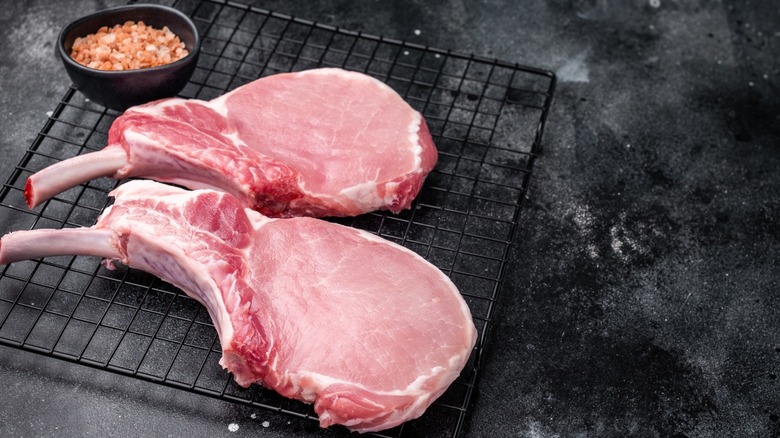
Hosting a backyard barbecue, but you don't want to break the bank? Make it easy for yourself, and try whipping up a few pork chops. They're easy to make, super tasty, and can be cooked in under 20 minutes, so you'll spend more time with your guests and less time cooking behind the grill.
The key to getting perfectly grilled pork chops is to avoid overcooking and drying them out. In order to get a delicious char, tender interior, and smoky flavor, you have to be sure to use thick-cut, bone-in pork chops. Most chefs find that using the two-zone grilling method results in juicy, flavorful pork chops. This grilling method creates a direct, high-heat zone for searing and a cool, indirect-heat zone for slow cooking or finishing food — giving you control over different cooking methods simultaneously. For extra flavor, consider brining, seasoning, or marinating your pork chops before grilling. Always be sure to use an instant-read meat thermometer when cooking pork chops to a safe internal temperature of 145 degrees Fahrenheit. To prevent them from overcooking, pull them slightly before to allow for carryover cooking, ensuring they are safe, juicy, and perfectly cooked.
Avoid: Pork shanks
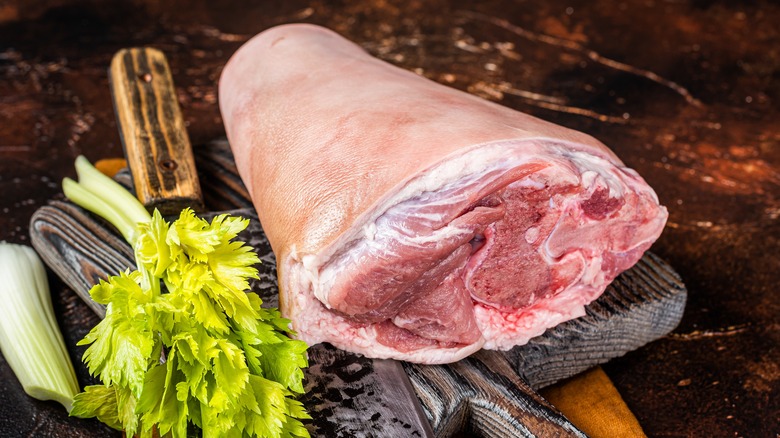
If you're planning on grilling all day and want to finish with a fantastic spread of perfectly barbecued foods, then you should definitely skip getting pork shank at the butcher. While there are many reasons why you shouldn't be grilling pork shanks, the top reason is that the high grill heat causes the tough muscle fibers to seize up and tighten. This will cause the meat to be even more rubbery and will leave you chewing on pork for hours on end.
Pork shanks have tough, connective tissue which requires low and slow cooking methods like braising, smoking, or stewing to become tender and succulent cuts require low and slow braising or smoking to become tender and palatable. The combination of the tough texture and low fat content means that a quick grilling method will leave the pork shank dry and unappetizing. Save it for your pozole or when you want to whip up a pot of hearty pork and beans.
Best: Babyback ribs
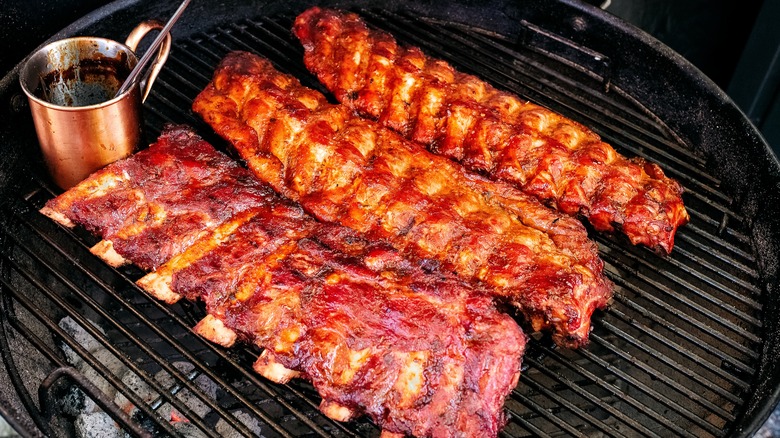
Any pit master or grilling enthusiast will agree that one of the best cuts of pork to grill is baby back ribs. Babyback ribs are grilling essentials anytime you're hosting a backyard party, since they can easily feed a crowd without burning a hole in your wallet, and most importantly, they taste phenomenal.
Known for their balanced richness, tenderness, and delicious porky flavor, baby back ribs are a great option for any grilling occasion. The grill will provide the ribs with a delicious char and slightly crispy exterior — especially if you smother them in tasty homemade barbecue sauce. The trick to getting them super tender and moist is to cook them at a low, indirect heat to prevent burning and overcooking. Although it does require a longer cooking process compared to pork belly or chops, with every bite you take, you'll realize why they're always on the menu at barbecue restaurants!
Avoid: Ham hock
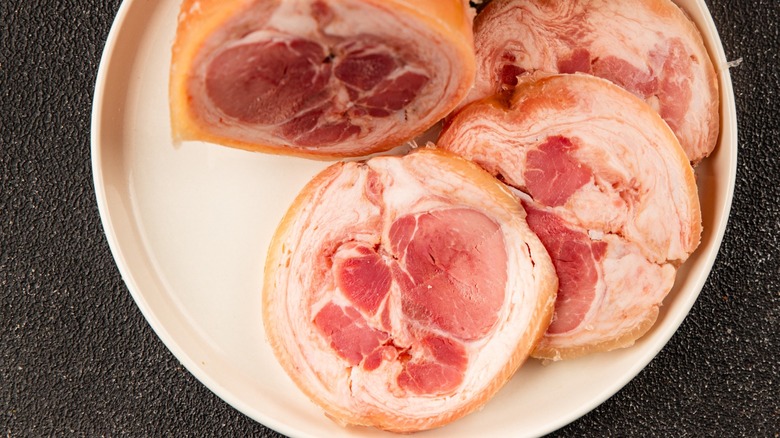
Another cut of pork that you should definitely avoid grilling is ham hocks. They're meant for braising, so save your ham hocks for stewed beans, stocks, broths, and soups. You may be asking yourself: "Aren't ham hocks and pork shanks the same thing? Well, actually, they're not. The ham hock is the joint below the pig's knee and elbow, closer to the foot. Pork shanks are the meatier portion above the hock. Hocks are typically smaller and bony, often cured or smoked and used to season dishes, whereas shanks are generally larger and have much more meat, making them perfect for slow-braising applications. Either one of them you should avoid when looking for cuts of pork to grill.
Similar to pork shanks, ham hocks have a large amount of connective tissue or collagen, which requires long, slow cooking to break it down and make it fork-tender, which grilling alone can't achieve. However, it is possible to grill a precooked ham hock for a few minutes to caramelize its surface. A raw, uncured ham hock needs to be simmered or braised in a liquid for hours to make it tender, silky, and most importantly, safe to eat.