

The Fruit With The Most Potassium (More Than A Banana)
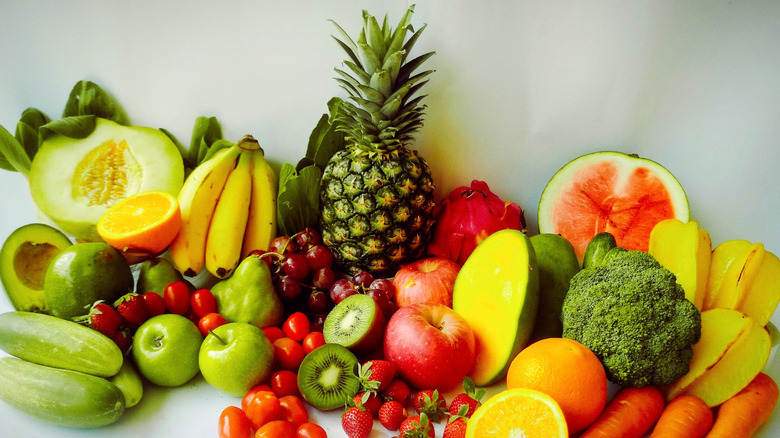
If you've ever stopped to wonder when you learned that bananas were a potassium powerhouse, for a lot of us, it was likely while watching the '90s family comedy "Honey, We Shrunk Ourselves." It was during a specific scene when one of the kids in the film with a potassium deficiency faints and recovers after his peers, realizing that bananas contain potassium, feed him pieces. Since then, for a lot of us, bananas have been the poster child (or fruit) for potassium-packed produce. When it comes to how much potassium is in one banana, a medium banana serves approximately 420 milligrams of potassium, which is roughly 12% the recommended daily intake. This translates to about 360 milligrams of potassium per 100 grams of banana. While that is an impressive amount of potassium from what could be blended into a flavorful smoothie or enjoyed as a quick snack, there are several other fruits that exceed bananas when it comes to the amount of potassium they provide.
If we were to go by the amount of potassium per 100 grams, avocados take the lead with a notable 576 milligrams of potassium. But if you were looking at the whole fruit, watermelons are the way to go, with an entire melon that weighs about 4.5 kilograms, which is nearly 10 pounds, delivering over 5,000 milligrams of potassium! Truth be told, it's highly unlikely that anyone is feasting on a 10-pound watermelon in one sitting, so if you want to boost the potassium content in a creamy smoothie or an indulgent, yet healthy chocolate pudding, consider swapping out the bananas and use avocados instead. Or better yet, blend a combination of the two for a touch of natural sweetness from the banana.
The importance of potassium in our diets
Going back to the movie scene where the young actor's character recovers thanks to the potassium boost from bananas, what makes the 19th element of the periodic table such a crucial contributor to our well-being? Potassium is a vital mineral for optimum cellular function, which in turn affects entire organ systems, and ultimately our individual, overall health. It plays a critical role in our metabolism, protein synthesis, nerve and muscle function, and heart health, among other key, life-promoting functions in our body. Interestingly, during the hunter-gatherer days, our diets were abundant in potassium, but now Americans reportedly don't even get half the amount of potassium in their diets. Low blood potassium levels cause a condition called hypokalemia, which can occur when you don't consume enough potassium, have existing genetic conditions, or easily lose potassium through either end of the digestive tract. Some common symptoms of hypokalemia include fatigue, heart palpitations, muscle weakness, and lightheadedness.
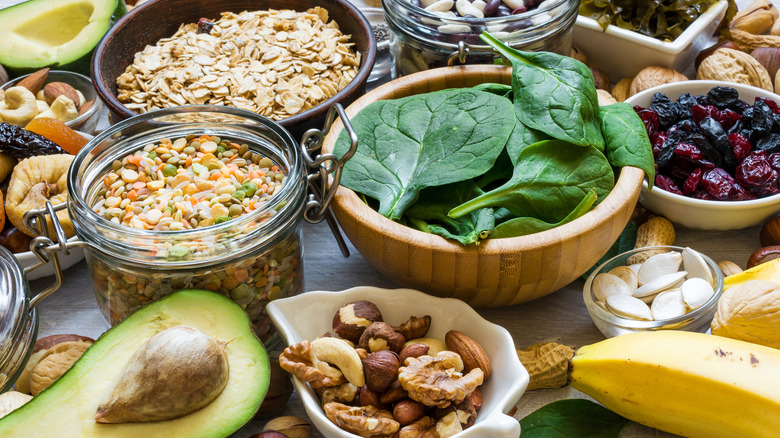
Thankfully, getting in your daily recommended dose of potassium is as easy as it is delicious. From bananas, avocados, watermelons, and more, the plant kingdom is thriving with sources of potassium that best suit your needs. Whether you choose to turn your avocados into a delicious guacamole, bite into a juicy, sweet slice of watermelon during the peak of summer, savor a baked acorn squash or potatoes with their skins on for an autumnal spread, snack on dried apricots, or whip up a nutritious salad packed with dark leafy greens and white beans, you're bound to get a substantial serving of potassium in every bite. Plus, since plant-based foods are rich in fiber, your gut health also benefits from a diverse microbiome when you incorporate more whole, plant-rich ingredients into your meals.