

8 Expert Approved Tips For Making The Perfect Negroni

As a bartender in New York, I have found that the classic Negroni, which originated in Italy and has been around since the early 1900s, is a divisive cocktail — drinkers tend to either love it or hate it. A typical Negroni features just three ingredients: gin, bitter liqueur (typically Campari), and sweet vermouth, in a 1:1:1 ratio, with a citrus garnish (typically an orange peel).
The combination of bitter and sweet can be off-putting at first, although there's a reason many in the service industry (including the legendary Anthony Bourdain) prefer this cocktail before, during, or after a meal, shift, or long day. Perhaps because it's simple, but also because it's spirit forward and pretty to look at, the Negroni has staying power, and lots of industry leaders have tips on how to create your own version of the drink.
We spoke to a variety of bartenders, brand reps, managers, and mixologists from across the country to offer their opinions on the "perfect" Negroni. Grab your mixing glass and read on for the agreed-upon tips – with some variations, as well. As Reed Windle, bar lead at n/soto in Los Angeles says, "Truly, the perfect Negroni tastes like the one in your hand."
1. Use high quality ingredients
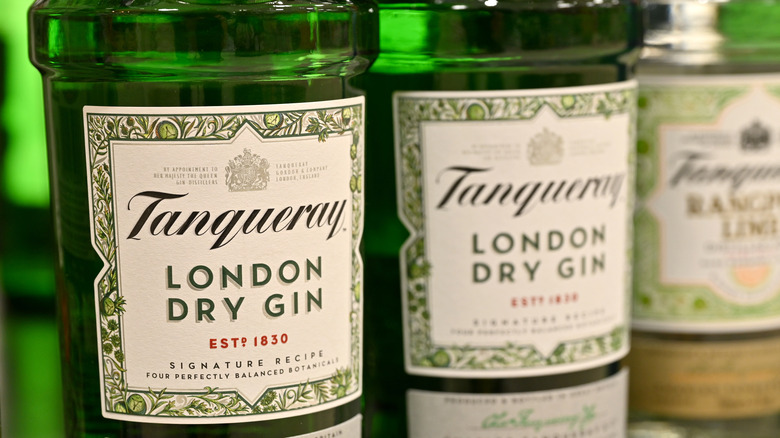
While you can certainly make a solid drink with what you grab from the local liquor store, our experts agree that high quality ingredients can make a substantial difference. Gareth "G" Franklin, who works with Luxardo as their in-house mixologist, notes, "The ingredients you use can really change the personality and flavors of the Negroni."
Franklin prefers a London Dry gin "that's crisp and clean, without any distracting flavors." Gustavo "Moose" Campos, Beverage Manager at Port Sa'id in New York, agrees, although he notes he likes "something juniper-forward and herbal."
For a twist on the London Dry, Ria Kim, Beverage Director at Smoke Door in Lake Tahoe, prefers something a little different: "135 East Hyogo Gin, because it contains many of the same London Gin botanicals, but added Japanese ingredients...yuzu, shiso, and sansho pepper will shine through."
Everyone agrees that the classic Campari works just fine (and gives the drink its recognizable red color), and there are a variety of sweet vermouths to choose from. However, one tip to note from Kenzo Han, Bar Director at Firstborn (and one of PUNCH's Best New Bartenders 2025) is to not leave a bottle of vermouth out on the counter for too long. Han says, "That's the only way you can go wrong. If you have a bottle of vermouth that's old and has been sitting out, it will taste really bad." They recommend getting a half bottle to keep at home if you're not mixing every night.
2. Make sure the ratios are balanced
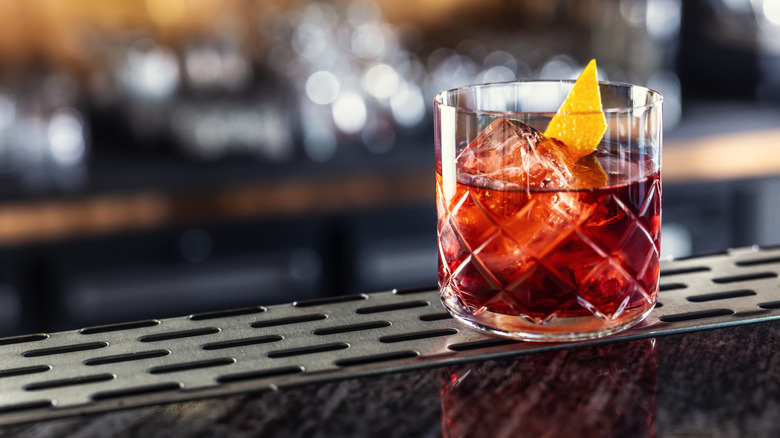
In a classic Negroni, you're looking for that equally weighted balance of spirits among gin, bitter liqueur, and sweet vermouth. As Kevin Nguyễn, the Bar Lead at Camélia in Los Angeles notes, in the completed Negroni, "You should be able to discern every ingredient inside the drink while not having one feel overpowering the other."
If one of the three alcohols is popping out over the others, it may make the drink not taste as smooth going down. However, one way to experiment and find what you like is to try different flavor expressions of the individual spirits — or even swap out the base gin for prosecco (creating a Negroni Sbagliato) or try whiskey to make a Boulevardier — you'll just need to play with the other two ingredients to get the final taste just right.
Colly Whelan, the General Manager at Inday's Bar & Restaurant in New York, says that the "beauty [of a Negroni] is in the simplicity. When balanced properly, it's already bitter, aromatic, and complex." Reed Windle agrees that if you've mixed your ingredients correctly, the finished Negroni should reflect "the balance of herbaceousness, bitter, sweet, and aromas."
3. Stir, never shake
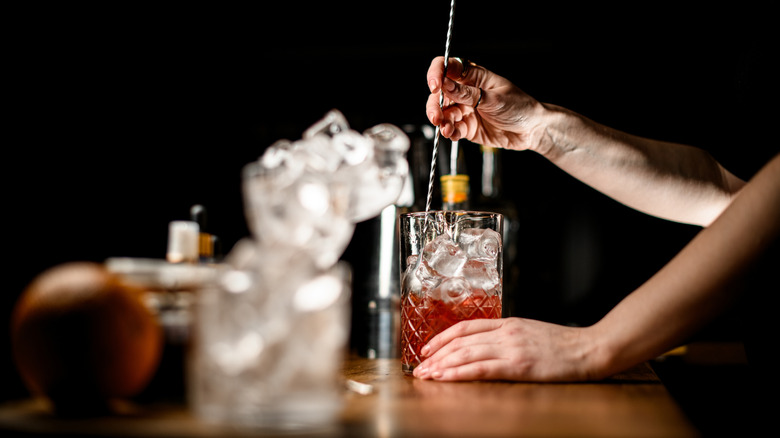
One tip all of our experts agree on: stir, never shake, your Negroni. Kenzo Han says with a laugh, "I would definitely not shake it. I would be entertained [if I saw someone else shake], but I would not recommend it."
This is for a simple reason: some cocktails need shaking to dilute the cocktail or froth it, and those actions are not ideal for a Negroni. Ria Kim notes that "stirring gives the cocktail a velvety mouthfeel and dilutes it slowly," while Kevin Nguyễn adds "stirring your Negroni allows the cocktail to feel more dense, velvety in texture, almost silky!"
Even with stirring, however, our experts warn about getting the dilution just right. Reed Windle says he thinks that one of the most common mistakes to make is over or under diluting: "Too little dilution will make a negroni syrupy. Too much and it's like a weird, flat, and medicinal highball." G Franklin adds, "if you over-dilute in a mixing glass before serving, there's no turning back — it's done. It's like salt in cooking: you can always add more, but you can't take it away."
But how much should you stir to reach your perfect dilution? Gustavo "Moose" Campos says thirty seconds, or thirty rotations.
4. Make sure it's chilled
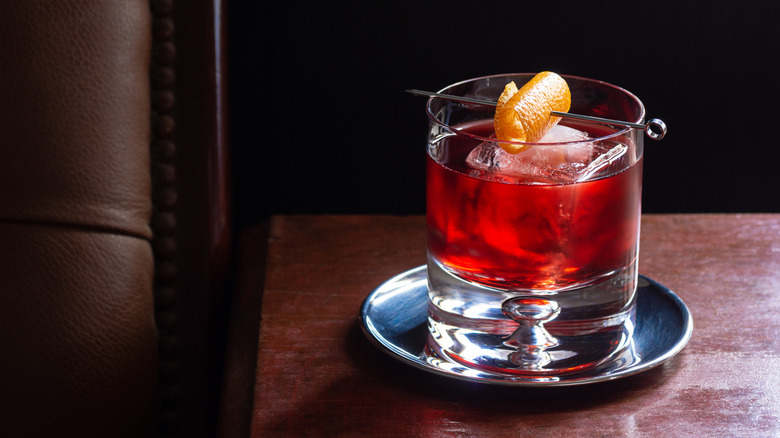
Another tip the experts agree on is that a Negroni needs to be served cold, and with proper ice; however, their individual methods for achieving that effect vary. "I like stirring it in a frozen mixing glass. The flavors taste really good when it's cold," says Kenzo Han. "Not quite as cold and diluted as a Martini, but colder than an Old Fashioned."
G Franklin agrees that you want to keep the drink cold for as long as possible, and recommends "using proper molds to make large cubes, blocks or spheres...as they don't melt as fast."
While Reed Windle agrees and personally prefers pouring the drink over a "big rock," he acknowledges you can play around a bit with the ice if you're entertaining friends. "Buy yourself a mini cooler and an ice pick. Freeze water in the cooler with the lid removed. Once it's frozen, take it out and break it down into chunks. I find that even misshapen, chunky ice in a cocktail is way more fun than a molded square."
However, if you're making ice at home, Kevin Nguyễn warns you to consider the air, odors, and flavors your personal freezer may capture that will influence the overall taste of the cocktail.
5. Pour into a rocks glass

Almost everyone we spoke with mentioned a classic rocks glass as the standard vessel for a Negroni. Beyond the tradition of it, the shape and heft of the glass itself can also help retain flavors and temperature, as it's constructed to hold one of those large cubes of ice we mentioned. Additionally, the dense base can aid in stirring directly in the glass.
Gustavo "Moose" Campos says, "I love a hefty double rocks glass, preferably made from crystal. Something with weight that feels solid in your hand." Ria Kim agrees. "I like to stick to the traditional rocks glass. I prefer an angled shape and thick-walled. It's the perfect vessel to show off that bright hue."
While a rocks glass won't make or break the taste of your Negroni, it will aid in the presentation — and your experience. G Franklin muses, "It's almost like putting on your favorite shirt or a new jacket, it just feels right or can level up your mood – with the right glassware that's familiar or fancy, you'll just feel good about yourself when you're drinking it."
6. Use a citrus garnish

It's common practice to use some kind of citrus expression as a garnish for a Negroni — typically an orange peel twist. However, while our experts have their own "twists" on the classic, everyone agrees that some kind of addition in the citrus family completes the drink.
Gustavo "Moose" Campos focuses on incorporating the orange rind throughout the cocktail. "The real magic is in expressing the oils from the peel over the entire rim, rounding out the drink and giving the orange flavor throughout the entire experience." Colly Whelan adds a spray of saline in with the citrus, saying, "orange oil or not, I think salt is a must and rounds the drink out further."
Kenzo Han uses more than the rind — he takes an entire orange wedge and uses it in the construction of the drink. Han says, "I usually pour over the wedge or have the wedge in the liquid. That tiny extra bump of acidity and brightness is nice."
For an alternate choice, Adolfo Garcia, General Manager at Mother Wolf in Los Angeles, favors a grapefruit peel. "There's something about grapefruit that truly brings out the flaws and hidden gems in a Negroni." G Franklin also either uses orange or lemon zest, depending on whether he's indoors or outdoors, and likes to add "a Luxardo Maraschino Cherry on top or alongside the cocktail as it's perfect for cleansing the bitterness once you've finished the drink."
7. Know your audience

Practice makes perfect — and different drinkers in different environments (friends versus customers, for example) will have all kinds of requests and expectations, particularly in disparate parts of the world.
For example, G Franklin reminds us that "the Negroni is very much a cultural taste. Italians, from a very young age, grow up with an exposure to, and often a preference for, bitter flavors, especially when it comes to drinks. For other cultures, bitterness can be less common and even a bit unfamiliar."
You may want to play around with different flavor profiles in your spirits to accommodate your audience. Ask what your customer is comfortable with if you don't know! As Cyllan Hicks, the head mixologist at Nothing Really Matters in New York, points out, "some people don't like Campari, so I'd switch to Aperol for the sweetness."
And Adolfo Garcia reminds us that you shouldn't be afraid to mess up, because "you have a different palate than your guest, so ask for people's opinions and take their criticism as fuel for your growth."
8. Feel free to play around
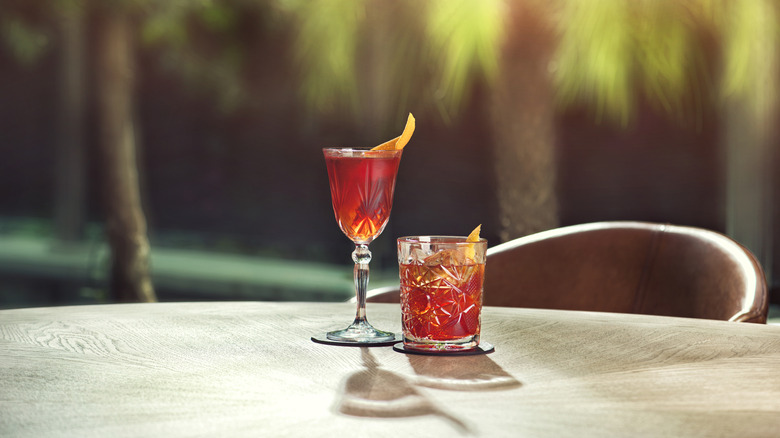
The most exciting part about working in the bar industry is that someone is always innovating! Making drinks is a storied tradition, but that doesn't mean it can't be fun. As mentioned elsewhere here, finding what works for you (or your customer) is the primary goal, and sometimes it will take some experimentation to find your perfect Negroni.
Take a look at some creative takes our experts have invented, for example. Gustavo "Moose" Campos created a cocktail called "the Pomagroni, which was a playful take designed to soften the classic bitterness of a Negroni. It featured pomegranate to brighten things up and was garnished with a sage leaf for an earthy aroma."
Kevin Nguyễn made his take on a Negroni "with a gin that was distilled with sakekasu in the base and incorporated genmaicha and cacao along with the classic mix of Campari and sweet vermouth. It kind of tasted like an almond joy: roasted coconut, cacao, malty." And Reed Windle emphasizes having fun and playing with flavors like "saltiness, acidity, umami, juiciness, or roasted."
However you mix your Negroni, keep in mind some parting advice from G Franklin: "It may sound a little cheesy, but for me, the perfect Negroni tastes like life. It's strong and sweet, a little bitter at times, but always delicious."