

Don't Bother Refrigerating These 9 Condiments
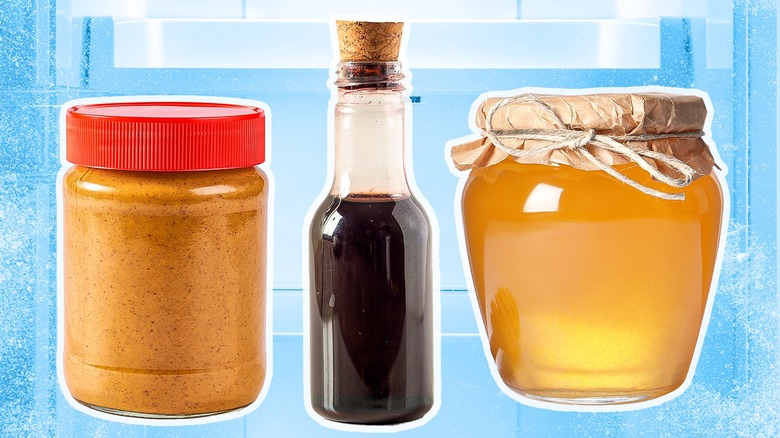
Refrigeration is necessary for many foods in order to keep them safe to eat, but several products seem to be in a gray area. Some people insist certain items have to be refrigerated, and others say keeping them in the pantry or on the counter is totally fine. Condiments are at the center of many of these debates, so we took a closer look at some of them to find out if they should or shouldn't be kept in the fridge. It turns out that sometimes some of they don't, but it depends.
The ingredients, cooking process, and storage conditions all play a role in whether something can stay in your cupboard after you open it. Specific ingredients help prevent bacterial growth while others promote it; whether the product is homemade or store-bought is another issue. How quickly you use the items is a huge clue, and how hot or cold your home gets is yet another factor that can turn a normally shelf-stable condiment into a refrigerator resident. Heat, light, air exposure, and time all promote the degradation of food products. You need to know what can affect the quality and safety of condiments so that you can adjust the storage location as required. But even if you have a policy of refrigerating or freezing everything, it helps to know what can stay unrefrigerated in case there's a power outage, and you need to know which foods to toss. With all that in mind, here are nine condiments that, in most cases, you don't need to bother refrigerating.
1. Honey
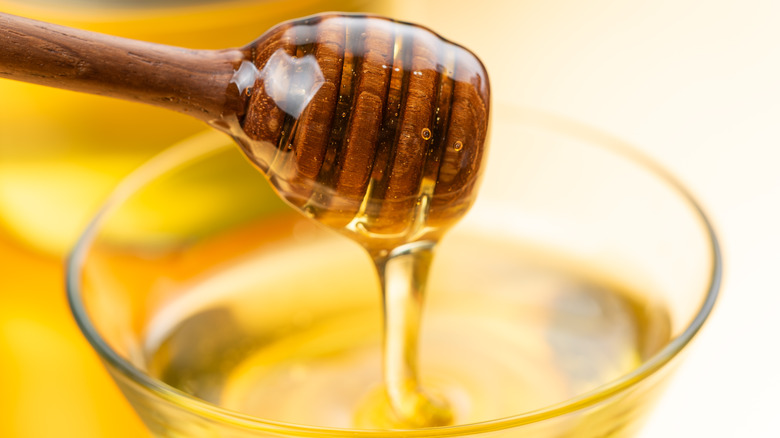
Technically, you could refrigerate honey, but chilling is actually detrimental to its texture. When runny honey (the type you squeeze out of a plastic bottle) gets cold, it crystallizes and becomes a chunky mess that's hard to use. Crystallization can occur at relatively low room temperatures, so it's easy to see how quickly refrigeration would cause the honey to solidify. The optimal storage temperature range for honey is between about 64 and 75 degrees Fahrenheit. Some sources place the range between 50 and 70 degrees Fahrenheit, so experiment and see how the honey you bought reacts. If it crystallizes, you can decrystallize it by placing the bottle (cap off, so don't submerge the entire bottle) in a bowl of warm water and stirring every few minutes.
But what if you're in a hot region, and the interior of your home is much hotter than 75 degrees Fahrenheit? Heat can change honey's color and taste, and the overall quality degrades. But refrigeration isn't the answer. Instead, find the darkest, coolest cupboard you can and store the honey there. If that's not an option, divide the honey into smaller amounts, and keep one portion in the cupboard in a tightly sealed jar, and the rest in the freezer. Honey won't freeze completely solid, but temperatures below freezing aren't conducive to crystallization. Pre-measure it before freezing to make it easier to retrieve.
2. Coconut oil
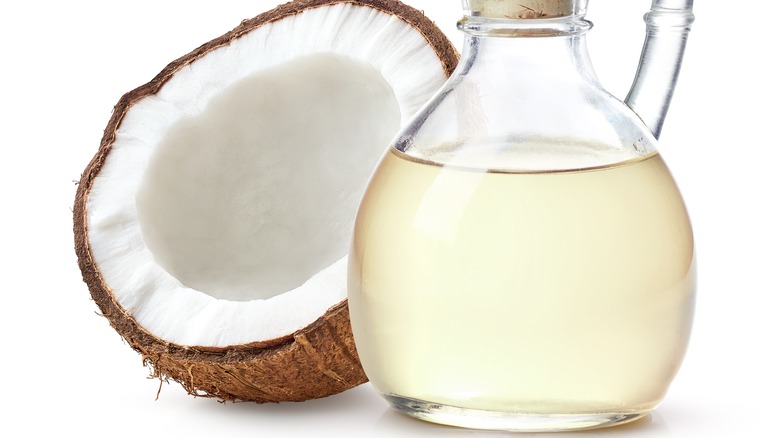
Like honey, coconut oil tends to solidify at cooler room temperatures. In this case, however, solidification isn't a problem. Solid, room-temperature coconut oil remains scoopable and very usable; all refrigeration will do is make the stuff too hard to scoop out. Coconut oil is also shelf-stable even after opening — if stored properly in an airtight container and kept away from light and heat sources, which can make the oil degrade more quickly. So, if your home is cool enough that the coconut oil is solid when in your pantry, it's perfectly fine to leave the oil unrefrigerated.
But not every home is cool enough inside to keep coconut oil from melting, especially in summer. Is that a sign you should refrigerate the oil? Still no. Melted coconut oil is still shelf-stable; just remember to store the melted oil in a dark cupboard and keep the container tightly sealed. Air exposure is a major source of contamination, and an airtight container helps reduce the risk of premature spoilage. If you prefer solid coconut oil, you can store it in the refrigerator. When you're ready to use the oil, take the container out a little early and let the oil soften before using.
3. Certain jams or jellies
A PB&J sandwich is a mainstay of unrefrigerated lunches, so opened jams and jelly should be shelf-stable, right? Some of them can be, up to a very limited point.
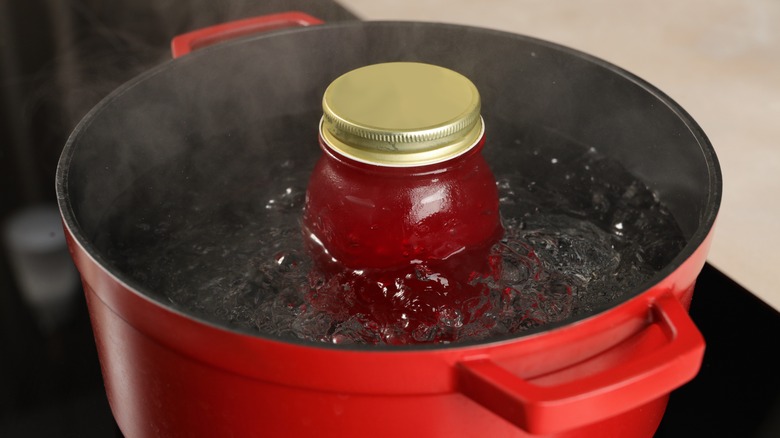
Classic jams and jellies have high sugar and acid levels. They are also put through a process called water-bath canning, in which just-sealed jars are submerged in boiling water to kill microbes and keep the jams and jellies safe to eat. These jars can be kept in a cool, dark pantry for up to a week after opening.
Reduced-sugar jams and those with less acidic fruit deteriorate more quickly. Discard the jelly if it becomes moldy or smells bad. Note that some brands have shorter windows, so check the label to be sure. (And those PB&J sandwiches? Don't leave them unrefrigerated for more than a day.)
While technically you can keep some types in the pantry, in general, it's advised that jams and jellies be refrigerated once opened, regardless of ingredients or processing method. One potential reason is a home's warmth, which leads to less-than-ideal storage conditions for open jam jars. Another reason is that the preservatives used may not be enough to keep the jam safe at room temperature.
Homemade jams and jellies should go in the fridge after opening, and "refrigerator" or "freezer" jams should never be left open at room temperature. Those aren't canned in a boiling water bath and should be treated as perishable.
4. Some peanut butters
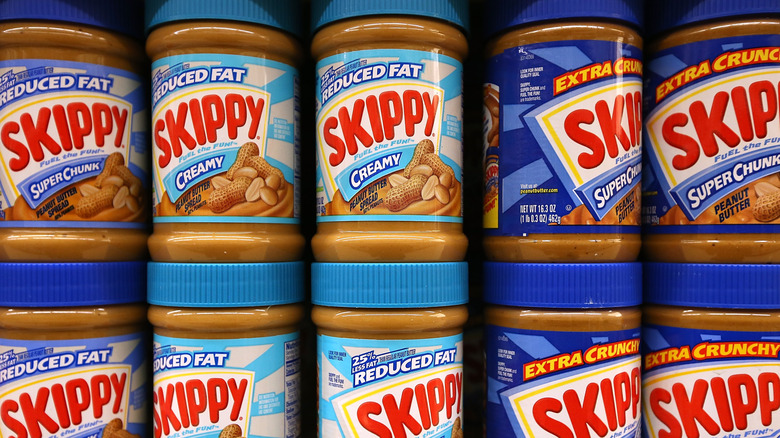
Like jam, peanut butter can be shelf-stable after opening, to a point. Unlike jam, however, you can be a little more lenient with peanut butter, depending on the type you have. In general, commercially produced peanut butter made with hydrogenated oils can stay in the pantry after you've opened the jar for about two to three months. Those made with more natural ingredients and containing separate oil and peanut layers can be stored in the pantry for up to a month after opening.
There are some exceptions. If the label indicates you should refrigerate the product, do that regardless of ingredients. If you have no cool and dry storage space, such as in a home with no air conditioning that gets very warm in the summer, you're better off refrigerating opened jars of peanut butter. As for homemade peanut butter, it's best to keep it in the fridge to preserve quality.
5. Most types of vinegar
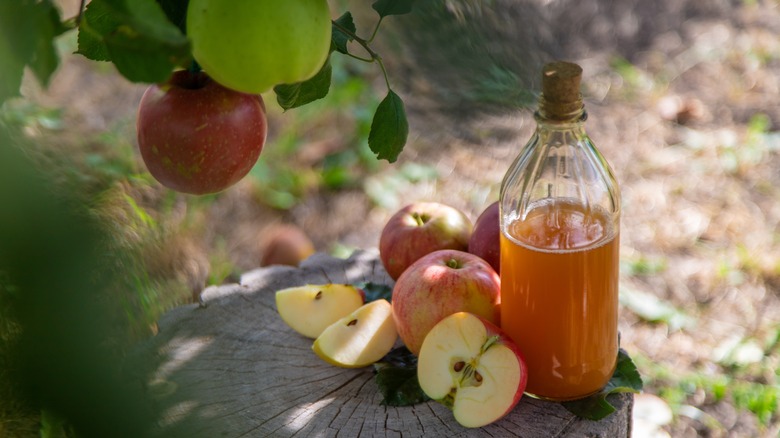
Most commercially produced vinegars can be stored in the pantry after you've opened them. Do keep them in cool, dry locations away from stoves, and don't leave them in dispensers without tight lids. Exposure to air, light, and heat can make vinegar degrade over time, so the storage location should be relatively dark. White distilled vinegar has a very long shelf life, and darker vinegars are good at room temperature for at least a couple of years. Note that balsamic and red wine vinegars benefit from very cool storage, although those, too, can stay at room temperature.
Some homemade vinegars are better off in the refrigerator, however. Homemade products don't last that long unrefrigerated — only about three months — and refrigeration can double that life span. They can also harbor bacteria, and refrigeration helps prevent them from multiplying. If you're going to make homemade vinegar, you may want to keep it in the refrigerator just in case. If you decide to keep it out, do not store it in sunny areas.
6. Ghee -- if you use it up quickly
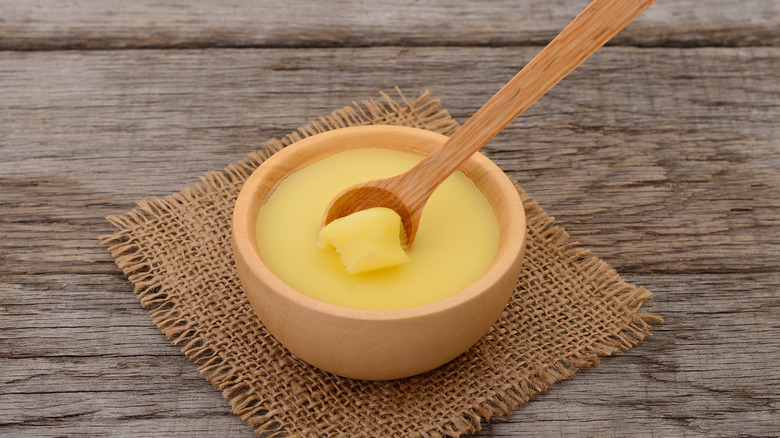
Commercially bottled ghee can be stored in the pantry if you use it within about six months. Some brands claim their ghee can last for a year unrefrigerated, so it's wise to check the label first. It's crucial that you keep the ghee in a cool, dark location in a tightly sealed container. If your home is on the warmer side, keep it in the refrigerator once opened. Refrigeration will cause the ghee to harden, much like coconut oil. Let the jar sit out for a bit to soften the ghee, then take the amount you need and return the jar to the refrigerator.
Homemade ghee has a shorter shelf life, with unrefrigerated ghee (kept in appropriate conditions) lasting maybe three months. However, the quality and safety of the homemade version depends on how well you follow proper procedures when making and storing it. You can refrigerate the opened jar for up to six months or stick it in the freezer. Be sure to use a freezer-safe container as not all jars are meant to be frozen. Defrost the ghee in the fridge before using.
7. Commercially bottled ketchup -- if you use it up very quickly
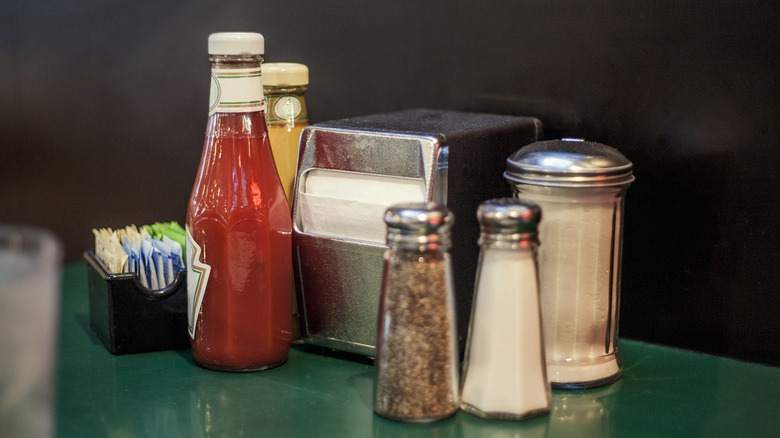
You often see open bottles of ketchup on tables at restaurants, so this must be a shelf-stable condiment that doesn't need refrigeration, right? Yes and no. First, let's get homemade ketchup out of the way: Store this in the refrigerator. Homemade recipes lack the stabilizing and preserving ingredients needed to keep ketchup safe to eat when kept outside the fridge.
But for most brands of commercially produced ketchup, pantry storage for opened bottles is okay if you use it up within a month. Turnover is the reason restaurants can leave those open ketchup bottles out for days. Customers use up the ketchup so quickly that it doesn't have a chance to decline in quality. However, leaving open ketchup bottles in the pantry for longer than that increases the chances that the liquid and solid ingredients will separate, the flavor will decline, and the quality will go downhill fast.
If you really want the ketchup to retain its best flavor and color, storing it in the refrigerator is better, even if food safety isn't an issue. And take note of label instructions. Some smaller brands of ketchup that don't use preservatives and need refrigeration after opening to prevent fermentation and spoilage.
8. Most hot sauces
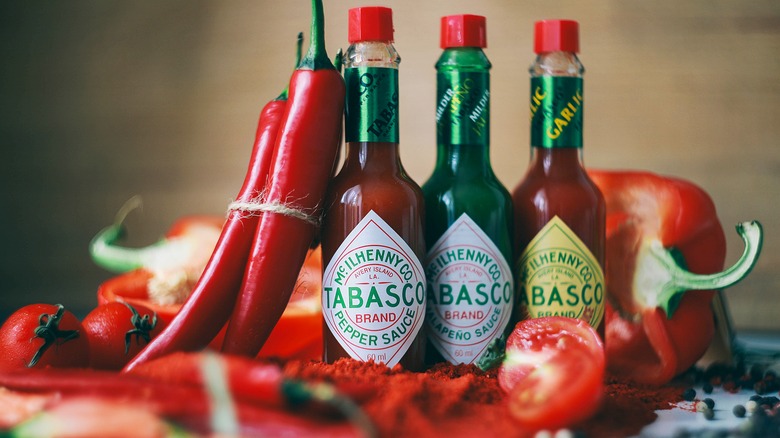
In general, commercially made hot sauce doesn't need to be refrigerated after opening, but you should keep an eye on how quickly you're using up the sauce as well as what the ingredients are. Most commercial hot sauces contain vinegar, salt, and Capsaicin as main ingredients along with added preservatives — all of which help fight off bacteria and make hot sauce shelf-stable even after opening.
Still, it's best to follow the manufacturer's instructions. Varying levels of vinegar and salt, and a lack of added preservatives affect how safe the opened sauces are at room temperature. Some hot sauces use oil as the main ingredient instead of vinegar or contain chunks of fruit, making it less acidic and more hospitable to bacterial growth. Keep hot sauces like those in the fridge. Also, fermented hot sauces can keep fermenting and shatter the container if left unrefrigerated.
But what if the sauce's label doesn't say anything about refrigeration, and the ingredients look like the classic vinegar/salt/pepper combination? Those likely can stay out of the refrigerator if you're going to use them all up within a couple of weeks, or longer if the manufacturer says so. Any longer than that, and the product's color and flavor may change. To help preserve quality, store sauces you're not using frequently in the refrigerator.
9. Soy sauce
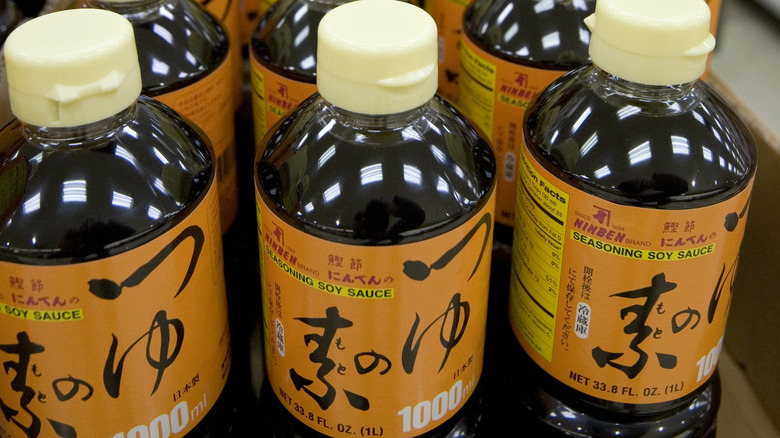
Soy sauce is another condiment that can stay out of the refrigerator if you plan to use it within a reasonably short time-frame — and if you're using a particular type of soy sauce. The high amounts of sodium in regular soy sauce act as a preservative, allowing you to store it in the pantry for about three to six months. While it doesn't need to be refrigerated during that time, doing so will help maintain its flavor. Regardless, if you plan to keep it any longer than that, you'll need to put it in the fridge to help extend its shelf life.
If you have low-sodium soy sauce, then the product isn't going to have the same preservation capability. You won't have to refrigerate low-sodium soy sauce that's unopened, but once you open it, do keep it in the refrigerator. In either case, those bottles of soy sauce need to be tightly capped and kept away from heat sources like your stove, and direct sunlight.