

15 Expert Approved Tips For Designing A Mid-Century Modern-Inspired Kitchen
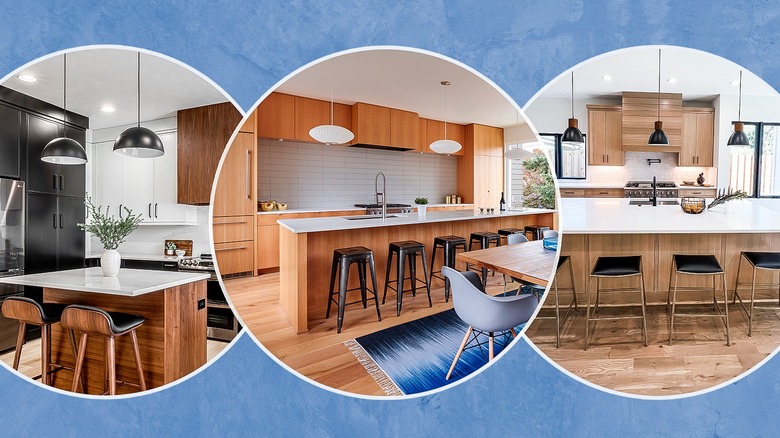
While the primary job of a kitchen is functional — to serve as a place for preparing and eating meals – they can also serve as time capsules from a bygone era and be a way for homeowners to infuse their own sense of style into their space. Although decades (and sometimes even centuries) may have passed since the time some kitchen styles were popularized, you'll see many still crop up today — including mid-century modern (MCM) ones. The style initially emerged following the end of World War II and emphasized functionality and structure. It almost acted like almost a counter to the elaborately decorated, ornate spaces of decades past. Many homeowners still find charm in this style and its approach to clean lines, earthy materials, and layering, and try to emulate the same design style in their own space. The result?
In order to get some insight and helpful tips on designing a practical, affordable, and true-to-the-style mid-century modern-inspired kitchen, we spoke to four design experts: Todd Harmon, principal designer and co-founder of Harmonia Living; Anna Tatsioni, lead interior designer and architect at Decorilla; Paul McManus, president of McManus Kitchen and Bath; and Jo Rich, designer at Raydoor Sliding Walls and Doors. Not only did they share what folks should keep in mind during the planning and design process to uphold this style to its fullest extent, but they also offered some simple tips for kickstarting the journey to the mid-century modern kitchen of your dreams.
1. Keep your space open and airy
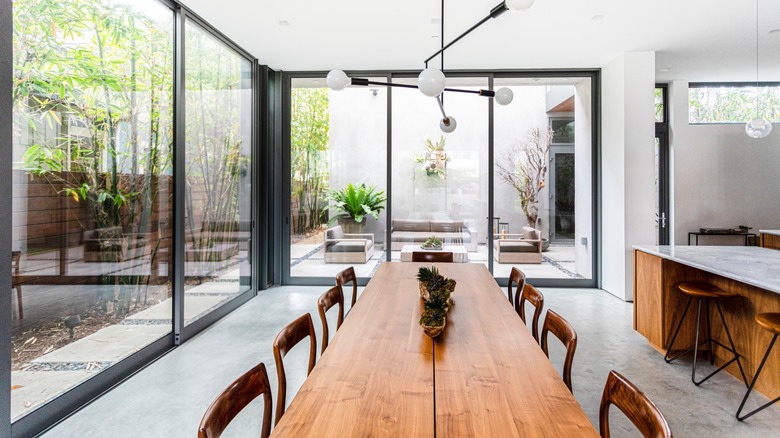
When considering the design (and potential redesign) of a space, it's always helpful to look at the larger picture, rather than immediately zooming in and consuming yourself with the small details. Speaking broadly, mid-century modern kitchens are often recognized as airy, open spaces that prioritize earthy tones and natural wood. They're not the same as retro kitchens, which may have more kitsch elements and a more closed-in feel.
There are many ways that you can create height, dimension, and airiness within your space, though the methods you choose will depend largely on your space and your budget. "Floating shelves, staggered cabinet heights, and open cubbies provide layering, preventing the kitchen from appearing flat," says Todd Harmon.
If you are looking for a more modern take on this design, for example, you may want to install skylights or floor-to-ceiling windows to increase the amount of natural light streaming into your kitchen. You can also make your space look taller and incorporate more clean lines – like ditching upper cabinets for floating shelves — or opt for an open floor plan that allows your guest to see into your kitchen from the dining space. An indoor-outdoor feel can also be cultivated by introducing houseplants and greenery into your kitchen. Once you have this broad idea of the feeling and aesthetic you're trying to incorporate into your kitchen, you can start to zoom in and look at the smaller details.
2. Play with matte and high-gloss surfaces in your space
If we were to summarize mid-century modern kitchen design in one word, it would be "synergy." Contrasting elements, like matte and high-gloss surfaces, come together to create visual and functional cohesion. If you look at photos of mid-century modern kitchens, you'll see some design elements that are more modern and glossy (like cabinets and countertops) and others that are matte and emulate the textures found in nature (like wood shelving). Getting the perfect balance of these two distinct textures can promote an indoor-outdoor feeling and create visual dimension within your space.
There are many ways you can use matte textures to ground your space. If you're opting for high-gloss countertops or cabinets, for example, try balancing out that modernity with a stone backsplash. Or, if you're sticking with wood-grain cabinets, try a funky, glossy tiled backsplash or entire wall of tiles. The golden rule here is to make your design look intentional and find meaningful ways to balance modern and natural materials for visual harmony.
3. Prioritize wood within your space
If there is one design element that mid-century modern kitchens are known for, it's wood. "In a mid-century modern kitchen, wood is never just a surface — wood is the soul and heart of the space," says Todd Harmon.
Anna Tatsioni supports this sentiment, noting that there are many different woods to choose from, which can make selecting the right one for your space difficult. "That's why I like to tell my clients that, put simply, walnut is rich and dramatic, teak has that golden glow, and oak is lighter and usually kinder on the budget," she says. "I find this helps them narrow down a wood choice based on the look and feel they're going for, plus budget, of course." Tatsioni suggests opting for these three types of wood on lower cabinets, and using darker woods, like walnut, in busier kitchens where dings and dents are more readily apparent.
4. Create visual dimension and zones with color
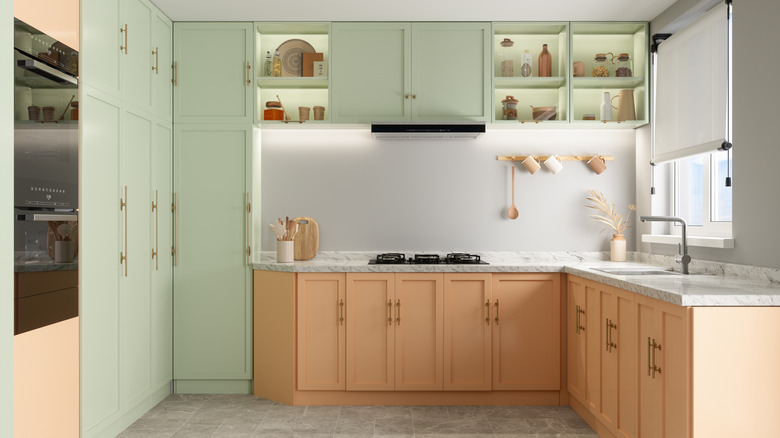
Besides wood, one of the other features of mid-century modern kitchens is the use of color blocking, which, as Paul McManus explains, was first popularized in mid-century design. Todd Harmon shares that the use of color blocking harkens back to the open-concept design of mid-century modern kitchens. "Contrasting visually separates areas in an [open-plan] kitchen, establishing prep, cooking, and eating areas that seem separate without the aid of walls," he says. He goes on to suggest matching the popular wood tones with pastels and jewel tones, "Think deep teal lower cabinets, walnut upper shelves, or a burnt orange accent wall."
It's important to note that not all colors work within a mid-century modern design. It's not about using every color under the rainbow as it is using colors to create harmony, movement, and silhouettes. "Be sure to use color blocking sparingly and pair with warm metal hardware to keep the palette intentional," says Jo Rich.
5. Opt for peel-and-stick tiles for a budget-friendly design
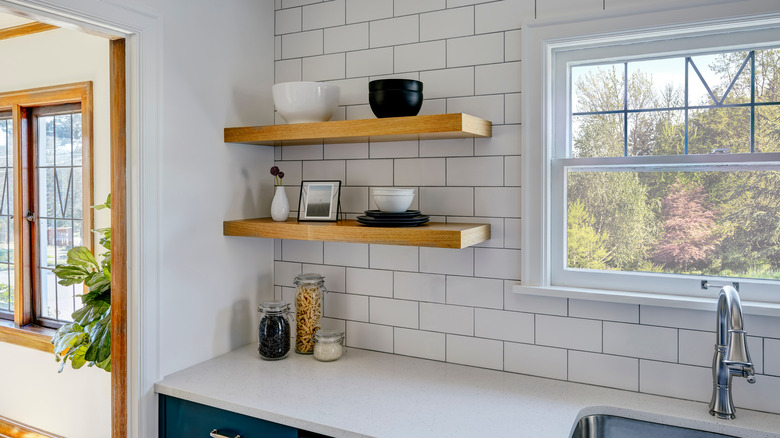
Tiles are something that every one of our experts mentioned when they shared their top tips for designing a mid-century modern kitchen. These bold patterns can be used in the same way as color blocking — to create spaces and delineate zones within the kitchen without the need for walls.
The fact of the matter is that there are so many different tile shapes, colors, and textures to choose from. Luckily, our experts clued us in to the ones to look for. "I would try to choose simple, geometric tiles, elongated or narrow subways in a stack bond or small hex/penny tiles for cleaner lines that are much easier to maintain," says Jo Rich. Meanwhile, Paul McManus suggests using geometric mosaics for the floor or backsplash of a mid-century modern design. "They add rhythm and texture without being fussy," he says.
Anyone who has done a kitchen renovation knows that tiles aren't cheap. However, Todd Harmon and Jo Rich offered a budget-friendly suggestion: peel-and-stick tiles. They can be used for singular bold walls, backsplashes, and more, and can really upgrade your space without doing too much damage to your wallet.
6. Keep your cabinetry basic
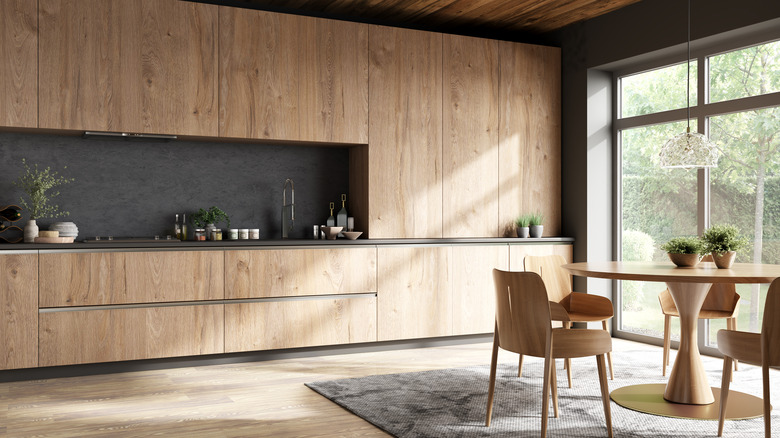
Geometry and shapes are two things that mid-century modern design leans into — everything except the cabinets. Paul McManus shares that woods including walnut, white oak, and teak, are common cabinet materials in this design style. "Slab door and drawer fronts are common but the 'slim shaker' door style works well, too," he says. In other words, think about flat doors that emulate a cascading "waterfall" pattern from the floor to the ceiling of your kitchen. He also suggests matching the wood grain on these cabinets with your drawers.
That said, wood is not the only cabinet material of choice for a mid-century modern kitchen. Many people will also paint their kitchen cabinets so that they fit in with the color blocking of the space. Lucite, another popular acrylic material, can also be used to establish zones in the kitchen and give your space a luxe, more modern feel.
7. Lean into angles and shapes
Although the cabinet design in a mid-century modern kitchen is relatively pared down, the use of dynamic patterns, shapes, and complex geometry is anything but. "Mid-century kitchens generally feature understated angles and layered textures that provide movement," says Todd Harmon. "Angled cabinet fronts or tapered legs of furniture provide rhythm, with the space appearing more open." He suggests starting simple — like swapping out straight-legged stools with ones that have tapered, angled legs. Unique-looking chairs and stools are a feature of many mid-century modern kitchens, as they blend simplicity and functionality with geometry and flow.
For a "lighter and ergonomic blend," Jo Rich recommends looking for tapered island legs, as well as sloped range hoods and furniture-style credenzas. This harkens back to the notion of creating airy, open spaces through design. "I love to include angles and layering, since these are the details that stop a kitchen from feeling flat," Anna Tatsioni says.
8. Consider buying mid-century appliances
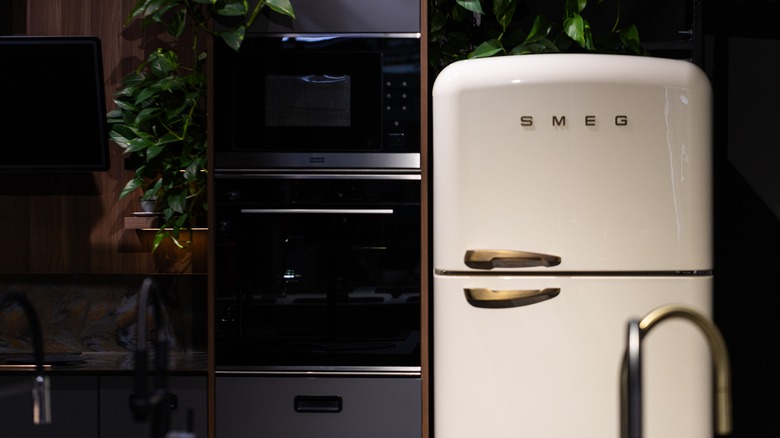
Sometimes, you don't just have to walk the walk when it comes to kitchen design — you also have to talk the talk. Investing in mid-century-specific appliances is a great way to give your kitchen a retro and stylish touch and firmly sell your space on the "mid-century modern" label. For one, you might want to create flow and movement in your kitchen by investing in a rounded retro refrigerator, like one from SMEG. The brand sells numerous appliances in pastel hues that will help you match them to other elements in your kitchen. Elmira Stove Works is another company worth looking at; its appliances have rounded edges and unique shapes that will make them the topic of conversation when you host folks for dinner in your newly designed mid-century modern kitchen.
Obviously, a fridge is a big investment, and you might be apprehensive about sinking a ton of money into an appliance that isn't fit for your needs but looks cool. In that case, you may want to infuse your mid-century approach into smaller items, like toasters, kettles, and the like, which can add a decorative flair without sacrificing versatility. After all, blending form and function is exactly what mid-century modern design is all about.
9. Swap out your hardware to easily upgrade your space
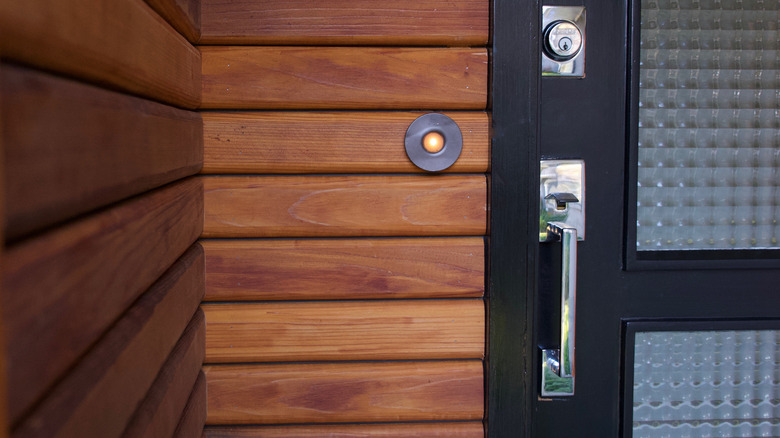
Details make a big difference in your kitchen design and are an important consideration when prioritizing cohesion. You might have cabinets that fit, but if you have hardware that looks a little "off," it can ruin your whole space. Instead of ornate knobs and elaborately decorated handles, mid-century modern design prioritizes clean, crisp lines. "Changing your cabinet hardware to simple round bar pulls can make a big difference too," says Paul McManus. Todd Harmon, meanwhile, recommends "[accentuating] accents," like using sleek brass or black knobs.
Fixtures, like faucets, are another small detail you may want to consider when selecting hardware. Some of the features to look for include a high arch — designed to accommodate large pieces of cookware, integrated sprayers, and chrome- or stainless-steel finishes. You may also want to look at the color of your cabinet handles and knobs and match them to your faucet.
10. Install functional accent lights to hone your aesthetic
Any home cook knows that lighting is an essential part of any kitchen design. Paul McManus shares that accent lighting, specifically, plays a very important role in mid-century kitchen design. This type of lighting highlights certain parts of a room and draws attention to small details that would be otherwise missed by overhead lighting.
Two features you may want to highlight in your mid-century modern kitchen are your cabinets and countertops. You can use under-cabinet lighting, toe kick lighting, and shelf lighting to draw attention to their clean lines. We love the idea of using lighting strips along toe kicks to give the impression that the kitchen island is floating. As with all mid-century modern features, the goal is to avoid things looking too clinical or sterile, so the best type of lighting is soft, welcoming, and cognizant of the inside-outside character of the design style. If your space has exposed beams on the ceiling, this might be another consideration when selecting accent lights, as you want to draw attention to these ornate design features.
11. Get funky with your lighting
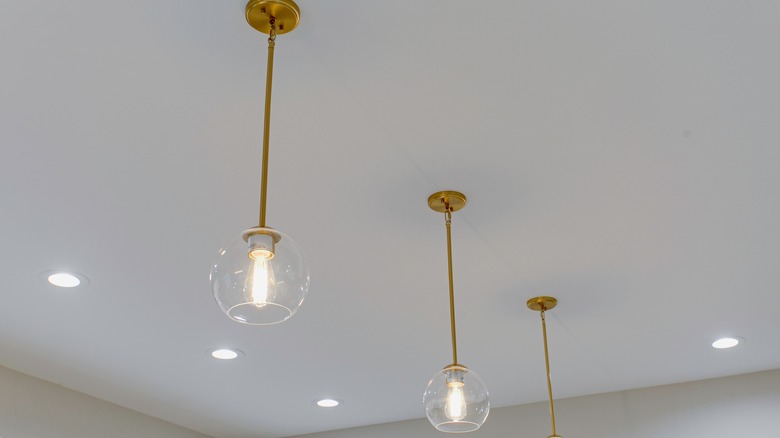
Now is a better time than ever to peruse IKEA's "funky lighting" section. Geometric pendants, unique shapes, and dramatic hanging lights are all in good company in a mid-century modern home. Paul McManus recommends adding brass or black finishes and globe shades to your lighting, as this will drive home that MCM character even more.
Another perk about making changes to your lighting is that it's relatively affordable and simple to do, yet can change the entire feel of the space. "It's simple to change out the overhead light for a globe or Sputnik pendant and those little shifts make a big impact," says Anna Tatsioni. "You don't need a full gut renovation to get the aesthetic." Think about using lighting at different heights to create depth and airiness in your space; avoid any lighting that is too clinical, ornate (like chandeliers), or recessed can lighting, as it can make your space feel flat and dull.
12. Install open shelving in wood tones
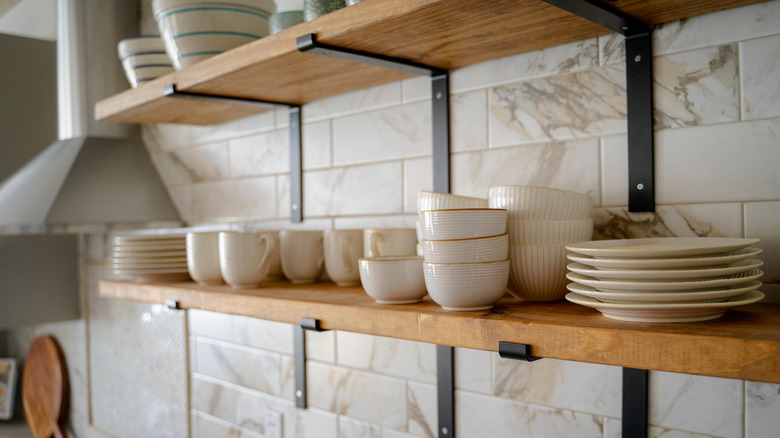
The whole idea behind mid-century modern design is to make a space look light, airy, and open. And, what better way to make your space look inviting than to substitute your classic closed shelving with open shelves? Floating shelves, in particular, are a simple and functional design feature that can really elevate a mid-century modern kitchen — and they never really go out of style. "Open shelves in walnut or teak are gorgeous, too," Anna Tatsioni says. "They look beautiful and keep everyday dishes right at hand." When you look at these shelves from afar, you can really see how they can make a space look taller and add visual dimension to an otherwise flat wall.
Tatsioni points out that floating shelves can be more affordable than new cabinets, too, and Todd Harmon shares that you can save even more by opting for reclaimed wood shelving. In order to stay within the realm of mid-century modern, be sure to match your hardware to the space — think black or brass brackets.
13. Don't neglect the flooring
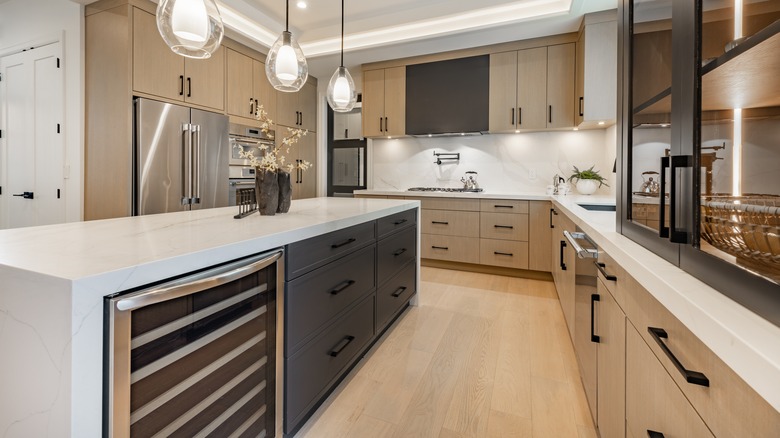
So much about designing a mid-century modern kitchen is about making it look taller and more open than it actually is. But with all this emphasis put on looking up, you may neglect to look down and really think hard about your flooring choice. It's the surface you'll interact with the most — more than cabinets or appliances — and you'll want to make sure you select a style and material that's fit for your needs. Plus, your choice in flooring also has a big impact on the overall design and cohesion of your space. "Large-format tile on the floor can make the room feel longer, while small-scale, patterned tile creates intimacy and texture surrounding prep stations," says Todd Harmon.
You'll want the color of your flooring to blend into your space, which is why we'd recommend using warm tones. Dark floors can make your kitchen look dirty and can make it feel closed off, while white flooring is hard to maintain. If you want to add a pop of color, you may want to opt for a geometric rug, per Harmon's suggestion, or try some colorful tile inlays to draw attention to certain parts of your kitchen.
14. Blend flow and function
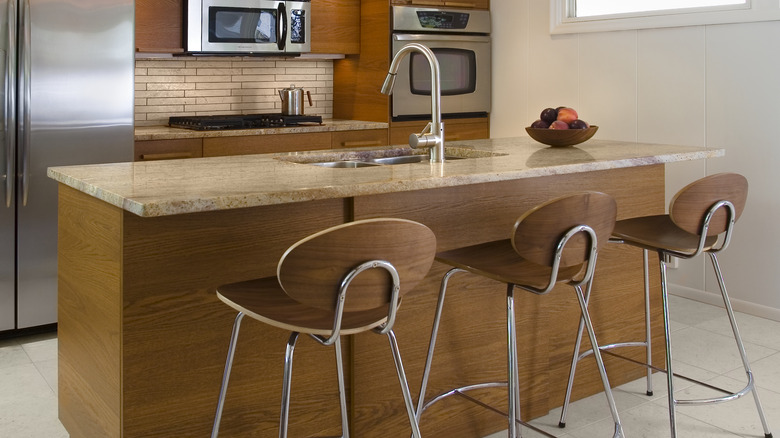
One of the most important elements of mid-century modern design is the fusion of form and function. Many kitchen design styles are frilly for the sake of being frilly or incorporate vintage elements that will undoubtedly be relegated to the past. But mid-century modern design is as evergreen as they come. Each element in the space is functional and has its purpose, which means you can not only enjoy the look of your kitchen but also get a ton of use out of it.
A great example of blending flow and function is the use of breakfast bars or nooks. These are often found in mid-century modern kitchens — often adorned with funky-shaped stools and geometric islands. If you're considering adding one to your kitchen, Todd Harmon recommends opting for teak wood, as it has a "warm golden undertone that reflects natural light." Another functional-yet-fitting element in a mid-century modern kitchen is a backsplash. "Tiles withstand moisture and heat, too, which means they are useful in spaces where splashes and spills are unavoidable," he says. Protecting your walls and creating a welcoming, warm space? It's a win-win.
15. Accessorize your space with intent
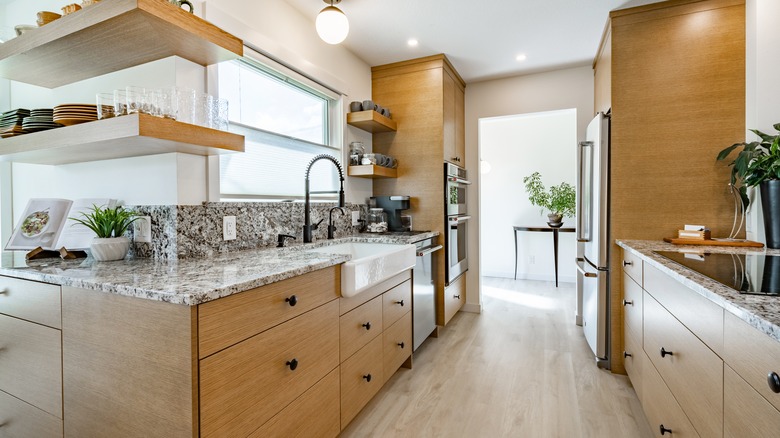
Design doesn't just stop at appliances, countertops, and flooring. It also takes into account accessories, plates, pots, and the tools that we use every day within our kitchens. After all, if you spent that much time planning and reno-ing your space, you'll want to seal the deal with era-specific decor.
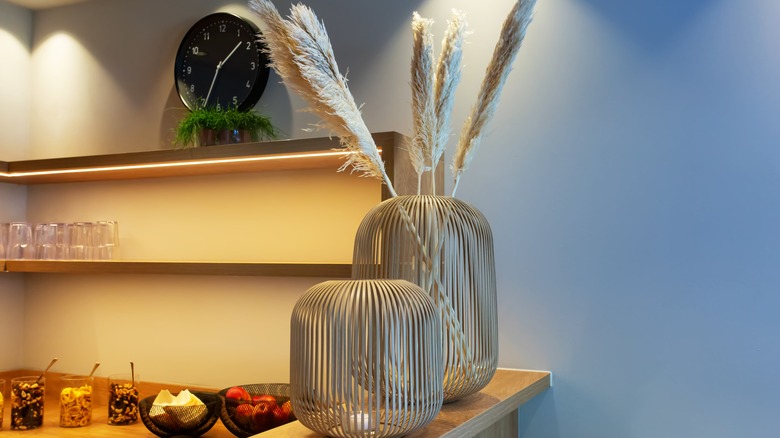
Sculptural vases, abstract paintings (so long as they aren't overly floral or country), clocks, and muted retro throw pillows can take your kitchen and dining space back to the 1950s. If you're looking for a more modern take, you may want to follow a "less is more" approach and use a few statement pieces, but let the rest of the design do the talking. Something as simple as a sculptural fruit bowl can clue the eye to your countertops and draw attention to the design that you spend so much time and effort perfecting.