

17 Ways To Preserve And Use Your Summer Tomatoes Year Round
We may receive a commission on purchases made from links.
Whether you gather them straight from the garden or get them from the farmers' market, as Andrew Zimmern likes to do, there's nothing like ripe, fragrant, juicy summer tomatoes. If you're a gardener, though, you know those tomatoes can roll in thick and fast come September and even into October, depending on where you live. Sure, you can store them at room temperature for a while (never in the fridge!), but you've got to use them before they go round the bend. Because letting your summer tomatoes rot is a tragedy on par with "The Iliad."
Okay, not really. But still. "If you have the pleasure of raising your own tomato plants, then you know that when it's time to harvest, the abundance can be overwhelming," says Ashley Lonsdale, chef in residence at ButcherBox. "Gifting is a natural and sweet response to a boatload of tomatoes, but preserving is a different kind of gift — one you give to your future self." End of summer is the best time to preserve tomatoes, she adds, when they're as sweet and flavorful as they'll ever be.
"Knowing how to preserve them means you don't waste all the work you put in," agrees Marissa Stevens, recipe developer at Pinch and Swirl. "You get to enjoy that summer garden flavor well into the dead of winter." The question then becomes: What are the best ways to preserve tomatoes? Here are 17 ways for your consideration.
1. Canned tomatoes
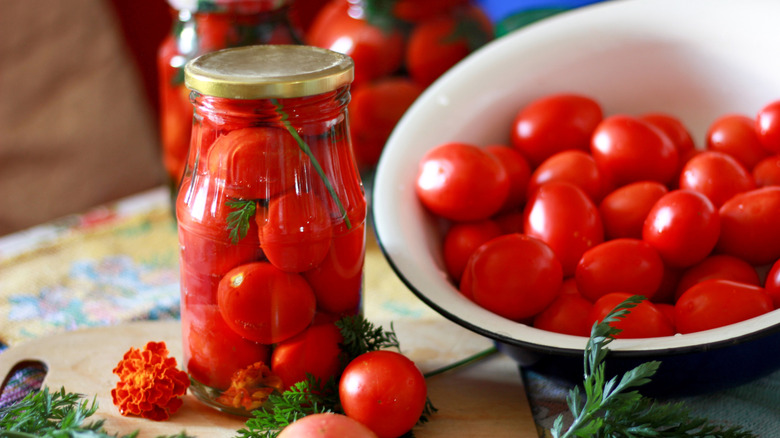
While there are foods you should avoid canning, tomatoes are not among them. "We always preserve a few batches of tomatoes by canning them in quart-sized jars," says Kathy Berget, certified Master Gardener and founder of Beyond the Chicken Coop. "This starts by blanching and peeling the tomatoes, cutting them into smaller chunks, adding them to jars, and then water bath processing them. We use these tomatoes in soups, stew, and spaghetti sauce." Marissa Stevens agrees that, while it's not something she does every year, it makes for an amazing pantry staple if you can.
But beware: Not all tomatoes carry enough acid to make them safe via water bath canning. To be sure, you'll want to add an acid, especially if you're new to canning. You should also make sure to store your canned food properly to avoid contamination and maximize its shelf life. Lastly, get high-quality canning supplies: a 24 Pack of Mason Canning Jars and a Supa Ant Water Bath Canning Pot are both good calls.
2. Frozen tomatoes
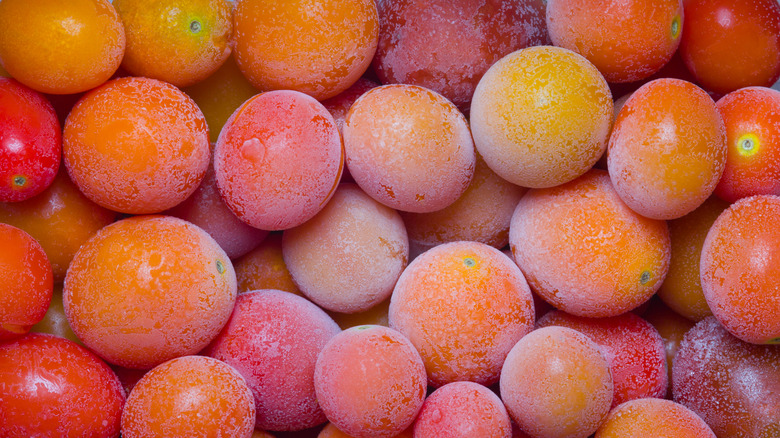
My mother-in-law, Lori Greenfield, has an unbelievable greenhouse dedicated to her tomatoes. It genuinely looks like a nursery in there, with dozens of bushes staked up and loaded down with fruit. I've known for decades that she freezes the late-summer bounty, but I'd always assumed she was preserving in other ways too. Turns out, no: If you don't like muss and fuss, a freezer is all you need.
"I pick my tomatoes when they're ripe, pack them using a Seal-a-Meal, then put them in the deep freeze," she says. Pay attention, because not just any freezer will do: "Don't keep them in a frost-free freezer, like the one that comes with your refrigerator, because it freezes and thaws, freezes and thaws." That changes the consistency of your tomatoes, and they'll degrade, even with the Seal-a-Meal. If you don't have a lot of space, get a baby deep freeze, like this Midea 3.5 Cubic Feet Chest Freezer.
"I especially love using cherry tomatoes in an omelet," she adds. "I pull them out of the freezer, let them warm up just enough to be able to cut them in half, then arrange them around the outside. It tastes just like summer." Believe it or not, freezing tomatoes is also the easiest way to peel them efficiently. All you have to do is freeze whole tomatoes, pull them back out, let them warm up, and slip the skins right off. Easy peasy ... freezy?
3. Blanched tomatoes
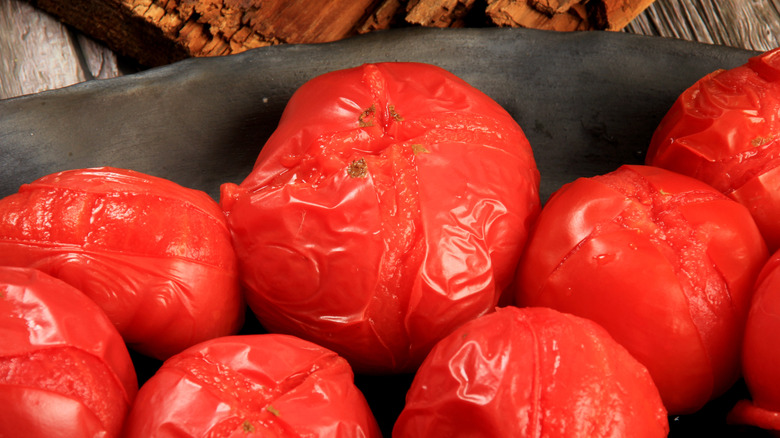
Blanching, which means briefly submerging food in boiling water before removing it and then placing it in an ice bath, helps to preserve the color and flavor of your veggies. It also sanitizes them, helps them maintain texture, and slows the degradation of nutrients.
This works for tomatoes as well as anything else, and it's pretty easy. "Score each tomato by creating an X on the bottom of each with a paring knife," instructs Olivia Roszkowski, chef-instructor of Health-Centered Culinary Arts at the Institute of Culinary Education's New York City campus. "Next, remove the core of each tomato. Bring a pot of water to a boil and set up an ice bath." If you've never made an ice bath, simply fill a large bowl with lots of ice cubes and water.
"Blanch each tomato for 20-30 seconds, then plunge it into the prepared ice bath to cool." This process is known as "shocking." Afterwards, you can cut them up, remove the seeds, and portion into bags or containers for freezing. Make sure you get a sturdy device for removing the tomatoes from boiling water, such as a Hiware Solid Stainless Steel Spider Strainer.
4. Grated tomatoes
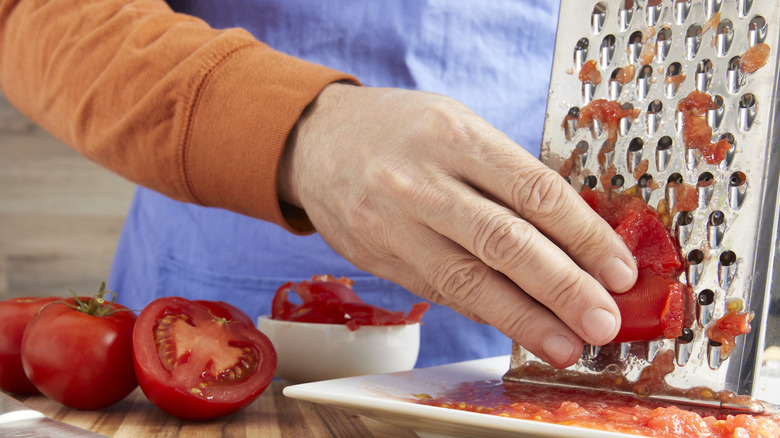
If your reaction to this was "Grated ... tomatoes?" then I get it; so was mine. But yeah, apparently this is the hack we've all been missing. "Grating tomatoes is an effective way to preserve them because it essentially creates a pulp while removing the tough skin," Olivia Roszkowski says. "This pulp can then be frozen as is, or reduced down before freezing." As always, good tools matter, so make sure to have a good grater on hand. (The Spring Chef Professional Cheese Grater got good reviews if you're in the market.)
For best results, Roszkowski says, it's best to use ripe but still firm tomatoes. These are the most flavorful, and they aren't too watery. Either way, it's a great technique (no pun intended) for removing tough skins, which is a starting point for many sauce recipes.
5. Roasted tomatoes
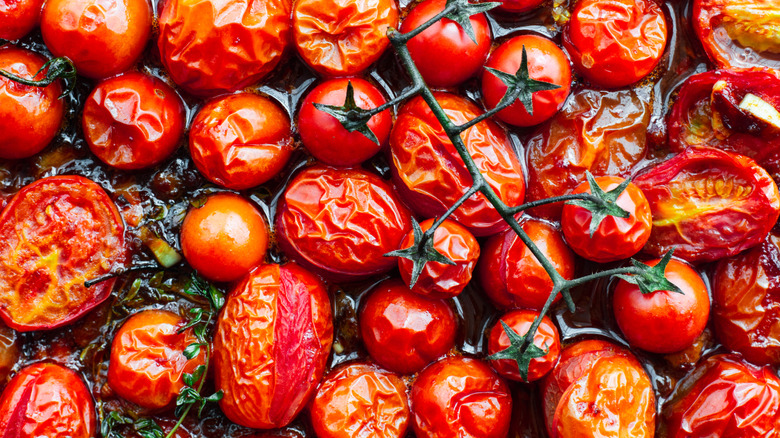
If you're not into canning, try roasting. "We pick and wash the tomatoes and slice them in half," Kathy Berget says. "They are placed on a baking sheet along with heads of garlic, and everything is drizzled with olive oil." They then slow-roast the tomatoes for several hours, a process that evaporates the moisture from the tomatoes, concentrates the flavors, and reduces them in size. Some Atlas Cold Press Extra Virgin Olive Oil will be your best friend here.
"This is the method I rely on most," Marissa Stevens says. "Once cool, I freeze them stacked into jars or layered into freezer-safe plastic bags. They're perfect straight from the freezer as a base for pasta sauces, or to add to grain bowls, top pizzas, and stir into soups." You can also blend them with goat cheese or turn them into spaghetti sauce, Berget says.
6. Pickled tomatoes
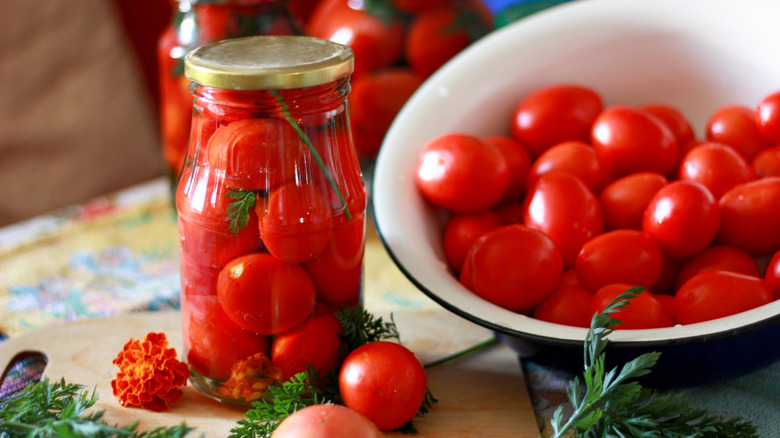
Pickled tomatoes = yum. "This one's all about not letting the end-of-season stragglers go to waste, and there are always a lot of them," Marissa Stevens says. "I thinly slice underripe tomatoes and pack them in a quick vinegar brine that you don't even need to boil, with garlic, dill, and red pepper flakes. They're crisp, tangy, and a great pop of acid on sandwiches like BLTs or grain salads."
She makes a few jars every fall, she says, and then pops them in the fridge. They'll last for a full month without any extra cooking or prep required. You can take the same approach to cherry or grape tomatoes as well, which go nicely on cheese boards and with grilled meats. Just prick them with a cocktail pick before brining so they don't burst.
7. Fermented tomatoes
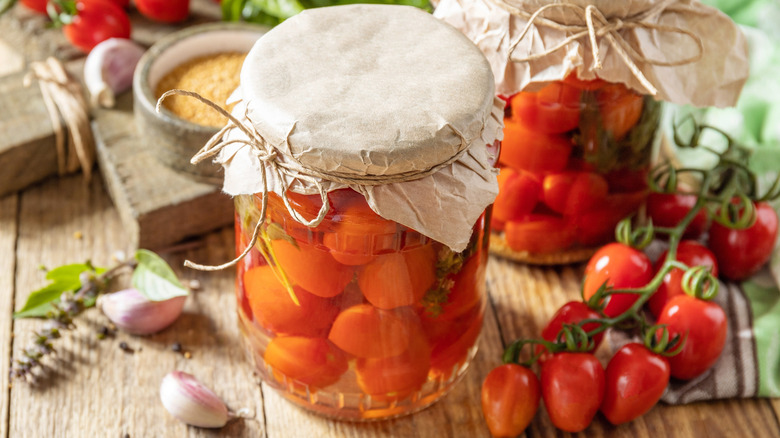
And just like that, we're right back in that grated tomatoes headspace, because seriously ... fermented tomatoes?? But yes, indeed! Fermented tomatoes! "I love to ferment both cherry tomatoes and full-size ones, sliced or cubed, to use on salads," says Michelle Visser, the cookbook author and blogger behind SoulyRested. It's a side of easy gut health, she says. Plus, it's easy; all you need are some tomatoes, extra veggies and flavorings, and a large jar — this Gallon Glass Jar with Lid will do it, for instance.
Lacto-fermentation is a form of fermentation that's driven by bacteria in the air and on the surface of veggies, and it's a process anyone can undertake, Olivia Roszkowski says. "Combine quartered Roma or plum tomatoes, red onion, garlic, dried oregano, thyme sprigs, rosemary sprigs, red wine vinegar, salt, sugar, and water in a sanitized gallon-sized glass jar," she says. "Ferment at room temperature for seven days." Now pop the jar in the fridge, where it should last around six months.
8. Tomato sauce
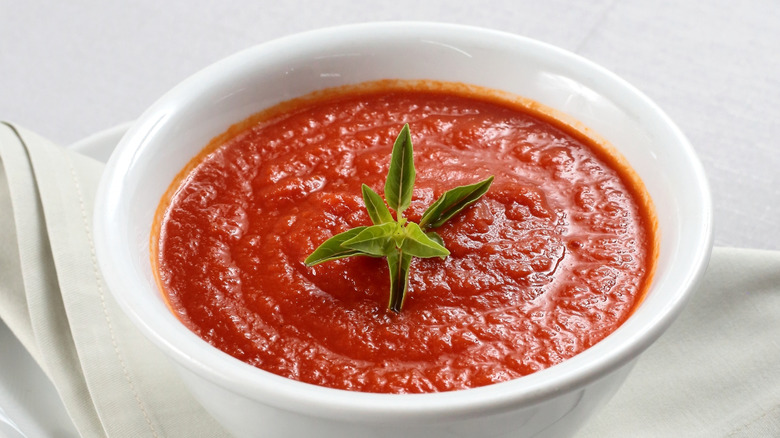
For those who love summer tomato flavor, sauce is an obvious one. The good news is, it's not that hard to turn leftover summer tomatoes into canned sauce. "Cook down the tomatoes to remove some of their natural water content," Olivia Roszkowski says. "This will concentrate the tomato flavor and help extend the shelf life of the sauce." Once it's thick, purée it into a sauce for canning or freezing. You can put it through the food mill to remove seeds and skins, says Kathy Berget.
"I make big batches of simple tomato sauce with olive oil, garlic, and basil, then freeze it in portions," Marissa Stevens says. "It feels like cheating in the best way when you can thaw a jar and have dinner halfway done." Dress it up, she adds, or serve it as is.
9. Dehydrated tomatoes
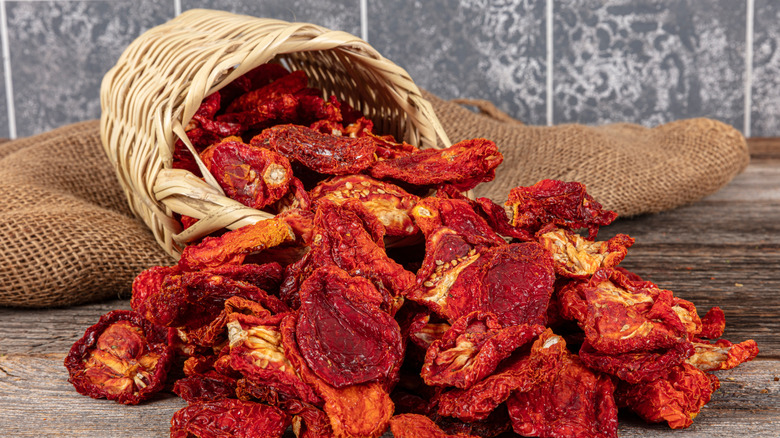
Another way to preserve tomatoes is simply to suck all of the moisture out. It's a bit like making "sun-dried" tomatoes in an oven at home. Once you remove all the water, you don't have to worry about refrigerating, freezing, canning, or anything else ... they'll be fine in jars at room temperature. You can even store them in olive oil, also in jars at room temperature. Like most of these other tips, it's pretty easy too.
"If you have a dehydrator, an oven that will stay below 200 degrees Fahrenheit, or you happen to live in a hot, dry climate, this is a great way to concentrate tomato flavor," Marissa Stevens says. "You just slice and dry them until leathery but pliable. They rehydrate well in oil or hot water, and are great chopped into grain salads, pasta dishes, sprinkled over pizza, or stirred into yeasted or quick breads." If your oven and climate are not amenable, consider a device such as the Magic Mill Premium Food Dehydrator Machine.
10. Tomato powder
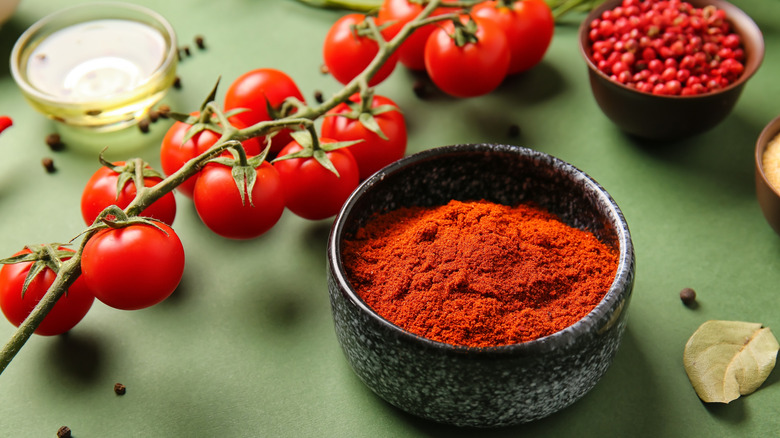
If you want to take the extra step after dehydrating, you can create tomato powder. It's a low-volume, easy way to store dried tomatoes, but you've got to make sure you first dehydrate them until they're truly moisture-free. You'll know because they'll be dry, brittle, and cracked ... none of that chewy, leathery sun-dried tomato business. Once you get them there, you can then grind them up in a food processor or blender.
This is a great way to have delicious homemade sauce on hand year-round, all with that summer tomato taste. "After dehydrating, powdering, and conditioning my tomato powder," Michelle Visser says, "I mix in the perfect blend of dehydrated pepper powder, basil, salt, coconut sugar, and onion powder. Then I mix 1 tablespoon of my dry mix with 2 to 4 tablespoons of water to make every kind of sauce, from marinara to paste."
11. Frozen curry or soup
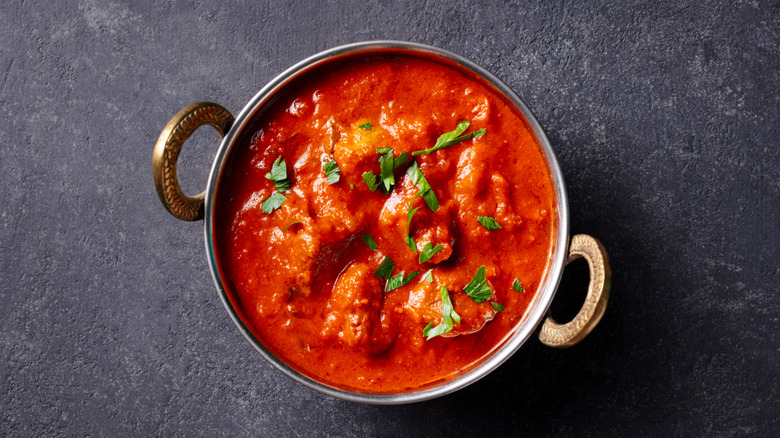
"A classic beef and tomato curry is one of my favorite things to freeze and a soft landing for an abundance of ripe tomatoes," Ashley Lonsdale says. "I use grass-fed beef short ribs simmered lovingly in spiced coconut milk and just-burst cherry tomatoes. I love to pull this out of my freezer in the middle of winter — a comforting and rich curry dotted with the flavor of summer."
If you prefer something vegetarian or vegan, tomato soup will do nicely. "Tomato soup is another make-ahead workhorse," Marissa Stevens says. She simmers ripe garden or farmers market tomatoes with onions and garlic, then blends it up and freezes everything in pints or another type of Freezer Storage Containers. That way, she can whip containers back out when she's in a hurry, season it up with some cream or roasted red pepper purée, and serve.
12. Tomato broth
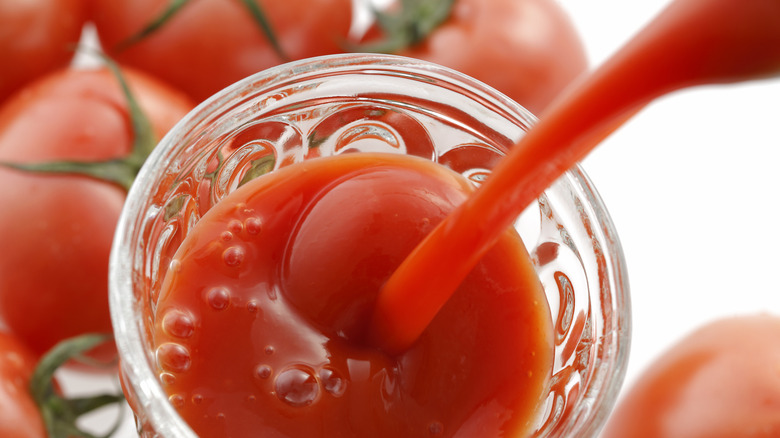
Broth o' tomatoes might just be the missing ingredient in your cooking. To make it, all you need is an oven and a blender. "Cut tomatoes and toss with aromatics like thyme, rosemary, and garlic," Olivia Roszkowski says. Then add salt, olive oil, freshly ground black pepper, and a splash of vinegar. Roast your tomatoes at 225 degrees Fahrenheit for an hour, until your tomatoes have collapsed and dehydrated somewhat.
Next, remove the tray and cool it on the counter until you can handle the tomatoes. Pick out the herbs, plop the tomatoes in a blender, and whiz them up with veggie stock. Strain, et voilà: "Now you have a flavorful tomato broth that can be enjoyed on its own or used as a base for gazpachos, chilis, chowders, used to cook mussels, or create sauces," Roszkowski says.
13. Tomato jam and confit
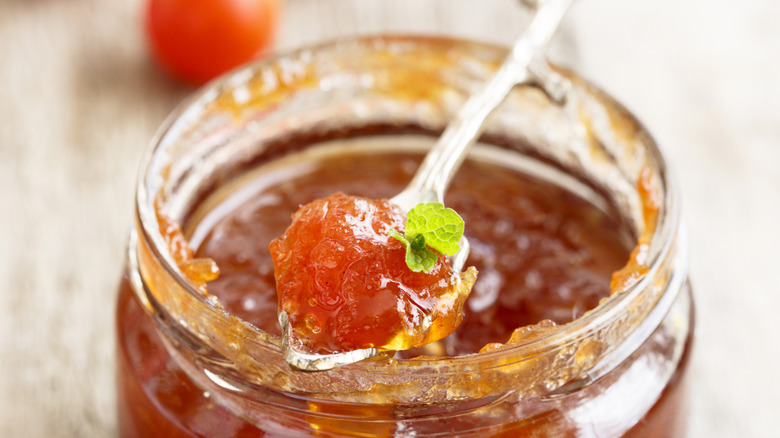
"Tomato and bacon jam is another favorite of the classic combination," says Ashley Lonsdale, who loves it on toast with lettuce and mayo for an easy BLT any time of year. For as luxe as it sounds, making it is simple enough: "Dice a pack of crate-free bacon and cook in a medium pot for 8 to 10 minutes over medium heat, until fat is rendered and bacon is golden brown. Remove the bacon from the pot with a slotted spoon and set aside."
From there, she says, you'll want to add 1 to 2 pounds of ripe, chopped tomatoes, use their juices to scrape up browned bits, mix in a drizzle of maple syrup and a spoonful of vinegar, and cook for five minutes or so, while stirring. Add bacon once the tomatoes have softened and simmer for 30 minutes, until you've got a thick, rustic jam. Add some salt and pepper, and presto: you've got a delightful condiment for any time of year. If you get tired of BLTs, Marissa Stevens says, you can put it on grilled cheese sandwiches or use it as a burger accoutrement.
Instead of blending the fat and tomatoes together, you can also cook them whole in fat to get confit. "This technique is best done with small tomatoes like cherry, grape, or ever-sweet sungolds," Lonsdale says. "The tomatoes are a wonderful ingredient to spoon over a delicate steamed fish, like cod, with a dusting of freshly cracked black pepper, adding richness and brightness at the same time."
14. Chutney
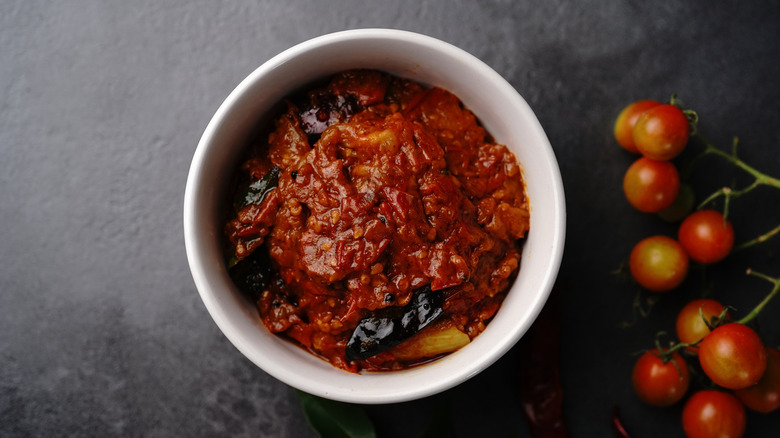
A classic Indian condiment, chutney can run the gamut of textures and flavors, but is essentially a blend of fruits, veggies, and sometimes herbs cooked up with vinegar, spices, and sweetener. To make tomato chutney, Olivia Roszkowski says, cook your tomatoes with alliums such as shallots, garlic, or onions. "Be sure to include a mixture of vinegar and sweetness, as well as warming spices such as mustard seed, ginger, and cumin," she says. "The pectin from the tomatoes will help thicken the mixture, and the result will be jam-like."
Once made, the chutney is delicious as a spread on breads, a dip for samosas, or a condiment on a cheese board, she says. You can also use it to jazz up your dressings, aioli, and marinades. Make sure your spices are fresh, and get new ones if you need. (Hello, Amazon Brand Happy Belly Mustard Seed, Ground Ginger, and Ground Cumin.)
15. Salsa
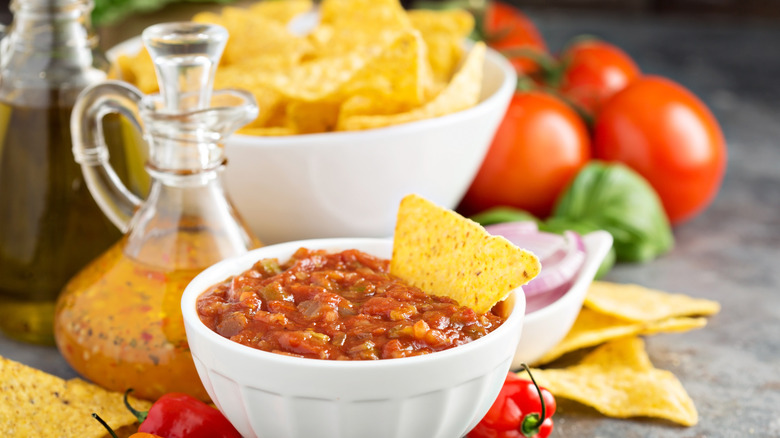
Salsa is good any time of year, but we get a little spoiled by it in summer. You know when it's really good? Winter, when freshness is harder to come by and cold winter nights make Mexican food really appealing. (Or at least, that's this writer's opinion.) To turn the volume up a notch on your flavors, Olivia Roszkowski says, you should grill the tomatoes first.
"Toss whole tomatoes, a head of garlic, and onion wedges in oil," she instructs. "Grill briefly on each side until the skins start to blister. Remove garlic skins. Add grilled tomatoes, garlic cloves, and red onion to a food processor while they are still warm and process into a salsa consistency." Depending on your palate, you can add however much cilantro, lime juice, and salt to taste.
16. Hot sauce
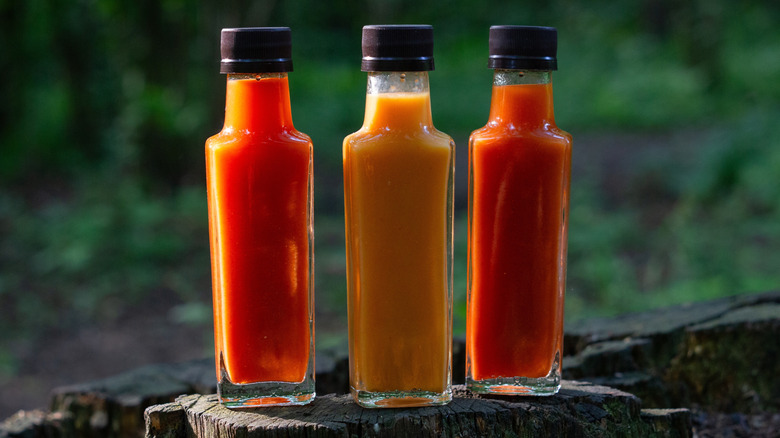
Everyone loves hot sauce. Or everyone who can tolerate it, that is. For my husband, a teaspoon of hot sauce feels like ingesting all nine circles of Hell, so, ya know: grain of salt. Point being, if you're one of the ones who loves it, an overabundance of tomatoes is a great starting point for hot sauce.
"Hot sauce is an excellent preservation technique for tomatoes," Ashley Lonsdale says. "Vinegar-heavy hot sauces keep well in the refrigerator, as they're essentially pickled." Her favorite is homemade pepper sauce, which is a condiment beloved in the Caribbean. "Blitz with Scotch bonnet peppers, garlic, and vinegar for a simple take," she instructs. "Store in a glass jar in the refrigerator and serve with fried chicken, roast chicken, any chicken!" Long story short: chicken.
17. Green tomato relish
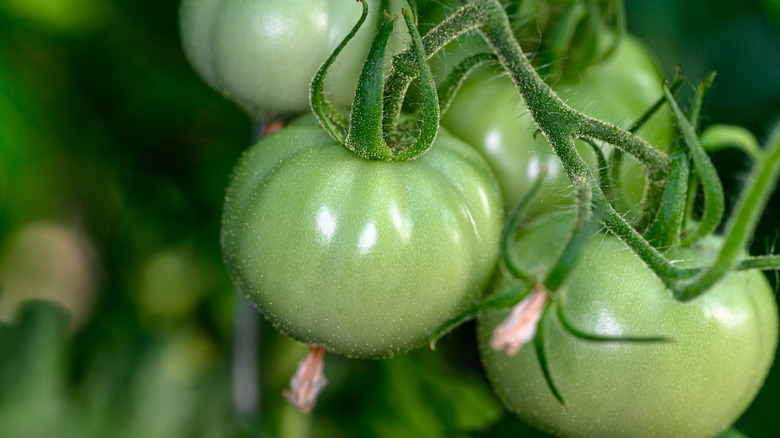
Relish might sound like something that has to involve pickles, but that's not the case. "This relish is very different than a pickle relish," Kathy Berget says. "It uses green tomatoes, green apples, vinegar, bell peppers, onions, and several warm spices. Everything is puréed together, cooked down in a large pot, and then water bath canned." That way, it stays good on the shelf for years, and she can pull it out to serve as a condiment with various types of meat: pork roast, wild game sausages, or meatloaf.
This is Berget's go-to recipe when the frost is coming and there are still green tomatoes on the vine. Make sure to check your local frost dates so you can pull the tomatoes off in time. Otherwise, they'll get mushy.