

How To Grow Cherry Pits Into Fruit Trees In Your Own Garden
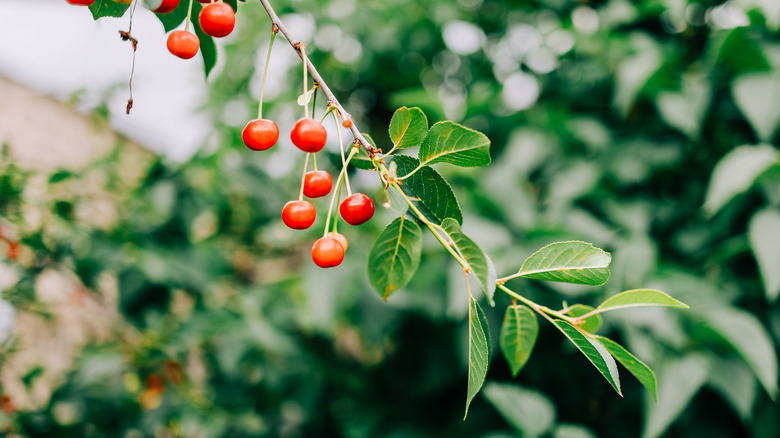
Growing a cherry tree from seed is a slow process, and not the best tree to plant for absolute beginners. But, for anyone who commits (and has a green thumb), it's an incredibly rewarding project. Since it's not as simple as plopping a seed in the dirt, watering, and waiting for it to grow, Chowhound spoke exclusively with Josh Gardens, homesteader, master gardener, and fruit tree grower, to better understand the project.
It starts with the cherry pit, which you can extract with the paper clip method or, as Josh recommends, a hand cherry pitting device. Josh says the difficult part comes next: "The pit's outer shell is extremely hard, and the seed itself — the tender nut inside — is delicate. I've found that a set of pliers works better than a hammer for carefully cracking the shell without crushing the seed." Josh then soaks the seed in warm water for 12 to 24 hours to soften it.
The final seed-prep step is called cold stratification, which means storing the seeds in the refrigerator for a few months while wrapped up in moist paper towels and sealed in a plastic bag. "This mimics nature's freeze–thaw cycles and provides the chilling hours needed to trigger germination when temperatures warm." Leave it in the fridge for at least 10 weeks. As with storing anything in the fridge, moisture is important to monitor, so regularly check that the paper towel is neither saturated with water nor dry. Too wet, and the seed can become moldy. Too dry, and it can shrivel up.
Sprouting and pruning your cherry tree
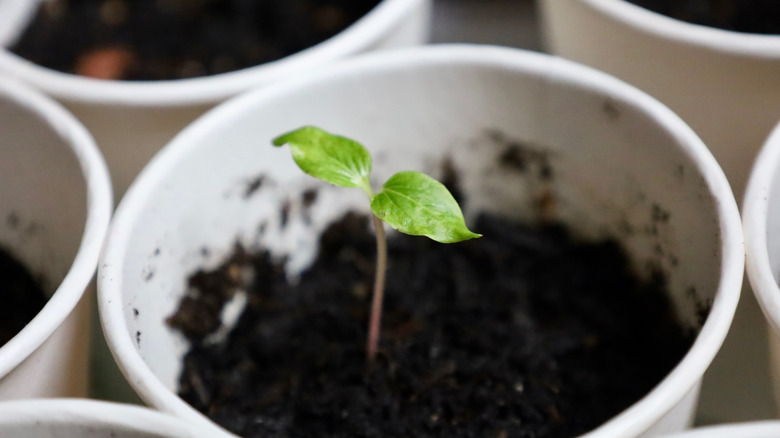
A beginner gardening mistake is to place seeds directly in the ground since this can expose them to harsh elements and hungry birds. Instead, Josh recommends "starting them in small pots rather than planting directly in the ground." You can upcycle berry containers to start seeds indoors. As for soil, use a well-draining mix that stays moist. If it stays too wet, the seeds could rot, but the seeds may not germinate if the soil is too dry. Plan on watering it every few days; after two weeks, a seedling should push through the dirt.
Josh says to keep the seedlings in pots for the first two years to give their root systems time to strengthen before going outside. If the seedlings have yellow leaves or become root-bound, transfer them to a larger pot or place them in the ground. Even if you're eager to put the seedlings in the ground, wait until they're at least 2 inches tall and there is no longer a risk of being killed by cold temperatures.
Once in the ground, it's easy to forget your cherry tree and let it grow wild. This is fine since trees are resilient, but regular pruning gives your tree the desired shape, improved health, and increased future harvests. Regarding pruning, Josh says the timing matters most since winter pruning helps with growth and summer pruning can slow it down. Summer pruning can also help fight diseases, such as silver leaf. "Personally, I do most of my pruning in winter, but increasingly value summer cuts for disease management." If you're new to pruning, start with "the four Ds: Removing dead, diseased, disoriented, and damaged branches before shaping."
Harvesting your cherries
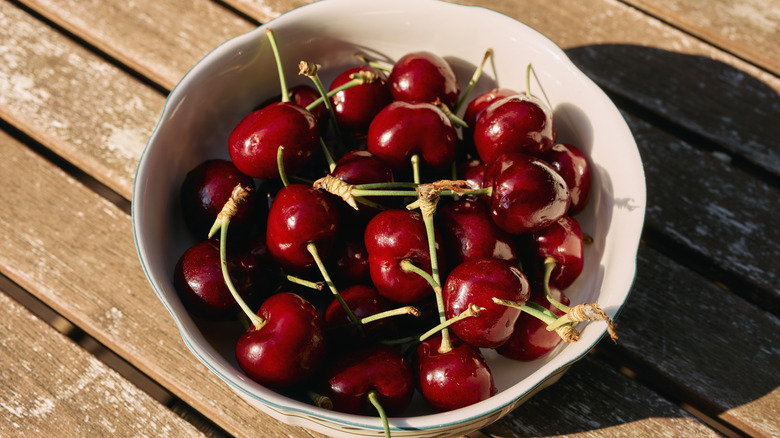
Cherry trees don't bear fruit for at least three years, but it could take up to 10. This is a key difference between trees purchased from the nursery, which can bear fruit in three to five years, and seed-grown trees, which can bear fruit in seven to 10 years. Keeping the tree well-watered and pruned encourages fruit to grow faster. When you do see fruits finally come in, Josh states there's a bit more waiting time: "Cherries signal readiness through color, firmness, and taste — they don't ripen after being picked, so patience matters."
Finally, a piece of information that might come as a surprise if you've never grown a tree from seed before: What you grow may not be the same variety of fruit. It doesn't seem logical, but Josh explained that seeds carry genetic traits from both the mother and father plants, and this can result in a new and unpredictable variety. This is both exciting and a bit of a risk; you might end up with cherries you can't buy from the store, but the tree could struggle with disease or low fruit yields.