

14 Freezer Essentials Every Home Cook Should Keep On Hand
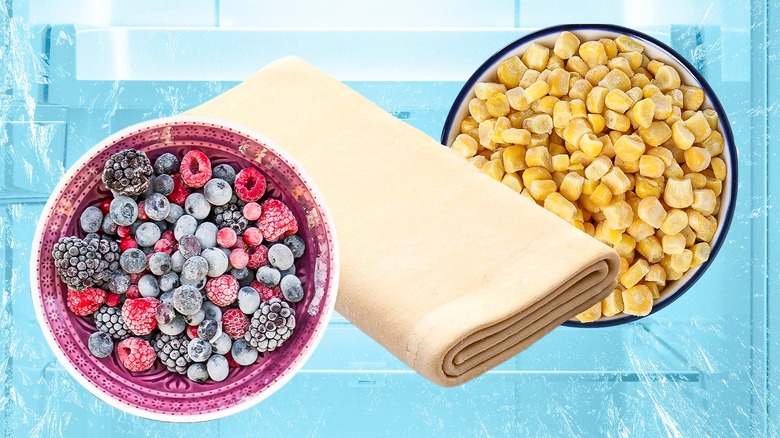
The freezer can be one of the most valuable appliances in the kitchen, especially if you stock it well. While some days, cooking everything from scratch using freshly prepared produce will bring you joy, there are times when it feels like there isn't a spare minute to do so. That is where prepared frozen items can be such time savers. Take them out of the freezer, defrost them (or not in some cases), and you have dinner-ready ingredients that can go straight in the pan without any peeling, chopping, or frustration.
From peeled and cubed butternut squash to a ball of pizza dough, many ingredients allow you to make a nutritious meal for the whole family without losing your mind. Freezing foods stops them from spoiling indefinitely, so as long as you follow the defrosting guidelines, it is a great way to ensure the safety of a meal. Let's take a look at 14 freezer essentials that you shouldn't be without.
1. Raw chicken breasts
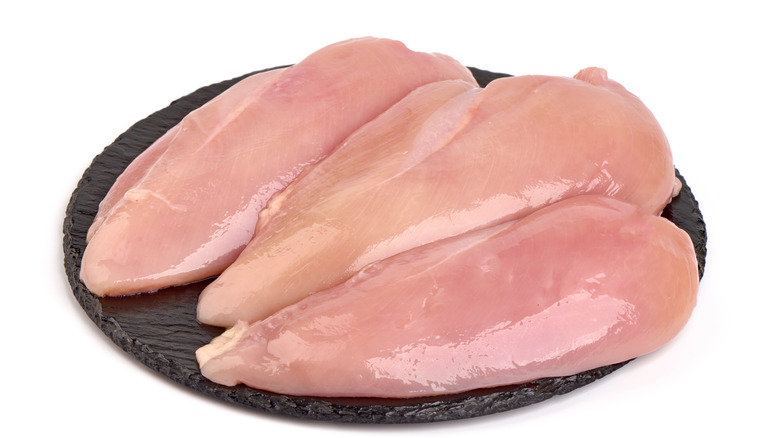
Chicken is one of the most popular meats in the U.S., so having some in the freezer to use whenever you need a tasty meal is a must for meat-eating families. There are plenty of frozen options to choose from, but raw chicken breasts give the most versatility, and as long as they are handled properly, they have little chance of causing food-borne illness.
According to the USDA, there are only three safe ways to defrost food, and for chicken, you need to be especially careful to follow the guidance. If you have plenty of time, you should defrost overnight in the fridge. This ensures that the meat stays out of the "danger zone" where bacteria thrive. If you need the chicken more quickly, the only safe options are microwaving or placing them in a bowl of cold water until they thaw.
It is also perfectly safe to cook chicken from frozen, which is the best option of all if you are short of time. Be sure to adjust cooking times compared to fresh chicken, as whole frozen breasts take about twice as long to cook. Having chicken available that won't spoil means your options for quick weeknight meals are endless. Whether it's used in a stir-fry or restaurant-quality Caesar salad, you can have juicy chicken breasts on the table at short notice, keeping the whole family nourished and happy.
2. Corn
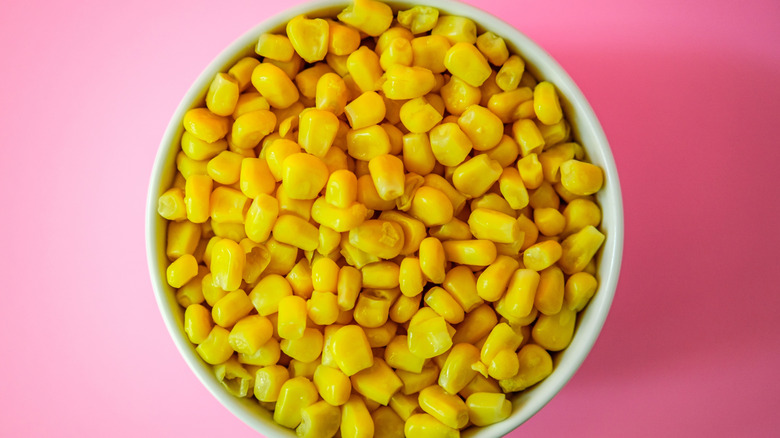
Corn is a sweet and juicy vegetable that makes every meal feel like summer. If you want to eat corn year-round, though, frozen corn is your best option, and having a bag in the freezer makes it easy to add it to any family meal. The good news is that if you are in a hurry, frozen corn can be cooked straight from the freezer. Loose corn kernels can be cooked very quickly either in the microwave or in boiling water on the stove, and whole corn on the cob can be done in the air fryer in less than 15 minutes. If you would rather defrost it first, follow the USDA guidance and thaw it in the fridge or in a bowl of cold water, rather than out on the counter, to prevent bacteria buildup.
Using frozen corn in your meals is a real time saver, allowing you to add these vibrant, healthy vegetables to dishes with no preparation required. From sweet corn fritters to a quiche or omelet or even just scattering it on a fresh salad once it has defrosted, there are many ways in which the sweet burst of flavor will enhance weeknight meals. As a rich source of vitamins and fiber, corn is a staple to keep in your freezer, especially when the fresh version is out of season.
3. Mixed fruit
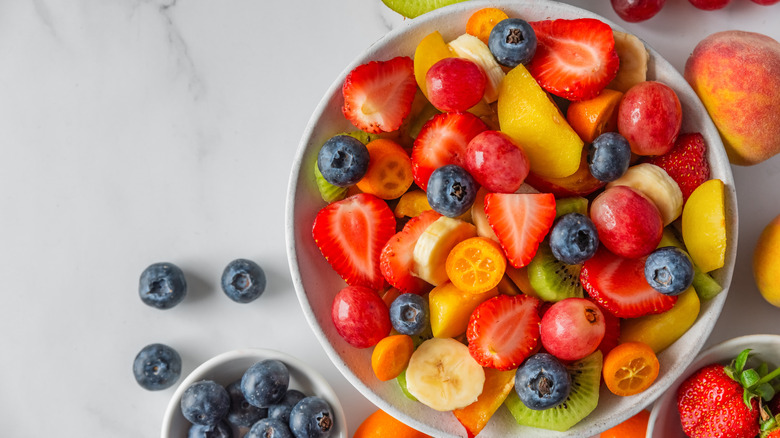
Having frozen fruit in the freezer is a must for any home cook, as it saves time and can actually add more nutrition to dishes compared to fresh. While you may assume that freezing them will reduce the quality slightly, the opposite can actually be true for fruit.
Unless you have grown fruit yourself and eat it straight from the plant, any fresh fruit you consume has lost nutrients by the time it arrives in your kitchen. This is especially true if you are buying out-of-season fruit that has traveled a long way before arriving at the grocery store. Frozen produce, on the other hand, can often be flash-frozen just a few hours after it has been picked, meaning that the vitamins and minerals are locked in at such low temperatures.
Though fruit freezes well and many defrost perfectly too, fruits that have a high water content, such as berries, can suffer a change in texture once defrosted. As long as you are not planning to eat them on their own as a snack, this is unlikely to be an issue, since the texture will soften if you cook or blend them anyway. Frozen fruit has many uses in the kitchen, from throwing it into a smoothie while it's still frozen (if your blender blades can handle it) to making desserts and sauces. If you want to defrost your fruit quickly, run it under cold tap water until the ice crystals have been removed.
4. Spinach
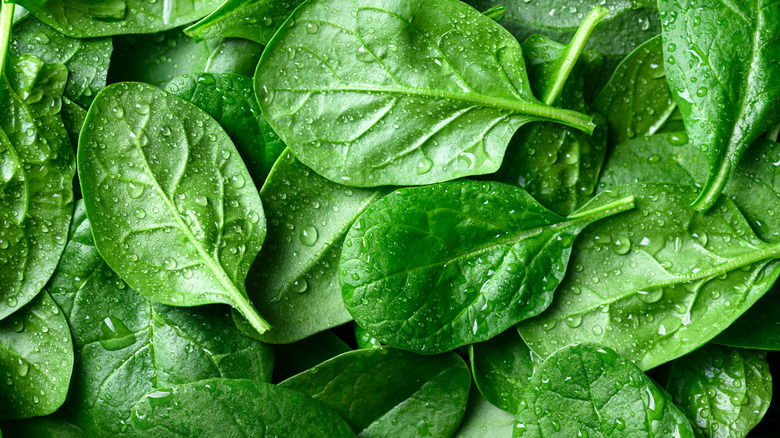
Whether you consider frozen spinach an essential in your kitchen could depend on how you use the fresh variety. If most of your spinach consumption is in the form of fresh salad leaves, then the frozen version is not going to appeal. However, if you use spinach in sauces, pastas, and pies, then the frozen version is a huge time saver, and the texture won't be much different if you defrost it correctly.
When defrosting spinach, expect water to appear as the ice melts. Place the spinach in a bowl to catch the water, and be sure to squeeze it out of the leaves once they have defrosted. The spinach will be soft and limp and will have already been blanched, so they can be added straight to any sauces, quiches, or casseroles that you would usually cook fresh spinach for. You can even add it to the pan straight from frozen, but remember that as the ice quickly melts, it will add moisture that will thin the sauce.
Frozen spinach will last in the freezer for a few months, so it is handy to keep a pack for when you are in a hurry or don't have any fresh spinach in the refrigerator. From speedy omelets to authentic cannelloni, having a bag of already-cooked spinach that you can toss into the pan will make life a little easier and allow you to add this super healthy veggie to a greater variety of dishes.
5. Cooked meatballs
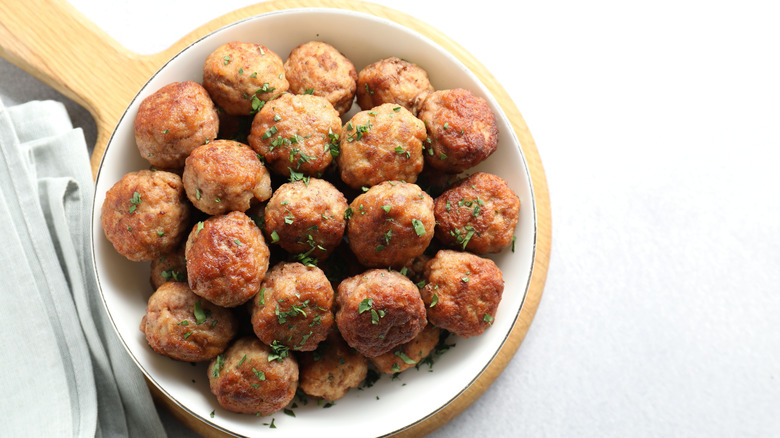
Packed with protein and incredibly tasty when served with tomato sauce, meatballs are the ultimate meal to keep the whole family happy. Making meatballs from scratch, however, can be a step too far when you come home from a long day, so having some frozen ones at hand can be a real time saver.
As with any frozen meat, you need to be careful when cooking with it to reduce the risk of food-borne illness. If you are defrosting the meatballs, it is crucial that they don't spend a long period of time in the danger zone of 40 to 140 degrees Fahrenheit, which is the worst environment for bacterial growth. Instead, they should be kept in the fridge as they thaw or defrost quickly using cold water or the microwave. For the latter two methods, you should only do this when you are ready to cook the meatballs to ensure the temperature is raised out of the danger zone quickly.
Alternatively, you can cook the meatballs straight from frozen, which will save even more time and keep the meat safe. The air fryer or oven can be used, and once the meat is heated throughout, you can then add it to whatever pasta dish or sauce you wish, or create the ultimate meatball sub paired with Gordon Ramsay's tangy cheese of choice for an indulgent lunch.
6. Butternut squash
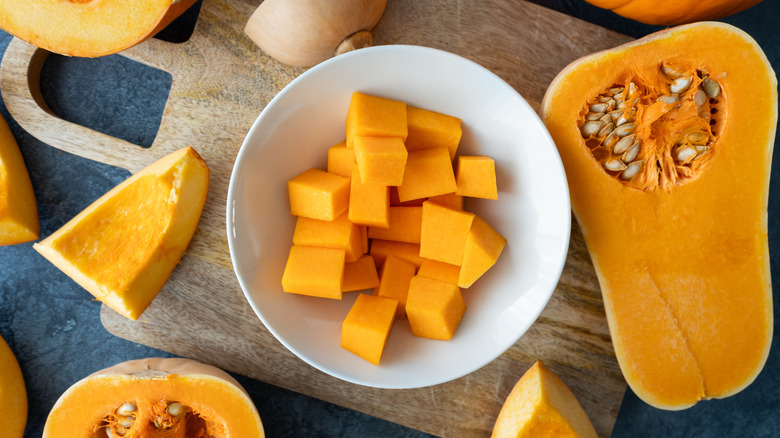
Butternut squash is a delicious sweet vegetable that is not only filled with health benefits, but also incredibly versatile and can be used in a number of ways that aren't just soup. No reason, then, not to use it regularly in your home-cooked dishes — except that preparing it is a total pain. If you have ever prepared a squash from scratch, you will know that sometimes just cutting through the skin is a huge challenge and that the risk of injury is significant since an incredibly sharp knife is required. Although you can keep the skin on if you are roasting it as wedges or halves, if you need to peel the skin, the process becomes even more tricky and increasingly dangerous.
For this reason, frozen butternut squash doesn't just allow you to keep it for long periods without it spoiling, it can save you a serious amount of time and injury compared to preparing it yourself, making it more likely that you will actually use it.
In most cases, you can cook butternut squash straight from frozen, and roasting it will still result in beautifully caramelized edges that bring out the sugars and make it so irresistible. It makes a great addition to risottos, can be used to create a creamy soup, or simply served as a side dish, topped with fresh rosemary and a twist of salt.
7. Broccoli
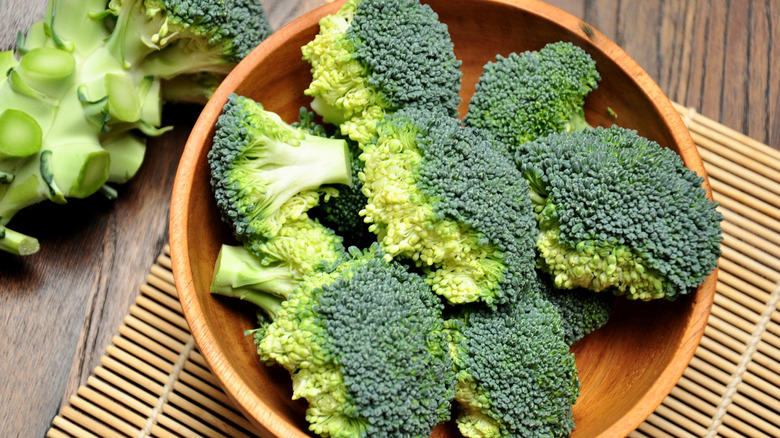
Broccoli is a vegetable that freezes and defrosts very well, making it easy to add this green superstar to your meals if you have a bag in the freezer. Once you have opened the bag, it is important to reseal it before returning to the freezer, to prevent ice crystals from forming, which could impact the quality of the broccoli.
Frozen broccoli tends to be portioned into small florets, meaning it can be added straight into dishes from frozen. The vitamins in this cruciferous veggie, which include C and K, are preserved when it is flash frozen, meaning that the frozen version will remain vibrant green and packed with nutrition much longer than its fresh counterpart.
Frozen broccoli makes it easy to make a healthy and filling soup by simply adding the florets straight from the freezer after you have made the base and added stock. Stir fries and pastas can also be enhanced by adding the bright green vegetable, without any need to spend time preparing it.
8. Raw shrimp (peeled and deveined)
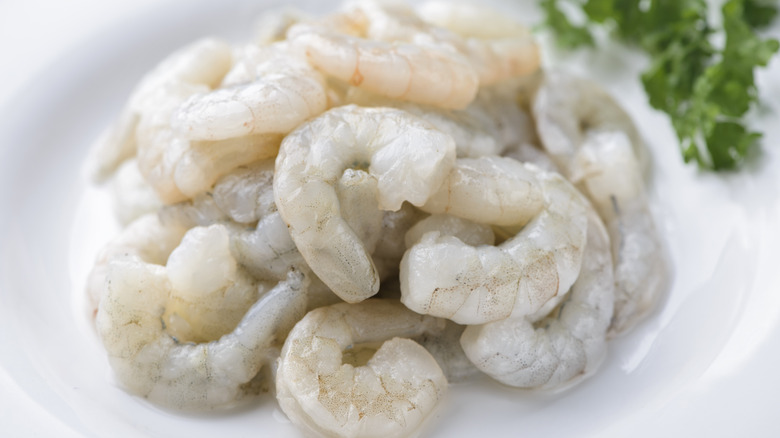
Frozen shrimp are readily available in a variety of sizes, from cocktail shrimp to enormous black tiger prawns, but you will need to decide whether to buy them raw or already cooked. Although it is personal preference, raw shrimp are the most versatile if you are planning to heat the prawns up as part of a dish before you eat them. Prawns can become very rubbery when overcooked, and heating frozen prawns that are already cooked perfectly can take them over that line pretty quickly.
Frozen raw shrimp, on the other hand, can be cooked in a stir fry or pasta sauce and will end up with the same texture as the fresh version. If cooking from frozen, leave a few extra cooking minutes to ensure they are cooked through, compared to if you have defrosted them first.
Because they cook quickly, and you don't need to waste time peeling and deveining them, frozen shrimp will allow you to add this delicious shellfish to a variety of weeknight meals with no hassle. Just be sure to add a squeeze of lemon to enhance their sweet, juicy flavor.
9. Green peas
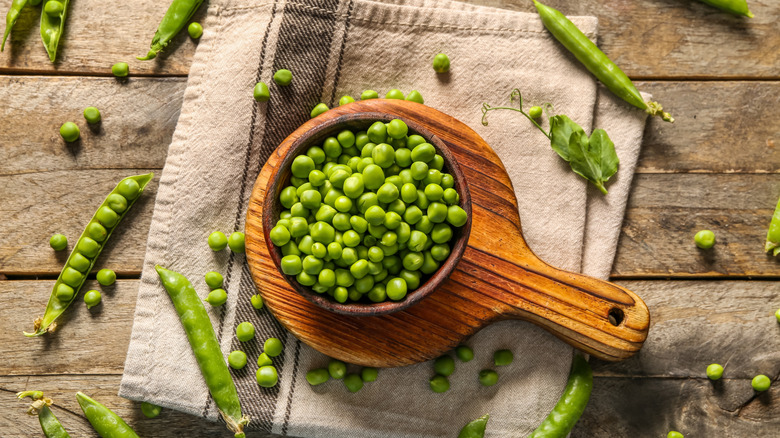
When it comes to time-saving frozen ingredients, green peas definitely make it onto the freezer must-have list. Freezing them means they keep their vibrant green color, so they can be added to dishes as an attractive topping as well as for their sweet flavor.
Green peas freeze well and defrost brilliantly too, losing little texture or flavor in the process. The most likely issue is ice crystals forming on the peas, but making sure to tightly wrap open packaging before returning to the freezer should reduce the chances of that considerably. In most cases, you can add the peas to your recipe directly from the freezer, and they will cook quickly in a hot sauce or soup. If you want the timings to be exact, add frozen peas to a sealed zip bag and thaw in a bowl of cold water.
Many recipes call for the bright green delight of frozen peas, from spring risotto to stir fries and pasta sauces. Preparing fresh peas is time-consuming and tedious, so having access to ready-to-cook frozen peas can save a huge amount of time throughout the week. They are an excellent way to add a tasty, nutritious boost to family meals with virtually no preparation time.
10. Puff pastry
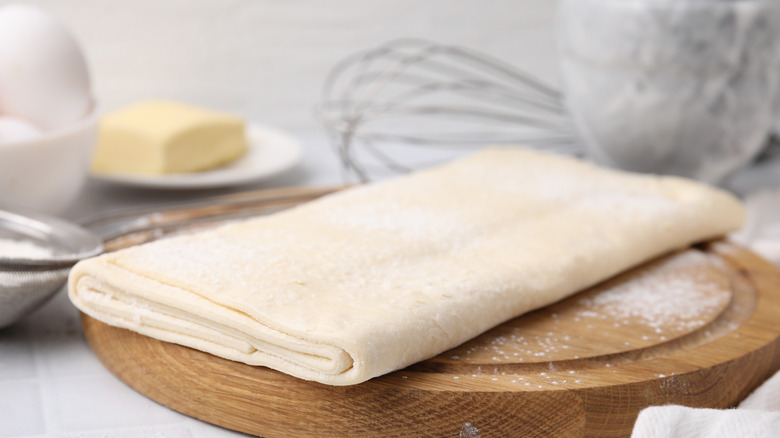
Making your own puff pastry and cooking it immediately is always going to be the preferred option for serious bakers, but the frozen version is a great shortcut for when you simply don't have the time. As long as it is properly wrapped, it will keep well in the freezer, and since it is already rolled, it will be easy to work with once thawed.
The pastry will need to thaw fully to allow it to become pliable, so you will need to plan ahead and pop it into the fridge the night before. Once it has defrosted, you can use it in the same way as fresh or homemade, to make desserts or savory dishes without the need to spend hours preparing the pastry. The versatility of puff pastry means you can use it to top pot pies, create chicken en croute, or make a delicious lemon curd tart to serve for dessert.
11. Ground beef
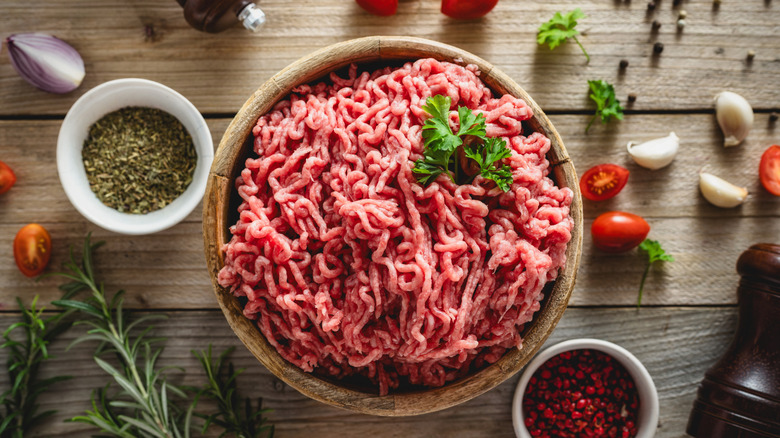
If you are part of a meat-eating family, ground beef is one of the most versatile frozen ingredients you can buy. Rather than buying the meat fresh and worrying about the chance of it spoiling, you can keep frozen ground beef for up to four months without it deteriorating in quality, and pretty much indefinitely without needing to worry about safety.
As with all meat, the safest way to defrost ground beef is overnight in the refrigerator. You can then use the beef as you would fresh, to make burgers, meatballs, or casseroles. If you are making a sauce such as Bolognese, you can even cook the beef straight from frozen, either using the Instant Pot or on the stove.
Provided the beef was raw when it was frozen, you can also freeze the cooked meal afterward, meaning that meal prep becomes even easier and more convenient. This makes frozen ground beef a real time saver and a brilliant essential to have in your frozen arsenal.
12. Pizza dough balls
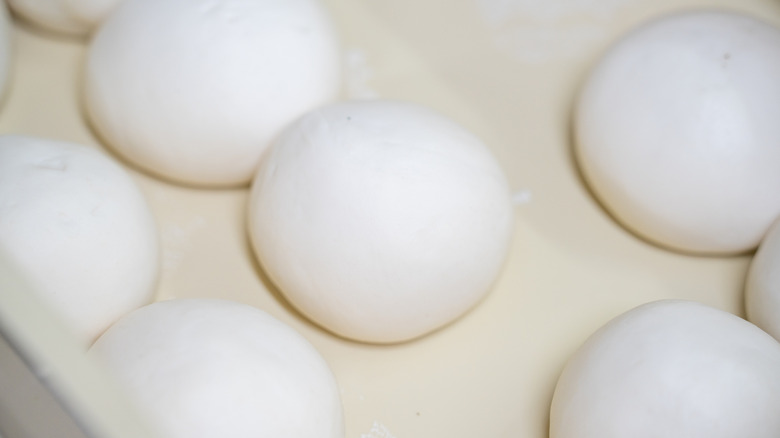
If you would love to cook fresh pizza but simply don't have the time to spend hours prepping on the day, frozen pizza dough balls are the perfect solution. You can happily store them for months in the freezer, ready to be defrosted whenever you are in the mood to roll them out and craft a delicious pizza with fresh toppings.
The only planning that is required is taking them out of the freezer well in advance and letting them defrost in the fridge. Once thawed, they will be soft and pliable, allowing you to roll them into pizzas or shape them into doughballs or breadsticks. The great thing about using frozen dough is that it allows you to totally customize your pizza without the hassle of measuring, kneading, and proofing the dough. You can roll it super thin for an authentic Neapolitan base, or keep it nice and thick for a more Chicago-style. If you have young kids, getting them to add the topping will make them feel like they made the whole pizza, without the inevitable mess that it would involve.
13. Italian sausage

Keeping a stock of sausages in the freezer is a crucial move if you want to have quick meals at hand. While regular sausages are a great option, keeping a few Italian sausages too means you have a flavor-packed alternative if you fancy something with a bit more zing.
Italian sausage is often made from pork and flavored with fennel. It can also have herbs and spices added, including oregano, black pepper, and chili, meaning that some versions are much spicier than others. They freeze well without compromising the texture, and can be kept for months, meaning you will always have some at hand when needed.
As well as being eaten on their own, Italian sausages make a great addition to many other dishes, adding a subtle spice and meaty texture. Frittatas, casseroles, and pasta sauces all benefit from their aromatic flavor, and they even make a great pizza topping if you slice them thinly.
14. Sliced bell peppers
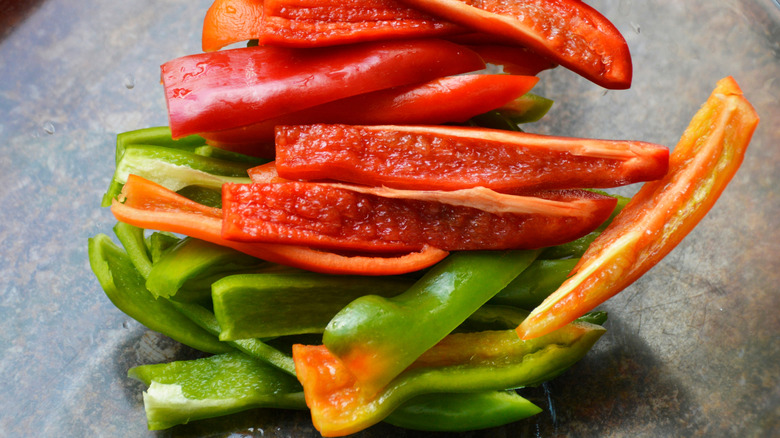
Bell peppers are a delicious ingredient that are packed full of nutrition — one large pepper counts as a full portion of vegetables. If you use them regularly in your cooking, it is worth having a bag of sliced peppers in the freezer, giving you a sweet, colorful addition to your dishes, even when you don't have any fresh peppers in the fridge.
Peppers freeze really well, and on defrosting, won't suffer too much from texture loss. If you are planning to cook them, you are unlikely to notice a difference from fresh, and you can even cook them from frozen to save more time. Although peppers aren't the most time-consuming to prepare, being able to pull out a handful of sliced ones that can go straight in the pan is a relief at the end of a long day. Plus, most packs come with a mix of green, red, yellow, and orange peppers, meaning you can enjoy the different flavors they offer without preparing multiple peppers. Add the frozen sliced peppers to fajitas, frittatas, or pasta sauces to get a boost of vitamins, as well as the sweet flavor that they provide.