

10 Historic Culinary Practices With UNESCO Status
Every bite we take carries a trace of history, geography, and shared memory. That's the animating belief behind UNESCO's designation of certain foodways as Intangible Cultural Heritage — a status reserved not for monuments or artifacts, but for living practices passed down through generations across the globe. Since 2003, UNESCO has maintained a running list of these traditions, ranging from boat-making in Norway to oral poetry in Kyrgyzstan. But increasingly, food has claimed a prominent place on that register, its ephemeral nature paradoxically reinforcing its value. After all, the scent of frying garlic or the crackle of a wood-fired crust may vanish in minutes, but the techniques, rituals, and relationships they produce endure.
The nomination process is long, bureaucratic, and often politically fraught — countries must submit detailed dossiers proving that a practice is community-anchored, actively transmitted, and culturally significant. But the stakes are high. Being added to the list doesn't just confer honor; it can inspire investment, tourism, and preservation efforts for traditions at risk of eroding in the churn of modern life.
UNESCO's expanding food portfolio reflects both a hunger for culinary authenticity and a recognition that gastronomy is social glue — binding neighbors, generations, and even disparate regions through shared technique and taste. And while dozens of websites have already rolled out breezy rundowns of UNESCO-listed food traditions, what follows is something a little different: a thoughtful, time-traveling itinerary through flour-dusted kitchens, spice-laced markets, and ceremonial banquets that make up humanity's most delicious legacy.
1. Flatbread artistry, from Neapolitan 'Pizzaiuolos' to the tandrys of Central Asia
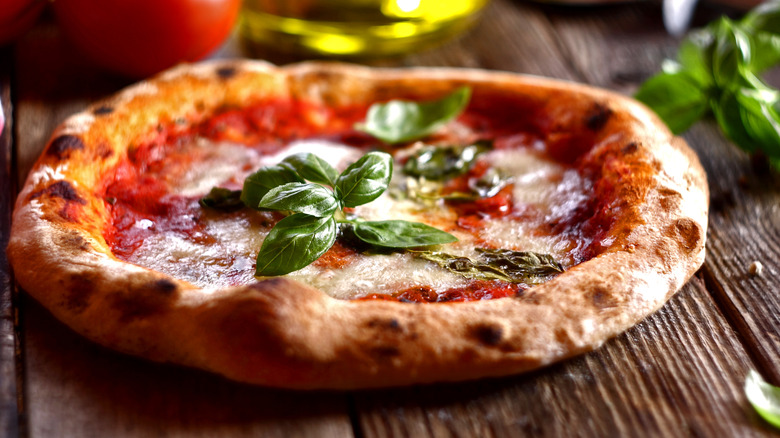
Not all bread aspires to rise. Across continents and centuries, flatbreads have fed workers and royalty alike — pliable and portable, warm from the griddle, and tailored to local flours, fuels, and forms of flame. UNESCO has honored this humble genre in multiple entries that span cultures. In Naples, pizzaiuolos don't just make pizza; they embody a craft. The art of the Neapolitan pizzaiuolo lies in more than stretching dough or tending a blistering oven. It includes rhythmic hand motions, the choreography of service, and the intergenerational transmission of knowledge through apprenticeships that stretch back generations. The resulting delight — pliant at the center, charred at the edges — has become shorthand for Italian culinary identity, even as debates continue over preferences for authentic Neapolitan versus Sicilian pizza.
But step further east and the picture broadens. In countries like Kazakhstan, Turkey, and Iran, flatbreads such as lavash, katyrma, jupka, and yufka form the backbone of everyday meals and ceremonial gatherings. Their preparation is often collective, with women working side-by-side over clay tandyrs or convex griddles. The breads are as thin as paper or thick as a palm, depending on climate, occasion, and tradition — but always, they serve as edible vessels for social exchange. UNESCO's inclusion of both Neapolitan pizza and Central Asian flatbreads underlines connections across cultures — shared techniques that produce equally delicious, if distinct, delicacies.
2. Street food culture in Singapore
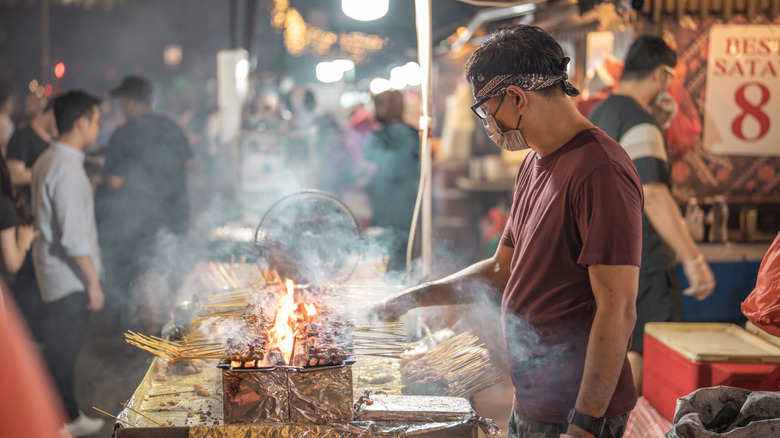
Few cities have elevated street food into a national ethos quite like Singapore. The island-state's hawker centres — sprawling open-air food courts anchored by hundreds of individual stalls — are more than just a convenience. They're a civic institution. UNESCO's inscription of hawker culture as Intangible Cultural Heritage in 2020 formalized what locals have long known: that shared tables, affordable plates, and multicultural recipes are the backbone of everyday life here.
Born from post-war attempts to regulate informal food vending, hawker centres now function as curated microcosms of Singapore's cultural hybridity. A single lunch might weave together Malay satay, Hainanese chicken rice from southern China, and Indian roti prata — all cooked to high standards by specialists who've often been operating the same stall for decades. The result is not just culinary efficiency but a form of decentralized expertise: a patchwork of culinary masters, each guarding a narrow but perfected repertoire. Hawker food is affordable and convenient as well, earning it a prized position among working urbanites looking for something to eat while on the move.
This system has also produced a remarkable continuity of taste in a fast-changing city. While global chains proliferate in the skyline above, ground-level dining remains remarkably anchored in tradition. Anthony Bourdain counted Singapore among his three favorite food cities and was particularly enamored with hawker culture. For him, street food served as a vehicle for understanding not just a country's foodways but its society and culture at large.
3. The diversity and complexity of traditional Mexican cuisine
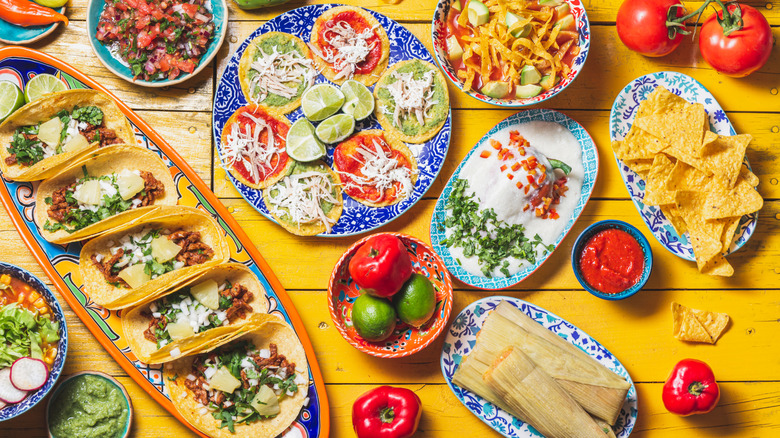
Mexico's cuisine often arrives on international tables flattened into tropes: tacos, tequila, spicy salsa. But at home, the culinary landscape is intricate, regionally distinct, and deeply tied to both pre-Hispanic agricultural systems and the contributions of immigrants. In 2010, UNESCO recognized traditional Mexican cuisine — specifically through the lens of the Michoacán paradigm — as Intangible Cultural Heritage, making it the first national food tradition to receive such a designation.
The UNESCO dossier doesn't just celebrate recipes; it emphasizes the underlying systems: milpas (rotational farming of maize, beans, and squash), nixtamalización (the alkaline processing of corn), communal preparation, and the ceremonial role of food in Mexican society. Dishes like tamales or mole aren't one-off indulgences — they're expressions of seasonal rhythms, religious events, and intergenerational labor. Cooking, in this framework, is inseparable from identity, ecology, and social structure.
The Michoacán model was chosen for its intact culinary practices, where Purépecha communities maintain precolonial farming techniques and cook over wood-fired comals. Nonetheless, similar practices exist across Mexico's diverse regions. The broader significance of the designation lies in its ability to advocate for food sovereignty and recognize the role of women — as knowledge holders, cultivators, and cooks — in sustaining cultural continuity. Even as modern Mexican kitchens innovate, they remain grounded in pantry fundamentals that have sustained the cuisine for centuries: quality base ingredients for traditional Mexican dishes, a vibrant Mexican street food culture, and a respect for those doing the cooking.
4. Two gastronomic rituals based around rice, fish, and communal celebration
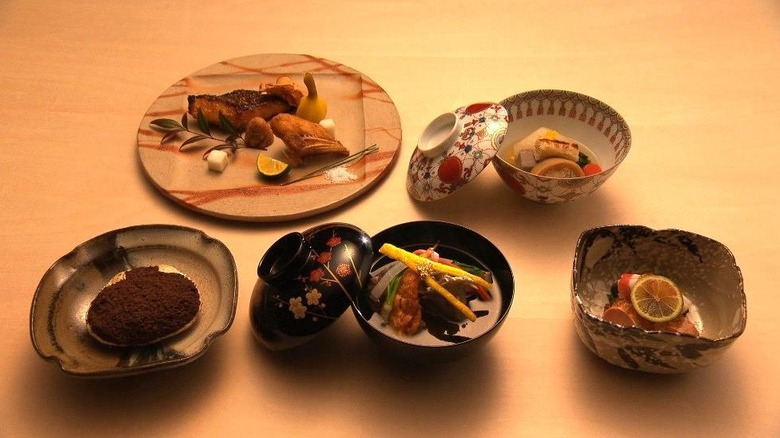
Two coastal nations, two culinary traditions centered on rice and seafood, and two UNESCO designations that speak to the role of food as ritual, not just sustenance. In Senegal, ceebu jën (also spelled thieboudienne) is more than the national dish — it's a communal performance. A medley of broken rice, marinated fish, vegetables, and tamarind or tomato paste, ceebu jën is traditionally served in a shared bowl, with each diner eating from their designated quadrant. The dish embodies Senegalese values of hospitality, seasonality, and communal eating, with roles divided among family members from the kitchen to the table. Although the ingredients are humble, the technique is elaborate and highly codified. In Dakar, it's often the measure of a cook's authority.
Half a world away, washoku – traditional Japanese cuisine — is rooted in different ingredients but guided by similar principles: harmony with nature, balance across textures and colors, and a respect for ritual. While washoku encompasses the full range of Japanese foodways, its inscription by UNESCO focused specifically on New Year celebrations, where foods like osechi ryōri (multi-compartmental bento boxes) serve as both symbolic gestures and family heirlooms. Both traditions offer blueprints for how daily meals can carry spiritual and social weight. And both operate on the idea that food is an archive — a record of climate, trade, and ancestral knowledge.
5. Beer culture in Belgium

Belgium produces fewer than 2% of the world's beers but punches well above its weight in influence. Its brewing culture — diverse, decentralized, and stubbornly idiosyncratic — was inscribed by UNESCO in 2016 not for any one style but for the depth and variety of its collective practice. The inscription recognizes beer as more than a product. It's a tradition anchored in monasteries, town festivals, and an evolving sense of regional identity.
What sets Belgium apart isn't just the technical diversity — from spontaneously fermented lambics to bottle-conditioned tripels — but the cultural infrastructure built around them. Each beer has its own preferred glass, its own ideal pour, and often its own embedded story. Monastic orders like the Trappists have guarded brewing techniques for centuries, while secular craft brewers continue to innovate within well-established typologies.
Crucially, Belgium's beer heritage is social as well as artisanal. Local cafés act as repositories of beer knowledge, often passed down informally among barkeeps and regulars. Drinking is rarely rushed, and pairing beer with food — from sharp cheeses to rich stews — is standard practice rather than a niche hobby. Today, Belgian styles are mimicked and marketed globally, but their roots remain hyper-specific. A tripel beer – the high-alcohol libation fermented with distinctive yeast strains — may now be brewed in Oregon or Seoul, but its naming convention and flavor profile trace back to a precise cultural logic.
6. Truffle hunting in Italy

The allure of the truffle lies partly in its elusiveness. Buried underground and bound to the roots of specific trees, truffles resist easy cultivation and defy mechanical harvesting. In central Italy — particularly in regions like Umbria, Tuscany, and Piedmont — the act of unearthing them has evolved into a ritualized practice. In 2021, UNESCO recognized this tradition not as a culinary quirk but as an intergenerational knowledge system that weaves together human intuition, animal training, ecological awareness, and seasonal rhythms.
At the center of this tradition is the bond between hunter and dog. Forget pigs; Italian truffle seekers overwhelmingly rely on trained canines, prized not just for their olfactory precision but for their agility and discretion. Training begins early, often passed from parent to child alongside the oral histories of terrain, weather, and fungi behavior. The work is quiet and embodied — a slow walk through familiar woods, a sudden pause, a gentle dig.
While black and white truffles now circulate widely on global markets, the mystique around their origins often obscures the labor behind their discovery. Commercial pressure has increased, with truffle prices reaching dizzying highs during peak season, but the UNESCO designation helps anchor the practice in its broader context — as part of rural heritage, not just luxury supply chains. Understanding the difference between white and black truffles is only the beginning in making sense of this prized, rare, and complex fungus.
7. The Mediterranean Diet
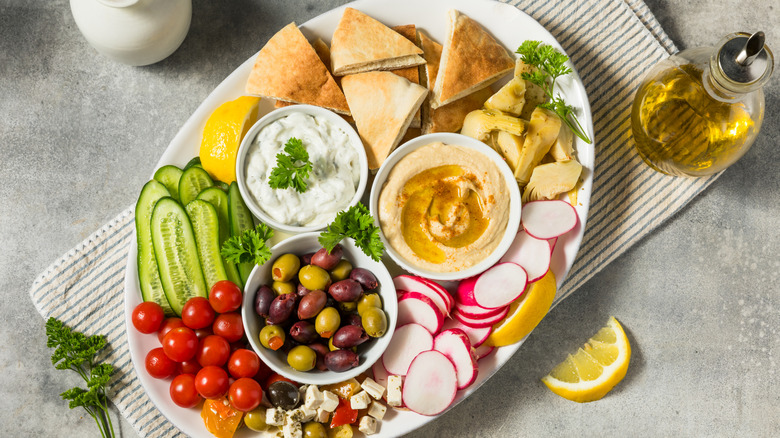
Much has been said about the health benefits of the Mediterranean diet, with ties to longevity, cardiovascular wellness, and "clean eating" trends. But UNESCO's inscription of the Mediterranean diet in 2013 had little to do with calorie counts or omega-3s. Instead, it focused on the diet as a cultural system: a way of sourcing, preparing, and sharing food that reinforces social ties and ecological balance across multiple countries, from Greece and Italy to Morocco and Spain.
At its core, the Mediterranean diet is not a strict regimen but a flexible template grounded in plant-forward eating, seasonal rhythms, and communal meals. Olives and olive oil, grains, legumes, fruits, fermented dairy, as well as fresh and pickled vegetables provide the backbone, complemented by modest portions of fish, meat, and wine. But it's the how, not just the what, that makes it heritage-worthy: the reliance on local agriculture, the rituals of open-air markets, and the social architecture of the shared table.
Mediterranean Mezze culture — the small-plate tradition spanning much of the region — is emblematic of this ethos. It emphasizes variety over volume, conversation over consumption. Meals stretch across hours, punctuated by rounds of food, wine, and familial exchange. In designating the Mediterranean Diet as Intangible Cultural Heritage, UNESCO reinforces that sustainability isn't just about carbon footprints or dietary charts. It's also about embedded knowledge systems that connect land to table, neighbor to neighbor, and memory to meal.
8. Baguette making in France and its global extensions
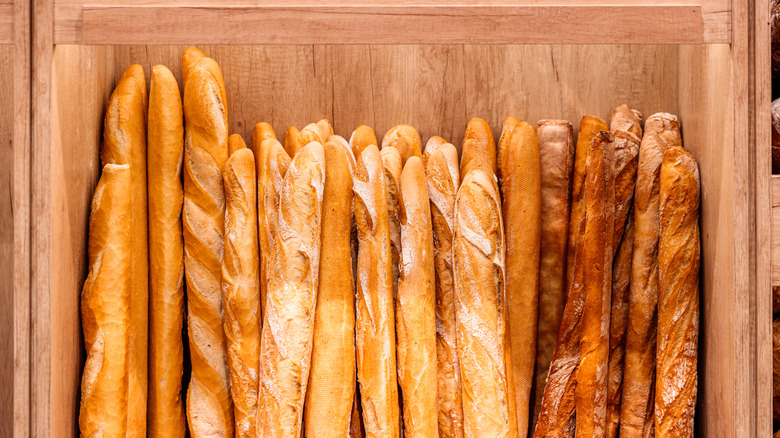
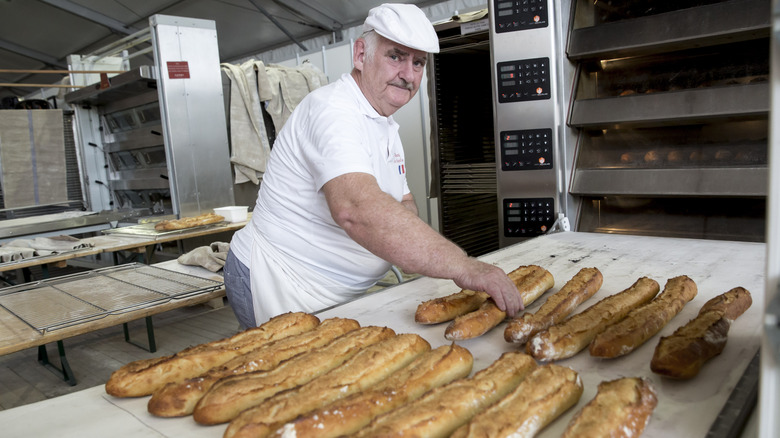
For a food so seemingly simple — flour, water, salt, and yeast — the French baguette carries disproportionate cultural weight. Its crackly crust and airy interior have become near-universal symbols of Frenchness, a shorthand for artisanal quality and everyday elegance. But as UNESCO emphasized in its 2022 inscription of the "artisanal know-how and culture of baguette bread," the baguette is not just a product — it's a process, a rhythm of daily life.
The heritage status specifically celebrates small-scale bakers who begin work before dawn, shaping and fermenting dough according to time-tested routines. It's labor-intensive and increasingly threatened by industrialization and changing eating habits, as supermarket loaves and standardized production methods chip away at the dominance of the corner boulangerie. UNESCO's recognition aims to protect both the skill set and the cultural role of the baker as a neighborhood fixture.
The baguette's legacy extends far beyond France, morphing into new forms in colonial and postcolonial contexts. Nowhere is this more evident than in Vietnam, where the bánh mì sandwich fuses French technique with Southeast Asian ingredients. The baguette also persists as a key player in debates about craft, tradition, and regulation — as evidenced by a history of bread production laws, which explain why French baguettes are characteristically long. In honoring the baguette, UNESCO calls attention to the delicate yet resilient nature of daily traditions — and to the hands that keep them alive, one loaf at a time.
9. Tea culture in China, Türkiye, and Azerbaijan

Tea is the most widely consumed beverage in the world after water, but its meanings vary dramatically depending on where and how it's prepared. In 2022, UNESCO recognized the shared tea culture of China, Türkiye, and Azerbaijan — three countries with distinct rituals yet overlapping philosophies around hospitality, ceremony, and social life.
In China, tea preparation is a formalized art with roots stretching back thousands of years. Regional styles abound: delicate green teas from Anhui, roasted oolongs from Fujian, and fermented pu'er from Yunnan. Each tea demands specific brewing techniques, water temperatures, and vessels. The act of serving tea becomes a quiet expression of respect and attentiveness.
In Türkiye, tea is a fixture of daily routine and political life alike. Brewed strong in stacked kettles and poured into tulip-shaped glasses, çay anchors everything from business meetings to roadside conversations. Vendors push wheeled tea carts through Istanbul's markets, while samovars boil in village kitchens. Azerbaijan shares many of Türkiye's customs but adds its own layers — spices like cardamom, decorative glassware, and the pairing of tea with homemade jams. Across all three countries, tea is more than refreshment. It is a signal of welcome, a pause in the day, and a tool of diplomacy both intimate and formal. Despite global dominance by large tea-exporting nations, UNESCO's recognition turns attention back to the quiet human rituals that have shaped tea culture across continents for millennia.
10. The history and heartiness in Haiti's joumou soup
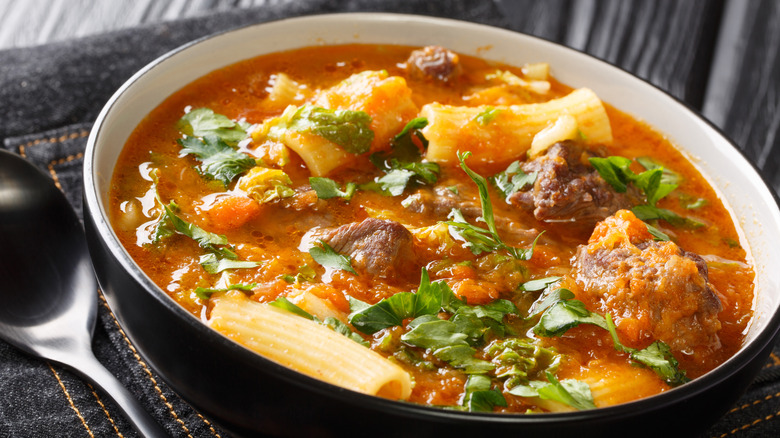
Joumou soup, or giraumon soup, holds a central place in Haitian cultural identity, combining rich flavors with profound historical meaning. Prepared with giraumon pumpkin, root vegetables, plantains, beans, meat, and aromatic spices, it reflects the island's agricultural diversity and culinary creativity. While its ingredients are humble, their combination produces a hearty, complex dish that nourishes both body and spirit.
Its symbolic weight dates back to Haiti's independence from France in 1804. Once a delicacy reserved for colonial slave owners, the soup was reclaimed by newly freed Haitians as a culinary declaration of liberty, dignity, and resilience. Consumed every January 1 –- Haiti's Independence Day –- Joumou became the first meal of the year, linking commemoration with sustenance. Beyond its national holiday role, it is also a cherished Sunday breakfast tradition.
The preparation of Joumou is deeply communal. Farmers cultivate the vegetables, artisans craft the cooking vessels, and entire families participate: Women oversee the cooking, children help with peeling and chopping, and neighbors gather to share in the finished soup. Its 2021 inscription on UNESCO's Representative List of the Intangible Cultural Heritage of Humanity recognized not only its culinary significance, but also its role in fostering social cohesion and affirming a shared Haitian heritage.