

8 Fruits To Avoid Buying During The Fall
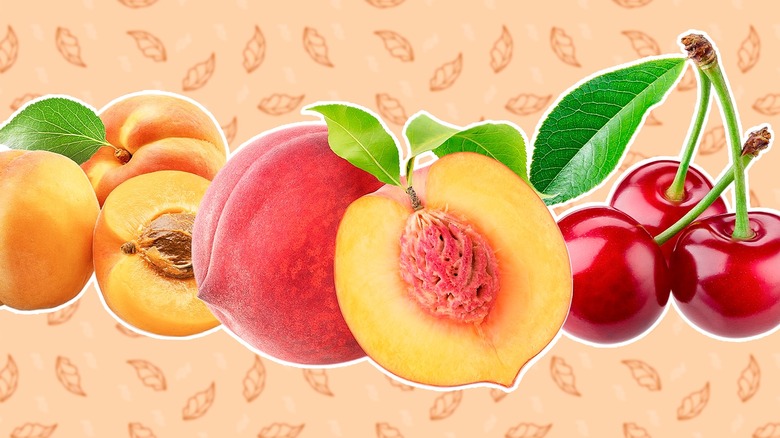
Fall ushers in a host of food rituals — apple picking, soup season, and pumpkin spice everything. As you start leaning into that warm and cozy seasonality, you'll probably want to know what produce to snag. You'll inevitably begin filling your cart with fruits that are in season during the fall like apples, pears, and figs, but you might also be wondering what fruits you should be skipping over.
Your watermelon craving is still going strong, but is it worth it to grab a melon in November? You've got berries on your shopping list, but now that you're looking at them, is it a good idea to snag a pint? Read on to learn about some fruits you should leave behind in the produce aisle this autumn. You might just save yourself the disappointment of biting into some bland and flavorless fruit or learn that it's about time to say goodbye to your perfectly ripe faves.
1. Peaches
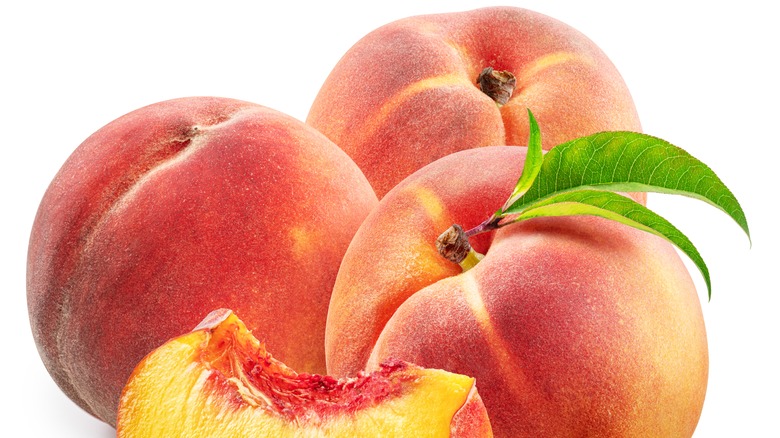
Whether you like them grilled, stewed, baked into a crisp, or picked fresh off the tree, you better get your peach consumption in while you still can. Summertime is the peak season for the fuzzy fruit. And you'll generally find the best peaches at the grocery store and farmers' markets from May through late September (which is still technically summertime).
Over 30 states across the nation produce peaches, and depending on where you live, you might now be starting to see overripe peaches in grocery stores. Once fall hits, it's better to leave the peaches in the produce aisle.
In the meantime, if you're dealing with a surplus of the stone fruit in your home kitchen, you might want to check out these creative ways to use up all those summer peaches. You are sure to find some good ideas, including a few lesser-known savory applications for the ultra-sweet fruit.
2. Apricots
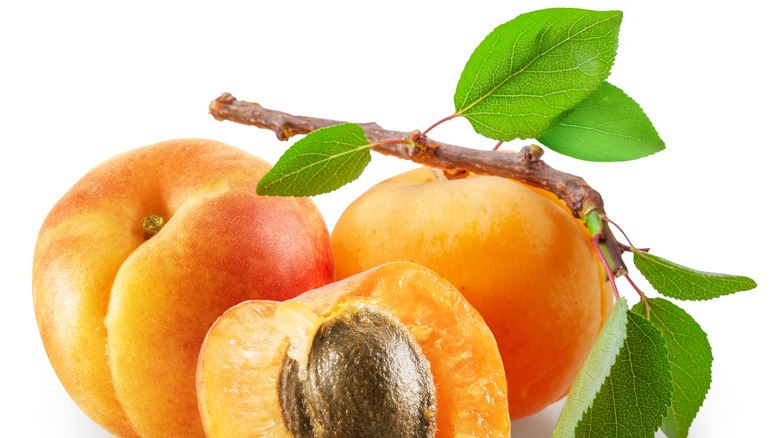
The peach's smaller and more tart cousin, the apricot is also a fruit you should avoid buying during the fall. There are three main states that produce the bulk of the nation's apricots: California, Indiana, and Washington, and the small stone fruit is at its peak ripeness May through July, with different varieties coming into their best at different times. The Royal Apricot, a variety that works well with canning and drying, ripens the earliest in late May and early June. The Blenheim Apricot, which is often used for jam-making and drying, ripens next in late June and mid-July. The Moorpark Apricot rounds out the stone fruit's peak season with availability in late July through late August.
So, with apricot season on its last legs, be prepared to say goodbye to juicy and delicious apricots. And as autumn kicks in, skip over the apricots in favor of a more seasonal option.
3. Cherries
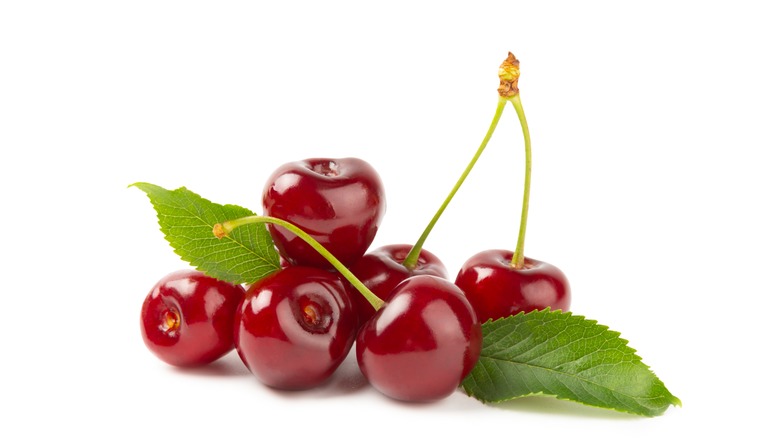
Biting into a juicy cherry and spitting out the pit isn't normally a food ritual associated with fall, and there's a reason for that: Cherry season happens primarily during the summertime. Per the United States Department of Agriculture, more than 1,000 varieties of cherries exist, and they range in appearance with different hues, shapes, and levels of tartness. In the U.S., cherries are divided into two main categories — tart and sweet. Washington, Michigan, and California are the three states that produce the most cherries, and together they are responsible for almost 90% of the stone fruit's production across the entire nation, according to the Agricultural Marketing Resource Center.
California's cherry season begins in late April and stretches through mid-June, and for the bulk of other cherry-growing states, the fruit reaches peak ripeness in late June and July. So, as autumn approaches, it's time to say goodbye to cherries. But if you still have some of the delicious stone fruit in your fridge, make sure to try out this genius chopstick hack that'll help you effortlessly pit cherries in a flash.
4. Watermelon
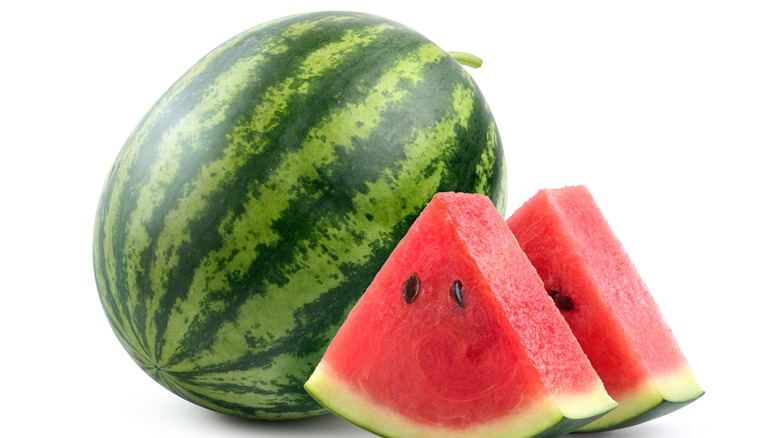
There's something so satisfying about biting into a sweet, juicy slice of watermelon. If you're chasing that feeling, it's best not to bother with the melon in the fall, since peak season happens in the summertime.
The fruit grows in areas across the U.S., but the bulk of watermelon production comes from California and the American South. Watermelons take three months to grow, and they also require warm temperatures that consistently fall between 70 degrees Fahrenheit and 90 degrees Fahrenheit. This, of course, limits locations fit for large-scale production. In California, peak watermelon season is from July to September. So, if you're trying to get the most out of this summer produce before fall rolls around, it's a good idea to brush up on these storage tips for longer-lasting watermelon. Whether you like yours sliced or cubed, you're sure to find some pointers on maximizing the lifespan of that delicious melon.
5. Cantaloupe
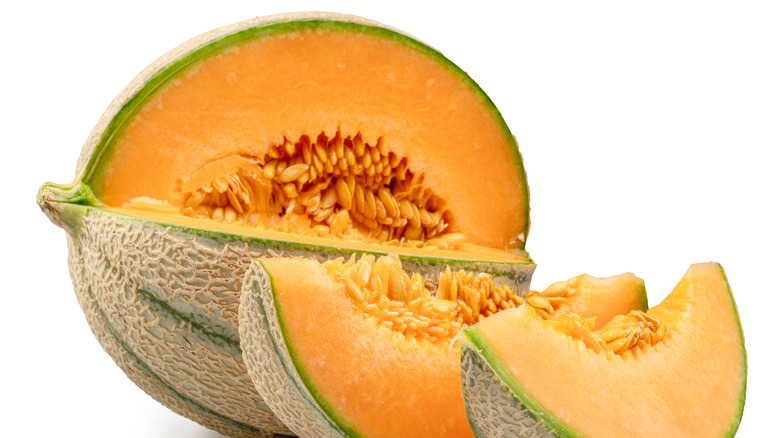
When cantaloupe is perfectly ripe, it is an absolute treat. But if you buy it at the wrong time, an underripe cantaloupe can be hard as a rock and totally flavorless and an overripe cantaloupe can be mushy and mealy and take on an unpleasantly fermented flavor.
To make sure your cantaloupe has optimal taste and texture, you'll need to grab them from the grocery store or farm stand during their peak season, which is in the summertime. Those months of May through September will provide you with a melon that's firm but yields easily to cutting and has a pleasantly sweet, almost floral flavor.
Come October, make sure to leave the cantaloupe behind. And keep in mind that if you grab a cantaloupe out of season that it won't get any sweeter after it's been harvested. So, even if you leave it out on your kitchen counter for a day or two, it'll soften enough to cut, but it still won't taste that great.
6. Honeydew
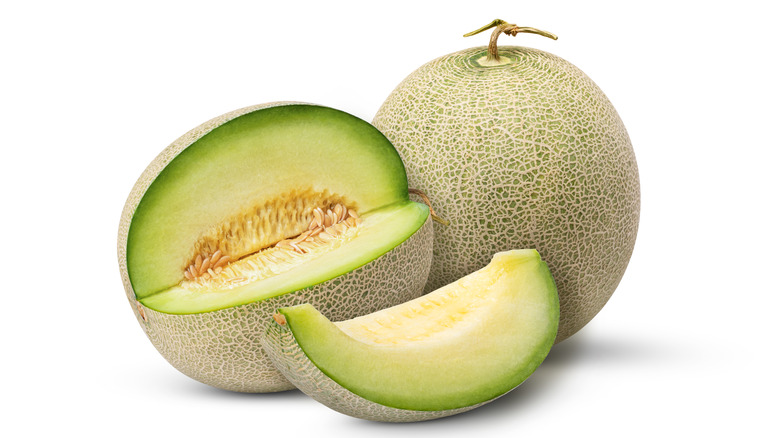
Ah, honeydew. The sweetest of all the melons. A perfectly ripe honeydew is almost dessert-like, but everyone knows that an underripe or overripe honeydew is severely disappointing. So, it's important to know when to buy it, and unfortunately that's not during the fall.
The bulk of honeydew melons are grown in California, and they reach their peak around August and September. Though the growing season in the Golden State technically stretches from March to December, if you live in other regions of the country, it's best to avoid purchasing the fruit outside of that peak season. The flavor won't be as vibrant as it is in the late summertime when it hits peak ripeness. So, try to get your honeydew intake in before the leaves start changing colors. It's the perfect addition to a fruit salad or, if you're feeling wild, as part of this vintage two-ingredient "breakfast" that's a wickedly boozy way to start your day.
7. Strawberries
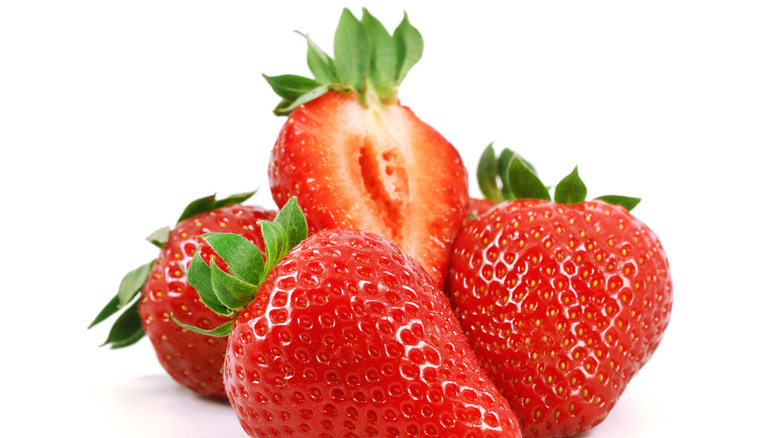
Whether you associate strawberries with picking them straight off the plant at your local berry farm or with the chocolate-covered Valentine's Day sweet treat, one thing's for certain: Strawberries are a fruit you'll want to avoid buying during the fall. For most of the U.S., strawberries start ripening in the springtime but are best in the summertime, with peak season for places like the Midwest and Northeast being a short window in June and July. That's the best time to snag pint, and if you're looking to maximize flavor and antioxidants, you'll want to grab the pack of strawberries that are completely red (no white colored skin).
Those will taste the best and offer you more health benefits than the paler ones. Once July comes to a close and the window of peak ripeness ends, you'll find the intense flavor and sweetness begin to wane, so unless you live in a place like California or Florida with a longer growing season, it's better to set down the strawberries during autumn.
8. Blackberries
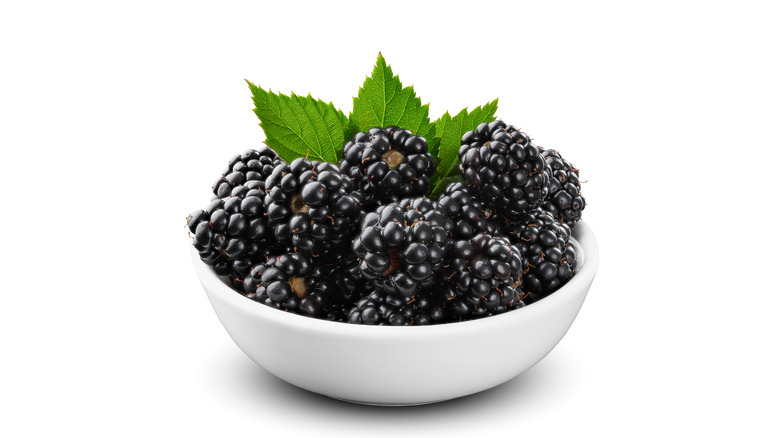
If you're looking for blackberries so juicy they'll stain your fingers purple, look to the later half of the summer. July and August are the months that boast the ripest of these fiber and antioxidant-rich berries.
For most climates in the U.S., blackberry season will end around September. So, if you're looking to head out to a pick-your-own berry farm to squeeze the last bit of summer out of your fruit selection, do so soon. As fall starts to roll in, it's best to skip over the blackberries. They'll be lacking in the sweet flavor that the summertime provides.
But if you've still got some lying around, make sure to store them in the fridge – but not in the crisper – to ensure the berries stay at their freshest for as long as possible. And while you're at it, consider trying them out in this blackberry and pine nut cheesecake. Whatever application you use them in, make sure to consume your blackberries within a few days, and if the berries start to look fuzzy, mushy, or slimy, it's a good idea to throw them out.