

7 Big Bologna Recalls That Affected Lunches Across The US
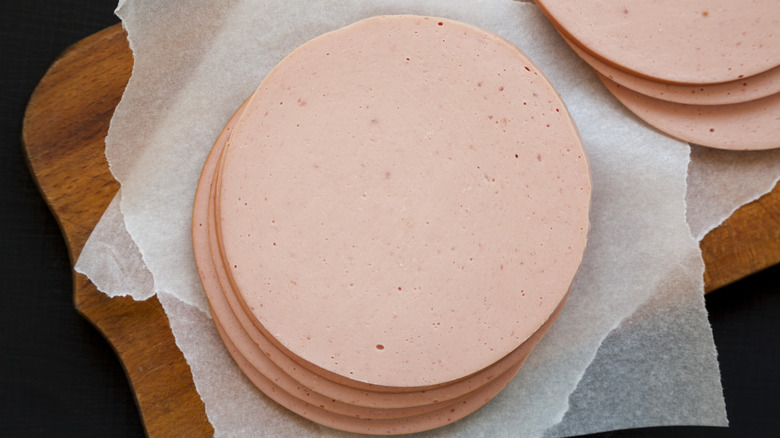
A bologna sandwich is a staple of lunches across the United States. It's cheap and incredibly fast to prepare because all you have to do is slap a slice on some bread and chow down. Even if you choose to fry the bologna or add more toppings, those will take only a few minutes at most. When grocery stores have to pull bologna products off shelves due to food safety recalls, there are more than a few people who suddenly find their preferred lunch plans turned upside-down.
You might be thinking that, well, this is lunch meat; it's probably rife with bacteria and other terrible things that only "mystery meat" could have. However, that's not the case with most of these recalls (and the ingredients in bologna are far from a mystery). It's true that bologna recalls can be due to contamination with Listeria monocytogenes, which causes listeriosis. Lunch meat tends to be one of the more prolific sources of the problem, and contamination often happens during the slicing and packaging stages of production. In fact, one of the worst bologna and deli meat recalls occurred because of potential listeria contamination. However, most bologna recalls in the U.S. have been due to mislabeling and illegal import issues, with products taken off shelves before anyone reported problems. Let's take a look at seven big bologna recalls that affected lunches across the U.S.
1. Gaiser's European Style Provisions (2025)
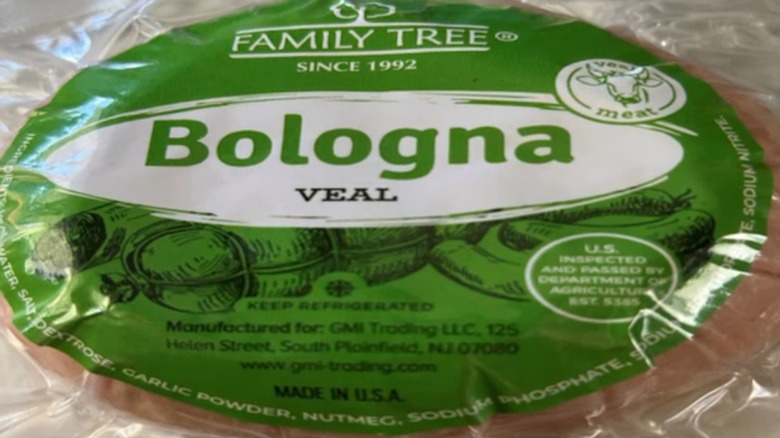
The first on the list involves a labeling error. Gaiser's European Style Provisions recalled 143,416 pounds of bologna in June 2025 after a Food Safety and Inspection Service (FSIS) investigation that found the products may have contained ingredients not included on the label. Seven different bologna products were found to have different meats than what their labels stated. For example, bologna labeled as containing only pork actually contained chicken.
Mislabeling can happen if the same production line handles different foods, if the company changes recipes for a product, or if the workers grab the wrong packaging. This doesn't sound like a huge deal — except that it is for two reasons. One is that people with dietary restrictions rely on accurate ingredient labels to tell if a product is safe for them to eat. If a product has a label that doesn't show any pork ingredients when the product actually contains pork, that's a problem for people who follow kosher or halal dietary rules that prohibit pork consumption. The other is that, if the labels can't get the type of meat right, what other ingredients do they not include? Are they ingredients that could cause allergic or other medical reactions?
This wasn't the first recall that Gaiser's has had. In 2016, the company recalled 3,895 pounds of bologna due to undeclared milk. That could have led to allergic reactions, but luckily, the problem was found early during an inspection, and no one reported adverse events.
2. Ralph's Packing Company (2024)
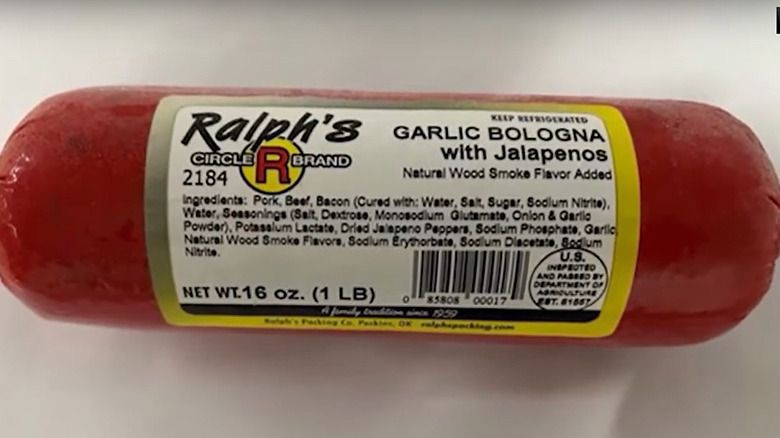
In December 2024, Ralph's Packing Company recalled 3,132 pounds of two different pork and beef garlic bologna because of undeclared milk. The recall was limited to the state of Oklahoma; none of the products were shipped to other states. This problem was discovered by the company, which reported it to the U.S. Department of Agriculture (USDA) and also announced the recall via social media. The company announced that it was revising its labels as a result.
The USDA and the company both urged consumers to either toss the items or return them to the stores the customers bought them from. Undeclared milk would have been dangerous for people with dairy allergies or for those who did not want milk in meat products. It's important to note that normally, if you don't have a medical or dietary reason for avoiding dairy in a meat product, then a recall like this wouldn't affect you. However, you would still need to be careful serving the product to other people because they may have allergies or other dietary restrictions that would make eating the recalled food very risky.
3. Ecuatorianita Imports & Exports (2024)
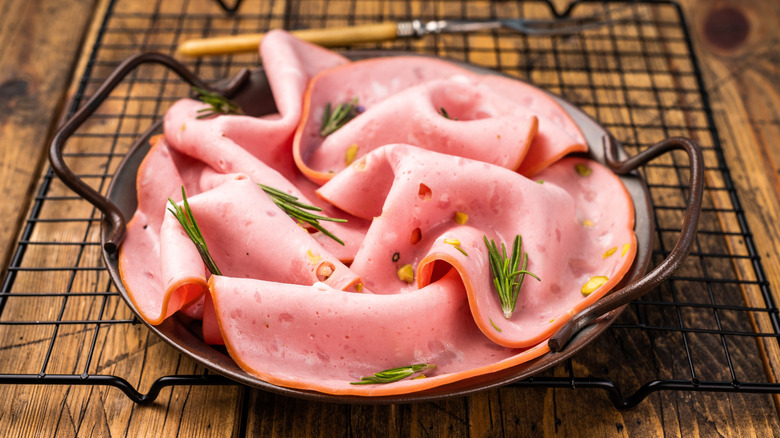
Another recall from December 2024 involved a product that never should have made it to the United States in the first place. Ecuatorianita Imports & Exports had brought in imported mortadella bologna from Ecuador and distributed it to several states in New England and the mid-Atlantic region. However, the FSIS says that meat and poultry from Ecuador are not eligible for sale in the U.S. for unspecified reasons, and these packages didn't have a USDA inspection seal. The illegal product was found when the FSIS surveilled a warehouse.
While the FSIS doesn't explain why Ecuadorian products are banned, it is easy to guess why the agency wanted the meat recalled. One reason could have been that Ecuador had been dealing with an outbreak of bird flu, and that alone would have made importing meat products from the country rather risky even if production facilities were spotless. Another reason is that, without inspection, you have no knowledge of what the processing facilities were like. The bologna also could have included other ingredients that weren't safe to eat, such as allergens. It's not known how many pounds of meat were imported or recalled.
4. Boar's Head (2024)
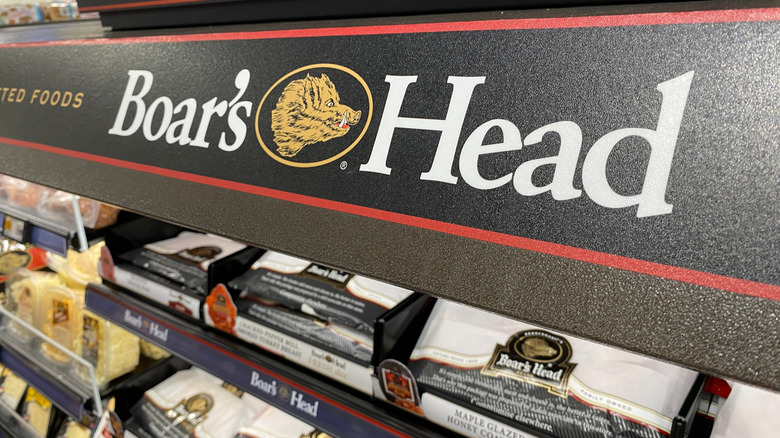
In July 2024, the Boar's Head Provisions company issued a recall for just over 200,000 pounds of meat products due to potential listeria contamination. The recall, which labeled the products as unfit for human consumption, centered on liverwurst products. However, it included additional meat products, including bologna, because those other products were produced at the same time and on the same line as the affected liverwurst. A few days later, the company issued an expanded recall for over 7 million pounds of meat products. Investigators determined that the Boar's Head products were the source of an outbreak that eventually resulted in 60 hospitalizations and 10 deaths.
The problem stemmed from highly unsanitary conditions at a Virginia factory that was found to have had documented problems for at least a couple of years before the outbreak. An inspection report from the USDA covering 2023 to 2024, for example, noted meat and fat buildup around machinery (some of that buildup had turned green), rusty motors, meat on the floor, muddy water on the floor, meat overspray, and several insect infestations. The facility had to close after the outbreak. The company announced in August 2025 that it planned to reopen the plant and restart production. However, the Associated Press reported that same month that more recent inspection reports of several Boar's Head plants noted that they had similar problems to those found at the first Virginia plant.
5. Alef Sausage (2023)
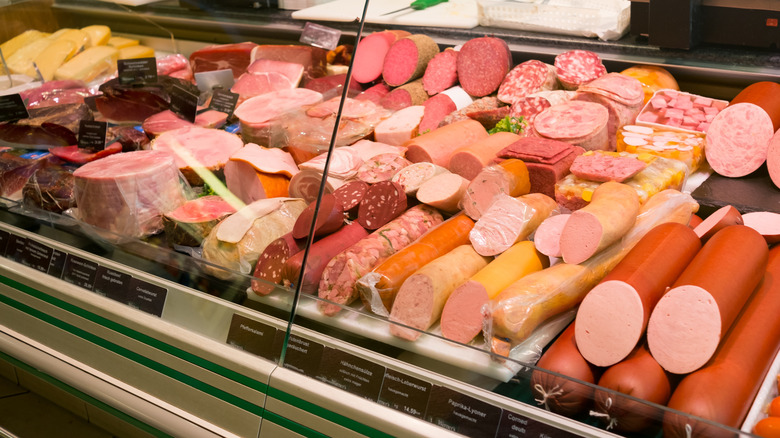
One of the more alarming recalls of bologna involved a labeling omission that could have led to dangerous bacterial growth. In April 2023, Alef Sausage recalled 61,574 pounds of meat products, including a type of bologna, due to the packaging not having information about keeping the products refrigerated. The New York State Department of Agriculture and Markets found the products sitting on retail store shelves in an unrefrigerated section, and the agency notified the FSIS. That might sound like a store issue at first, but the agency found that none of the packaging had any statements about keeping the items refrigerated. This was even though the products were clearly not meant to be shelf-stable.
Some preserved meat products can sit on a shelf without a problem, but those rely on certain preparation and preservation methods. Dry-curing and dry-aging make meats shelf-stable, but the environment needed for those to work has to be highly controlled, and the process has to be followed precisely. If meats aren't dry-cured and dry-aged, they'll need to be refrigerated to prevent the growth of bacteria. The recalled products from Alef Sausage weren't dry-cured and dry-aged, and the labeling oversight needed to be fixed immediately.
6. Erie Meat Products (2021)
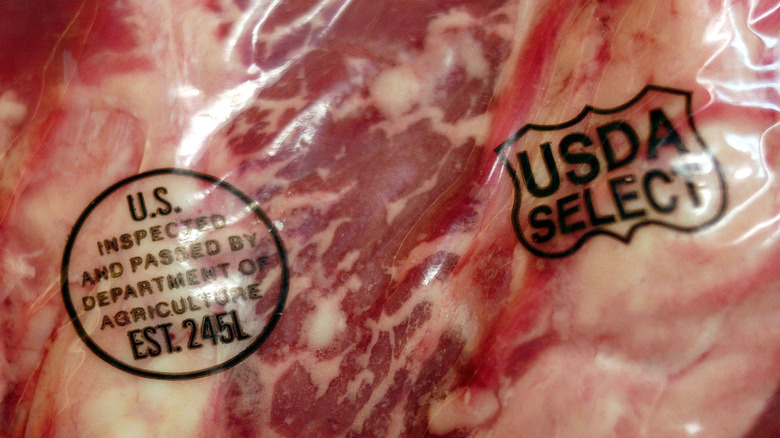
Another international import that didn't go through USDA or FSIS inspection was the subject of a recall starting in December 2021. Canadian company Erie Meat Products imported 1,224 pounds of chicken bologna into the U.S. — the meat was destined for correctional institutions in four southern states — but somehow, the meat did not have a USDA inspection mark, nor did it go through FSIS import inspection. It's not really clear how the product managed to escape notice for so long, as the FSIS puts imported meat, poultry, and egg products through a three-part inspection process that includes checking imports at each port of entry.
This wasn't Erie's first recall in 2021, by the way. In September, the company had to recall another of its chicken products due to listeria contamination. Luckily, there was no sign that the bologna was contaminated; the December recall was done purely out of caution because not having the USDA mark meant the lunch meat was basically unknown territory.
7. StoneRidge Wholesale Division (2018)
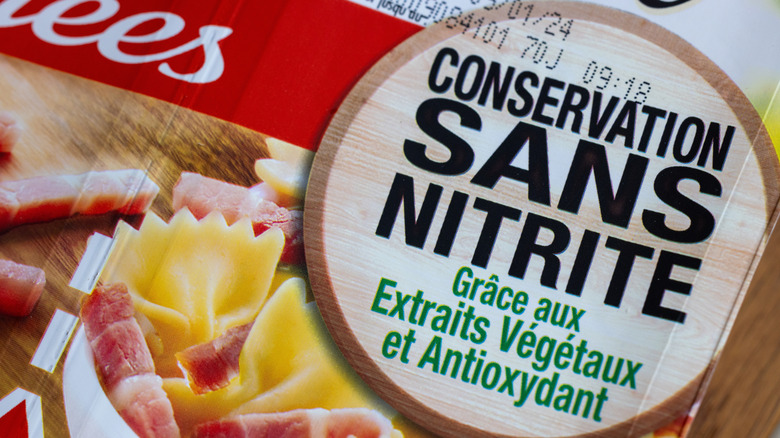
Sometimes, recalls spur customers to return products in droves, and other times, nothing happens. That's the case with this final recall in which StoneRidge Wholesale Division recalled 656 pounds of ring bologna in August 2018. The products were mislabeled and had omitted sodium nitrite and sodium erythorbate from the ingredients list. A customer noticed the omission and notified the FSIS. The product label's ingredients listed "sodium" at the end with nothing after it, even though "salt" had already been mentioned earlier in the list. That was the clue that something wasn't right with the label.
Sodium nitrite and sodium erythorbate are preservatives that help meat keep its pinkish color and that (in the case of sodium nitrite) may help with fighting off bacteria. Both are common ingredients in lunch meat, but many consumers prefer to avoid them because those consumers want to avoid additives. There is also a potential connection between sodium nitrite — which converts to nitrosamines — and incidents of cancer. However, people apparently weren't too concerned about this because, according to the FSIS, no products were recovered.