

The Pantry Staple You Should Avoid Buying In Bulk
We may receive a commission on purchases made from links.
Whether you live alone or need to feed a large family, there are plenty of instances when bulk shopping, often at big box stores like Costco and Sam's Club, comes in handy. The goal is to reduce costs and stock up on items that can be stored for a long time without diminishing in quality. Unfortunately, there's one category of pantry staple that is best to avoid buying in bulk, even though it's widely considered a total shelf-staple: spices. From paprika to oregano to black pepper, spices are essential flavoring agents for all types of dishes, and among the most important items to keep in your kitchen at all times. Because they're dry goods that we typically store in the pantry or on countertop racks, we tend to think of spices as food that will never expire — but that isn't entirely the case.
Although it's technically true that virtually no common spices ever "go bad" in the sense of spoiling or becoming dangerous to consume, they definitely lose their flavor and potency over time, becoming pointless and even unappetizing to use as a result. Generally speaking, whole spices stay fresh longer than ground, but most powdered and jarred spices need to be replaced after two to three years regardless. This is the problem with buying spices in bulk — the vast majority of us won't use enough of any powdered spice within a couple years to justify the purchase. Like most foodstuffs, spices are at their best when they're fresh, so always opt for smaller amounts that you can replenish frequently for tastier dishes.
Better ways to buy and store your favorite spices
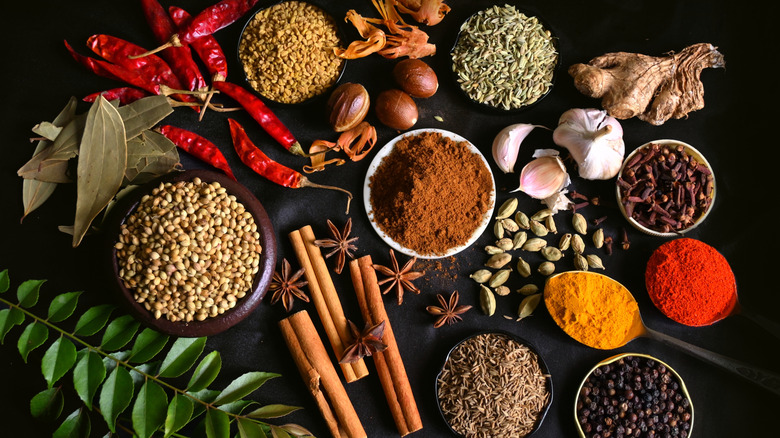
One of the best, and easiest, ways that serious home cooks can up their culinary game is to always use whole spices, like professional chefs, rather than pre-ground ones. Though it seems intimidating at first, purchasing popular spices such as nutmeg, cardamom, and peppercorn whole not only ensures they stay fresher for longer but it also opens up new possibilities in the kitchen. However, if learning how to grind your own spices isn't at the top of your priority list, that's understandable.
Otherwise, purchase small quantities of ground spices, whether in pre-portioned packets like this Organic Starter Set from Cpise, or by filling up your own containers from the bulk section of health-centric grocery stores like Whole Foods or Sprouts. This is also a budget-friendly way to shop at these upscale retailers, while still ensuring your kitchen or pantry is fully stocked with fresh, high-quality spices and seasonings in manageable quantities. As convenient as jarred spices may look at the grocery store, they're rarely the most economical, sustainable, or even tasty option.
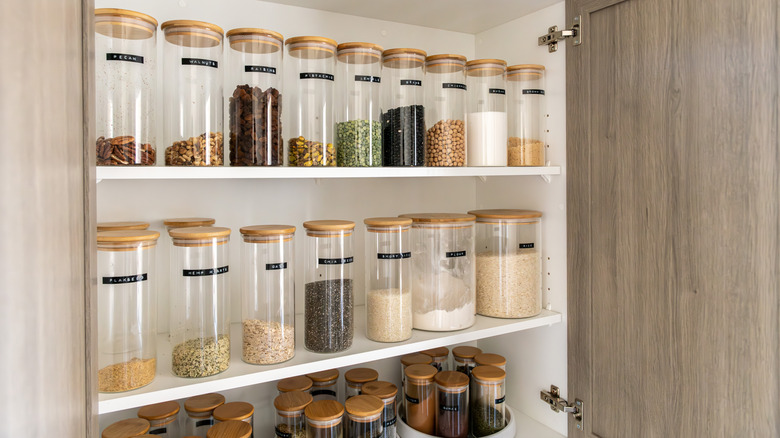
Finally, how you store your spices is also important for maintaining their freshness and flavor in the long run. While certain spices may thrive under slightly different conditions, in general, most spices are best stored in airtight containers and in dark, cool spaces. And naturally, it's much easier to accomplish this if you keep your spice quantities manageable, which is another great reason to avoid buying them in bulk.