

8 Old-School Breakfast Chains You Totally Forgot About
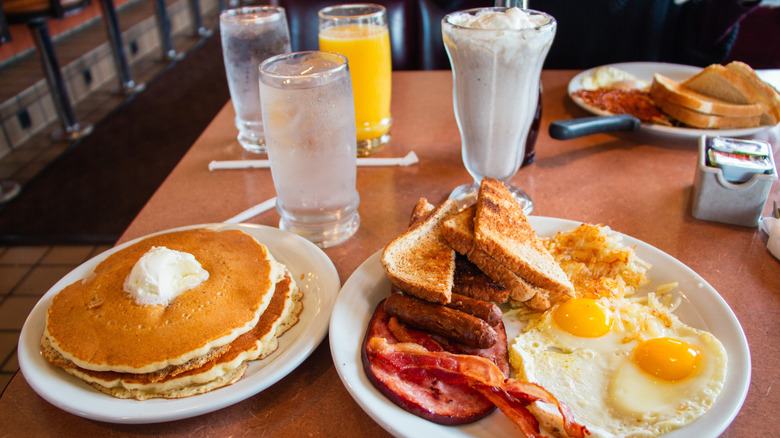
It's a common core memory for many of us. Taking that special Saturday morning trip to the local greasy spoon for a most likely unhealthy, but incredibly filling and delicious breakfast with our families. We frequented places like IHOP, Waffle House, Denny's or Shoney's, which are all still hanging in there. It was practically a rite of passage to hit up the local Denny's after a night out with your friends. Nowadays, for some of us at least, this has been replaced with fancy brunches with friends, and eating out for that important meal of the day is still popular.
Let's face it — breakfast just tastes better at a restaurant, for many reasons, whether you're chowing down on a massive stack of pancakes or salivating over the cheesy goodness of a Southwest omelet. Or maybe you went for the classic country breakfast of eggs, bacon, sausage, and a heaping pile of savory biscuits and gravy. In the not-so-distant past, breakfast chains were all the rage, and you could get just about anything your heart desired.
There have been many chains over the years. So many that you've probably forgotten that most of them existed. Never fear. We have gone back in time (well, actually, we did a deep dive on the internet) to dig out and dust off some of the old-school breakfast chains that you've very likely forgotten about. Read on to take a stroll down breakfast memory lane.
1. Royal Canadian Pancake House
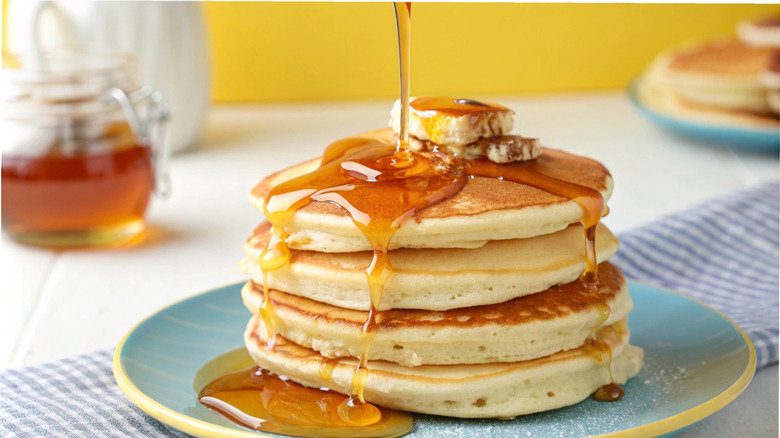
The first entry on our list was only around for about nine years, but it took New York by storm. It's to the point that there are still articles that pop up in recent years, lamenting the loss of the Royal Canadian Pancake House chain. It may have been a smaller, regional chain — mostly in New York with one that opened up in Miami that closed shortly thereafter — but it left a lasting mark on all who dined there.
The Royal Canadian Pancake House opened in 1989 on Hudson Street and was known for serving pancakes the size of platters. Even the small option was the size of a saucer. The chain gained renown by regular New Yorkers and even stars. Sylvestor Stallone brought the pancake spot up in an interview with the LA Times in 1997, saying the restaurant served pancakes that were up to 12 pounds. It was also known for its Womlettes — essentially a waffle with an omelet piled on top. The servings were large enough to make you cry in joy, and then in defeat when you couldn't finish it.
The chain closed in 1998, despite its apparent popularity. This has been attributed to an investment banker who put in for the restaurant allegedly being investigated by the SEC, though finding hard proof of it is tough going. Either way, while the chain may be gone, there are at least a few souls who carry its memory.
2. Old Country Buffet
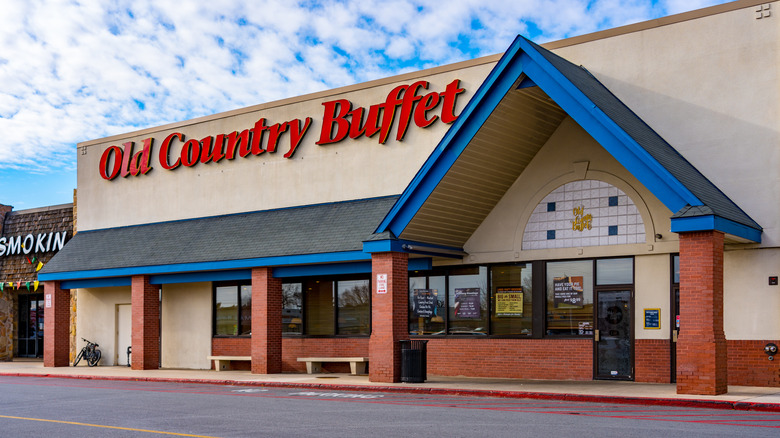
Anyone from the Midwest probably remembers the popularity of buffet chains. While they were big at Chinese restaurants or Sizzler, Old Country Buffet was known by and large for its breakfast buffet. And like other buffets, this one you'll likely never see again.
Old Country Buffet saw its heyday in the '80s and '90s for most who remember it. The chain had an affordably-priced all-you-could-eat breakfast buffet that brought out lines at some locations on the weekends, especially when doing specials. It included all the regular fixings for a country breakfast, including eggs, carved ham, hash brows, sausage, biscuits and gravy, pancakes, country fried steak, and more. It also had some fancier options (at least what some consider fancy), such as eggs Benedict and quiche.
For many growing up in the '90s and 2000s, this was like eating breakfast at grandma's house, except grandma got to take a break. However, like all good things, Old Country Buffet didn't last, unlike its other buffet counterparts, such as Sizzler. The company that owned it — VitaNova Brands, also known as Buffets, Inc. and Ovation Brands — saw financial hardships through the 2010s, filing for bankruptcy. It was COVID-19 that put the final nail in the buffet-shaped coffin for not only Old Country Buffet, but also its sisters, Home Town Buffet, Ryan's Buffet, and Curry House.
3. Wag's
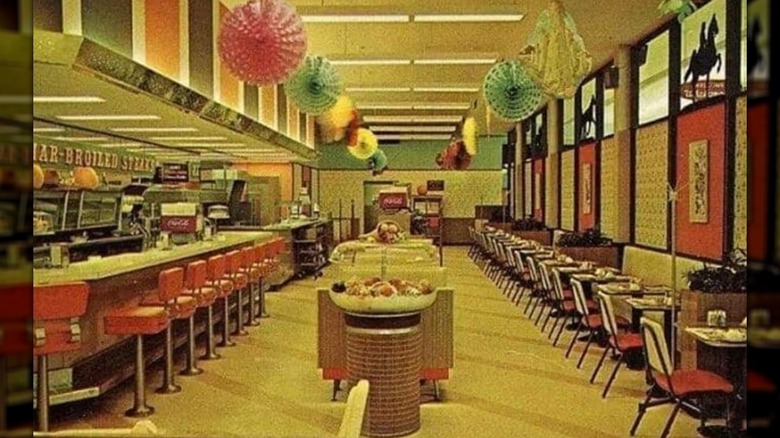
Our next entry takes us way back in time to the '70s. Many of us probably never knew that neighborhood pharmacy chain Walgreens once owned and operated its very own 24/7 restaurant chain called Wag's. When the drugstore first opened around the beginning of the 20th century, it had small diners in some of its stores, which led to the chain opening up a separate restaurant.
While Wag's also served burgers and lunchtime fare, it was known for its all-day breakfast options and its signature pancakes. These restaurants were modeled after Denny's and Shoney's and had specials, like kids eat free on Tuesdays. The chain hit its heyday in the '70s and '80s.
In 1988, when it had about 90 locations, Walgreens sold Wag's to the Marriott Corporation, though it did hold on to a handful. Arby's franchise company, Lunan Corporation, then purchased about 30. Unfortunately, Marriott Corporation hit tough financial times. It tried to sell the locations, but due to a lack of buyers, it ended up closing all locations in 1991. However, Wag's lives on in some ways. Some were converted into Shoney's, while others became IHOPs.
4. Uncle John's Pancake House
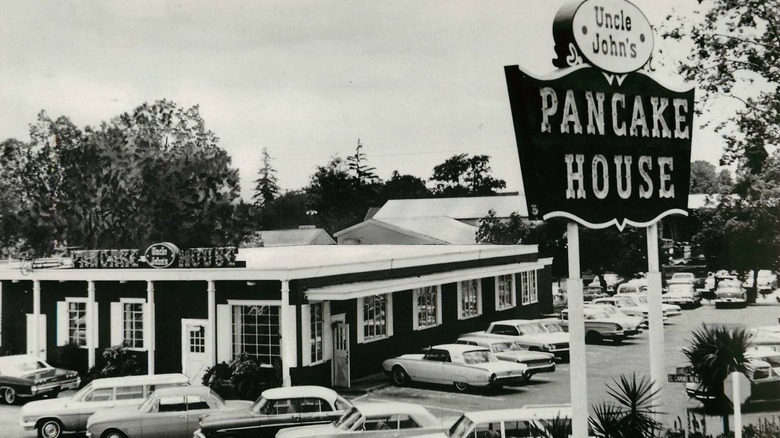
Uncle John's Pancake House was once a huge chain across California, but today it has only two locations left (there is another Uncle John's Pancake House in Toledo, but it seems to be its own separate store opened in 1967). The chain started in 1958, when John Holder Sr. and his wife Anne sold their Dairy Queen and opened the first pancake house in Santa Clara. They eventually owned a number of restaurants, including Holder's Country Inn.
At some point in time, the Uncle John's Pancake House chain died out, but was brought back in 2016 with a location in Campbell, followed by another in San Jose in 2021. The two new restaurants maintain the essence of the originals, including a retro diner appearance and a menu full of breakfast items served all day. They're even owned by a member of the Holder family.
Of course, the main highlight is the pancakes, including regular, chocolate, Swedish, and all the toppings you could ever imagine. You can even add this nutty boost to your pancake, if you so choose. The restaurant also has omelettes, scrambles, skillets, a classic country breakfast, and a Big Boy option that comes with three kinds of meat, three eggs, hash browns, and any griddle item.
5. Elby's Family Restaurant
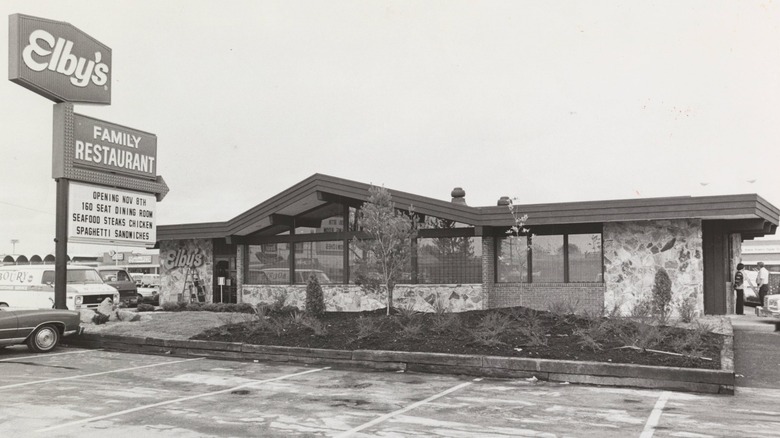
While the Big Boy chain still technically lives on, the Elby's branch, which was renowned for its breakfast fare, unfortunately does not. The first opened in northern West Virginia around the '50s by the Boury brothers, and was small, with the draw mostly coming from hamburgers. Later iterations of Elby's Family Restaurant introduced the breakfast bar, which became a major part of the restaurant. During the week, breakfast was only served in the mornings, but on weekends, they would go much later.
Previous workers, per an interview in Weelunk, said the breakfast bar was so big, they'd go through 160 pounds of bacon on a Sunday morning, and saw lines out into the lobby. The late-night breakfast was a huge draw on Friday and Saturday nights, when people were out and about the town. Elby's eventually spread from West Virginia into Pennsylvania, Eastern Ohio, and Maryland.
Elby's bought out the Big Boy franchise in August 1984, but the name and most of the restaurants were then sold to Elias Brothers in 1988, becoming Big Boys once again. The original family kept some locations in Ohio, but they were rebranded as Shoney's before being sold in 1993. The last remaining Elby's restaurant closed in 2000 during the Elias Brothers' financial crisis.
6. Sambo's
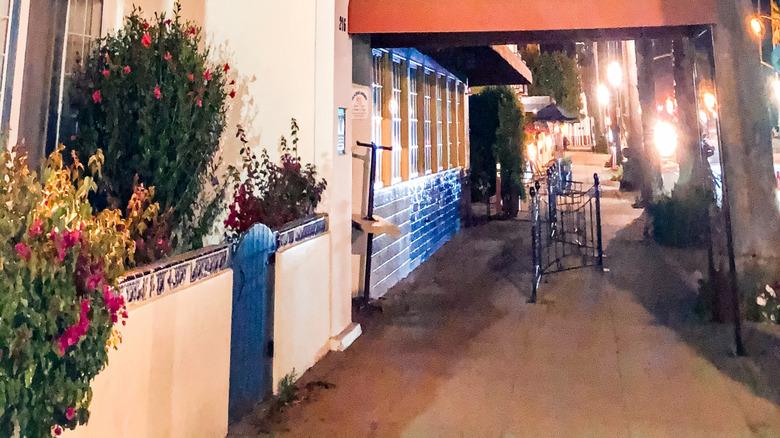
Sambo's is a breakfast chain that is just as famous for its pancakes as it is for the controversy that surrounded its name since pretty much its beginning. The restaurant opened in 1957 in Santa Barbara, the brainchild of Sam Battinsone Sr. and Newell Bohnett and an amalgamation of their names. It quickly became a popular joint, offering free $0.10 coffee and a $1.25 full breakfast, plus the bright and inviting colors used to decorate the restaurant.
The chain eventually grew until it had about 1,200 stores across the country. However, despite the relative success with its food, the restaurant found itself in hot water. While it wasn't named for a book called "Little Black Sambo," which many consider an offensive representation of Black people and has a deep history of being a slur dating back to the 1500s, per PBS, the restaurant did use illustrations from it in their marketing and as artwork in the stores. The chain then doubled down, insisting that using it wasn't racist or offensive.
Eventually, the chain began to fail, until only the original store was left. It's said it was because it grew too quickly. The grandson of one of the original owners fought to keep it alive and had hoped to rebuild the breakfast empire. Eventually, the last Sambo's was renamed to Chad's in 2020, following the death of George Floyd and the ensuing nationwide debates and protests.
7. Howard Johnson's
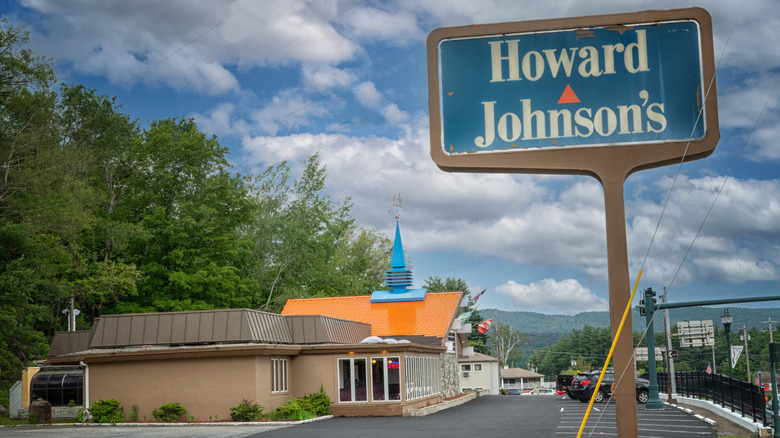
Howard Johnson's — or Ho Jo's, as many of us remember it — was synonymous with traveling, breakfast, and interestingly enough, fried clams. The chain began in Massachusetts, founded by Howard Deering Johnson, and was famous for its iconic orange roofs. His first full-service restaurant opened in the late 1920s. During the Great Depression, Johnson pioneered restaurant franchising, which helped the brand to grow. By the 1970s, there were about 1,000 restaurants across the country, located along turnpikes and highways. Eventually, many were attached to Howard Johnson motels.
Families could pull up to the local Ho Jo's and enjoy meals like The Favorite, which consisted of two scrambled eggs, three bacon strips, and buttered toast, or the Ham Quickie, which was scrambled eggs with ham chunks. A menu from the '70s offered hotcakes with sausage patties for a grand total of $0.85. If you came during lunch or dinner, you could enjoy a clam roll, the lesser-known, deep-fried cousin of the lobster roll.
Unfortunately, in 2022, we saw the end of an era when the last Howard Johnson closed. The chain struggled for years after a rise in competition from fast-food restaurants. The restaurants had been separated from the motor lodge business since the '80s, which is when many of them began closing down. While Ho Jo's may be gone, the legacy of Howard Deering Johnson lives on in franchising.
8. VIP's
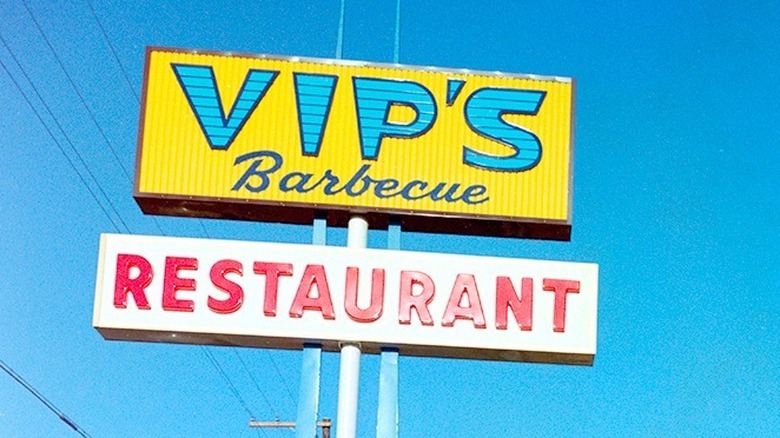
Our last entry — VIP's — is most definitely a chain from the '80s that most of us probably forgot about. First opened in Oregon in 1968, VIP's was a diner-style restaurant known for its all-day breakfast and late hours. Many called it a coffee shop, and the chain eventually spread down the West Coast, operating 50 locations at its peak. In the beginning, the owners — Keith Andler and Robert Smith — noticed that the first store located near a highway exit was more profitable than the second in an area with less traffic. This set the stage for future restaurants, most of which were installed near or on highways and interstates.
They offered the standard fare for breakfast, along with burgers and sandwiches. Former patrons have reminisced about hitting up the spot for breakfast after bartending or going on blind dates there. Many talked about eating at the restaurants while traveling up and down the coast. By 1971, there were about 15 VIP's, which then grew to 53 about 10 years later.
However, it was right after this peak that VIP's started to gradually disappear. In 1982, the owners sold 35 locations to Denny's for about $12 million. Two years later, they sold another 16 locations to JB's Restaurants out of Salt Lake City. In 1989, they sold all the restaurants left to a number of different companies. The VIP's parent company was eventually renamed and moved into the hotel business.