

8 High-Probiotic Foods That Aren't Yogurt
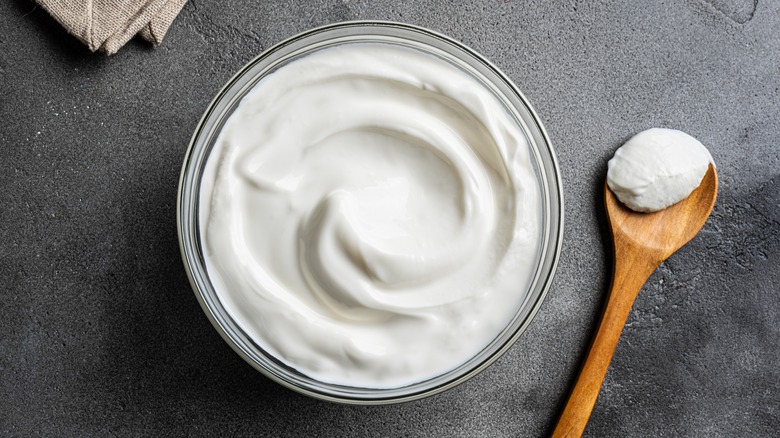
If you pay casual attention to dietary and eating trends, chances are you've heard of probiotics and perhaps thought about squeezing more of them into your diet (even if you don't exactly know what they do). The CliffsNotes version is that probiotics are microorganisms like bacteria or yeast — and don't be spooked, as they're considered a good type of bacteria to get into your body.
Probiotics are good for your gut health, balancing out any bad bacteria and helping to fight off potential illnesses. They're generally good for your digestion and can help against inflammation while also preventing diarrhea. They're especially good if you've had an illness that may have weakened your gut health — for example, if an illness (or the antibiotics used to treat it) killed off some of those bad bacteria, probiotics can add them back.
Technically speaking, probiotics aren't a food themselves, but rather, they're microbes that can be found in certain foods. They're often found in fermented foods (sometimes called cultured foods) and some dairy products; the words "live active cultures" on food labels can also indicate that they're present. Perhaps the most commonly cited way to ingest probiotics is through eating yogurt, but here are eight alternative foods that can get those helpful bacteria in. Take note that we've left drinks off this list, but a few options in that category include kefir (a yogurt-y fermented drink), kombucha (tea fermented with yeast), and sometimes buttermilk, although not all varieties have probiotic benefits, so check the label.
Sauerkraut
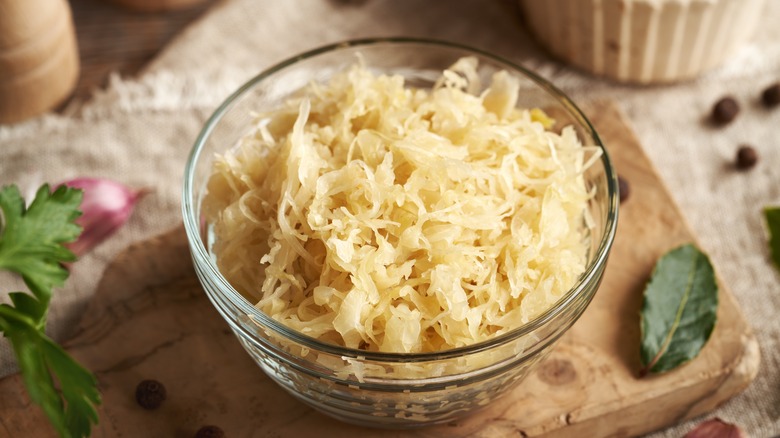
This classic German food is a simple concoction of cabbage that's fermented in a salty brine, sometimes with some flavors like caraway added. The probiotics come into play because the sugars in the cabbage start to ferment when they interact with yeast that's also naturally present in cabbage.
There are so many ways to use up that jar of sauerkraut, too: You can add it to a classic Reuben sandwich, or use it as a side for meaty dishes like pork. It goes great with bratwurst or hot dogs, and can be worked into salads for a tangy hit.
Kimchi
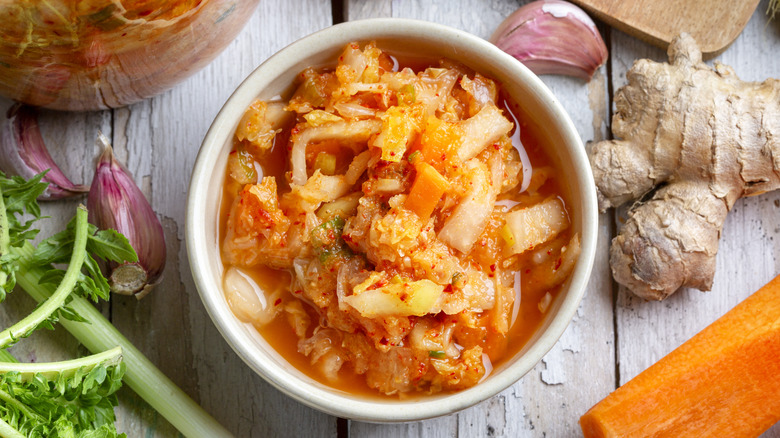
Another fermented food, kimchi is a staple of Korean cuisine. It's made with vegetables fermented in salt and a little sugar, typically with extra flavor added in the form of garlic, ginger, fish sauce, and gochugaru (a Korean chili powder). Technically, kimchi can refer to any vegetable fermented in this way, although you'll perhaps most commonly see it made with napa cabbage or Korean radishes. Similar to sauerkraut, the sugars in the vegetables ferment to create those probiotics.
Kimchi may be integral to Korean food but there's plenty of other ways to use it. For example, "Top Chef" host Kristen Kish turns it into a breakfast-for-lunch stew, and also merges it with American foods like mac and cheese or tater tots where it provides a spicy kick that cuts through creamy or fatty flavors.
Pickles
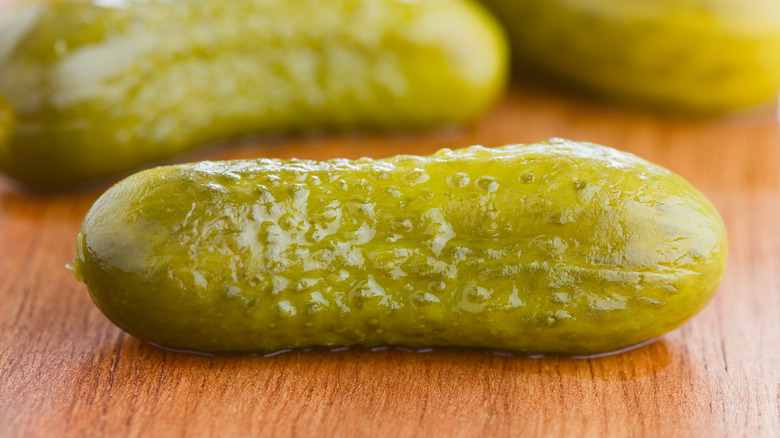
All sorts of pickled fruits and vegetables can contain probiotics, but pay attention as it's not always the case. What's important is for the fruits and veggies to be fermented in brine (salt and water), as this provokes the necessary reactions between sugars and bacteria.
Pickles that are made with vinegar — and this is the case with most supermarket varieties — do not contain them. You'll want to look for labels that state something to the effect of "naturally fermented" or "live active cultures" — or you can just make them at home with salt, water, and spices of your choosing.
Miso
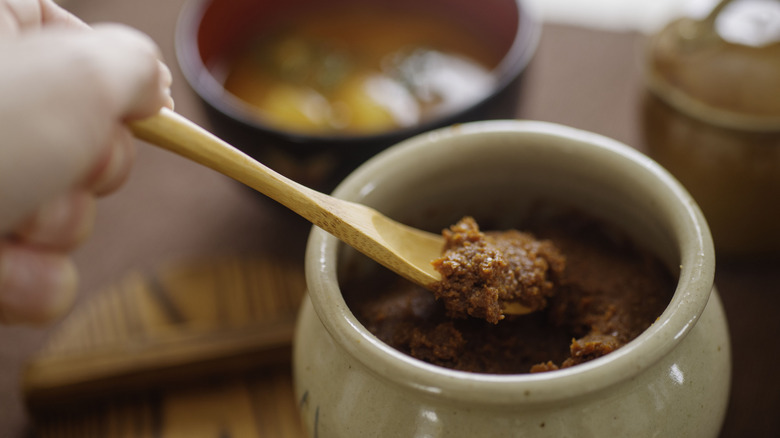
This integral ingredient in Japanese cooking is made from a combination of soybeans, salt, and a fungus named koji. The type and amount of koji used affects the final product, and in Japan, there are hundreds of miso pastes available, although in the United States, you're more likely to see options like darker, richer red miso, and lighter, sweeter white miso. But no matter which you use, the fermentation will result in a probiotic hit for whoever eats it.
A bit like kimchi, there are plenty of unique ways to use miso outside of classic Japanese dishes. You can integrate it into gravies or even add an umami note to baked goods like cookies. It also works great for adding depth of flavor to vegan recipes.
Cottage cheese
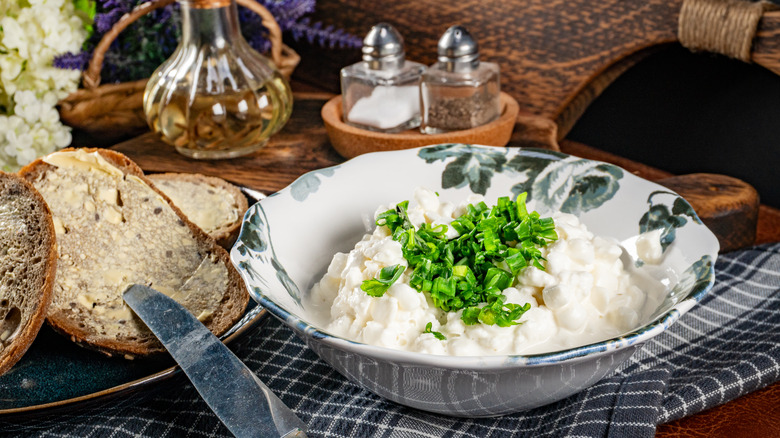
Cottage cheese is a fresh, soft cheese made from curdled milk, known for its mild flavor and lumpy texture. It can contain probiotics because it's cultured with live bacteria during production, although varieties that are pasteurized after the fermentation process won't have them. So, you'll need to look for a label stating "live active cultures."
Cottage cheese has become quite popular, although that's arguably due to its protein content rather than probiotics. Its neutral flavor also makes it very versatile. It can be blended into smoothies, mixed into pancakes or baked goods like muffins for moisture, or used as a filling in lasagna and stuffed pasta. It also works well in dips, with fresh fruit or honey, or as a herby topping for toast in the form of the tangy Polish spread gzik.
Sour cream
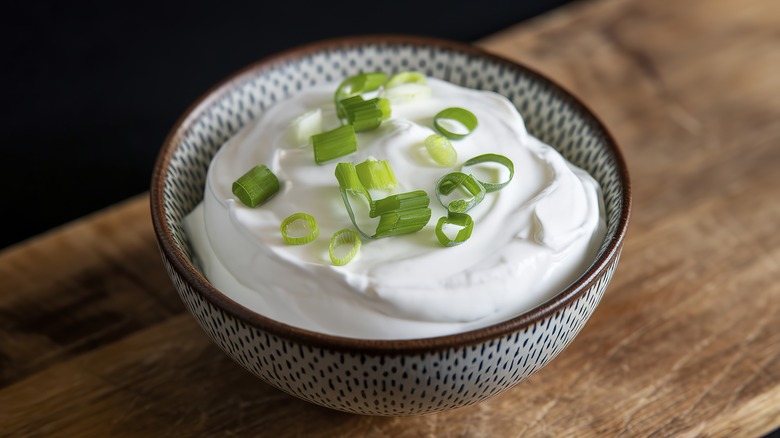
Striking a balance between creamy and tangy, sour cream is made by fermenting regular cream with lactic acid bacteria. This is different from yogurt, which is made following a similar process but with milk. Crème fraîche is also a version of sour cream that's made with unpasteurized milk.
Sour cream is a pretty flexible dairy product that can be worked into sweet and savory recipes alike. With around 20% fat, it adds richness to baked goods like cakes and muffins, balances spicy flavors in tacos and chili, and makes a creamy base for dips. It's also used as a topping for baked potatoes, soups, and Eastern European dishes like borscht.
Aged cheeses
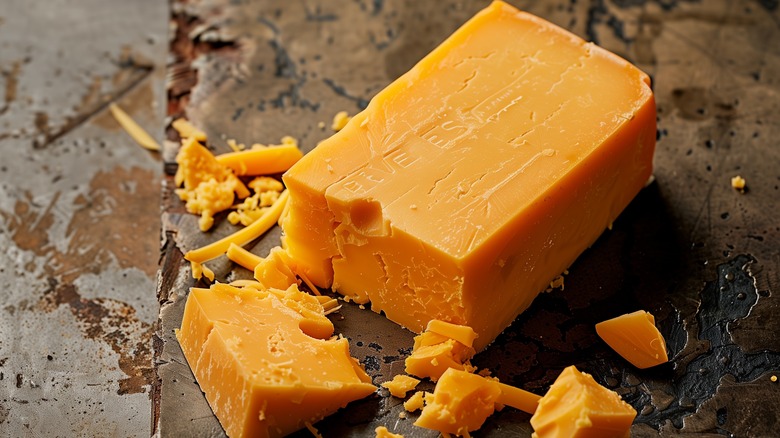
Some, but not all, cheeses can contain probiotics, and it largely comes down to the types of cultures that are used in the production. Generally speaking, the longer a cheese is aged, the more its probiotic content will develop. However, if the cheese is heated after the aging process, the probiotics will be killed off — again, look for labels that indicate something like "live active cultures." A few types that are more likely to contain probiotics are cheddar, Gruyère, gorgonzola, Edam, Gouda, and Swiss.
Tempeh
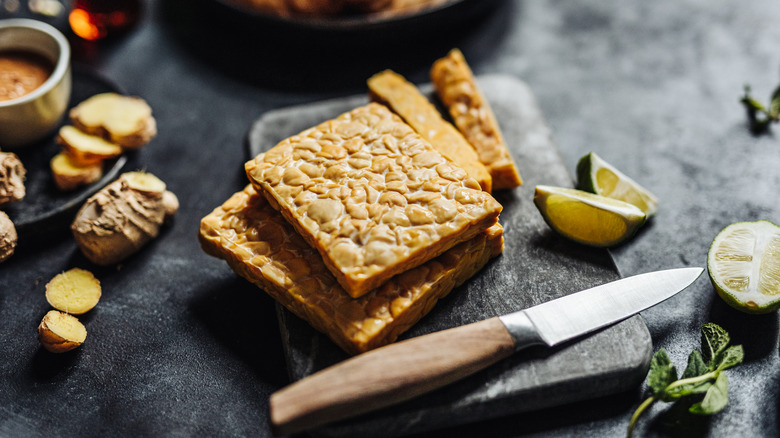
This fermented soybean product hails from Indonesia and is known for its firm texture with a nutty, earthy flavor. Like many other foods on this list, the fermentation process gives it some probiotics, and it's also a great source of protein.
Tempeh is popular in vegan and vegetarian diets. It can be marinated and then grilled, baked, or pan-fried as a meat substitute in all sorts of dishes, from curries to sandwiches, stir-fries, and salads. Crumbled tempeh works well in tacos, chili, or pasta sauces, too.