

What Are Sichuan Peppercorns And How Do You Use Them?
We may receive a commission on purchases made from links.
The first time you felt the tingle of a Sichuan peppercorn on your tongue probably invoked a lot of feelings — intrigue, excitement, and (if you didn't expect what was coming) perhaps a bit of anxiety or fear. This ingredient has a unique ability to draw big reactions and create surprise, which is exactly what sets it apart as a noteworthy spice.
Commonly found in Chinese cooking (it's named for the Sichuan region of China that uses it prevalently), these small, pink, and sometimes green seed pods can transform any dish, whether sweet, savory, or snack mix, into something unique and intriguing. It's an ingredient worth mastering and keeping stocked up in your pantry.
In this guide, you'll find everything you need to know about the unassuming Sichuan peppercorn, from where to find it and what it actually is to how to use it in your daily cooking and cocktail-shaking.
What are Sichuan peppercorns?
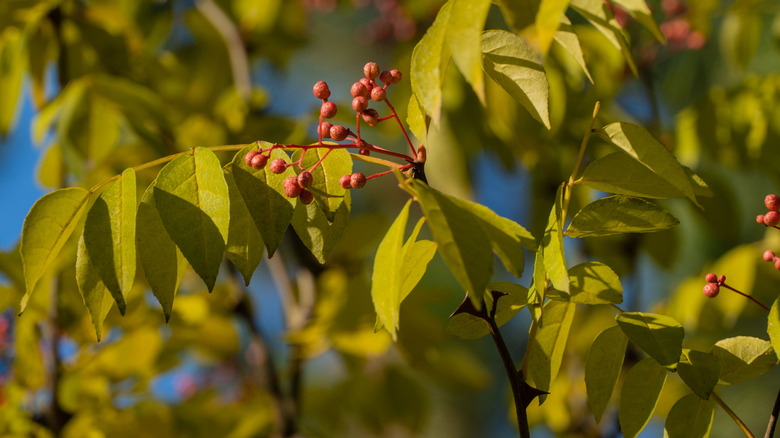
Let's start with the basics — what are Sichuan peppercorns? Contrary to the name they're commonly referred to with, they are not, in fact, peppercorns. Although the two spices may look strikingly similar, the Zanthoxylum plant family, which Sichuan peppercorns are a part of, is actually more closely related to citrus than peppercorns, which may be noticeable in its somewhat citrus-like flavor notes. The one similarity it does have with a common peppercorn is that they are both berries. The Sichuan peppercorn starts as a berry, eventually splits open to reveal a dark seed, and the seed is discarded in favor of the more flavorful husk surrounding it.
The prickly ash plant on which Sichuan peppercorns grow is sometimes also referred to as a 'toothache tree' (aptly named for the numbing effects of its berries). Native to Eastern China and Taiwan, it has been used both medicinally and as a part of Sichuanese cuisine for thousands of years.
What do they taste like?
If you haven't yet tried a Sichuan peppercorn, just know you're in for a surprise. This ingredient is incredibly unique in that it triggers the touch receptors in your mouth rather than pain receptors, like most spicy chilis do. The result is a numbing, tingling, almost anesthetic sensation, as though you'd consumed some medicine rather than a food. For those who haven't grown up consuming this electric ingredient, it might take some getting used to.
The prickly ash plant produces two different colors of these tiny berries: rusty pink or a sage-like green. The pink ones are known for their earthy flavor and are the most readily available and commonly used. The green Sichuan peppercorns have more citrus and herbaceous notes, and typically will numb your tongue even more so than their pink counterpart.
This numbing effect is a foundational part of Sichuanese cooking, so much so that there is even a term for it: málà spice refers to the combination of chili spice from capsaicins along with the numbing characteristics of Sichuan peppercorns. The idea is that the anesthetic tingling of Sichuan peppercorns allows one to consume even more spice than they normally would, as their mouth doesn't feel the effects as easily. Whether or not it works for you, it's safe to say the combination of Sichuan peppercorns with other chilis is undeniably delicious for anyone who enjoys a good kick.
How Sichuan peppercorns are made
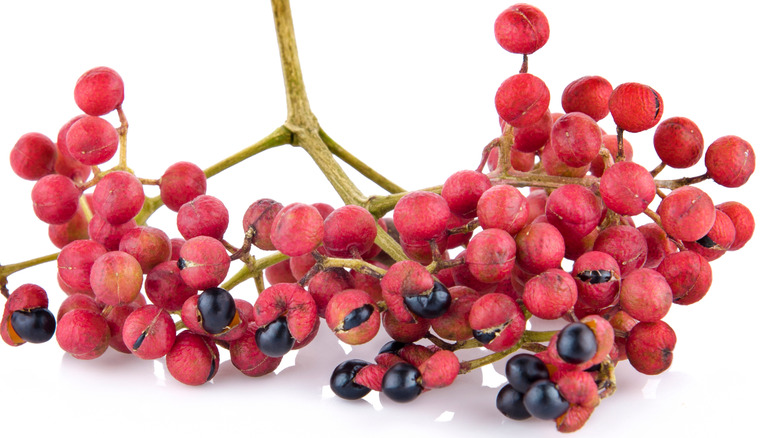
The process of transforming berries, seeds, and flowers into common kitchen spices is often a bit baffling — you may not even recognize many spices in their pre-dried state. This is partially the case with the prickly ash plant, whose clusters of small, pink berries growing in a canopy of green may seem unassuming at first glance.
It doesn't take much to transform those tiny berries into the dried peppercorn that's used in cooking — the main trick is to not use the whole thing. The berry includes the pink pericarp (the husk that surrounds the seed) along with the black seed inside it. But while that inner, darkly colored seed is also edible, it's generally flavorless when compared to the effects of the husk, so if you happen to be growing your own prickly ash plant, disregard the seed in favor of the husk.
From there, you are simply drying the husk out. If you purchase whole peppercorns and wish to grind them into a spice blend, toast them first in a skillet until they become fragrant (you can't miss that piercing smell), pick out any dark-colored seeds that might still remain, and grind them in a blender or spice grinder.
Where to find them
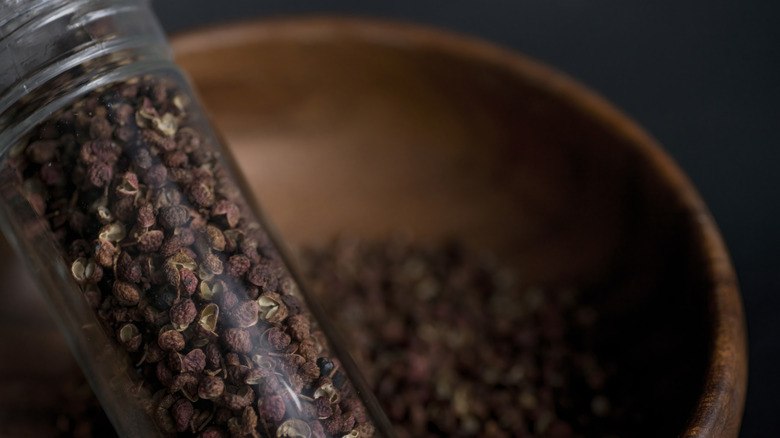
Thanks to their popularity, Sichuan peppercorns have become readily available in many big-chain grocery stores. Although if you live close to any specialty Asian grocers, you're sure to find them in a much broader variety of products like Chinese five spice blends and chili oils. If the area you reside in is sadly lacking in Asian groceries, you can still find whole Sichuan peppercorns at Safeway right next to the black peppercorns on the spice aisle, complete with a built-in grinder. Other chains like Whole Foods, Aldi, and Fred Meyer are also likely to carry this unique spice.
If you'd rather not go to the trouble of leaving the house, Walmart, Amazon, and World Market will ship them right to your home. The green version of Sichuan peppercorns can be a bit harder to come by — if you have a local spice shop, be sure to check there first, as a more niche store is likely to have exactly what you're after. But if you don't mind waiting, Walmart can ship them right to you.
Health benefits

The prickly ash plant that Sichuan peppercorns grow on isn't referred to as the toothache tree for nothing — it has been used for medicinal purposes for over 2000 years in China, and is officially listed in Chinese pharmacopeia as an ingredient in many prescriptions. Given the numbing characteristics of this intriguing spice, its nickname seems logical — one of the many woes it's prescribed for includes acute or chronic pain (like a toothache).
Its antioxidant capabilities have also been studied, as these peppercorns have been used in herbal medicine to treat digestive disorders and stomachaches. One study even found that extracts of the prickly ash berries possess anti-tumor and anti-bacterial properties, while another study found that, in mice, consuming Sichuan pepper had a positive impact on the microbiome of the gut.
While it remains to be seen whether consuming this spice on a daily basis will really cure you of anything, it's safe to say that you don't need to feel guilty about consuming it in excess. The antioxidant benefits of Sichuan peppercorns can contribute to a healthy and well-rounded diet.
How to cook with Sichuan peppercorns
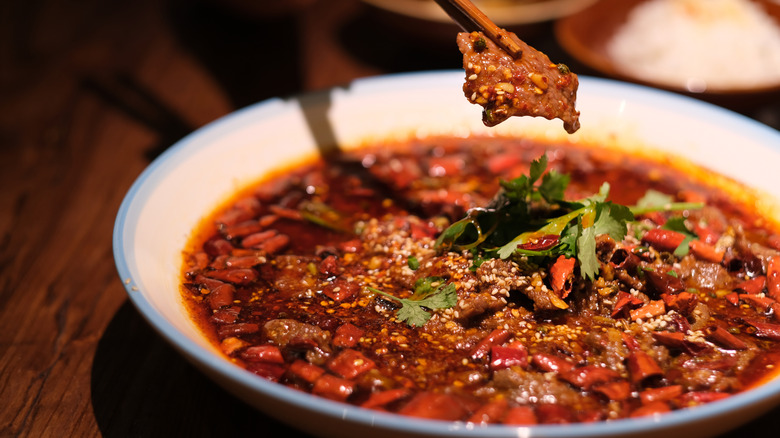
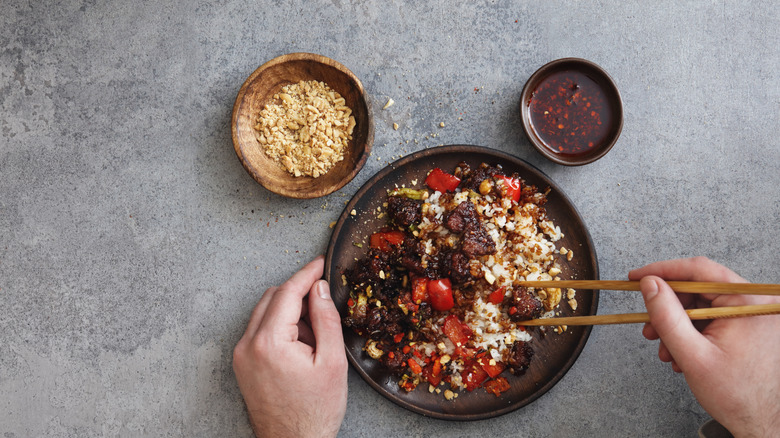
Cooking with Sichuan peppercorns isn't difficult to master. Just like any spice, it's all about the balance. To get a hang of the appropriate quantities to use so your dish will have that perfect amount of tingling spice, put your peppercorns in a grinder and start by adding a few twists to the top of white rice, stir-fried noodles, or as a seasoning for fried chicken. This concept can be applied to just about any dish you want to add a unique kick to.
For versatile blends that can easily be used in a variety of dishes, mix together your own blend of Chinese five spice, a combination of several spices that can transform any simple ingredient into something bursting with flavor. Sichuan peppercorns are also a fantastic ingredient to use in homemade chili oil, which can be used as a condiment to liven up anything from fried eggs to baked potatoes.
If you want to take a deep dive into dishes that use Sichuan peppercorns, look no further than the vast world of Sichuanese cooking. This region in China is known for dishes like Mapo tofu, 5-spice chicken and broccoli, and Sichuan beef, and you'll find no shortage of mouth-watering recipes coming out of Sichuan, China.
How to bake with Sichuan peppercorns
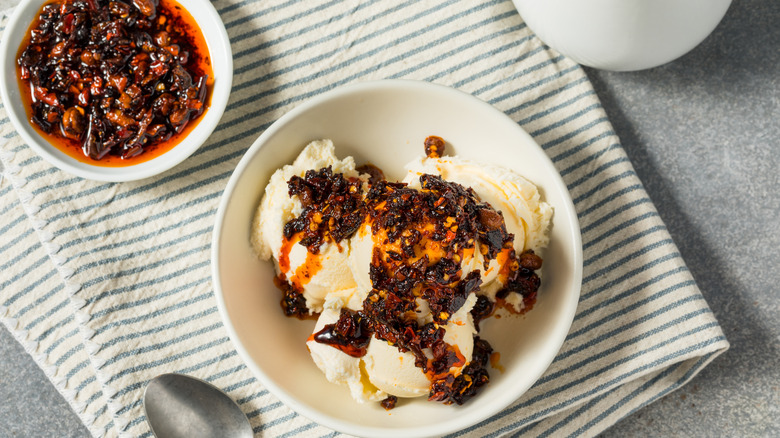
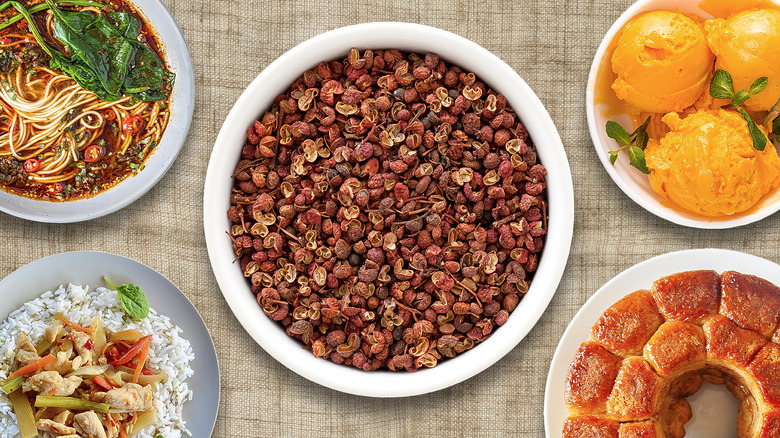
Don't limit yourself to savory with this versatile ingredient — just like a little cinnamon or chili spice can provide the perfect contrast to sweet ingredients, so Sichuan peppercorns can take dishes like simple vanilla ice cream to a whole new level of enjoyment.
The concept of combining the numbing effects of these pink peppercorns with a bit of sugar isn't new — they've been used in traditional Sichuanese sweets and candies for a long time (although finding those treats imported to the U.S. is relatively unlikely).
Similar to chili spice, the flavor of Sichuan peppercorns is complemented by creamy textures, soothing mouthfeels (like melted chocolate), and sugary-sweet flavors. Try adding them ground or in simple syrup form to cake fillings, frostings, glazes, or baked into cookies — just make sure you give your guests a bit of a warning before they bite into your clever creations.
Using Sichuan peppercorns in drinks
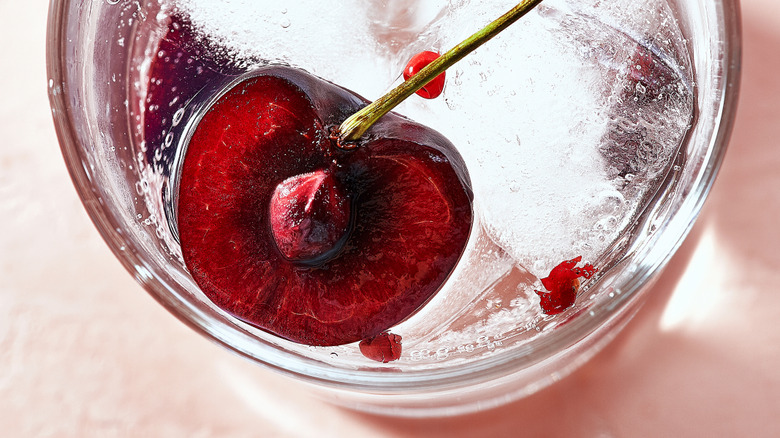
As this spice has grown in popularity, the uses for it have gotten more and more creative, expanding out of the cooking world and making appearances in cocktails and drinks. After all, we use jalapeños and Tajín in margaritas, so why not make them even more interesting with a little Sichuan spice?
While the numbing effects make these peppers difficult to pair with wine, they tend to go great in cocktails that you might also pair with black peppercorns or chili spice (like gin and tonics or margaritas). But don't let those suggestions stop you — whatever your favorite drink is, try adding Sichuan as a simple syrup, on the rim, or as an aromatic garnish to jazz things up.
If you're more interested in the non-alcoholic side of things, consider adding a few Sichuan peppercorns into a tea blend paired with complementary flavors like citrus, mint, or other spices. We've all heard of a spiced Chai that comes with a little extra kick, why not mix it up with Sichuan spice?