

6 Plants That Should Never Be Next To Your Tomatoes In The Garden
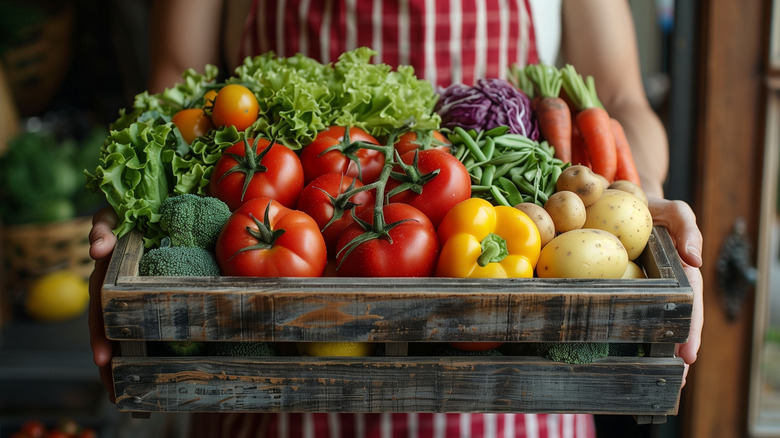
Tomatoes are a fun and easy plant for beginning gardeners. You can use them in plenty of culinary styles, and they are wonderful additions alongside other garden vegetables and fruits. But to get the best crop, it's helpful to know which garden companions make good neighbors while growing. Tomatoes are generally not considered high-maintenance, but they still have specific needs regarding sun, water, and soil. Plants that compete for the same nutrients may not thrive when planted too close to tomatoes, and others bring harmful pests that might interfere with your garden.
This doesn't mean that you can't grow tomatoes alongside other plants; in fact, there are a few that are quite beneficial. Some of the best companion plants for tomatoes include herbs and flowers that will enhance the fragrance and beauty of your garden. However, other plants don't make great neighbors, and it may be best to keep them in separate containers or plots so that your entire garden can grow to its full (and tasty) potential.
Corn
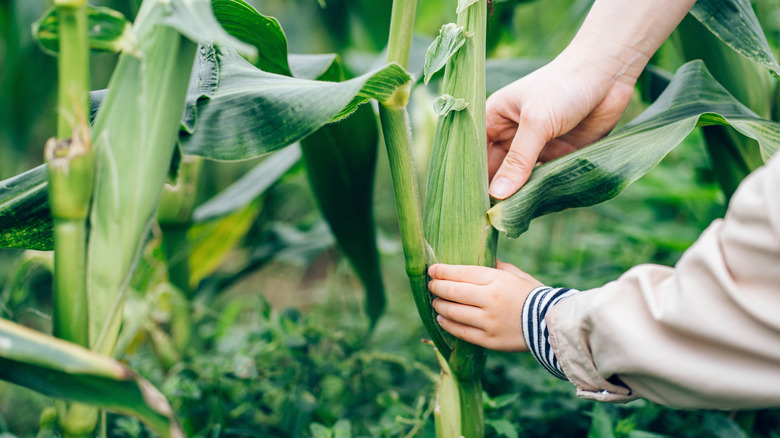
Although they pair well in your cooking, tomatoes and corn should not be grown together in the garden. Corn and tomatoes require the same nutrients, which means they compete with each other as they grow. Because corn also grows significantly taller than tomatoes, it prevents sunlight from reaching the smaller plants.
"Tomatoes need quite a few things to thrive," says Lindsey Chastain, homesteader and gardening expert at The Waddle and Cluck. "They need 6 to 8 hours of direct sun every day and temperatures above 60 degrees. They need rich soil that drains well with a pH of 6.2 to 6.8."
Both corn and tomatoes are at risk from corn earworms, also known as the tomato fruit worm. Edwin Dysinger, co-founder of Seedtime, suggests keeping the two crops in completely separate areas of the garden. "The best solution is to plant them in a separate bed, or at least some distance (a minimum of 4 to 6 feet) away from your tomatoes," he says.
Ensure that you maintain a suitable distance between the two crops, but plan ahead before selecting seeds. Corn requires ample space, making it less ideal for container gardening. Tomatoes, on the other hand, thrive in containers. All you have to do is add a cage to support the upward growth and enjoy a healthy crop.
Nightshades
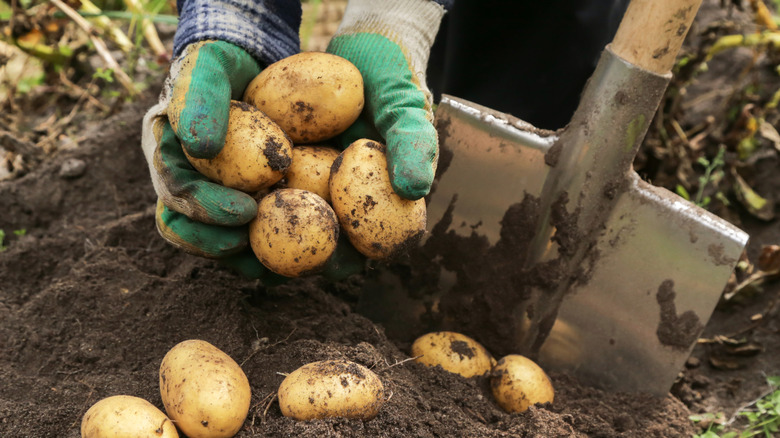
Some nightshades, such as eggplants and potatoes, attract certain pests that can be very harmful to tomatoes, which are more delicate than their neighbors. "The pests that like nightshade plants can overwhelm tomato plants, and they can transfer soil-borne diseases," says Lindsey Chastain.
Tomatoes are actually included in the nightshade family, which leads some gardeners to believe that other similar plants will thrive under the same conditions in the garden. While they share some similarities, the addition of pests may throw both plants for a loop. They share many of the same features, including late blight, a disease that can infect all parts of both plants, spreads quickly, and can destroy the entire crop.
Sweet potatoes are not nightshades and belong to the Convolvulacea family (also known as morning glories) and aren't closely related to potatoes or tomatoes. As they don't pose the same problems, they're a great substitute in your garden, plus you'll be able to make some tasty dishes like baked sweet potatoes.
Black walnut trees
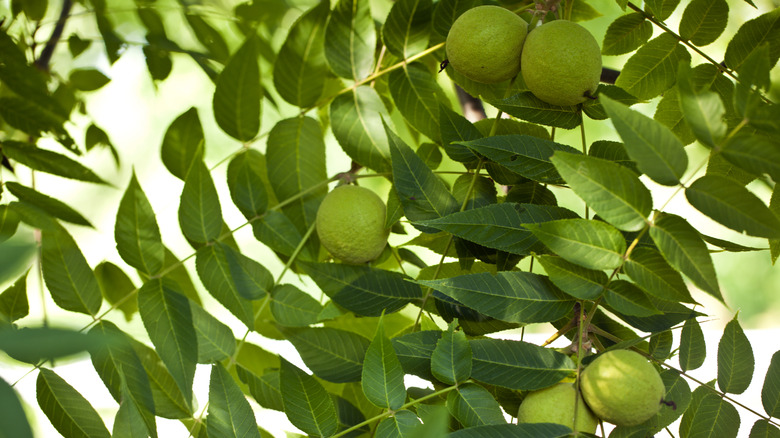
Black walnut trees should be kept completely separate from tomatoes because they produce a toxin that can be harmful to other plants. Lindsey Chastain says that a buffer of 3 to 4 feet between tomatoes and other unhelpful neighbors is usually enough. However, in the case of black walnut trees, additional space is required to ensure that the toxins don't reach the tomato crop through the soil. "Keeping them in separate beds helps ensure there isn't any cross-contamination of pests or disease," she says, adding that her strategy for garden planning puts tomatoes in their own individual containers.
Edwin Dysinger recommends maintaining space around tomato plants, another reason why container gardening works well with this crop. If planting in a garden bed, he suggests, "Space plants about 18 inches apart in rows and 4 to 6 feet apart between rows. Spacing adequately allows airflow, which is helpful in disease prevention, and it also makes it easier and more pleasant to access your plants!"
The actual nuts from a black walnut tree are encased in a green outer shell, which falls to the ground. It's essential to collect all the nuts before they have a chance to enter the soil, as they contain the same toxin as the leaves, branches, and roots. The roots can extend as much as 50 or 60 feet from the actual tree, so be sure to leave a wide berth around any black walnut trees.
Leafy greens in the brassica family
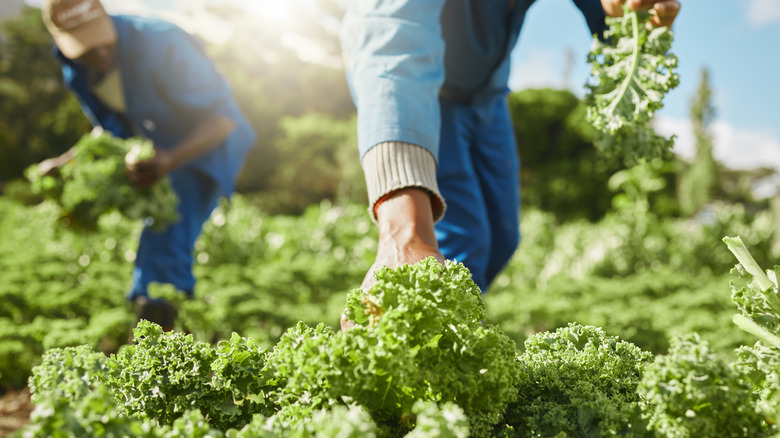
If you plant leafy greens too close to tomatoes, you may find that you have a pretty meager crop of both. That's because they require many of the same things, such as sunlight and water. Vegetables in the brassica family, such as broccoli, kale, cabbage, Brussels sprouts, and cauliflower, are not only nutrient powerhouses but also great growers — but they don't make the best neighbors for your tomato plants.
"Leafy greens like broccoli and kale will compete for water and light, stunting the tomatoes' growth," says Lindsey Chastain. Tomatoes can grow a bit taller than kale and broccoli, which may help them with sunlight and rainfall. But the nutrients that a plant uses to grow and develop come from the soil via the roots, so they don't have much of an edge. The heartier brassicas will get what's needed, leaving the tomatoes without enough to thrive.
Edwin Dysinger notes that some pests attracted to brassicas, such as cabbage, will also target tomatoes and cause problems. Cabbage loopers are a type of moth that crawls in a looping motion as larvae. They feed on the leaves of many plants in the garden, so be on the lookout for these harmful pests. Some varieties of cabbage are resistant to cabbage loopers, but that means they may look for food elsewhere and settle on your tomatoes if planted nearby.
Sunflowers
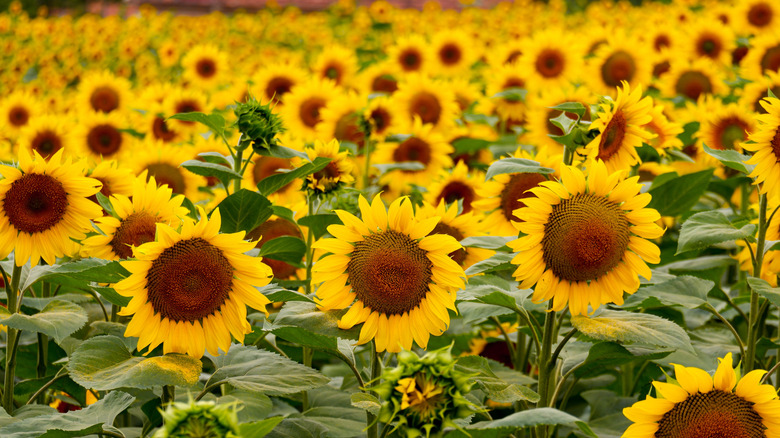
Sunflower seeds can be harvested for a protein-packed snack, but growing them in the garden requires some planning. While the strong and sturdy stalks make great companions for climbing plants, these aren't the best for promoting healthy tomatoes. Mature sunflowers block out the sun, preventing shorter and delicate tomatoes from getting what they need.
Sunflowers grow fast, so you may find that they tower over the other plants in your garden within just a few weeks. Edwin Dysinger recommends planning out your garden layout to ensure that sun and shade needs are met. For tomatoes, this means "six to eight hours of direct sunlight per day. If they get less than this, they will tend to be spindly and won't bear much fruit."
Sunflowers can also be allelopathic, which means they produce toxins that harm other plants. Tomatoes are particularly susceptible to this effect, which is why those planted too close to sunflowers can wither and fail to grow.
Mint
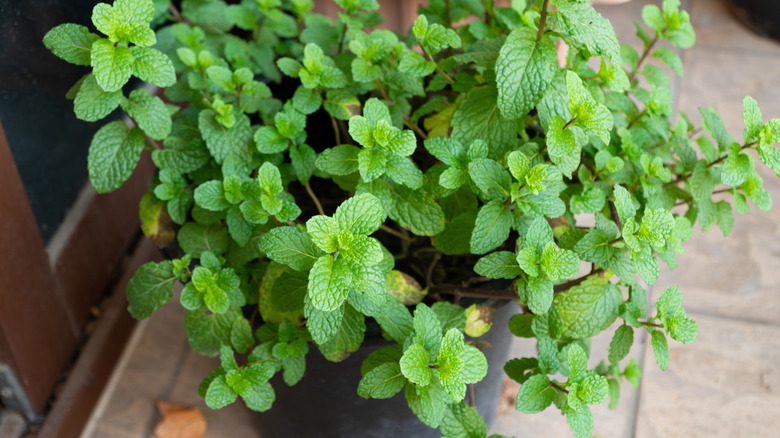
Mint should be kept in separate containers from other plants in the garden, as it can quickly crowd out not only tomatoes but also other plants. Some gardeners consider mint a weed because of how quickly it can overtake your planned garden, so much so that even in a small portion, it will become a mint-only plot by the end of the season.
It can also be challenging to tame mint once it spreads to other areas of your yard or garden. While you can keep a good amount on hand to use in everything from a quicker, mintier mojito to a refreshing and summery deconstructed watermelon gazpacho salad, keep the herb contained for the best results. Even celebrity chef Ina Garten keeps mint under control by growing it in pots.
There are plenty of varieties, and the right type of mint depends on how you plan to use it. But all mint plants should be treated the same when it comes to planting, with each one having its own container and growing space. If you want to add herbs to your garden plot that includes tomatoes, try out companion plants like basil, oregano, and parsley. Edwin Dysinger says that these plants can keep harmful pests away and attract insects that benefit your garden.