

10 Complex Cocktails Bartenders Actually Don't Mind Making
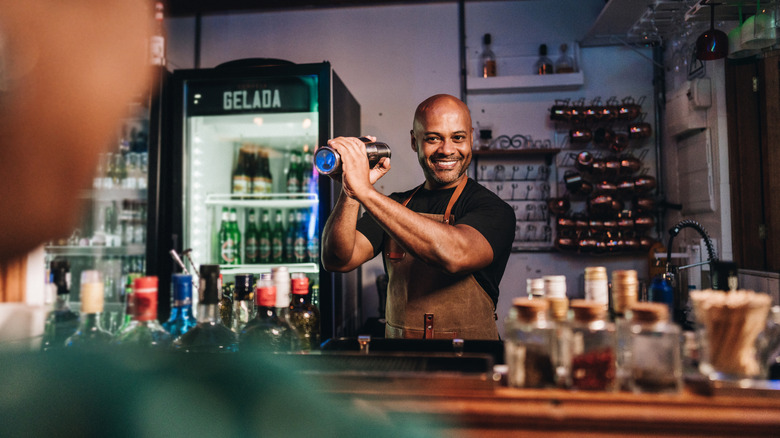
If you ask a bartender their favorite cocktail, they'll probably list off a hundred different varieties. When it comes down to what cocktails they favor making while on the job, however, their answer might be a bit more specific. Of course, drinks like an Aperol spritz or a gin and tonic are the easiest ones to whip up. If you're being served by an experienced bartender who is passionate about their craft, they will readily embrace complex cocktails without hesitation, often considering them among their favorites to make.
As a cocktail bar partner and seasoned bartender, I encourage my customers to order complex drinks since it exposes them to something new and exciting while also keeping me on my toes behind the bar. I find that making cocktails that require that little bit of extra techniques expands my knowledge of mixology, making me a better bartender. It also keeps my customers more informed about my craft.
All of these cocktails either display a bartender's knowledge of ingredient pairing or technical skill. What these 11 have in common is that they have the same great qualities: they're visually appealing, have complex but well-balanced delicious flavor, and, most importantly, utilize techniques that are challenging but won't hold up the ticket machine. That being said, here is a list of 11 complex cocktails I actually enjoy making, even on the busiest nights behind the bar.
1. Penicillin
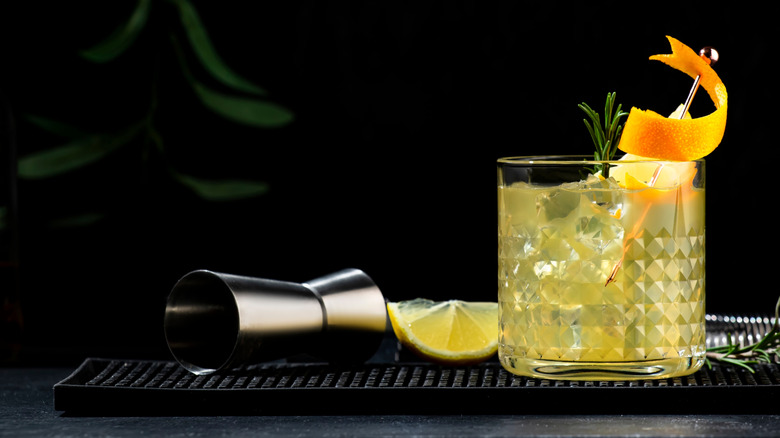
Scotch connoisseurs will tell you the only way to drink it is either on the rocks or neat — however, most bartenders know the best way to enjoy it is by incorporating it into a penicillin. Known for its elaborate preparation process, the drink includes a honey-ginger simple syrup, lemon juice, and two types of Scotch: a blended Scotch for the base and peaty Islay single malt for the float. For those unfamiliar, a float is a small amount of liquor gently poured on top of the finished cocktail. This unique layering technique gives your taste buds that initial hit of smoky, grainy flavor from the Islay single malt, whereas the base of the drink has a smooth, subtle sweet flavor from the blended Scotch.
I find satisfaction in making a penicillin because it's essentially an elevated whisky sour using familiar techniques I've mastered. The process begins by crafting the honey-ginger simple syrup. This step may seem annoying, but most bartenders (myself included) will find a way to use it in other cocktails on the menu. Once the syrup is made, combine the blended Scotch, lemon juice, and honey-ginger syrup with ice in the cocktail shaker for around 20-30 seconds. Then, strain it into a rocks glass over ice. The finishing touch is gently pouring some Islay Scotch over the back of the spoon, giving the cocktail a signature float.
2. Aviation
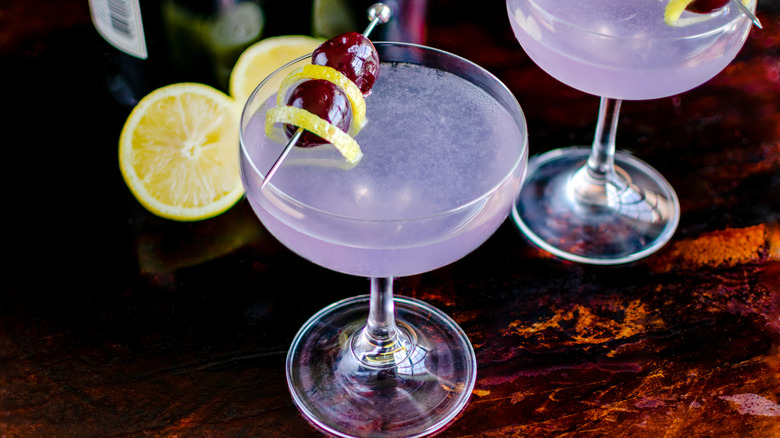
Looking for a cocktail that will take your taste buds on a first-class flight through delicious territory? Consider ordering the Aviation, a timeless gin-based cocktail known around the bartending world for being quite a complex drink to make. This reputation is due to its inclusion of unusual ingredients, including crème de violette and maraschino liqueur. From my professional experience, I've noticed that some bartenders may complain about making cocktails that require intricate ingredients; however, a skilled bartender would welcome the challenge. When a drink like the Aviation is executed properly, it showcases a bartender's knowledge of classical cocktail recipes.
To make it a proper Aviation, combine gin, freshly squeezed lemon juice, maraschino liqueur, and crème de violette in a cocktail shaker with ice and shake for around 10 seconds. Double strain it into a chilled coupe glass and garnish it with either a lemon peel or a maraschino cherry.
If you haven't had an Aviation before, you can easily recognize it on any bar top from its beautiful purple hue. The crème de violette, a floral liqueur flavored with violet flowers, provides its signature color. Beyond its color, the liqueur provides the cocktail with a lovely floral sweetness that pairs beautifully with the maraschino liqueur's kick of slightly bitter cherry notes. The two of these ingredients together create a unique and balanced cocktail that transforms what a simple gin and lemon could be into a drink with a more sophisticated edge.
3. Negroni
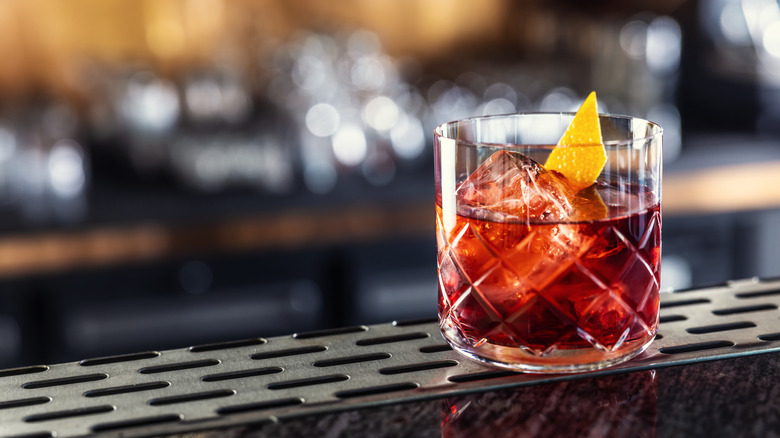
Probably one of the most iconic 3-ingredient cocktails, the Negroni is made with a combination of Campari, sweet vermouth, and gin. I love making it because it's simply equal parts of three ingredients stirred with ice — no shaking, muddling, straining, or fancy garnish prep is required. During busy nights at the bar, it was always a relief to get a ticket that included a Negroni since its preparation is known to be fairly forgiving, due to its 1:1:1 ratio. However, you must have a sharp, precise pour to get the perfect balance of flavors.
What makes this drink complex is how its distinct and assertive ingredients create a contrasting layer of flavors that blend seamlessly together when sipped. The strong bitter taste is provided by the Campari, botanical flavor is supplied by the gin, and the vermouth adds sweet herbaceous flavor, resulting in a cocktail with a bold, bitter, and slightly citrusy taste. The complexity isn't from the use of exotic ingredients or an elaborate preparation, but rather how these three classic spirits work together to create a balanced cocktail.
Nowadays, modern bar menus feature an array of Negronis riffs, with some bartenders swapping the gin for vodka, prosecco, or sometimes lambrusco. If you want to ease yourself into the world of Negronis, consider ordering Negroni Sbagliato. The addition of prosecco or sparkling wine in place of the gin helps alleviate the strong, bitter flavor while maintaining the foundation of the cocktail.
4. Martini
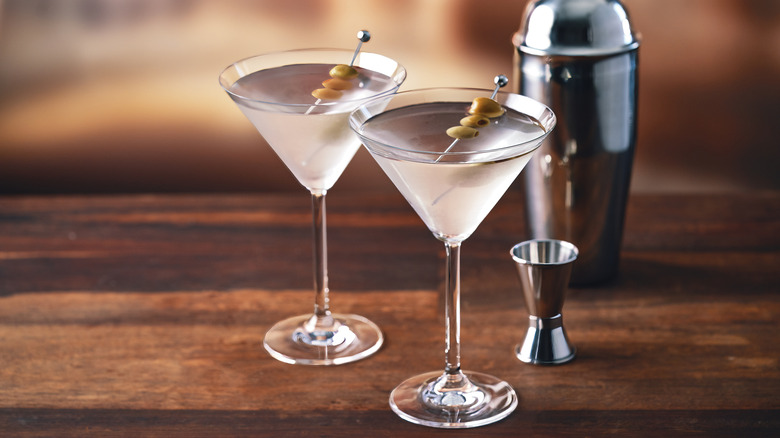
A martini is made with gin and vermouth, offering a crisp, sharp taste with botanical notes and a slight bitterness. You can also order a martini with vodka instead of gin if you favor a sleek, clean mouth feel. With either choice of liquor, the martini is well-known for its smooth and sophisticated taste.
The iconic flavor and texture of the martini are due in large part to the hidden complexity of its preparation. To get a perfectly balanced martini, it requires the correct gin-to-vermouth ratios and dilution levels. Different ratios create distinct styles. A wet martini requires a higher amount of vermouth, whereas a dry martini needs less vermouth. Achieving the right combination ensures a harmonious blend of the gin's botanical taste and the vermouth's sweet aromatic flavor. Beyond ratios, proper dilution is crucial for a well-balanced martini. The dilution levels of the drink affect both the taste and texture of the drink, ensuring the flavors of the gin and vermouth are balanced without being overpowered by too much alcohol or overly watered down.
Despite constant heated debates over stirring versus shaking, bartenders love making it because it's the purest expression of our fundamental skills — just two ingredients, ice, and a flawless technique. I prefer a more diluted martini, so I always make mine shaken with a dash of olive juice to make it dirty. If you favor a drier martini, I suggest ordering it stirred rather than shaken to minimize the dilution.
5. Margarita
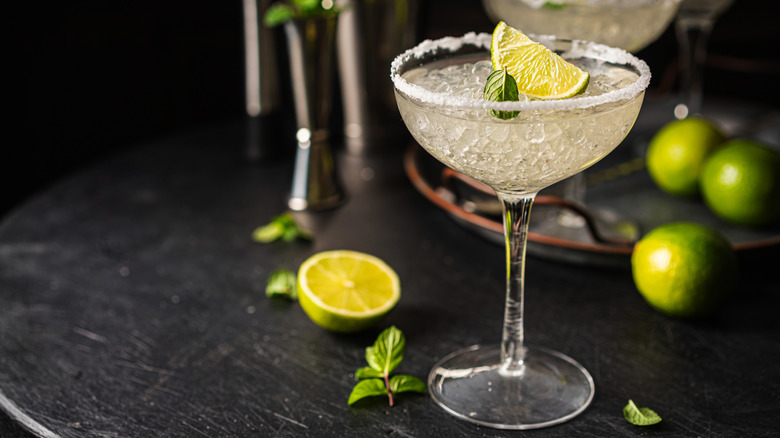
The margarita stands as one of the most recognizable cocktails and remains my favorite thanks to the endless creative variations it allows. Oftentimes, people think of a margarita as a pretty simple cocktail -– however, if you're making a top-quality one, they can be the most tedious. From juicy hundreds of limes and rimming countless glasses with salt, the margarita requires a bit more preparation, which doesn't always come easy on a busy night behind the bar.
A classic margarita contains freshly squeezed lime juice, a simple syrup, tequila (typically blanco or reposado), and triple sec or Cointreau (orange liqueur). Most bartenders will pre-batch their lime juice and simple syrup to make their margherita production more streamlined during service. It's typically shaken for around 20-30 seconds and served over ice or blended. It's usually served in a margherita or rocks glass with a salted rim and lime wedge as a garnish.
Whenever I am drafting a new cocktail menu, I will always include a variation of the margarita. In the bartending world, we view margaritas sort of as a blank canvas. It can easily be adapted to complement the flavors of your bar. Running a Japanese-inspired cocktail bar, I created a yuzu citrus-infused margarita, and a few doors down the road, our sister restaurant that featured Korean cuisine had a margherita that incorporated kimchi juice. The margarita is a cocktail that we can creatively express ourselves by adapting the recipe, making the different flavor possibilities endless.
6. Sazerac
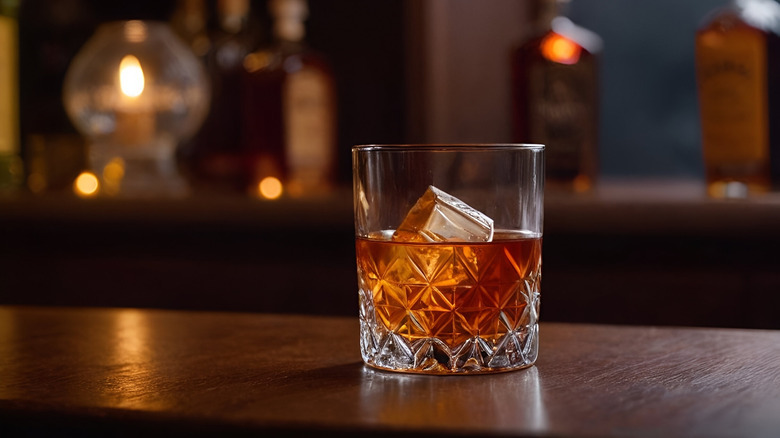
Everything about the Sazerac is complex, from its absinthe rinse, specific rye whiskey, and New Orleans custom of chilling the glass. The cocktail has a bold, strong, and slightly sweet flavor. The rye whiskey in the recipe brings a depth of vanilla, cinnamon, and clove flavor, while the bitters provide soft notes of citrus. They can be pretty mechanical to whip up — however, whenever I get an order for one, I don't mind making it because it's essentially a theatrical showcase of my mixology skill level and technique.
The traditional New Orleans custom for chilling a glass for a Sazerac involves using two old-fashioned glasses. One glass is packed with ice and left to chill while you prepare the cocktail mixture in a second chilled glass. This unique method ensures the cocktail is properly chilled without diluting the drink. While this process seems daunting in itself, the most complex aspect of the Sazerac lies in its rinse of absinthe. The absinthe is used to coat the inside of the glass and is then discarded, leaving an aromatic layer that perfumes the cocktail. After the absinthe is discarded, a mixture of rye whiskey, bitters, and a sugar cube is combined in a mixing glass with ice and stirred for around 15-20 seconds. Some bartenders prefer to dissolve the sugar in water beforehand, but I like to muddle it in the mixing glass with the bitters to create a more integrated flavor.
7. Sidecar
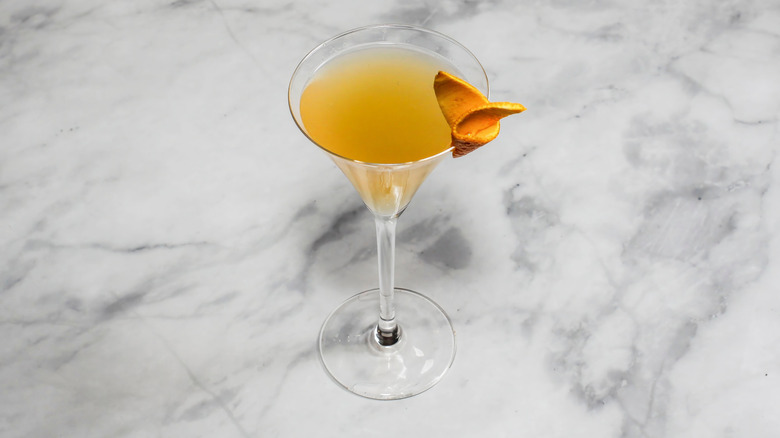
The Sidecar cocktail features a mixture of cognac (or brandy), orange liqueur (Cointreau or triple sec), and lemon juice. It's shaken vigorously with ice for around 10-15 seconds, and then strained into a chilled sugar-rimmed coupe glass and garnished with an orange twist. The cocktail has an intense, strong spirit flavor and delicate citrusy sweetness. I always embrace making the Sidecar because it follows the familiar sour cocktail template I know well, with the challenge being balance rather than technique.
The complexity lies in achieving the right balance of flavor since it solely relies on three ingredients. The cognac provides a depth of warmth and oak-like flavor, and the orange liqueur adds a sweet citrus touch. The lemon juice brings acidity and helps cut through the sometimes overwhelming sweetness of the orange liqueur, harmonizing both spirits together. When it's properly executed, you get a balanced cocktail that isn't too sweet or too tart. I believe the purpose of a Sidecar is to showcase the cognac flavor, so I prefer to follow a 2:1:1 ratio (cognac to orange liqueur to lemon juice), but some bartenders adjust based on the brand of spirits they are using or personal preferences.
Whether you prefer more or less cognac in your Sidecar, all bartenders can agree that the sugar rim is an essential hallmark of the cocktail and should never be forgotten. The granulated sugar provides a textural contrast and an additional sweetness that alleviates the drink's natural tartness.
8. French 75
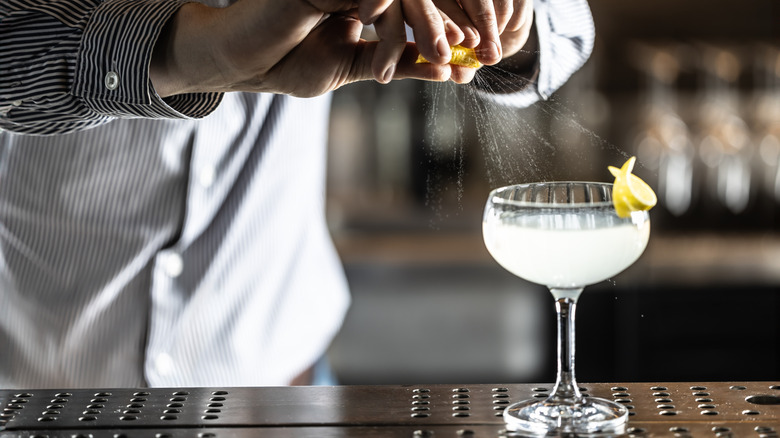
The French 75, known for being named after a French artillery weapon, showcases a delicious combination of gin, lemon juice, simple syrup, and champagne. While it's relatively straightforward to make, however, it requires balanced proportions and the use of ingredients to let the flavor shine. The gin provides the base of the cocktail, adding a clean botanical flavor; the lemon juice gives it a touch of acidity, the simple syrup balances brightness, and the champagne supplies it with a bubbly elegance. If you have a French 75 that tastes overly tart, it probably has too much lemon juice. If it has a heavy pour of gin, you'll lose the refreshing quality that makes it so appealing. That being said, it's crucial to obtain the exact proportions. When the cocktail is balanced properly, you should be able to fully taste the gin's botanicals, the lemon's brightness, a touch of sweetness, and most importantly, champagne's celebratory bubbles.
Despite the need for a skilled pour, I love preparing it because it essentially involves the familiar cocktail technique of my favorite cocktail. The gin is sour — the French 75 has that special kick thanks to its effervescence, bubbly finish. It's fairly easy to make since all you need to do is combine gin, lemon juice, and simple syrup in a cocktail shaker with ice and shake for around 10-15 seconds. Strain it into a chilled champagne flute, and then top it off with champagne and garnish with a simple lemon twist.
9. Pisco sour
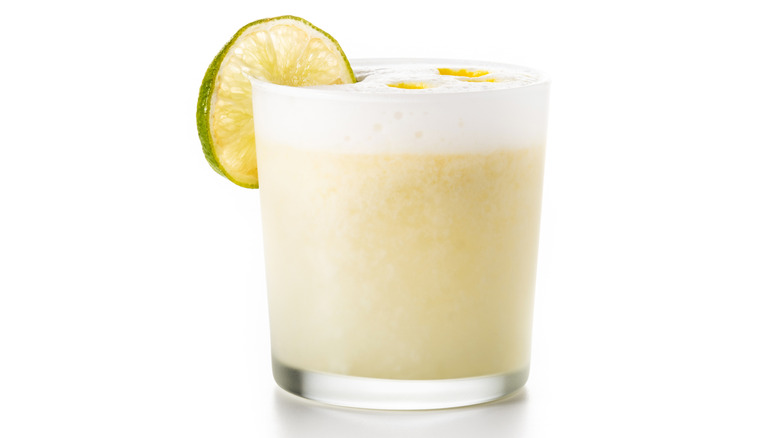
The complexity of the Pisco Sour begins with its ingredients: Peru's national spirit, pisco (a grape brandy), lime juice, simple syrup, egg white, and a few drops of bitters. For those who haven't tried one before, the Pisco Sour has a citrusy tartness and sweet flavor with a silky texture from the egg white foam. The bitters supply the cocktail with a subtle, spicy, bitter kick that cuts through the creaminess of the egg white foam perfectly. The spirit pisco used in the cocktail provides it with a unique grape flavor profile, along with notes of citrus and vanilla.
The cocktail's distinctive appearance can be easily recognized by its velvety egg white foam, which is dotted with bitters as a garnish and a flavoring element. I find that most bartenders love making it because it's a classic sour that lets them showcase their bartender skills to the fullest extent. This is because the Pisco Sour is one of the few cocktails that requires both a dry shake and a wet shake. The first shake is dry, meaning without ice. This is to properly emulsify the egg whites to create a foam and mix all of the other ingredients. Then, ice is added to the same mixture and shaken again to chill and dilute the cocktail. After shaking, it's strained into a coupe glass, and then bitters are added on top of the foam.
10. Clover Club
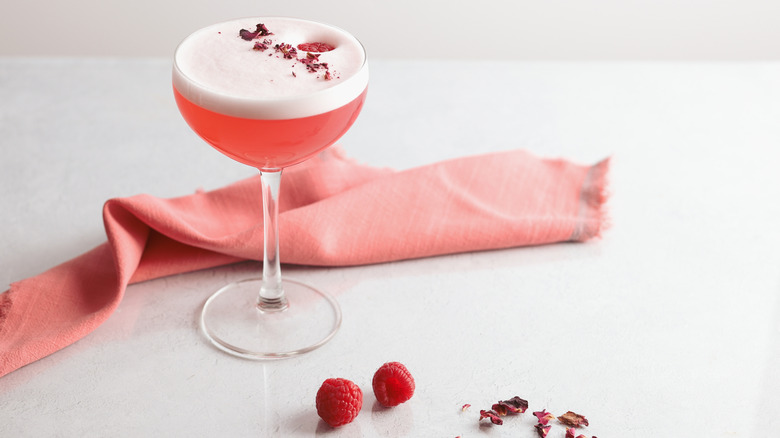
The Clover Club is a pre-Prohibition cocktail known for its refreshing, fruity flavor and light pink color. The cocktail consists of a mixture of gin, lemon juice, raspberry simple syrup, and egg white. It requires a vigorous shake to achieve its egg white foam and a simple syrup that utilizes fresh raspberries to obtain its signature pink hue. Like the Pisco Sour, the complexity of the Clover Club lies in the technique of using both a dry and wet shake to properly emulsify the egg white, creating the creamy foam. Making a Clover Club is another chance to display a proper shaking technique and timing. Plus, it always helps that stunning pink color from the raspberry simple syrup helps create a beautiful visual presentation that will surely win over any customer.
The cocktail starts by making homemade raspberry simple syrup with fresh berries, straining it, then pureeing it down to a paste-like consistency. Once the raspberry syrup is made, it is combined with gin, lemon juice, and egg white in a cocktail shaker without ice. It is then shaken vigorously for 10-15 seconds to emulsify the egg white. The ice is then into the shaker, then shake it again for another 10-15 seconds to chill and dilute it. It is strained through a fine mesh strainer into a chilled coupe glass, and garnished with a fresh raspberry or lemon twist.