

The 10 Worst Food And Wine Pairing Mistakes You Can Possibly Make
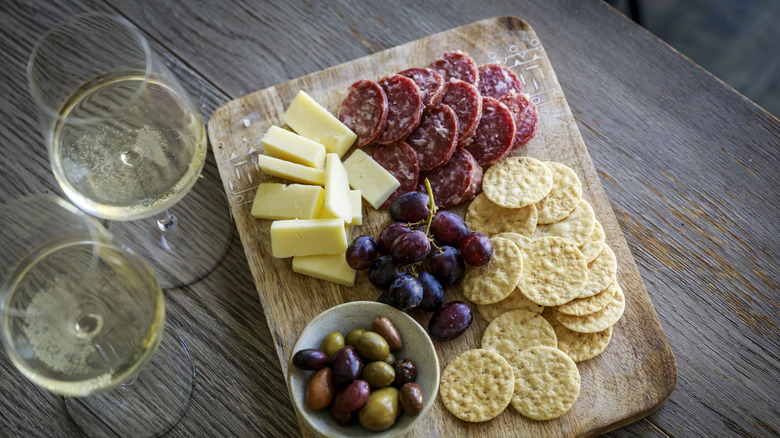
Anyone can be a sommelier ... okay, maybe that's not entirely true, since you have to do a lot of training and tastings, undergo certification, and, of course, love wine. But regardless of whether you're a lifelong armchair wine expert, or just starting to foster a budding obsession with sab savs, Merlots, and everything in between, you too can become a master at pairing wine and food — no fancy certification required.
Figuring out how to pair great wines with equally great food is tricky, especially considering how many wines are out there; you're more likely to find a wine that doesn't go well with a certain dish than one that does. As such, it's easy to miss the mark when pairing wine and food. In order to get some insight into the tricky bends you may face along the way, we got the 411 from wine professionals, including Lindsey Anderson, owner and Level 3 Sommelier of Chicago's Uvae Kitchen and Wine Bar; Connor Swanson, director of creative content at Last Bottle Wines; Alison Morris Roslyn, Level 3 Sommelier and owner of Francey Not Fancy, a wine consultancy agency; Katherine Janowiak, Advanced Sommelier and Wine Director at Jamie's Bottle Shop; and Paige Comrie, Certified American Wine Expert and face of Wine with Paige. Not only did they share which mistakes can lead to subpar pairings and why, but they also provided their recommendations for how you can play matchmaker and achieve tasty, satisfying pairings for your next dinner party, night in, and more.
1. Pairing similar aromas and flavors together
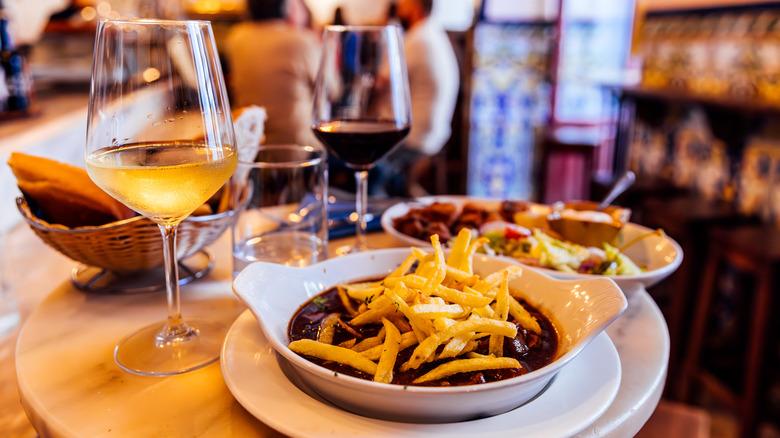
Considering contrast and achieving complementary flavors is important regardless of what you're pairing – be it fried fare and a dipping sauce, pie and ice cream, or wine and food. Opting for a wine that has the same aroma and flavor as the dish or components you're eating with it can be a recipe for disaster, according to our experts.
Lindsey Anderson, owner and sommelier at Uvae Kitchen and Wine Bar in Chicago, explains that one of the first lessons she teaches about wine and food pairing is to look at the flavor and aroma of the food and the wine. She gives us the example of pairing a California chardonnay, which can have buttery, brioche-like, and sweet notes, with an apple pie with an equally buttery crust. "The sweetness in the pie is going to have an adverse [effect] on the acidity of the wine — making it taste incredibly sour," she says.
Instead, you'll want to look for wine and food pairings that play off each other to create contrast and harmony in the bite, rather than overwhelming everything with the same flavor and aroma. Katherine Janowiak, Advanced Sommelier and wine director at Jamie's Bottle Shop, recommends trying a simple (yet still complementary) pairing of off-dry riesling for a Thai dish with heat, like a curry. If you were to pair this traditionally spicy dish with a very, very dry wine — like a pinot grigio or a sauvignon blanc — it might not work as well, seeing as how the two flavors would amplify the parched mouthfeel.
2. Only pairing fish with white wine
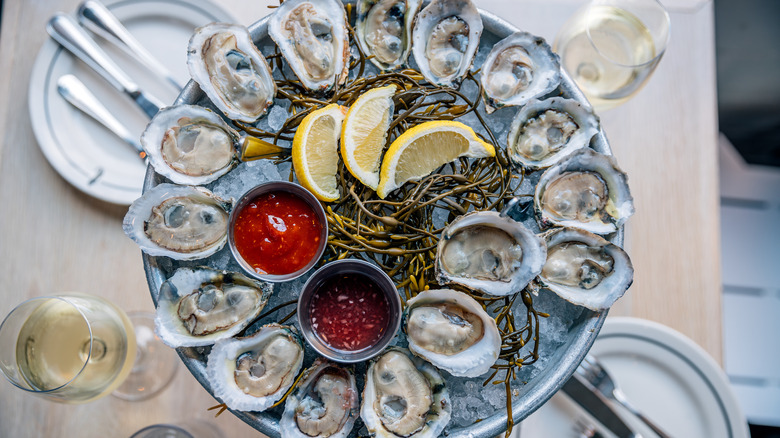
Fish and white wine has been a go-to beginner food pairing for a very long time, but our experts were adamant that many of the wines that pair well with seafood don't fall under that umbrella. "I would much rather see someone drinking a bright gamay or a light pinot noir with a rare tuna steak or sushi than an oaky, buttery chardonnay," says Level 3 Sommelier Alison Morris Roslyn. She explains that the flavor of the chard would quickly overwhelm the protein, while the mild, red wine would be a far better option, especially if it's served chilled. Limiting yourself to only whites would shut out a whole world of possibilities for pairings.
However, she does caution that there are some reds that you should stay away from when working with seafood, seeing as how the tannic structure can get in the way. "Avoid heavier reds like cabernet sauvignon with fish, but don't be afraid to play around with lighter reds," she says. "They are a terrific combo."
That said, if you like white wine, there's no reason to abandon it entirely. Katherine Janowiak, for example, recommends trying a punchy homemade fish ceviche with Albariño from Rías Baixas in Spain. The acidic and bright flavor of the ceviche would be a terrific complement to the crisp and refreshing white.
3. Ignoring the tannic structure of wine
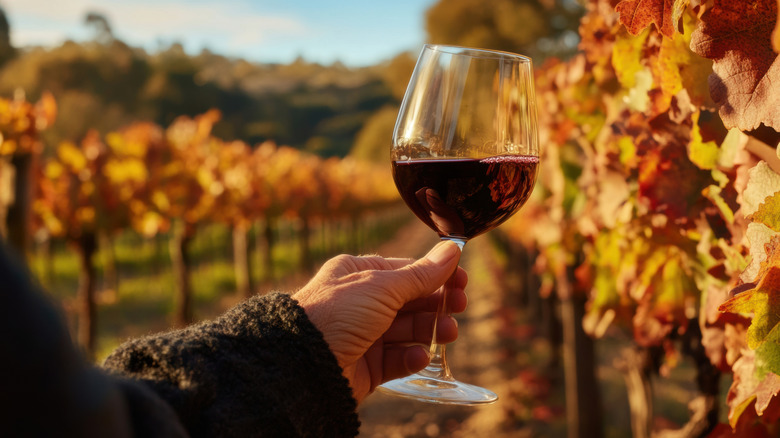
Tannins are an important part of what makes wine, well, wine. These compounds contribute to the dryness and can alter the astringent, bitter, or puckery flavors we associate with certain types of wine, especially reds. Aging, the types of grapes used, and the type of barrels the wine sits in will all alter its flavors, so you'll want to have a good understanding of how tannic a wine is before you start pairing it willy-nilly with food. Otherwise, you could amplify the puckery and bitter notes in the wine and totally throw the flavor profile of the dish off.
Historically, high-tannin wines are often paired with bold and heavy flavors, like steaks and red meat. If you're just starting your wine pairing journey, this is a good "rule" to keep in mind. On the other side of the spectrum, foods that are light and briny — like oysters — shouldn't be paired with high tannin selections. Katherine Janowiak discusses this specific mollusk at length when we asked her about universally bad pairings. "The high tannin content of cabernet sauvignon clashes with the delicate proteins and inherent minerality of oysters, frequently leading to an unappealing metallic, bitter, or 'fishy' sensation in your mouth," she says. Instead of going for a heavy wine, try a light, dry sparkling wine, like Champagne, or go with a tasty mixed drink. Mezcal margs, vodka tonics, and martinis are just some of the cocktails that go well with oysters and will not ruin their flavor like a tannin-rich red would.
4. Only focusing on the protein on your plate
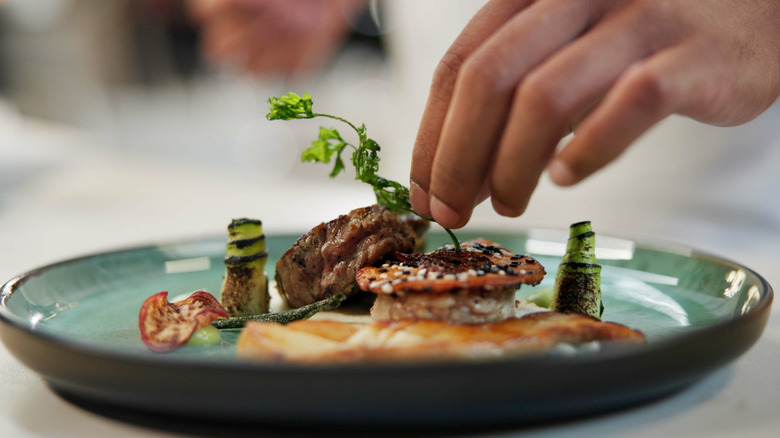
Connor Swanson, director of creative content at Last Bottle Wines, shares that one of the most common mistakes people make when pairing food and wine is only thinking about the protein on the plate. Dishes often have more elements than just that; they can include sauces, garnishes, herbs, and sides. He gives the example of a steak tartare, which as he explains, may not be a good pairing for something like a bold Napa cab because of the complexity and nuances of it. "Think about the capers, the cornichons, the mustard, and egg yolk, and that all important squeeze of lemon or dash of hot sauce ... the steak here is really a vessel for other flavors, and you're probably gonna be better off with a Provençal rosé than a full-bodied brute," he says.
Katherine Janowiak shares a similar perspective. "The true complexity often lies in the sauces and side dishes, which can fundamentally alter a dish's flavor profile and texture," she says. She gives the example of plain grilled fish, which transforms entirely when it's served with brown butter. For this dish, she'd recommend a textured chardonnay, which would highlight the hazelnutty notes of the brown butter, rather than the flavor and texture of the protein specifically. "While several wines could complement this dish, an off-dry, highly aromatic Gewürztraminer, for example, would likely conflict with the brown butter's richness, creating an unharmonious experience," she cautions. When looking at wines, it's helpful to look beyond the protein because the other elements on the plate might not be able to coexist as easily with your wine selection.
5. Forgetting to consider the 'body' of a food and a wine
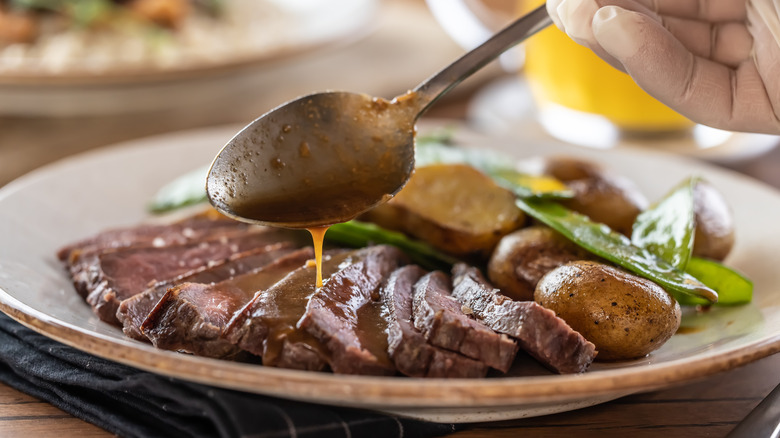
Tannins, sweetness, and dryness are all factors worth considering when you're pairing food with wine. Another important one that our experts highlight is body. Lindsey Anderson explains that considering body — meaning the weight or heaviness of a food or wine — is vital because it will ensure that the food doesn't eclipse the wine and vice versa. As a good rule of thumb, she explains that light wines should pair with light dishes, like a crisp sauvignon blanc with a salad — and heavy dishes should pair with heavier selections — like chardonnay with roast chicken.
Connor Swanson will pair similarly "weighty" wines and foods together, but look to other factors, like acidity and fruitiness, to elevate and harmonize the bite. He explains that something like a buttery chardonnay wouldn't be a good fit for lobster with drawn butter. Instead, he suggests going for wines with stronger minerality and bright, fruity acidity – like chenin blanc from Vouvray or a verdejo from Rueda.
6. Opting for an extra sweet wine with desserts
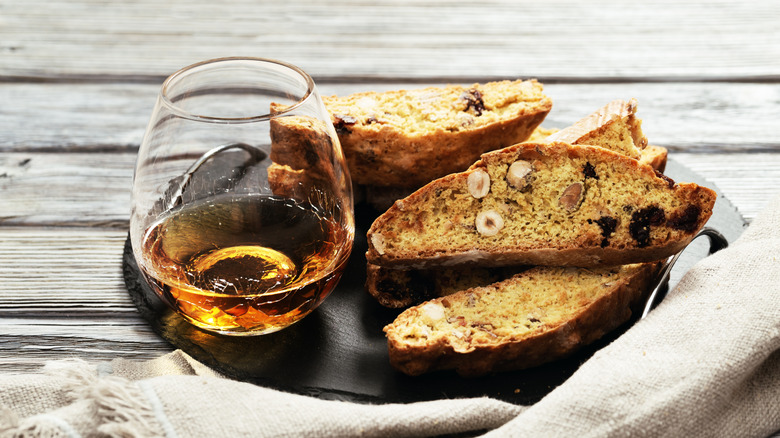
Desserts can be difficult to find a wine pairing for, seeing as there is a lot of sweetness between the desserts and the wine itself. If you go too hard with the sweetness, you can be left with a cloying feeling on your palate. Luckily, Katherine Janowiak has advice for selecting a wine to serve with desserts: "A good rule of thumb: The wine should always be sweeter than the dessert to avoid the wine tasting sour or flat by comparison." Lindsey Anderson agrees. "For sweet wines with sweet pairings, the wine should be as sweet, if not sweeter than the food." Paige Comrie, Certified American Wine Expert, brings up a great example of this — brownies and red wine — which she says rarely works.
Janowiak cautions against pairing dry wines with sweet desserts, too, presumably because of how the dry mouthfeel of the wine wouldn't do the cloying flavors of your treat any favors. Like mains, always look to pair your wine with not only the main component of the dessert, be it a crème brûlée, a piece of cake, or a brownie, but also the sauces and accoutrements. Heavy, chocolatey, and dark flavors tend to pair best with fortified wines, including sherrys and some ports, while berry-focused desserts, like those served with coulis, may benefit from more muscat-leaning or late-harvest selections.
7. Always pairing reds with red meat
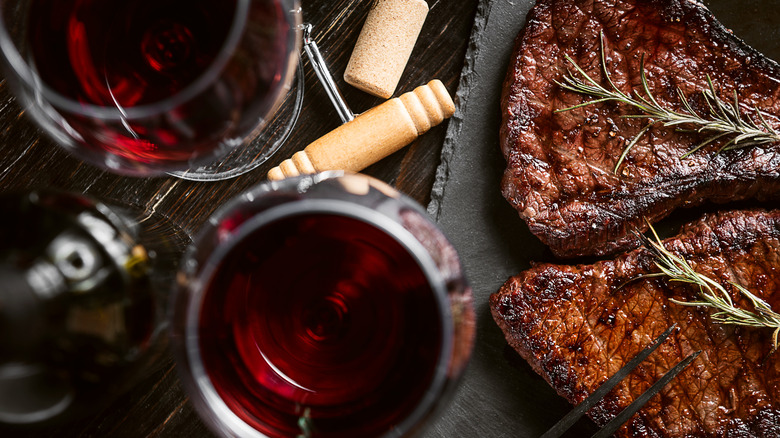
Fish with whites, meats with reds — it's that simple, right? Wrong. Sure, reds have historically been great pairings for heavy cuts of meat because of their high tannins. However, it's just not that simple. "Red wine" is a broad category, and Alison Morris Roslyn explains that there may be more nuance to it than you'd think. "I have friends who constantly complain that they don't love the red wine they're having with their steak, and more often than not, it's because they're pairing a delicate pinot noir with a ribeye," she says. "It just doesn't stand up to a heavy, marbled cut of meat like that." Instead, she recommends opting for a syrah or just a heavier, more robust pinot, which can stand up to the flavors and fattiness of the steak.
Luckily, she shared some of her tips on how to tell which red might be good for pairing with steak and other types of red meat. "Heavier wines tend to be inkier and more opaque. If your wine has a cranberry color and is somewhat transparent, it will likely be lighter," she says.
8. Neglecting terroir
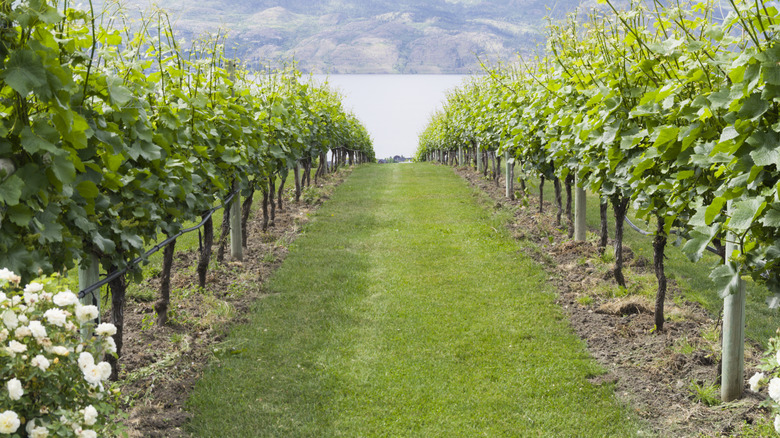
Terroir is a major concept in the world of wine. It's essentially the way that location influences the flavor and profile of a particular wine, and the location listed on a wine label can tell you about the flavors you can expect to glean from it. Lindsey Anderson recommends considering a wine's terroir when deciding how to pair it with a certain dish. She explains that a New Zealand sauvignon blanc tends to have herbaceous notes, like those of chives and basil, which would be an excellent pairing for something like a tomato and burrata salad. Meanwhile, a California sauvignon blanc, which is cultivated in a warmer environment, tends to express more ripe fruit notes. She suggests adding grilled peaches to the salad, instead of herbs, to enhance the wine's flavor. Ignoring terroir could mean missing out on a synergistic and terrific pairing.
That said, there are some general profiles of wine that hold true regardless of the winemaking region they're grown in. For one, Anderson recommends adding pink sea salt to the salad to bring out the minerality of the wine. If you're just getting started in the art and science of wine pairing, try reading up on some of the most underrated wine regions around the world and gaining an understanding of the nuances between a wine made with Willamette Valley pinot noir versus those grown in Burgundy. You may be surprised by the impact place-based pairings can have on your palate.
9. Ignoring acid and temperature
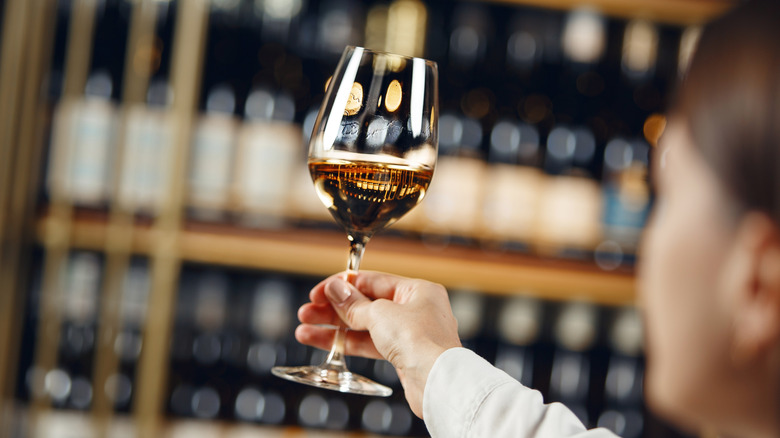
Acidity is one of the most important considerations when deciding how to pair food and wine. Numerous factors can affect a wine's acidity, including sweetness (which can make a wine seem less acidic), the climate of the growing region (generally, higher-acid wines are grown in cooler regions), and the types of grapes used. The perceived acidity can also be altered by the temperature it's served at — which is why acidic whites are usually served chilled, and heavier reds are often consumed at room temperature. Forgetting to consider acidity and the temperature of the wine when pairing it can spell disaster.
For example, Alison Morris Roslyn shares that one of the worst pairings mistakes people can make is combining a dry Champagne with a sweet dessert. She explains that true French Champagne — which is very dry and astringent — can taste bitter when paired with a sugary dessert. In this case, you'd be better off with a less acidic moscato or fruity prosecco, per her recommendation. However, Katherine Janowiak explains that it's Champagne's acidity — and its effervescence — that actually make it a versatile wine to serve with a variety of dishes that are both acidic and rich — presumably, as long as it's before dessert. "The bubbles act as a palate cleanser so each sip of bubbles will prepare your [taste buds] for the next bite of food," she adds.
In general, Paige Comrie recommends avoiding low-acid wine and high-acid food pairings — including dishes with tomato sauce or salads with vinaigrettes. A good rule of thumb? "You want the wine to match or beat the acidity in the food," she says.
10. Not considering personal preference in wine
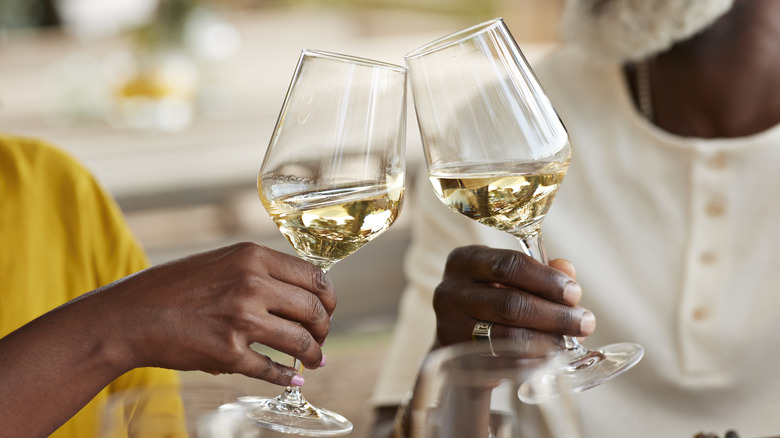
Starting your journey into wine pairing can be a bit daunting, but our experts agree on one thing: You should let your personal preferences — both in terms of wine and food — guide your sipping and eating experience. While they all shared some helpful tips and recommendations with us, there's also a degree of subjectivity when pairing. It's all about the methodology, playing with different flavors and mouthfeels, and trying to elevate your dining experience as a whole. "It becomes a journey of discovering how flavors, textures, and sensations interact and enhance one another," says Katherine Janowiak. In other words, find ways to appreciate the process and see how the food can bring out certain, and sometimes unexpected, notes in the wine, and vice versa.
"Don't stress if it's not a textbook match — drink what makes you happy," says Katherine Janowiak. "At the end of the day, the perfect pairing is great wine shared with good company."