

What Are The Key Differences Between Garlic Powder And Garlic Salt?
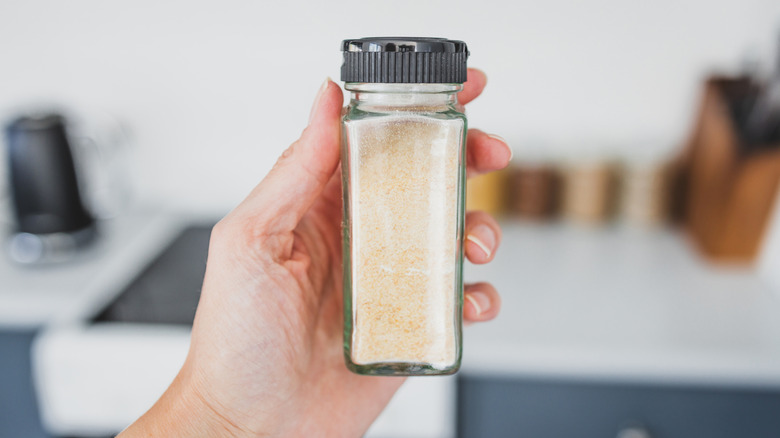
If you take a glimpse into a well-stocked spice pantry, the difference in aromatics might be a little confusing. Whether it's sifting through varying styles of paprika or remembering the unique notes of dried tarragon and thyme, there's potential to get lost in the nuance. Such complexity especially applies to spices of the same source.
Take garlic powder and garlic salt, for example. Garlic powder is composed of dehydrated and pulverized garlic processed into variously sized granules. Meanwhile, garlic salt reaches for garlic powder as a base, but incorporates lots of salt. In fact, there's usually three times more of the mineral than garlic in the mix, although ratios vary per producer. Despite only one single-ingredient difference, the culinary applications diverge. High-quality garlic powder is a trusty source of the vegetable's beloved umami palate. Conversely, garlic salt adds a much milder dash of the Allium's flavor, instead mainly contributing salty notes. Although you may deliberate whether to employ fresh garlic or powder in a recipe, garlic salt can only impart a light flourish.
Expect a more intense flavor from garlic powder
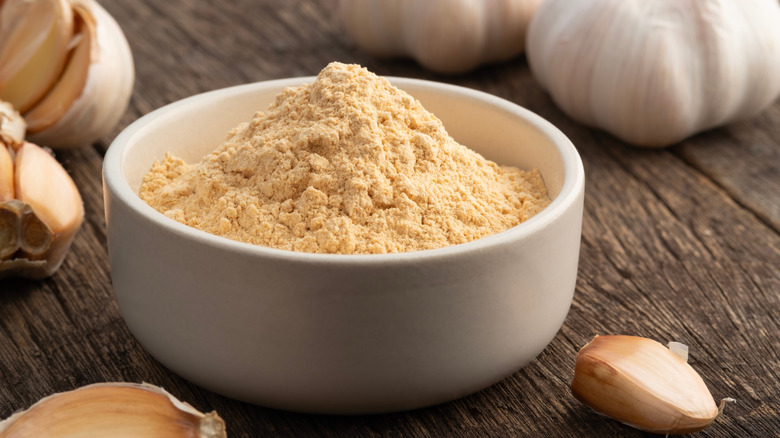
Despite an occasionally negative reputation, garlic powder continues its status as a pantry staple for good reason. In an easy-to-apply powdered form, the spice delivers concentrated flavor without those biting, breath-lingering notes that develop with raw garlic. Since the powder is so finely textured, it's also easy to use a small amount at a time. In fact, you don't need liquid or fat to distribute the flavor. Instead, it's possible to use garlic powder at any time of cooking, ranging from marination and initial seasoning to a final garnish. Drop in less than a teaspoon and you imbue the aromatic's tasting notes to everything from casseroles and pan sauces to even popcorn toppings. Unlike with garlic salt, there's no need to worry about salty results — just overly pungent ones.
With such a dominant flavor, you also need to assess the spice's quality. In its purest form, the powder should consist exclusively of dried and powdered garlic cloves. However, producers deviate in quality. Subsequently, garlic powders offer varying doses of potency. Not to mention, there's also coarse-milled granulated garlic rather than garlic powder to consider. So, sprinkle on garlic powder, but note its strong influence on the recipe.
Garlic salt comes with more gently flavored advantages
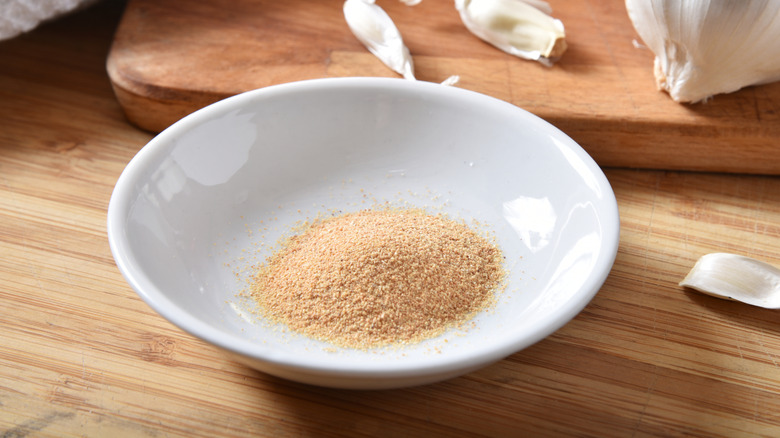
When buried in the spice drawer, it's easy to forget that the ubiquitous crystallized white mineral defines garlic salt. As opposed to the satiated aromatics of garlic powder, you salt food more than flavor it when using this spice. Accordingly, don't try to transform a grilled chicken breast or roasted vegetables into a fully garlic-flavored creation with garlic salt. Before those savoury-funky notes come to the forefront, you end up with disappointingly over-seasoned bites.
However, this tamer dose of garlic flavor comes with certain advantages. You can gently enhance light bites, such as eggs, salads, and snacks, without fear of overwhelming garlicky notes. Texturally, the salt's easier to sprinkle compared to the lumpy nature of the powder. Therefore, in coordination with salt's tenderizing effects, garlic salt is ideal for meat rubs, delicately flavoring fish, and seasoning a pot roast. Furthermore, with its grainy composition, garlic salt is easy to meld with further spices. Just take note of how seasoning salt is made of garlic powder, alongside other components; work in additions such as ground pepper, ginger, turmeric, paprika, and cayenne to craft a complex seasoning. Plus, you can easily turn garlic powder into garlic salt by simply mixing the two ingredients. Think of garlic salt as a delicious seasoning rather than a culinary cornerstone.