

9 Pro Tips To Build The Perfect Fish Sandwich

It's always "chicken sandwich this" and "chicken sandwich that" — when is it going to be the fish sandwich's time to shine? Sure, it may not be as prevalent on fast food chain menus and in restaurants as the chicken sandwich, but this fresh-from-the-sea (or really, fresh-from-the-fryer) sando deserves a little more love and attention. Not only is the combination of a soft, flaky fish and a crispy fried coating excellent, but there are numerous avenues you can take as far as toppings, bread, and sauces go.
If you have a hankering for a fried fish sandwich from time to time, or patiently wait for your favorite local joint to add it back on the menu when Lent comes around, you're in the right place. We caught up with several fish sando experts, including chef Gordon Drysdale, culinary director at Scoma's in San Francisco, Mariah Weiner, head chef at Atwood Oyster House, and recipe developer Marissa Stevens from Pinch and Swirl. They shared some of their top tips for making a great fish sandwich, as well as how to take this seafood shack classic to new heights.
1. Use the right type of fish
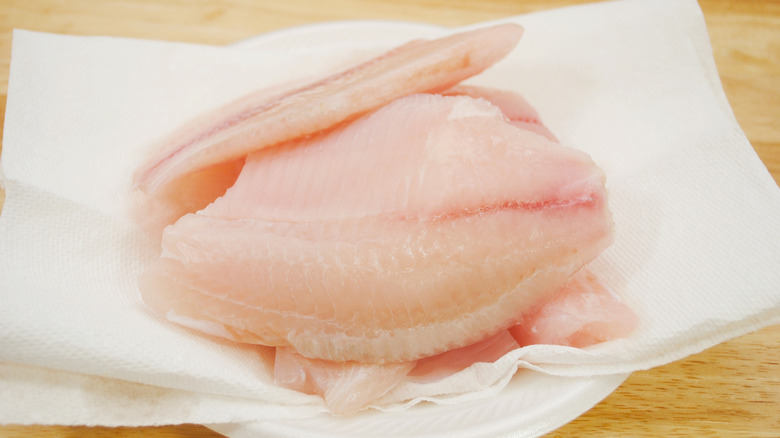
The perfect fish sandwich starts, of course, with the right kind of fish. Chef Gordon Drysdale, culinary director at Scoma's in San Francisco, recommends opting for a mild white fish for your sandwich, such as flounder, rock cod, or ling cod. "These varieties are naturally juicy and hold up beautifully in the fryer," he says, noting that ling cod in particular is a favorite of his because of its texture. Marissa Stevens, recipe developer from Pinch and Swirl, recommends cod, halibut, or haddock for your fish sandwich, though she notes that albacore can also be an option. "Any of these will fry up golden and tender and won't overpower the other ingredients," she says.
While some types of fish that work well for fish sandwiches, there are also some types of fish that either don't fry well or have too obtrusive of a flavor to work with this sandwich. Red snapper, for example, can be easily overpowered by an acidic sauce. On the flip side, tilapia can be a little too bland a choice and should be avoided.
2. Prepare your fish before frying it
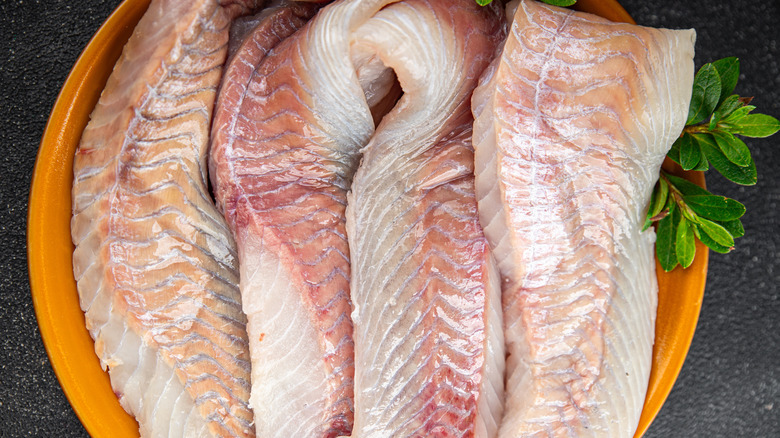
Once you have your fish picked out, it's time to start preparing it. Regardless of the variety you select, it's important that your fish is fresh. Not only will this give you better flavor, but it's also easier to work with because fresher fish usually has a firmer texture than one that's been sitting out for hours in the seafood section display case for hours (or even days). Another tip for a consistent cook, courtesy of Gordon Drysdale, is to always make sure that your fish is cut evenly. You don't want pieces that vary in thickness, as some will crisp up too much in the fryer while others will come out undercooked.
Another way to ensure that your fish cooks evenly and comes out of the fryer super tasty is by brining it. Mariah Weiner, head chef at Atwood Oyster House, brines her cod before frying, which can balance out its flavor and prevent it from drying out as it cooks. It will also help hide some of that distinctly fishy flavor and create a more neutral-tasting bite.
3. Don't overload the breading
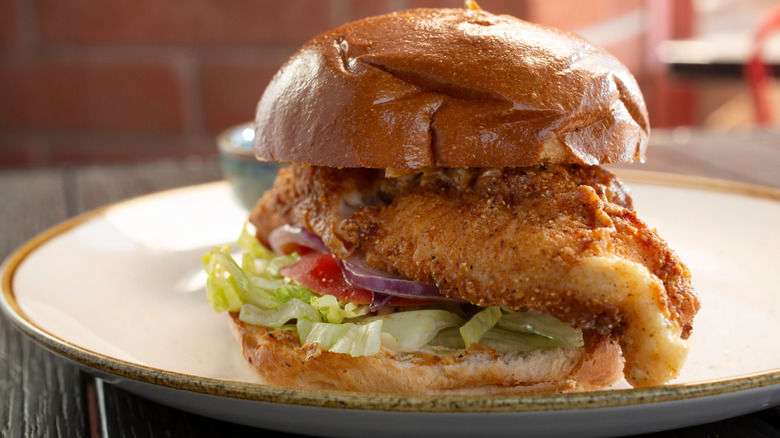
Breading serves several important functions in a fish sandwich. Not only does it offer a textural contrast against the soft, juicy fish, but it can also be a vehicle for seasonings and flavors. Chef Gordon Drysdale uses a dredge with eggs, flour, and panko breadcrumbs for his fish sandwiches, though he doesn't add the seasoning where most people do. "We season the egg instead of the flour or crumbs so the seasoning is distributed evenly and doesn't sink or get lost in the mix," he says. If you're taking this approach, Marissa Stevens cautions against going too heavy on the breadcrumbs or panko. Not only will you risk the coating falling off (and subsequently burning), but it can also trap moisture from the fish and become soggy. A thicker coating may necessitate a longer fry, which puts your fish at risk of drying out.
You can also take the batter approach, which is what's done at Atwood Oyster House. Mariah Weiner explains that the team adds Modelo Negro to its batter, along with a shot of vodka. She explains that the spirit "[helps] with moisture retention and crispiness." If you're taking a page out of her playbook and using batter to fry your fish, just be sure to shake off any excess before popping it in the oil.
4. Toast the bun
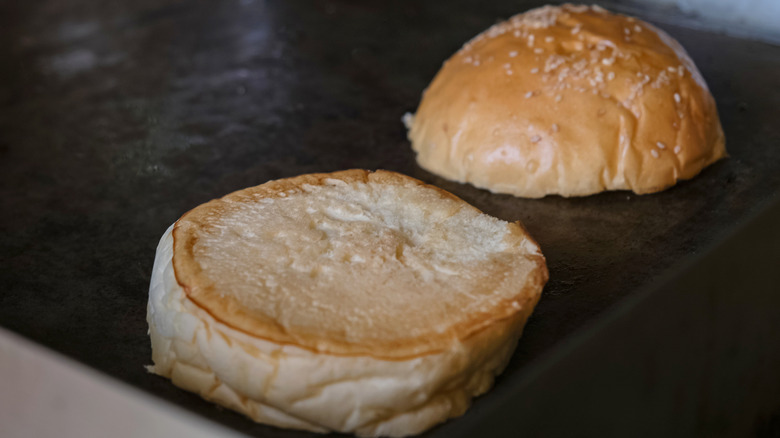
Your choice of bun can make or break your fish sandwich — or any sandwich, for that matter. Not only is it the carby vehicle for your sandwich, but it can also provide a texture and flavor of its own. Marissa Stevens recommends using a potato bun or a brioche roll for your sandwich. Regardless of which one you select, it's important to give it a quick toast, which she explains can prevent things from getting too soggy. Gordon Drysdale recommends toasting only the inside of your bun to prevent sogginess. That way, you'll get the soft exterior hitting your palate, while the interior stays perfectly crisp and flavorful.
There are many different ways to toast your bun. Slather the part you plan to toast with melted butter, and either pop it on the griddle, in a pan, or even in the oven fora couple of minutes until it comes out golden brown.
5. Keep an eye on the temperature of the oil
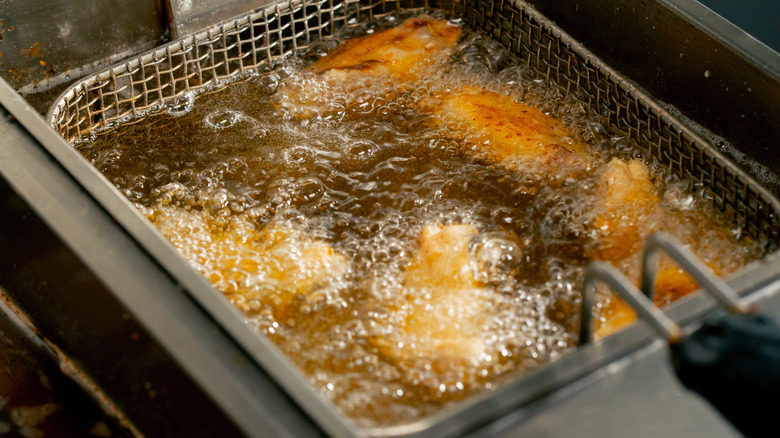
When most people think of fish sandwiches, they think of the ones with a crispy, fried piece of fish sandwiched between two buns. If this is the type of sandwich you're after, get your hands on a cast iron skillet and some frying oil and get to work. While deep frying likely isn't the healthiest method of frying fish for your sandwich (that would be in your air fryer or oven), it will give you a delectably crunchy texture and beautiful golden brown breading.
One of the most relevant tips Gordon Drysdale has for frying fish is to make sure your oil is up to temperature first. "The coating needs to crisp up at the same rate the fish cooks through," he says. If you're cooking with an oil that's too cold or letting your fish sit in it for too long, it could dry out the protein. He recommends using a countertop fryer and ensuring that it has a steady heat, though oil in a skillet could also work. Preheating the oil and not adding too many pieces of fish at once can also help ensure that your oil stays at temperature and that your fish comes out perfectly cooked. Canola and vegetable oils are two solid fats for frying fish, as they won't alter its taste too much.
6. Let your fish rest after frying
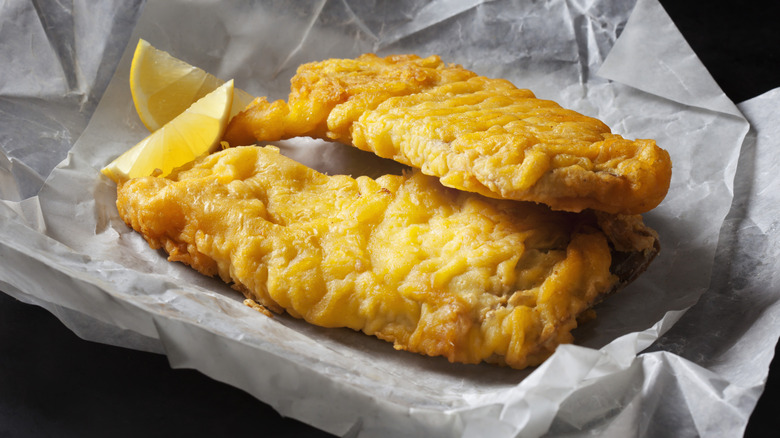
The worst thing about any fried sandwich — whether it's made with chicken, fish, or even tofu — is that it can be greasy, and not in an indulgent, guilty-pleasure kind of way. Rather, the oily, heavy mouthfeel can occur if your fish isn't cooked hot enough or if you don't let it rest after it exits the fryer. Marissa Stevens recommends letting your fish sit for a couple of minutes out of the oil before you assemble your sandwich. "It helps the fish stay crisp, and your sandwich won't steam itself soggy," she says.
One of the most common deep fried food mistakes people make is putting the food down on paper towels or a plate once they've exited the fryer. The better option is to instead leave your piece of fish on a wire rack. That way, you'll get some airflow underneath it, which will prevent it from getting soggy. Once a few minutes have passed, you should be good to place your filet on your sandwich.
7. Don't neglect sauces
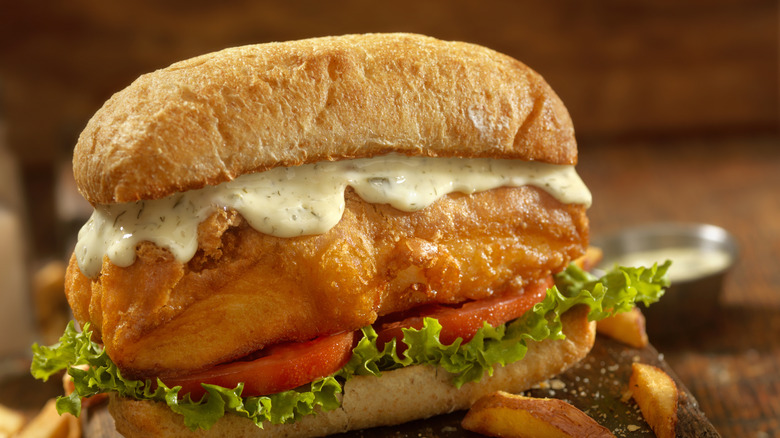
Sure, you can eat just a boring piece of fried fish on a bun, but where's the fun in that? Our experts can probably agree that sauces enhance the bite of any fish sandwich, but you just have to be careful about which ones you add. Condiments are designed to complement and enhance the flavors that are already present — not override them entirely. Mariah Weiner, for example, tops her sandwiches with a crème fraîche caper tartar sauce. Tartar sauce is one of the tastiest pairings for fish, seeing how it has the perfect creamy texture from the mayo, zestiness from the relish or chopped pickles, and tang from the lemon juice and mustard. The crème fraîche adds an extra fatty texture to this sauce, while the capers offer the perfect briny bite. You can also upgrade your tartar sauce with other ingredients, such as by adding fresh herbs or making it with Kewpie mayo instead of regular.
Tartar sauce isn't the only condiment worthy of your fish sandwich. If you like things hot and spicy, you can add a spicy or chipotle aioli, go Mediterranean with a Greek yogurt-based sauce, or stick with a green goddess dressing for a zesty and herbaceous bite.
8. Try fun, complementary toppings
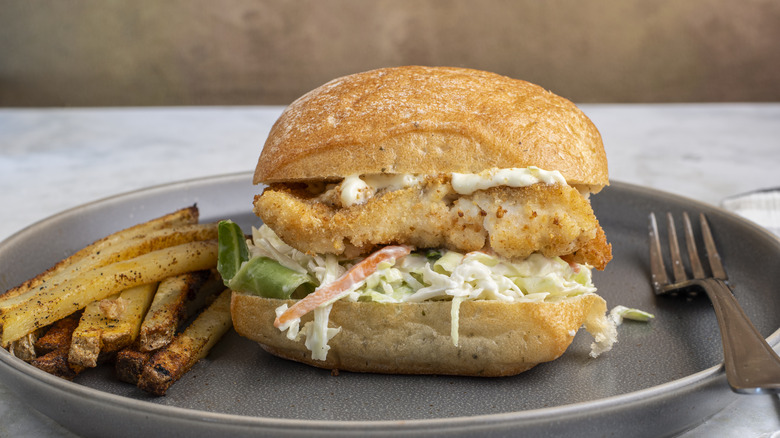
Sauces aren't the only great topping for your sandwich. There is a whole host of other foods and toppings you may want to add to your fish sandwich to introduce diverse textures and flavors. Fried food, as a whole, works well with acidity because it helps uplift the mouthfeel and cut through any residual greasiness. Gordon Drysdale shares that Scoma's fish sandwich is topped with a shaved fennel slaw. The slaw is acidic and fresh, while the slightly licorice- and anise-flavored undertones of the fennel are the perfect contrast to a hefty piece of fried fish. Mariah Weiner tops her fish sandwiches with Duke's mayo, capers, shallots, and pickle juice "for the perfect tang."
Although acidic slaws and relishes are go-tos for many, that's not to say they're the only compatible toppings worth trying. Weiner adds a slice of American cheese to her sandwiches, which can help add a rich and melty contrast to the fried fish underneath it. You could also go with a bolder cheese, like Pepper Jack or sharp Cheddar, for an even stronger flavor.
9. Play with contrasting elements for the perfect fish sandwich
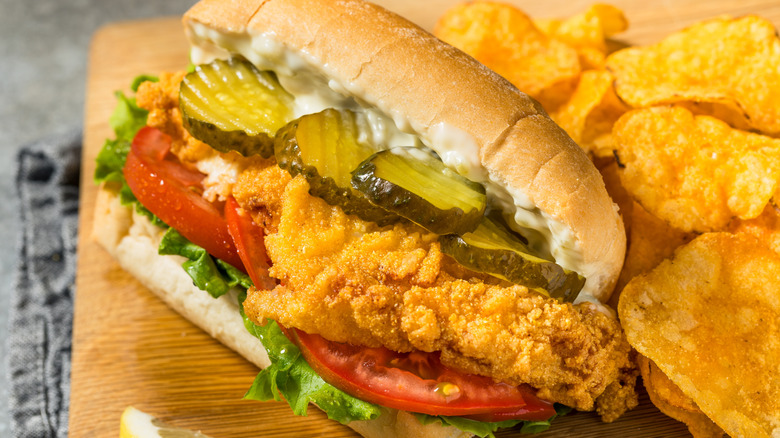
A fish sandwich gives you a lot of room for experimentation in terms of both flavors and textures, but it's still important to be intentional with your preparation and toppings. "A great fried fish sandwich is more than the fish alone," says Gordon Drysdale. "It's the result of thoughtful prep and small details coming together." The more you can think about the how and why those small details come together to create a cohesive and complex bite, the better off your sandwich will be.
One of Marissa Stevens' best pieces of advice for making a fish sandwich is to think in terms of contrasting elements. Too much acid or grease can overwhelm your bite, but playing with remediating elements and balancing flavors can help ensure that every bite stays fresh. She suggests, for example, fried fish with bacon (fat), iceberg lettuce (crunch), tartar sauce (acid), more shaved onion (sharpness), and a soft brioche bun (to bring it all together). However, you aren't limited to just "typical" sandwich toppings. If you're craving an elevated and luxurious sandwich, you can take Mariah Weiner's suggestion and add a bump of caviar to the top of your sando.