

The Worst Mixer For Vodka Cocktails Can Leave You Feeling Like A Jittery Mess
Vodka is arguably the most friendly spirit for mixing. Its neutral flavor means that it doesn't really interfere with the flavor of whatever mixer you're using, making it the perfect way to booze up sodas and the de facto liquor of choice when making Jell-O shots. But just like how not all vodkas are created equal, neither are the mixers. Some mixers have gone on to become their own named cocktails (looking at you, Screwdriver), while others will leave you wanting. Or, in the case of espresso, they'll leave you feeling all kinds of weird and jittery.
In ranking the best and worst mixers for vodka, espresso came in last place among the mixers tested. The mix of bitter espresso and potent vodka without the addition of any other ingredients simply didn't pan out very well, with our reviewer noting the oppressive bitterness and astringency of the mixture. Then there's the fact that it's not recommended to mix caffeine and alcohol together anyway, based on how each of them affects your body. All told, it's best to just avoid a straight up espresso-vodka mix and maybe opt for a fruity French martini instead.
What happens when you mix espresso and vodka?
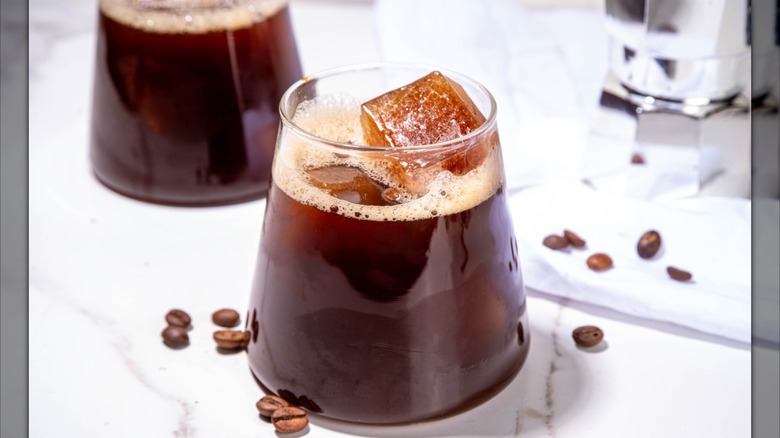
While normally you might expect us to cover what transpires on a flavor level within the food and drink you consume, this time the focus is on that unpleasant jittery feeling that you might experience when drinking vodka and espresso. No one wants to feel unnecessarily anxious, but that's an unfortunate potential side effect of imbibing this particular tincture. Espresso contains caffeine, which is a stimulant, while vodka contains alcohol, which is a depressant. When combined, these can produce some pretty wonky and all-around not nice effects in your body.
Caffeine essentially speeds up your brain processes temporarily, while alcohol slows your brain activity — to really oversimplify things. This means that the espresso can make you feel like you have a ton of excess energy, while the vodka keeps you inert and maybe even lethargic, creating a strange conflict within your body that can leave you feeling anxious and weird. The caffeine might also give you the false impression that the alcohol isn't hitting you as hard as it really is, leading you to drink more than you otherwise would. It should be noted as well that both caffeine and alcohol are diuretics, so prepare for a nasty hangover if you're not hydrating yourself. These effects, combined with the overall unsatisfying taste of the drink, will have us avoiding vodka-espressos for the foreseeable future.
What about the espresso martini?
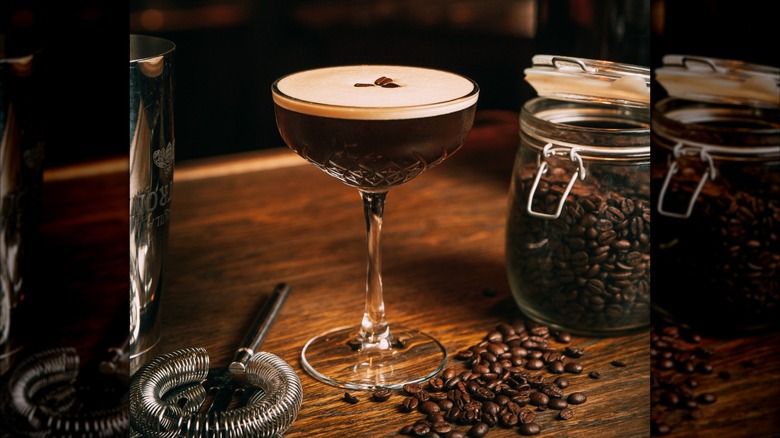
Yes, yes, we hear you — if espresso is supposedly the worst mixer you can use for vodka, then explain how the espresso martini, complete with its perfect frothy top, is such a crowd pleaser. We won't deny the simple fact that the espresso martini has become a beloved drink ever since its triumphant comeback over the past few years. And while you can chalk some of its success up to the vodka as well as the espresso, there's more that goes into an espresso martini than just these two ingredients. That fact, combined with how the drink is served, both differentiate it drastically from the lesser vodka-espresso combo.
Espresso martinis typically use one or two (or more) other ingredients to both complement and enhance the vodka and espresso already present, with the idea of making a more pleasant drinking experience for you. Most people are in the same boat as Chowhound's vodka mixer reviewer, and aren't fond of anything absurdly bitter. As such, sweeter liqueurs are usually added to the shaker, alongside possibly some simple syrup. This makes the overall drink much more approachable, and can even give some different flavors such as cream, vanilla, or hazelnut depending on the liqueur being used. Notably, serving the espresso martini cold is also a marked difference from the former mixture. So even if you love espresso martinis, be wary of that espresso-vodka mixture.