

12 Unexpected Grout Colors To Spice Up Your Kitchen
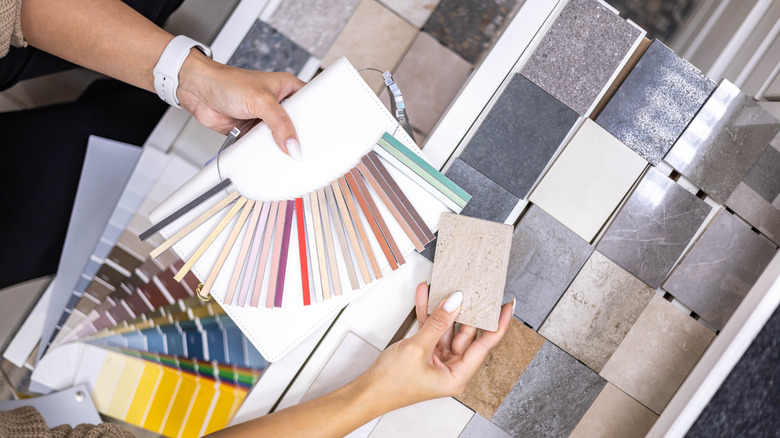
The usual white, gray, or black grout you see in kitchens and bathrooms are fine to use, but they can be a bit boring. White grout with white tile looks clean, but the white grout can quickly turn gray. Black grout is interesting at first, but when it's hit with splashes of soapy dishwater, it's not so nice. That being said, what can you do to make those backsplashes and tiled kitchen walls look a little more interesting without spending a ton on designer tile patterns? Colored grout is the answer, of course.
Not all "colored grout" is actually colored, or is even grout. However, all of these options can really change how your kitchen feels and looks. There are options for creating everything from a striking modern contrast to a retro 20th-century look, and options for matching grout with fixtures or wall paint. From sparkling to subtle, here are some unexpected grout colors to spice up your kitchen.
1. Glitter grout
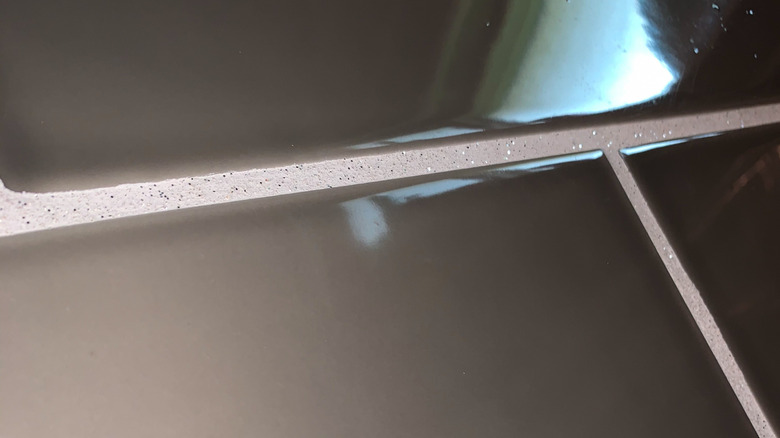
Glitter grout isn't a color itself. It's an additive that you mix with grout to change a matte grout into one that sparkles depending on how the light hits it. You know how some sidewalks sparkle when the light hits them because of small particles in the concrete? It's a similar concept on a smaller scale. The glitter comes in different colors, which means you'll have the opportunity to customize the grout and tile color combination. However, that also means you have to choose carefully to ensure the glitter doesn't make the grout look like it totally doesn't go with the tile.
Glitter grout is kind of controversial in that it's been around a long time, and there are always people saying it's out of date. However, there are also a lot of people who still love it, and it can be surprisingly subtle. If you like it, enjoy it, and just be prepared for the occasional question. It's also glitter, and the mixing process can be messy, leaving glitter scattered randomly around your home if you aren't careful. Glitter grout can be a nice additive to use with translucent glass tile as the glass lets the glitter show through more. However, you have to take care applying it, as the glitter can scratch the glass.
2. Metallic gold grout
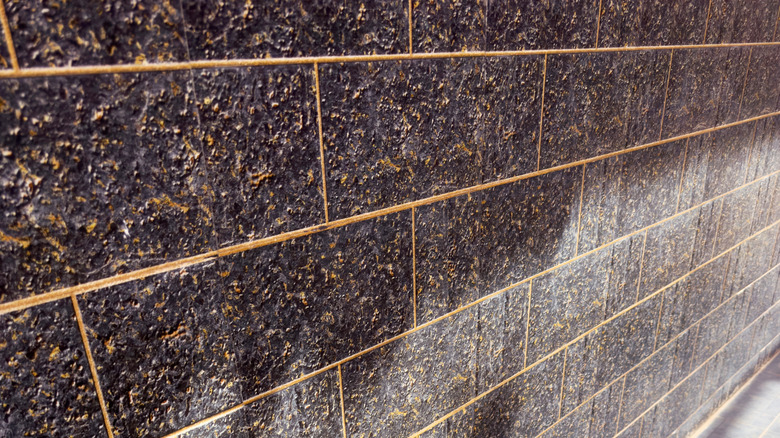
Metallic grout comes in several shades, but metallic gold is one of the more popular. It's a stunner, working well with white, black, and just about every shade in between, including marbled tiles. This is not a glitter grout, although you can find gold glitter, too; metallic gold is a shiny but not sparkly gold. It looks interesting with matte tiles because it gives the wall or backsplash just a hint of shine to contrast with the non-shiny nature of the matte tiles.
Metallic gold grout is great for matching cabinet hardware, fixtures like faucets, and even gold-colored small appliances, if you want to get really matchy. Metallic grouts can be expensive, so plan carefully; this isn't grout you want to waste. Note that not all "gold" grout you see is actually grout. You may be looking at a trim called schluter, which we'll talk about in a later section.
3. All the shades of pink grout
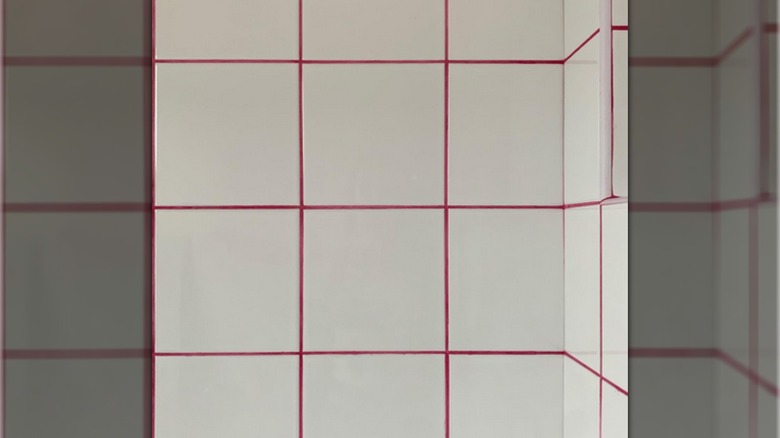
Pink grout can be amazing, but it's something you really need to want to have. Pink grout shades run the gamut from light baby pink to peach to hot pink, and each has its place in a kitchen. Peachy tones work well with other pink shades, believe it or not; use thin lines of medium pink with slightly lighter peach-colored tiles for a warm and understated look. Alternatively, you can use peach grout with those peach tiles, for a warm, monochrome appearance.
One trend that you might consider is thin lines of hot pink grout with white tiles. It's cute, and it's not as visually contrasting as you might think. The smaller the tile, the more grout you'll need, and the more apparent the grout will appear. Work with that to create the combination you desire — for example, if you want the color to be more of a highlight, use larger white tiles. If you really want that hot pink to be more obvious, use smaller tiles.
4. Green grout
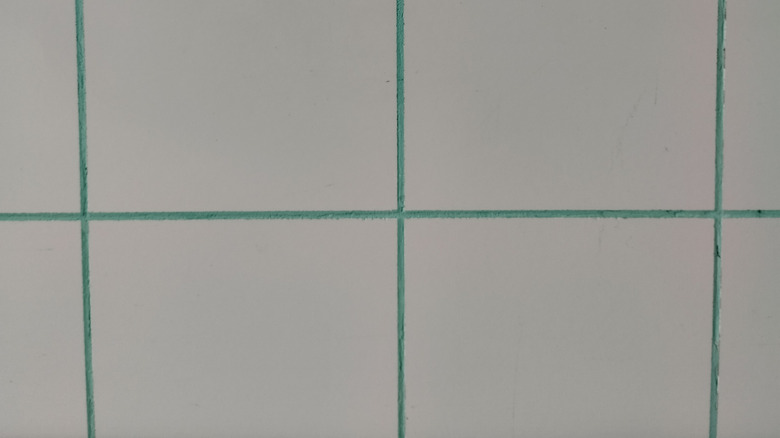
Green can make for an interesting grout. It's not common, and it's one of those colors where you have to be careful cleaning it to ensure that moss-green grout doesn't start to look like actual moss. Muted greens (like that moss-green grout) pair well with earthy tiles, and lighter green grout provides very subtle contrast with darker green tiles that doesn't stand out much.
Brighter greens go well with white tiles, especially if you have anything else that's green in the room. It's best to keep the grout lines thin, in this case, because you want the green to be an accent rather than the main character. If you do have anything else that's green, such as green accent paint, match the color of the grout to the paint. Using two different shades isn't necessarily bad, but if you use one shade for wall paint but another shade for grout, it could look mismatched.
5. Blue grout with white tiles
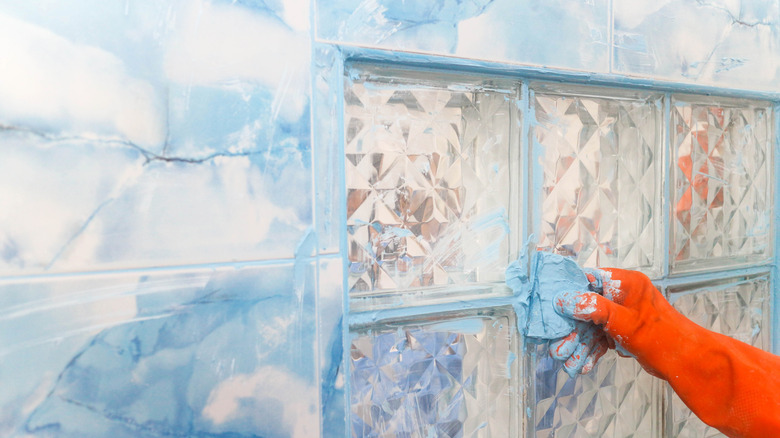
Blue grout is wonderful for any water-related backsplash or environment, and it is particularly good at showing off white tile. A light blue grout with white tiles is so light and open, and it's a wonderful sight to walk into a kitchen with this combination on a sunny morning. Even if it isn't sunny, the combination can do wonders for your mood. Additionally, the light blue is very calming.
If you have any white tiles that are in interesting shapes, such as arabesque or H-shaped, try using medium to dark blue grout. These shades of blue grout will form an outline that shows off the shape of the tile. When you don't want to hide the tile or make it blend into a background that no one notices, this particular color combination is a star. Because blue is a cooler, calmer shade, it's good for tile that's in areas where you want some visual interest, but not enough to make people stare. For example, use a medium blue grout with white tile in that big half-wall space under a bar-style counter in your kitchen.
6. Red grout
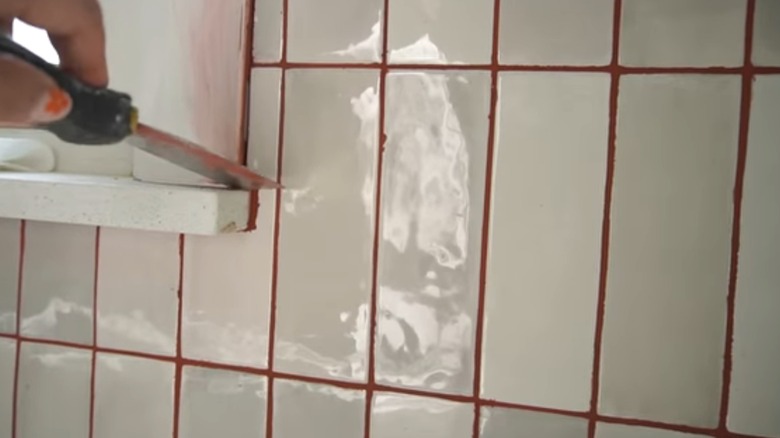
Red grout sounds unusual, but pair it with the right color tiles, and you could have an amazing kitchen. Bright red grout and square white tiles, for example, are a good combination for creating a retro 1950s feel. Dark red grout is another great choice for use with white tiles with interesting shapes that you want to emphasize. Red grout goes well with gold fixtures, too, and don't limit the tile colors to white. Red grout can give just about any color a subtle boost, especially if you keep the grout lines thin.
One issue with red is that it correlates with more appetite. Studies have actually been done on the role of color in appetite and other health effects, such as raised blood pressure. While a 2020 study published in Frontiers in Psychology suggested that colored backgrounds have no effect, others found that red can influence the amount of food you eat. In a 2018 study published in Nutrition Journal, for example, participants with red and black plates ate more than participants with white plates. There's no guarantee that any of these psychological effects will impact you if you happen to choose red for your grout. However, its color and contrast boost are two factors you do need to consider.
7. Purple grout

Purple grout is real! Use darker purple for bold contrast or a lighter pastel purple with white tiles for an airy, springtime feel. Purple grout can pair with tile color combinations like black and white for a retro atmosphere or work with purple tiles for a monochrome look.
Because purple grout isn't the most common color, it's definitely going to get people's attention, so choose your shade carefully. You may want to keep light to medium shades of purple with lighter-colored tiles because those will work together to make the tile wall or backsplash look more open and more visually harmonious, whereas a dark purple grout with lighter tiles would scream, "Look!" If you want to energize the kitchen space, use a darker or brighter purple; if you want to make it cooler and calmer, go for a lighter shade. Use darker tiles with darker grout for a more sophisticated image.
8. Bold yellow shades
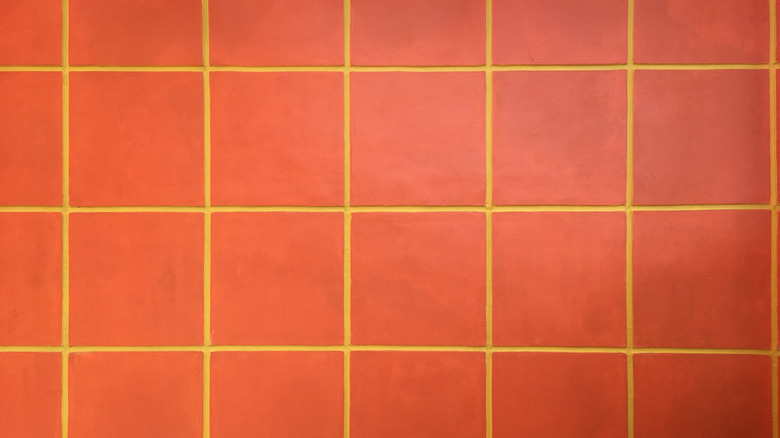
Yellow can be a tricky color because light yellow can easily fade and start to look more like stained grout if you're not careful regarding maintenance. However, bolder, non-metallic yellows stand out and lend a sunny look to whatever space they're in. They can go with just about any tile color, although using a complementary or "triadic" (e.g., yellow and purple, or yellow and blue, respectively) will provide more contrast than an analogous pairing (e.g., different shades of yellow). Furthermore, yellow grout with white tile is always an eye-catching combination.
One use for yellow grout is to tie in fixtures with other parts of the room. For example, if you have yellow cabinets and a white backsplash and white wall, having the grout color custom-made to match the yellow paint on the cabinets breaks up the monotony of the white backsplash. Instead of having these horizontal sections where one is mainly yellow and the one below it is mainly white — which could look rather cute but plain — the yellow grout among the white backsplash tiles can make the kitchen look coordinated. That matching grout makes the room look like you put a lot of consideration into the design.
9. Medium to dark brown grout
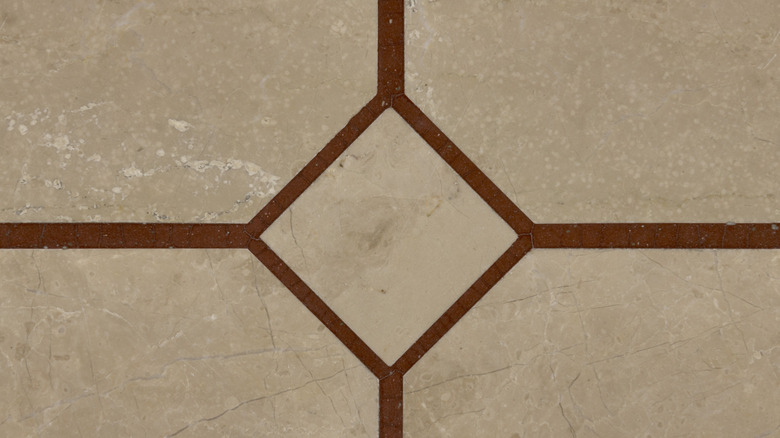
Brown grout may sound unexciting at first; in fact, it may sound like a bad idea, given that dirt is often a brown color. However, a medium to dark brown grout paired with tiles in a warmer color, such as beige, tan, or even red, can showcase the tiles without making the whole backsplash or wall look like there's too much contrast going on. If you want to make tiles stand out, you want a contrasting grout. Just remember, too much contrast takes away from the tiles, rather than adding to them; you just notice the grout lines crisscrossing everywhere.
With red tiles, for example, brown grout provides a definite visual separation between the tiles. However, it doesn't scream at you visually like white or even beige grout might. Note that the lighter the color of the tiles, the more the brown will show. For example, brown grout makes lighter tiles, like beige or light tan, pop out. That being said, brown grout with tiny beige tiles can overwhelm the lighter color easily. For lighter tile colors, consider using bigger tiles rather than tiny mosaic-style tiles.
10. Brass inserts for highlights
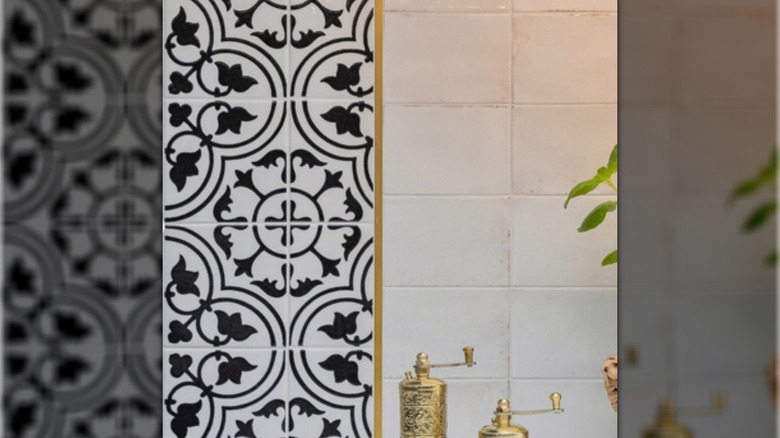
If you liked the idea of having a metallic grout but weren't exactly thrilled by how dark gold grout may appear, you can consider something called brass schluter. This is an inlay or trim made of brass that fits between tiles and that looks like a form of grout. Schluter is usually a lighter gold color and comes in varying widths.
Schluter can be grouted, too, but it doesn't have to be; it's an alternative to grout. However, installing the schluter without grout takes care because each tile and piece of schluter has to fit tightly together. One other thing to keep in mind is that the brass is highly visible. You may want to consider using larger pieces of trim as highlights or restricting them to smaller areas while using thinner pieces for sections where you want all the "grout" lines to be schluter. You can also use thinner pieces as part of a repeating pattern, such as having all horizontal white grout around rectangular tiles with the shorter vertical lines containing schluter.
11. Black grout, black tile
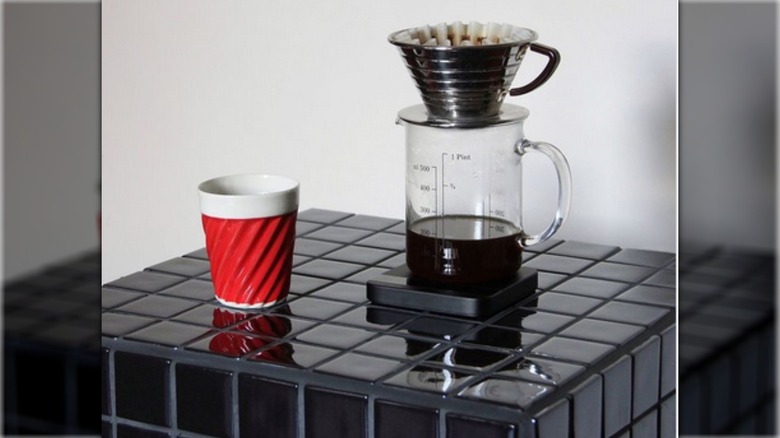
You've likely seen black tiles with white grout and white tiles with black grout, but have you considered black tiles with black grout? This is a thing, and it can make that backsplash look like it's one color with texture. The dark, muted colors can hide scuffs and give you a calmer place to go during a very busy day while also looking sleek and sophisticated.
Be prepared for some pushback if you choose this combination. While some designers and contractors love it, others aren't so keen. One private contractor posting online noted that making clean grout lines with black grout between tiles with beveled edges was nearly impossible and that a colleague's company refused to use black grout. The combination can also make your kitchen look overly dark if you don't have good light sources, especially during the day. Without a window to let in a lot of natural light, the kitchen could end up looking more like a dark cavern until you turn on artificial light.
One more issue is about dirt. Black can hide dirt, yes, but it can hide a little too much dirt. If mildew were to start forming on the grout, for example, you might not realize it until you had a real problem on your hands. Black tile and grout may be the darlings of some design trends, but think carefully before choosing this route.
12. Translucent grout
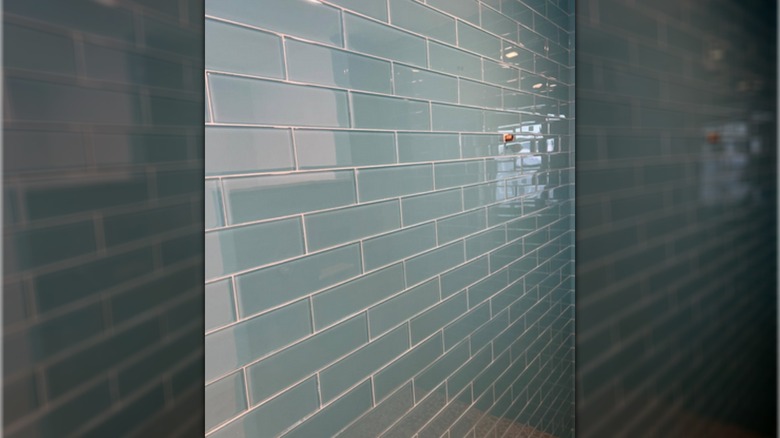
Translucent grout is usually found in swimming pools, but you can use it in bathrooms and kitchens easily. This is also known by names like crystal glass grout and is an epoxy-based grout made of small glass particles. It's perfect for glass tiles that would otherwise become dull with the use of regular grout. Glass tiles are translucent, so their edges will take on whatever the hue of the grout is. If you have light blue translucent glass tiles with beige grout, for example, the edges of the blue tiles could take on a grayish sheen along with that blue.
Even white grout doesn't always work well with glass tiles. The color might not change the blue hue of the tiles, but the solid white stands out and doesn't look all that elegant. Plus, using regular sanded grouts can scratch glass tiles. Translucent grout or crystal glass grout can have color, but in its basic form, it will act almost like the glass tiles themselves. Note that the grout may still take on a white color if the tiles are attached to the wall with white mortar.