

16 Best Ways To Enjoy Butternut Squash This Summer That Aren't Soup
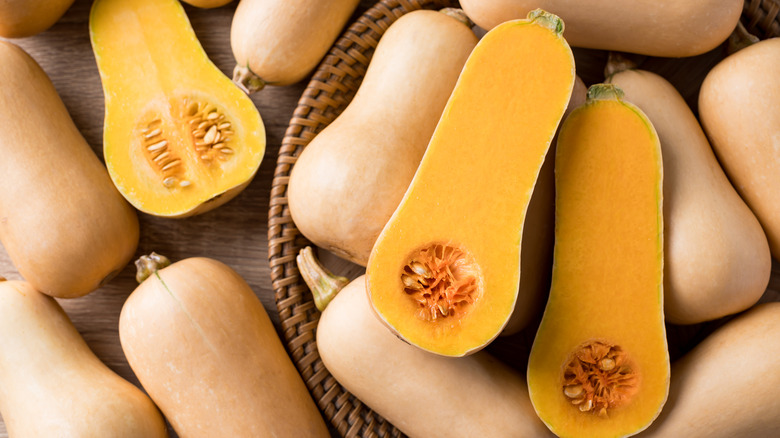
Some ingredients have almost de facto uses — meaning that they're often used one way, and rarely (if at all) do you color outside of the lines and use them in other ways. For example, brownie mix is just used for making brownies, taco seasoning is used for tacos, and instant ramen is used to satisfy late-night cravings. Butternut squash also fits into this category, as many people just see it as a building block for soup — and not much else.
Don't get us wrong: Butternut squash soup is good. It walks a thin line between being savory and sweet, and it's a true warm-you-up-up dish. But only using this versatile vegetable for soup is doing it a disservice. In an effort to expand your horizons, we found some creative and tasty ways to use this vegetable, whether you've been gifted a bumper crop from your neighbor or have a little extra lying around after meal-prepping squash soup for the week.
1. Turn it into a spread for your toast
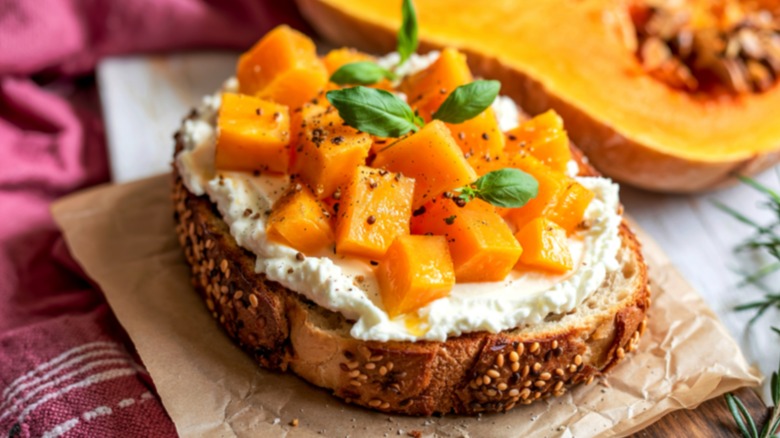
Toast is one of the most versatile breakfast foods ever made. Sure, you can load it up with a pat of butter and a little bit of your favorite fruit jam, but those are far from the only toppings worth gracing your slice. Swap out your regular toast toppings with butternut squash for a flavorful and multi-dimensional bite. The squash is naturally sweet but otherwise acts as a blank canvas for savory or sweet flavorings.
There are many ways to adorn your slice with this delectable topping. You can use it as a spread of sorts: Purée roasted squash with sweet seasonings, like maple syrup, brown sugar, and cinnamon, and apple slices, granola, and a drizzle of honey on top. For something savory, add a little bit of olive oil, thyme, and rosemary to the puréed squash and top your slice with a sprinkle of salty cheese or roasted veggies for crunch. You can also leave the butternut squash whole; a layer of ricotta underneath offers the perfect creamy and slightly acidic complement to the sweet squash.
2. Bake it into a pie
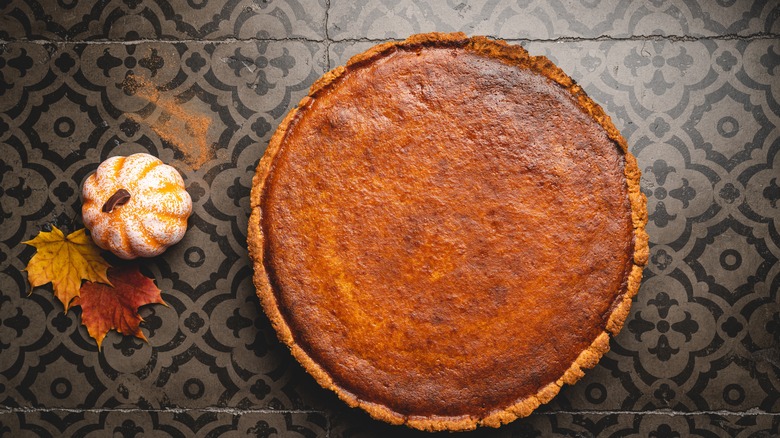
Ditch your pumpkin pie for a butternut squash one instead. While this decadent pie is often associated with the autumn months, there's no reason not to make it during the summer — especially with this nifty substitution. Pumpkin and butternut squash have a similar texture and subtly sweet flavor, meaning that it's easy to substitute one for the other from a flavor perspective. However, you do need to be careful with the moisture levels in your pie, especially if you're adapting a recipe originally made with canned pumpkin. Fresh pumpkin purée and canned pumpkin don't have the same moisture levels, so it's reasonable to assume that a butternut squash would also not have the same moisture as canned pumpkin. As such, it would be better to work on a recipe specifically for butternut squash pie rather than trying to go by the feel of the filling.
Use the same spices and seasonings you would use for pumpkin pie in a butternut squash pie, like ginger, cinnamon, and cloves. Serve it with a scoop of maple walnut ice cream or plain whipped topping.
3. Turn it into a vegan cheese sauce for mac and cheese

Mastering vegan mac and cheese is a challenge. While nutritional yeast and black salt will give you a somewhat cheesy flavor, the real difficulty is getting your sauce to match the creaminess and mouthfeel of what's sold in a pack of Velveeta. Luckily, puréed butternut squash can help. Although its flavor is distinctly sweet when puréed with ingredients like oil, it has a thick consistency that makes it pretty darn close to a real cheese sauce.
Overcoming that sweetness is a major hurdle. When we've used it for vegan mac in the past, we've added soaked raw cashews, soy sauce, and coconut aminos to dilute some of that sweetness and make it more savory. Nutritional yeast flakes, garlic powder, and salt can also come in handy. Serve your butternut squash mac as a side dish or a main, or add some chili powder and heat to turn it into a plant-based queso perfect for dipping with tortilla chips or spooning on top of a bean burrito.
4. Roast squash cubes for a tasty, summery salad
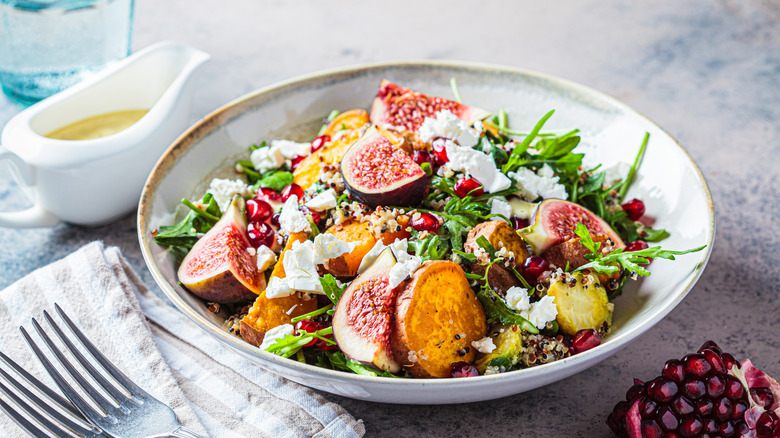
Sometimes, the best butternut squash recipes are the simplest. Roasted butternut squash cubes have tons of uses, including as a side dish for grilled chicken or pork chops. They can also be used to add color and brightness to your salad. Butternut squash has a subtly sweet flavor and works well with autumn-adjacent and cold weather produce, like kale and cranberries, and cheese like goat and feta.
To prepare your squash, simply peel it, cut it down the middle, and cube up the pieces into bite-sized chunks. A little oil and seasoning goes a long way, and can help your butternut squash better fit in with your salad components. For example, if you're using a maple-balsamic vinaigrette for the salad, consider tossing your squash cubes in a little bit of maple syrup and complementing the other salad components, like toasted pecans and kale, with a sprinkle of thyme or rosemary. Butternut squash is very adaptable and will diversify any salad's texture, making it a great component to have in your arsenal.
5. Pop squash rounds on your grill to give them a tasty, charred flavor
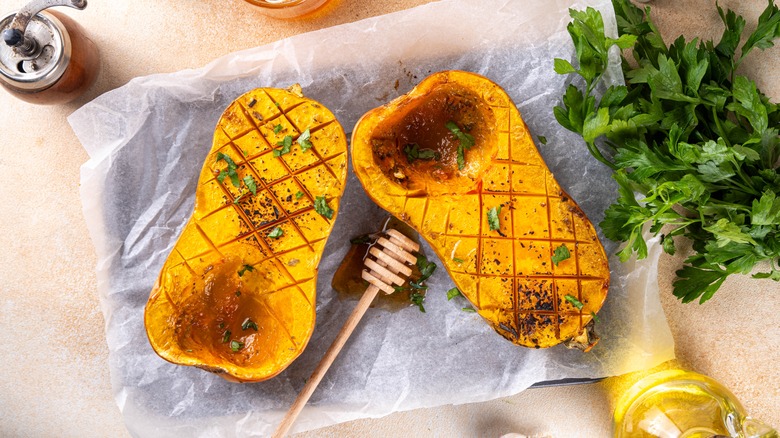
Sometimes the easiest way to reinvigorate your relationship with an ingredient is by cooking it differently. If you've only had oven-baked butternut squash, for example, it might be high time to try it on the grill. Butternut squash is thick and hard, so it's important to pre-cook it before placing it on your grill grates. In order for it to cook correctly, it needs to be no thicker than an ½ inch, and should be par-cooked in the microwave beforehand to soften it. Then, grease the rounds before popping them on the grill and giving them some color.
The heat from your grill turns the squash's sweet flavor into something a little more caramelized. You can also add a drizzle of honey or sprinkle of herbs to the rounds before serving. They would be an excellent complement to another grilled favorite, like chicken or steak.
6. Shred it and add it to coleslaw
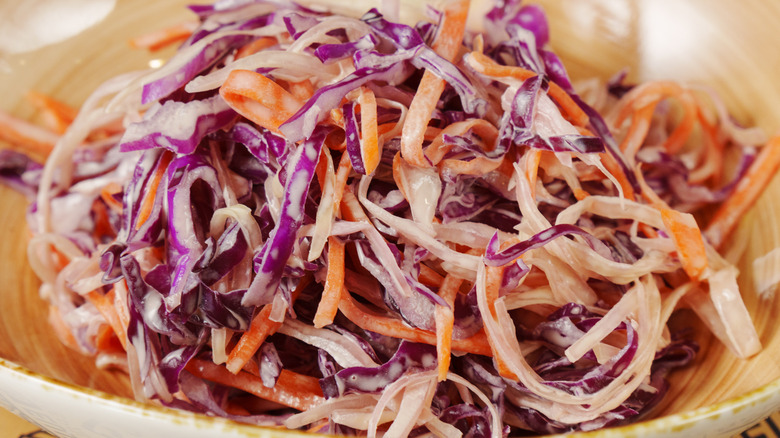
Coleslaw is a love-it-or-hate-it kind of food. If you're in the former camp, you're going to want to try adding butternut squash to your next batch of coleslaw. Not only will it provide a sweet contrast to the cabbage and the dressing, but it can be a building block to an autumnal slaw. Once you try a basic butternut squash slaw recipe, you can start experimenting with different textural additions, like dried cranberries and pumpkin seeds. These sweet and nutty additions will highlight the flavor of the squash and make each bite interesting — and probably unlike any coleslaw you've ever had.
The sweetness of the butternut squash lends itself well to sweet ingredients, including carrots, maple syrup, and sherry or apple cider vinegar. You can even omit the cabbage entirely and just toss the peeled and grated butternut squash with your dressing. Regardless, just be sure to give your slaw adequate time to sit before serving so it can soften and soak up its delicious dressing.
7. Turn it into a sauce for pizza or pasta
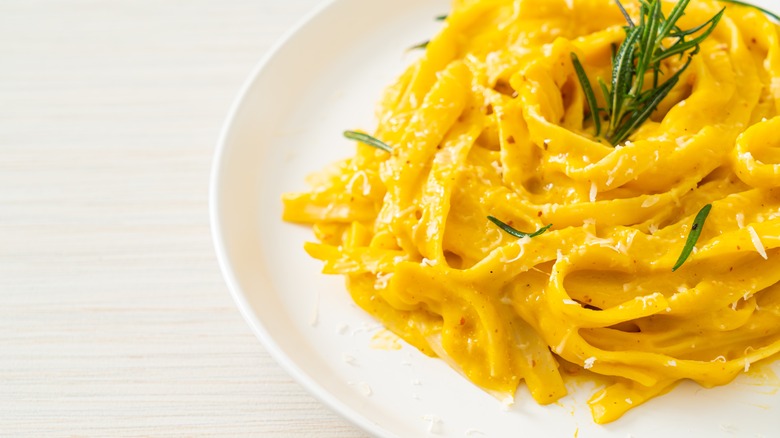
Butternut squash is an excellent foundation for flavorful pizza or pasta sauces. Not only does it take on flavor well and mesh with other common sauce additions, like garlic, olive oil, and herbs, but it's also ridiculously rich and creamy. We personally love using it as an alternative for tomato sauce on pizza. Purée your roasted squash down with a little bit of maple syrup, salt, pepper, and thyme and spread it on your pizza crust. If you're having a hard time getting it to spread, try adding some extra oil. As expected, it pairs well with autumnal and sweet-leaning toppings like garlic confit, caramelized onions, ricotta, and mushrooms. You can even round out its flavor with a sprinkle of thyme or nutmeg.
You can also use a butternut squash base to switch up your pasta nights. When you start getting tired of your tomato sauce and meatballs, or that jar of store-bought Alfredo is looking less than appealing, try puréeing roasted squash with your seasoning of choice. We would also recommend adding a little brown butter for a luxurious flavor, a sprinkle of grated cheese for umami, and cheese- or mushroom-filled tortellini for a filling bite.
8. Add butternut squash to your bean burger patties

Assembling homemade veggie burgers is both an art and a science. Sure, you want them to taste good, but you also need them to hold together. Luckily, butternut squash can help you feed two birds with one scone.
You can easily substitute butternut squash for sweet potatoes in your bean or veggie burger recipe. They have the same amount of soft give and subtly sweet flavor, which can help balance other ingredients like soy sauce, coconut aminos, and salt. Some recipes will call for using puréed butternut squash, while others will call for mashed butternut squash — giving you more discernible pieces of squash in every bite. While it will help the patties hold together, you shouldn't skimp on other binders, like eggs, oats, breadcrumbs, or beans, to ensure that your burgers stay intact. Regardless, it's the sweet touch that your burgers are craving, and one that pairs well with ingredients served both in the patty and on top of it, including caramelized onions, melty cheese (vegan or not), and spicy mayo.
9. Cube up the squash for your tacos
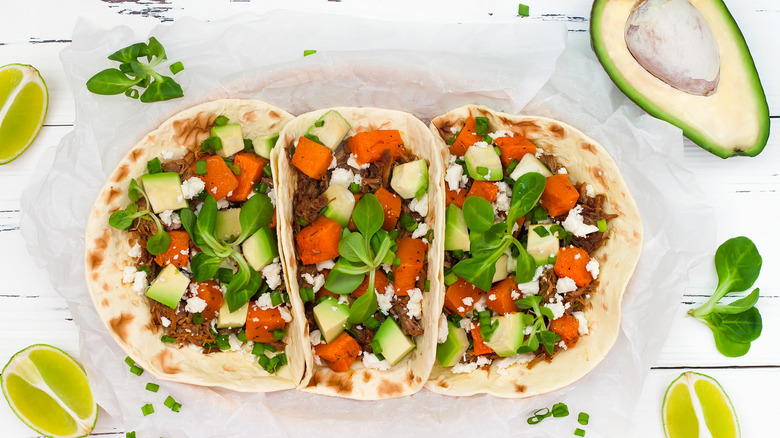
When you think of "taco fillings," what comes to mind? Maybe it's fish, chicken, or barbacoa for meat eaters, or plant-based chorizo, black beans, or tofu for the plant-based folks. Butternut squash is a taco filling that you can utilize no matter what your dietary preferences are. It will add robustness to your bite, along with a sweetness that plays well against common taco accoutrements like cheese, sour cream, slaw, and salsa.
You will have to put in a little effort to get your butternut squash flavored just right. We recommend tossing it with Tex-Mex-inspired spices, like cumin, coriander, and ancho chili powder, to help it mesh with your taco toppings. Once it's cubed into bite-sized pieces and roasted to perfection with these seasonings, it's time to build out your tacos. Try to find opportunities to add acid and fat, like with pickled red onions, cilantro, or guacamole, to cut through the richness and denseness of the squash. It's a perfect summery dinner idea — especially if margaritas are involved.
10. Turn them into a hearty breakfast hash
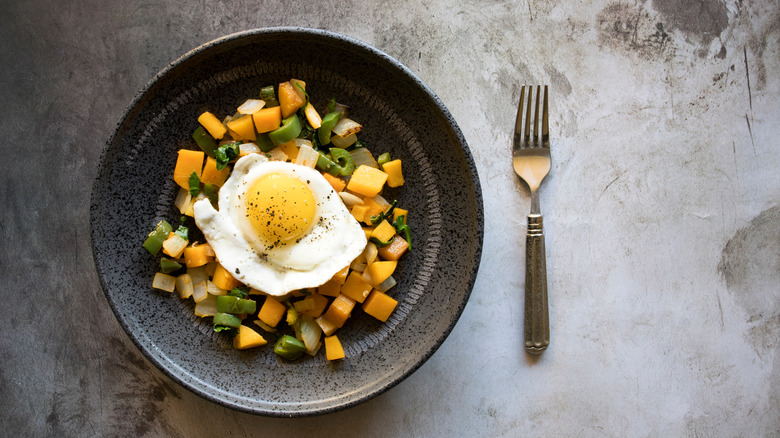
You can eat butternut squash for every meal of the day — starting with breakfast. We love to add this ingredient to hash because it fits in nicely with the other root vegetables and can bulk up its flavor a bit more. Hash, for the uninitiated, can comprise an array of ingredients, but it typically contains some sort of potato (sweet or regular), onions, root vegetables, and seasonings. It's a great way to use up veggies that are on the verge of going bad, or when you're craving a hearty breakfast to start your day off right.
Butternut squash functions like a sweet potato in hash. It offers a complementary flavor to the heavy saltiness, which can be beneficial if there are fatty ingredients or meat involved. If you're using the butternut squash in a basic hash, like one made with just potatoes and onions, you can express some creative liberty over the seasoning. Harissa, for one, will give you a spicy kick and shift the sweet flavor of the squash to something more savory. You could also lean into the sweet, oaky flavor of the squash by adding bacon and apples. If you're looking for a burst of protein, try making small wells in the pan to cook eggs in.
11. Add it to your muffin or quick bread recipe
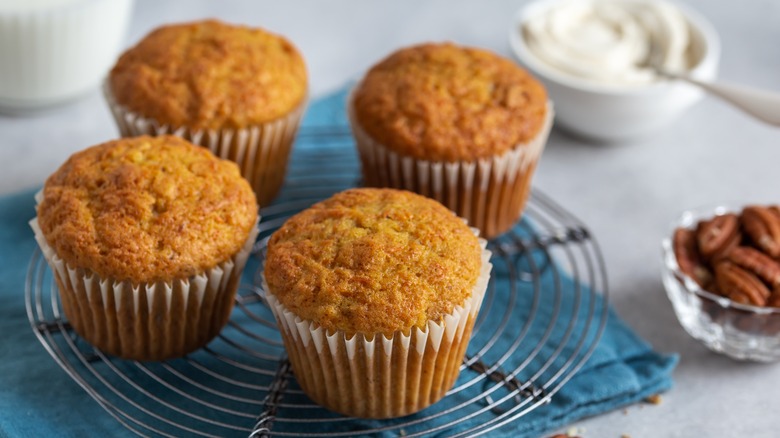
If you're not baking with butternut squash, you really should be. The veggie can add extra moisture to your favorite baked goods, as well as a delectable orange-yellow color. We like adding it to a muffin or quick bread recipe because of its natural sweetness and role in creating a moist, flavorful muffin.
You'll want to cook your squash just enough that it's soft before puréeing it. Then, you can add it to your recipe just as you would with pumpkin purée (or, you can add it in addition to pumpkin). Like pumpkin, butternut squash pairs well with warming spices, like chai spices and cinnamon, as well as with autumnal fruit like apples, carrots, and — you guessed it — pumpkin. The muffins or quick bread you make with the squash will be super hearty and moist — and who doesn't love stick-to-your-ribs baked goods?
12. Use it as a filling for homemade pasta

While you can use butternut squash as part of your pasta sauce, an even better way to use this ingredient is as a filling for your homemade pasta. Ravioli, tortellini, agnolotti, and other stuffed pastas can all benefit from the unique flavor that this squash brings to the table. It has a flavor similar to pumpkin, so you'll want to pair it with similar flavor families. For example, you can make a sage and squash-filled ravioli, served with a decadent brown butter sauce. Butternut squash is also a great pairing for creamy ricotta or Parmesan, so don't be afraid to add a dollop or sprinkle of these cheeses before serving to diversify the mouthfeel and lend some creamy or sharp flavor to the pasta.
Once you master making homemade pasta, try adding the squash to the dough itself for a pop of color and an autumnal flavor. Add the purée to the rest of your dough ingredients and fill it with tasty ingredients, like mushrooms and garlic, goat cheese and caramelized onion, or ricotta and black pepper. Just make sure to get as much of the water content out as possible, as you don't want to make your dough too wet.
13. Add it to the top of a flatbread or a pizza

Veggie pizza can be hit or miss. But when you invite butternut squash to the party, it's almost guaranteed to be a hit. What's nice about butternut squash is that it's toothsome and diversifies the texture of your bite in a way that common veggie pizza additions, like spinach, broccoli, and red onions can't. Butternut squash is an especially delectable topping for white pizzas, like ones topped with ricotta, Gruyère, and pecorino Romano. Chop up some pancetta or bacon, or add woodsy flavors like caramelized onions, mushrooms, and garlic.
While your pizza will be finished in the oven, it's not enough time for your squash to cook through fully. As such, you'll want to pre-cook your squash before topping your pizza with it. Small, bite-sized chunks are the way to go — just make sure they're evenly sized so that you don't end up with some bites that are harder than others.
14. Turn them into french fries
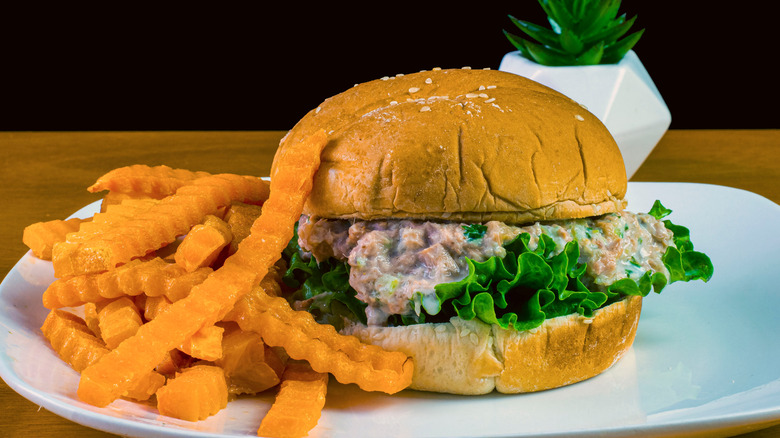
There's no denying that normal french fries are delicious. However, using butternut squash instead of your trusty russets can take the flavor up a notch.
The easiest way to make this crunchy side is to chop your raw squash into sticks, dry them off as much as possible to remove some of that water, coat them in cornstarch, then bake them in the oven until they're nice and crispy. Since these veggies have a lot of water, it's important to lay them in a single layer — and not overcrowd them — while they're baking. Cook them in either a conventional oven or an air fryer.
Butternut squash fries are an excellent side dish for sandwiches, burgers, and hot dogs. You could also serve them alongside a tasty dipping sauce, like a garlic aioli or ranch. Or for a sweet twist, try dipping them into cranberry sauce.
15. Pickle your butternut squash
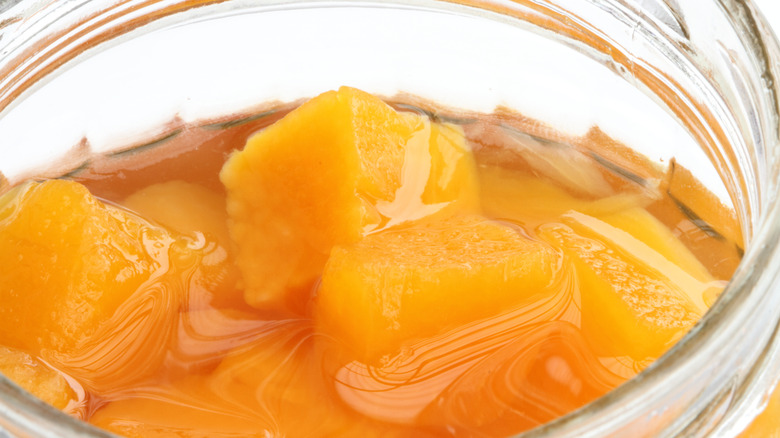
Pickling is a catch-all option for using up leftover produce, but it must be done correctly to prevent foodborne illness. Trust us on this one — you'll want to follow an actual recipe, rather than just guessing how much vinegar to add to your jars or what temperature to cook them at.
Pickled butternut squash tastes like you'd expect: tangy, earthy, and delectably sweet. You can easily tweak your brine to bring out any additional flavors, including a bay leaf for savoriness, mustard seeds and peppercorns for piquancy, and cinnamon and cloves for something on the sweeter side. Serve your pickled squash on a charcuterie board with creamy cheeses, like Brie or goat cheese, to complement its acidity, use it as a topping on a pulled pork or chicken sandwich instead of slaw, or swap it for fresh butternut squash on your salad.
16. Add them to your brownie recipe
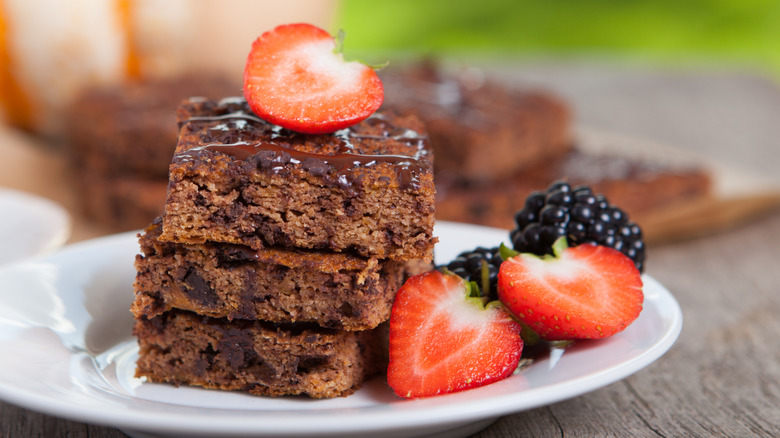
Did you know that you could make brownies with sweet potatoes? This tuber has the perfect amount of moisture to keep the brownies fudgy and its fiber makes it a nutrient-dense alternative to conventional brownies. Butternut squash can function in the same way — adding extra depth to the batter, along with a subtly sweet flavor.
The thing that we love about this butternut squash recipe is that you can't really taste the squash at all. As long as you add the perfect amount of other ingredients, including cocoa powder, chocolate, and sugar (or some alternative sweetener), you'll still get the chocolatey flavor that you love, just with extra nutrients. To help the squash slide under the radar, be sure to purée it well; there should be no chunks of it left over in your brownies. Add your favorite tasty additions, like chocolate chips, nuts, or peanut butter, to make them even tastier.