

14 Vegetables That Are More Nutrient-Dense Than Kale And Brussels Sprouts
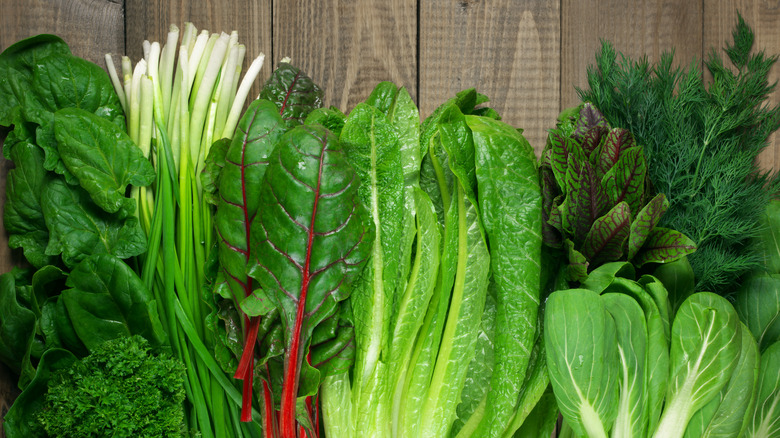
When we think of nutrient-dense foods, options like iron-heavy kale or pungent Brussels sprouts always seem to be top of mind. Of course, these greens provide a number of nutrients important to bodily function, but according to the Centers for Disease Control and Prevention (CDC), they're not the best of the best when it comes to getting the most out of your fruits and vegetables.
Back in 2014, the CDC created a list of "powerhouse fruits and vegetables" (PFVs) based on a nutrient-density study; each PFV was given a score up to 100, with 100 being the absolute best PFV for your health. By definition, these are fruits and vegetables that provide the strongest ability to lower chronic disease risk. Kale earned a score of 49.07, while Brussels sprouts earned a score of 32.23.
According to the study, a PFV is defined as "providing, on average, 10% or more daily value per 100 kcal of 17 qualifying nutrients." Some of the 17 nutrients include potassium, fiber, protein, and calcium, as well as seven different vitamins, such as vitamins A, C, and K. The actual density score refers to how much of those nutrients a certain PFV provides above 10%, though different PFVs have different measurements of varying nutrients.
The bottom line: 14 different fruits and vegetables ranked higher than both kale and Brussels sprouts on the list, while an additional five ranked higher than just Brussels sprouts (dandelion green, red pepper, arugula, broccoli, and pumpkin, in order of highest score). Here are those 14 kale and sprouts-topping powerhouses.
Watercress: 100.00
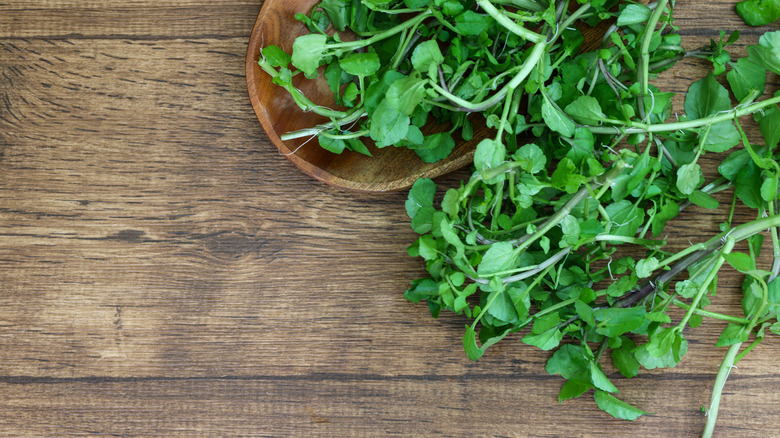
Watercress is the only PFV on the CDC's list to receive a perfect score of 100 — it's essentially the healthiest vegetable in the world. The next-best veggie is eight-plus points below it. Watercress contains high amounts of vitamins C and K (specifically, it provides 106% daily value of vitamin K), plus antioxidants and phytochemicals that can potentially prevent cancer. It has only 4 calories per cup, too.
Watercress is most commonly used in salads. It has a crunchy texture and a slightly peppery flavor, offering more vibrancy than something like iceberg or romaine lettuce.
Chinese cabbage: 91.99
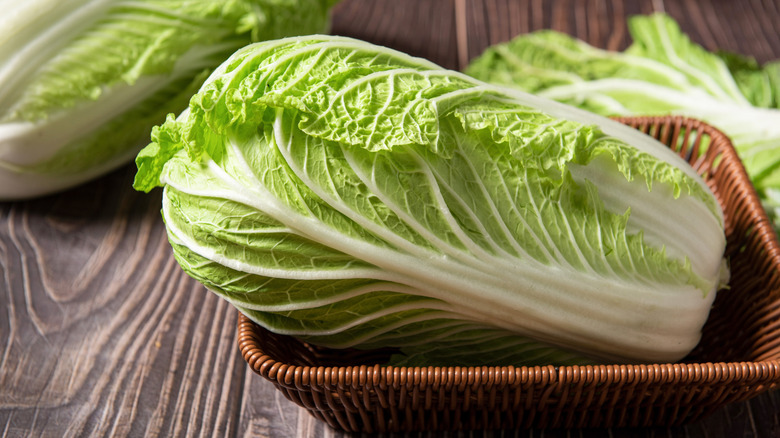
Chinese cabbage is a family of cabbage — if you've ever had napa cabbage, then you've had Chinese cabbage. It's a good source of folate, which is one of the 17 nutrients the CDC gauged. It also contains other vitamins and minerals like phosphorous and magnesium, as well as vitamin A.
While Chinese cabbage can easily be tossed into salads raw, it's also commonly used in cooked dishes, such as stir fries, due to its subtly sweet flavor profile when cooked.
Chard: 89.27
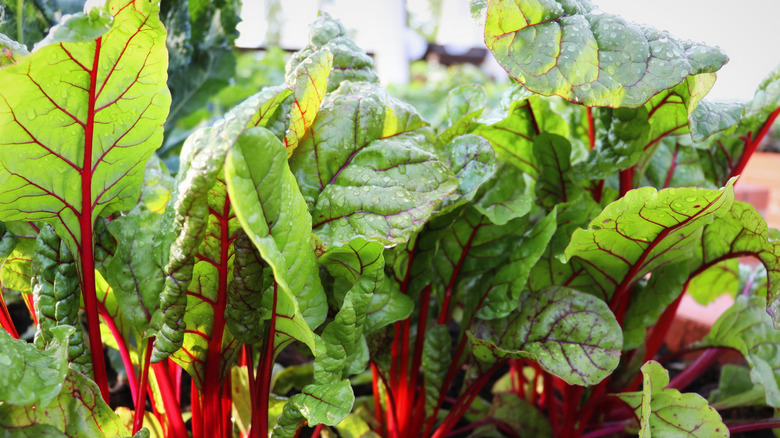
Chard, also called Swiss chard, is another leafy green (spoiler alert: the greens are the most nutrient-dense PFVs). It's bursting with vitamins and minerals, including a whopping 477% daily value of vitamin K — a vitamin that supports bone and heart health. It also provides a good amount of vitamins A and C, as well as magnesium; the latter offers almost total-body support, from metabolizing protein to keeping your energy levels stable.
Swiss chard is one of those versatile leafy greens that can be incorporated into salads or sautéed and wilted into a hot recipe.
Beet greens: 87.08
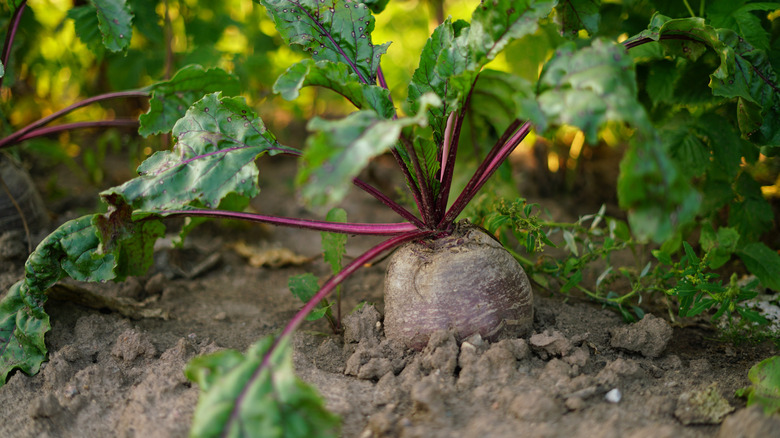
You've heard of beets, but have you heard of beet greens? They're from the same plant, but beet greens are those leafy greens on the plant's stem. They have a good amount of iron and potassium and provide 581% daily value of vitamin K. They're high in other vitamins, too, including A, C, and folate.
Beet greens are actually pretty versatile, finding their way into a hot pan as a wilted addition to pastas or a standalone side dish, or even as the base of a smoothie or salad.
Spinach: 86.43
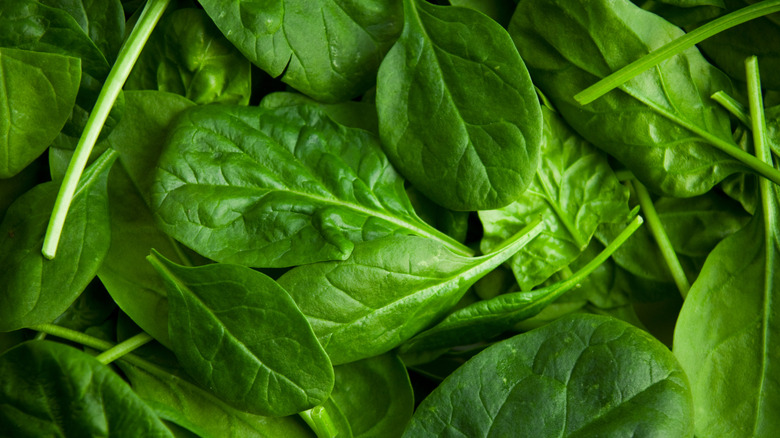
Spinach is an inexpensive and nutrient-dense green that has an earthy taste when uncooked but becomes softer and slightly more bitter when cooked. It's packed with vitamin K at more than 400% daily value. It also has high amounts of vitamin A, folate, manganese, and vitamin C.
Spinach is another flexible green, as it's often incorporated uncooked into salads but can be used in just about anything when it's cooked, from pastas to white pizza and even a cheesy spinach and artichoke dip.
Chicory: 73.36
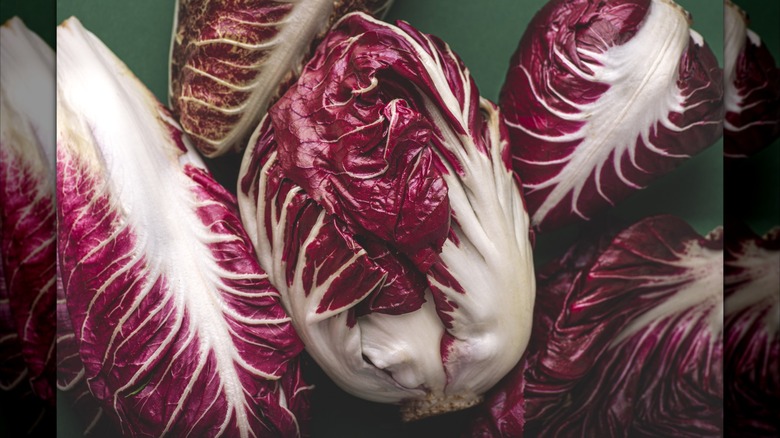
Chicories are a category of flowering plant. You've likely heard of greens like radicchio, escarole, and frisee, and these are all in the chicory family. These somewhat bitter greens are loaded with vitamins and minerals, landing chicories just outside the top five of the most nutrient-dense PFVs.
While the exact nutritional profile may vary by chicory, escarole, which is commonly used in salads, has high amounts of vitamin K and vitamin A. Plus, it only has around 7.5 calories per cup, making it incredibly low-calorie for all of the nutrients it offers.
Leaf lettuce: 70.73
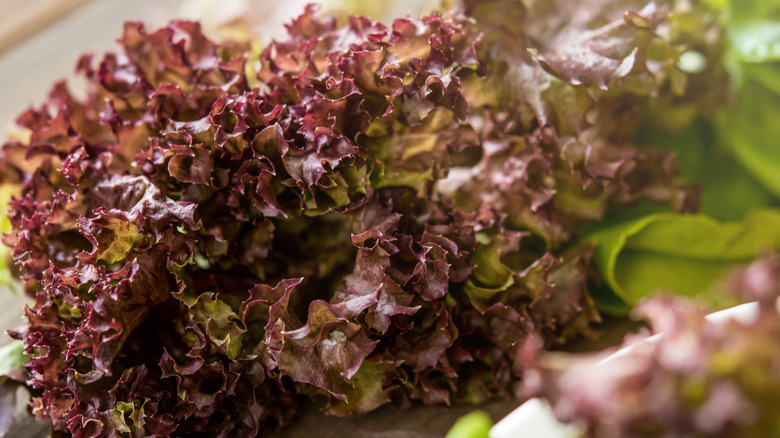
Leaf lettuce, aka "looseleaf" lettuce, is found most often in salads. This lettuce grows up from a stalk rather than circling around itself to form a head like the iceberg rounds we see in the store. Examples include red leaf and green leaf lettuce.
Generally, lettuce is very low-calorie, only having between 5 and 10 calories per cup, which is likely why it's toward the top of the list. It has solid amounts of vitamins A and K, as well as antioxidants like lutein, which helps protect eyes. Red lettuce also contains anthocyanin, which helps remove free radicals.
Parsley: 65.59
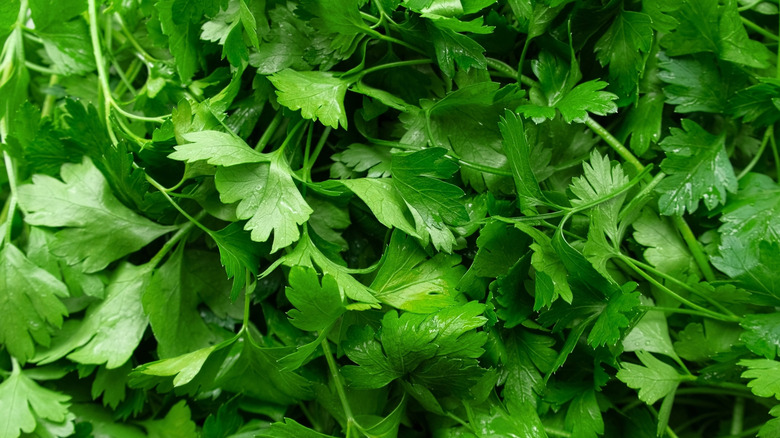
If you've ever ordered a pasta dish and noticed tiny green leaves flecking it, then you've probably had parsley. Parsley tends to add a bright, grassy flavor to dishes and serves as a good garnish to rich, savory, creamy foods, but it's also packed with nutrients.
Parsley is high in vitamin A, potassium, and folate, and it also may be connected to health benefits such as bone strength, eye health, and even cancer prevention. In addition to pastas, it's great as a salad garnish or in a bright chimichurri.
Romaine lettuce: 63.48
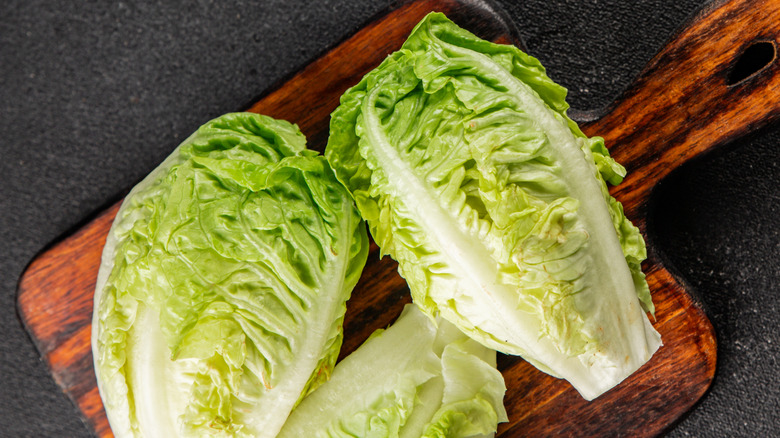
Romaine lettuce is probably best known for its role in the iconic Caesar salad. This bright, crunchy leafy green is nutrient-dense and packed with vitamins C, K, and A, as well as calcium and potassium. Plus, it comes in at just 8 calories per cup.
Romaine is mild in flavor — less bitter than other greens on this list — and is a great lettuce to pair with other leafy greens when you want a less intense overall salad flavor.
Collard greens: 62.49
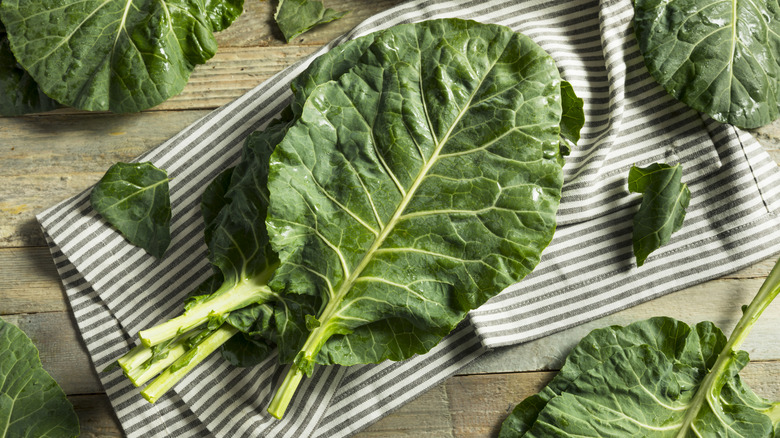
Collard greens are a popular dish in the South, but based on their nutrient-density score, it seems they belong on everyone's table. They're known for having a bitter, earthy taste when uncooked, but when simmered, that bitterness mellows out, leaving them with a more palatable flavor.
Collard greens have good amounts of vitamin A, C, and K, and they're also high in calcium. They have about 12 calories in one cup — slightly higher than some other greens on this list.
Turnip greens: 62.12
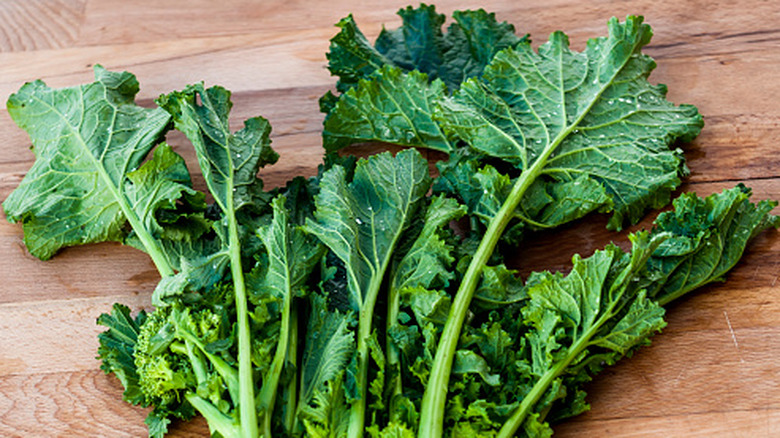
Turnip greens are the leaves that grow atop the turnip stems. They're another slightly bitter green but with a little more of a peppery flavor. These veggies have a good balance of different vitamins and minerals, including calcium, iron, magnesium, and phosphorous, as well as vitamins C, A, and K.
Turnip greens are usually boiled or sautéed in a pan to mellow out their bitterness. Besides just being an easy side dish, you can sneak them into your diet by adding them to a sandwich or omelet.
Mustard greens: 61.39
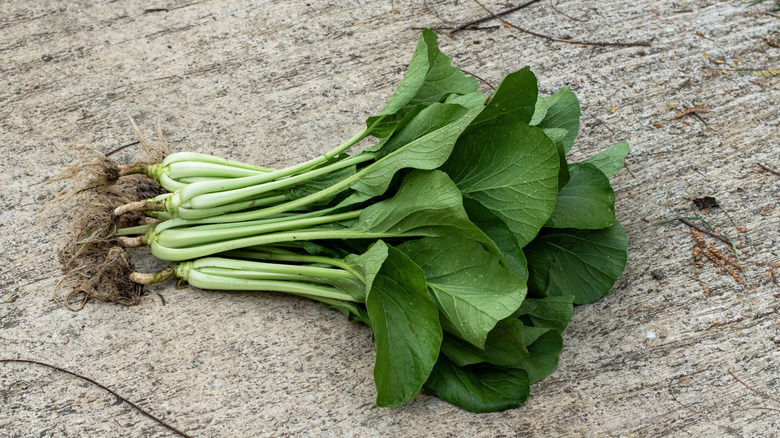
Mustard greens have a good balance of many different vitamins, but they most benefit your intake of vitamins C, A, and K. They contain varying amounts of riboflavin, calcium, potassium, and iron, too. If you're looking for vitamins A and K, cook the mustard greens first, as it increases their vitamin A value from 9% to 96% and their vitamin K value from 120% to 690%.
Mustard greens don't quite taste like mustard, but they do have that sharp, pungent flavor that mustard carries. This can be tamed through cooking, especially slow cooking.
Endive: 60.44
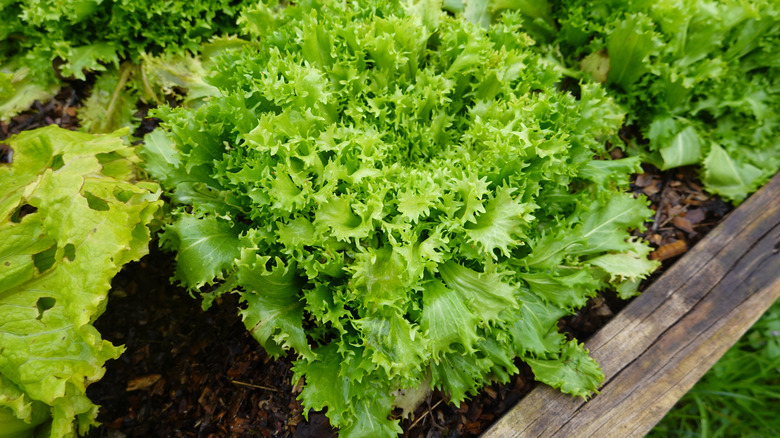
Endive is a crunchy green that's often used in salads. It has a somewhat bitter flavor, but not to the degree of some other harsher greens. It's rich in vitamins K and A, along with different minerals like manganese and folate. This antioxidant-rich green is also known to support digestive and bone health.
While endive is often uncooked, you can also sauté or braise it, which softens its bitterness a bit.
Chive: 54.80
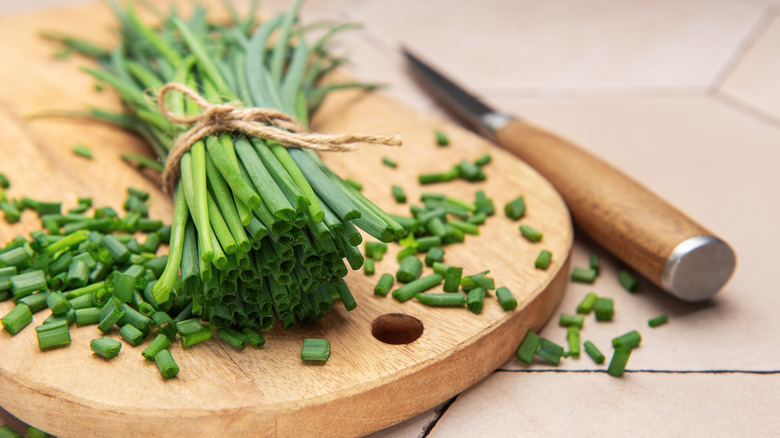
Chives are the less intense cousin to an onion or shallot. They have that notable allium bite, but not as harsh, and they're commonly used as garnishes on dishes with rich flavor.
Chives are usually consumed in small quantities, so their nutrient content is often measured by tablespoon. You'll get vitamins A, C, and K in every tablespoon, plus minerals like calcium, potassium, and folate, but if you're seeking a quick way to increase your daily vitamin and mineral intake, it might be best to go with a veggie on this list that you'd consume in larger quantities.