

Complete Vs Incomplete Protein — Does It Matter Which One You Eat?
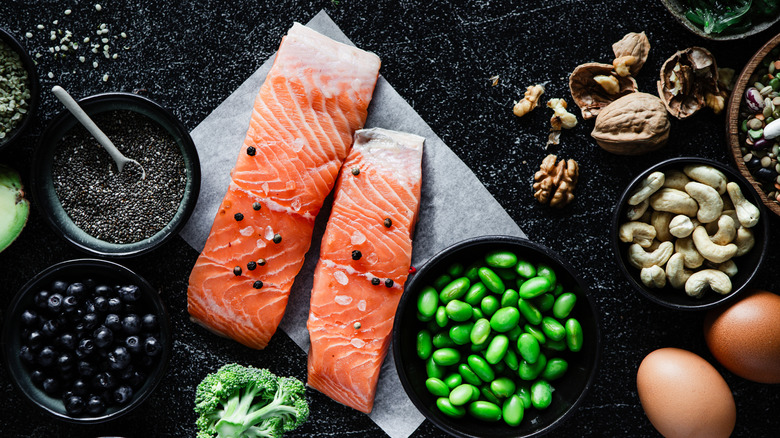
Protein is an essential macronutrient that helps the body perform its daily functions. We often think of protein as a muscle builder, but its role is so much bigger; it also helps build skin, bones, cartilage, and blood, and can help keep a strong immune system and regulate blood sugar. Essentially, we can't exist without it, though there is such a thing as having too much protein. But some foods are complete proteins, and some are incomplete.
Proteins are made up of amino acids. Our body needs 20 different amino acids to function at its full capacity. We produce 11 on our own, but we need to find the other nine from the foods we eat. Complete proteins are foods that contain all nine of these other amino acids in amounts that benefit our bodies. Incomplete proteins are foods that only contain a portion of these other nine, or might contain all nine in fewer quantities, meaning they're still good for us, but they don't complete the whole protein picture.
While the difference between complete and incomplete protein matters, as long as you eat a variety of different proteins, you don't have much to worry about; you're likely getting all nine of these amino acids in your daily diet, so the type you eat at every meal doesn't matter so much. Even if you consume a meatless and dairy-free diet, make sure you eat a variety of incomplete protein foods through the day and you'll still get enough of those nine remaining amino acids.
Meat, dairy, and certain grains are prime examples of complete proteins
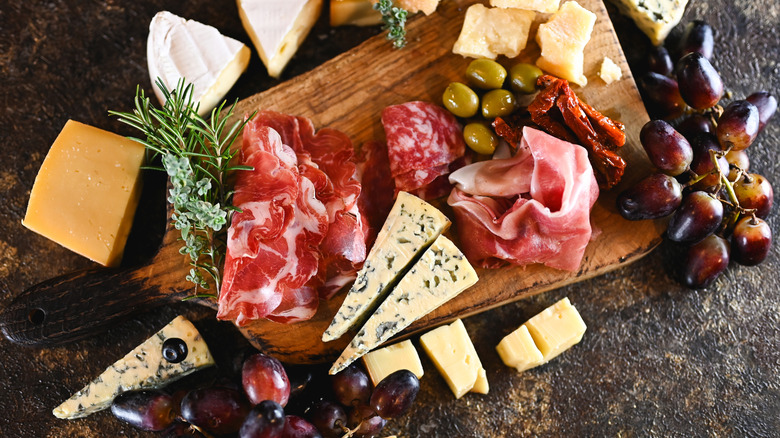
The most common complete proteins to consume are meat and dairy; a serving of foods like steak and milk, as well as poultry and fish, are full of all nine essential amino acids. If you regularly consume adequate servings of these complete proteins, then you're likely set protein-wise (keep in mind that the amount of protein your body needs varies by body type, gender, age, etc., so talk to your doctor about the exact amount you should be consuming daily). Greek yogurt is another great complete protein that you can add into plenty of foods; specifically, Fage is the best high-protein yogurt at grocery stores.
You can also consume complete proteins in the form of meatless and non-dairy foods, such as soy-based foods like tofu and miso. Quinoa and buckwheat are also complete proteins, though quinoa is overall higher in protein than buckwheat, so it's a great food to incorporate into your daily diet if you don't eat meat. Other foods that are also complete proteins: hemp seeds and chia seeds, edamame, and Ezekiel bread, all of which are found in most major grocery stores.
Incomplete protein foods are still good for you
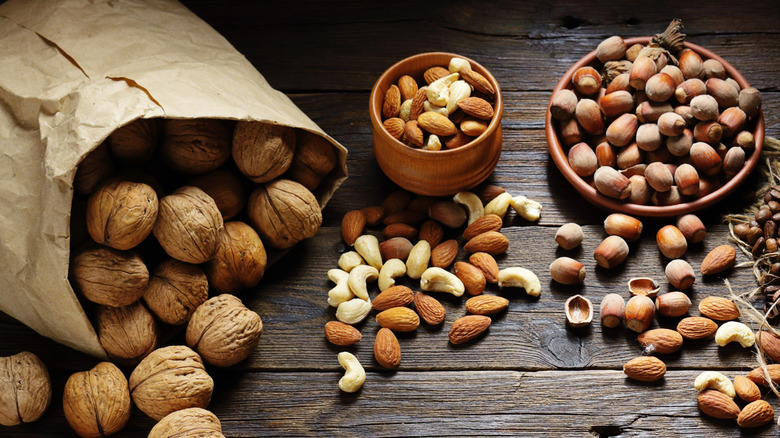
Just because incomplete proteins don't contain all nine essential amino acids, or have lower amounts of them, doesn't mean they aren't still an important part of your diet. They still provide big health benefits; the only difference is that you need to have a wide variety of them to ensure you're getting all the amino acids.
Legumes and nuts are popular types of incomplete proteins (with the exception of soybeans, which are complete and have the highest protein among all legumes). Beans, lentils, and peas are still important to include throughout your diet because they contain other vital vitamins and minerals, but pairing them with complete proteins — such as beans and chicken in your favorite burrito recipe — can give you the well-rounded nutritional profile you need. Nuts like walnuts and almonds make for a great snack that provides healthy unsaturated fat and promotes heart health, so no need to eliminate them just because they aren't complete. Many vegetables are also incomplete proteins that still have major benefits, as are certain seeds and whole grains. To achieve a healthy, balanced diet, it's important to incorporate many different protein types, both complete and incomplete.