

8 Disadvantages Of Drinking Lemon Water Daily

Adding a squeeze of fresh lemon juice to your morning glass of water has become a popular health trend, with claims of benefits for digestion, skin, and energy levels. While it is a tasty way to add some extra water to your day, it may not be the miracle elixir that many on social media claim it to be.
To get some insight into the disadvantages of lemon water, we spoke to a number of nutrition experts. Mackenzie Burgess, RDN, is a registered dietitian nutritionist and recipe developer at Cheerful Choices; Angel Luk, RD, is a registered dietitian and co-founder of Food Mysteries; and Joeleen Stocker is nutrition services manager at Mount Nittany Health. Between them, they have many years of experience and have shared their knowledge of the medical conditions that lemon water can exacerbate, as well as other negative effects it can have on the body. Whether you are considering adding it to your daily routine or already enjoy an occasional glass, let's take a look at some of the disadvantages of drinking lemon water daily.
1. Lemon water can affect tooth enamel

Starting the day with a glass of lemon water can be a refreshing habit that helps you stay hydrated, but your teeth may not be quite as keen. Because lemon juice has an acidic pH of between 2 and 3, prolonged use may have unintended consequences. "Depending on the amount of lemons used, lemon juice can be very acidic and sipping it all day long may be hard on tooth enamel," explains Mackenzie Burgess. "It's best to have it in moderation or potentially drink it through a straw."
The enamel on our teeth is, perhaps surprisingly, the hardest substance in our bodies, even harder than our bones. It provides robust protection for the sensitive inner parts of the tooth, so erosion can expose the dentine and nerves. Enamel cannot be replaced by the body once it is gone, so protecting it is crucial to prevent toothache, cavities, and even total loss.
Constant exposure is especially problematic, as it doesn't give teeth the chance to recover. Drinking the lemon water in one go, using a straw, and following it with plain water afterward can help to reduce extensive contact. Having it alongside a meal can also help, as the food can dilute the effect on teeth compared to drinking it on its own. If you want a refreshing alternative to lemon water that will be kinder to your enamel, a cucumber infusion can be a great option.
2. Lemon water can cause heartburn or reflux

One of the claimed benefits of drinking lemon water regularly is that it may support digestion, but in some cases, it can cause more problems than it solves. Mackenzie Burgess points out that, in general, it has a gentle effect, but can trigger symptoms in those who are prone to indigestion. Angel Luk agrees, explaining, "Lemon water is acidic, and can be particularly problematic for people living with acid reflux or heartburn."
Heartburn is a symptom of acid reflux, which happens when stomach acid travels back up the esophagus, causing a burning sensation as it does. Gastroesophageal reflux disease (GERD) is a chronic form, and acidic foods are known to worsen the symptoms. The citric acid content in lemons means that the juice could aggravate reflux in those who are already susceptible. Joeleen Stocker, however, reminds us that it won't affect everyone. "Citrus is a well-known reflux trigger, although studies haven't shown that it causes reflux in people who don't already have it."
While avoiding lemon water entirely may be the simplest option to prevent worsening sensitivity, Burgess suggests amending the drink if you still want to enjoy its other health benefits. "To ease any uncomfortable symptoms, try a heavily diluted version and be sure to have it with a meal," she advises.
3. Lemon water could aggravate mouth ulcers

If you experience mouth ulcers regularly, you will know how painful it can be to eat certain foods. These sores can appear at various points in the mouth, including the gums, lips, and cheeks, and can be triggered by trauma (such as accidentally biting your cheek or tongue) or stress. Acidic foods can further irritate them, meaning that lemon water could make for uncomfortable drinking while an ulcer is healing.
Canker sores, the most common form of mouth ulcers, usually heal on their own within two weeks, but can be incredibly painful during that time. Mackenzie Burgess advises that people experiencing canker sores may want to avoid lemon water temporarily so as not to aggravate them further.
According to information from the National Library of Medicine, canker sores are likely to be most painful during the first three to five days, and steering clear of acidic foods during this time can help to relieve discomfort. If you have a mouth ulcer, switching your usual lemon water for plain water or a mild herb-infused water until it has healed is likely the best option. If you are used to enjoying it hot, cooling drinks are recommended as well to avoid further irritating the sensitive oral tissue.
4. Cold lemon water could cause issues for people with swallowing difficulties

While hot lemon water is a popular way to enjoy the drink, a cold glass could provide welcome refreshment, especially on a hot day. For some people, however, drinks at low temperatures could make swallowing more difficult.
According to Joeleen Stocker, the difference between warm and cold lemon water is minimal, unless you have a particular medical issue. "One exception is people with swallowing difficulties or esophageal spasm, who may do better with warm water, since cold drinks can trigger chest pain," she explains. The esophagus is the tube that carries food from the throat to the stomach, and muscles usually push the food in a smooth motion to its destination. During an esophageal spasm, however, the contractions become abnormal and can work against you, making it difficult to swallow and sometimes causing regurgitation.
While this condition is not related to the lemons themselves, those who experience esophageal spasms may want to think carefully before adding a cold glass of lemon water to their daily routine. Warm lemon water instead could reduce the likelihood of triggering symptoms, and allow them to enjoy a refreshing drink without chest pain or discomfort.
5. Lemon water could cause a reaction to sunlight

One surprising reaction to lemon water has nothing to do with teeth or digestion, but rather your skin. Certain plant compounds can react with ultraviolet light, meaning that you could inadvertently make your skin more sensitive to the sun as you prepare your citrus drink.
The consumption of the lemon water itself will not increase your sun sensitivity, as Mackenzie Burgess explains. "Drinking lemon water won't make you burn faster, but lemon juice left on your skin can react with sunlight and cause a painful rash called phytophotodermatitis." This happens when furanocoumarins from certain plants cause a phototoxic reaction when skin that has come into contact with them is exposed to the sun. It can cause localized inflammation and blistering, and skin discoloration that can last for months or even years.
Thankfully, with lemons, this only happens if you get the juice on your skin and then expose it to sunlight, so there is a way that you can minimize the chance of damage and still enjoy the drink. "If you're squeezing lemons, be sure to wash your hands before heading into the sun," advises Burgess. This way, you can remove any splashes of juice on your skin and reduce the risk of a reaction. This is particularly important if you are preparing your water outside on a sunny day, where your skin could be exposed to the UVA radiation before you have a chance to wash off.
6. Drinking lemon water could potentially reduce appetite

One of the main issues with lemon juice is that its acidity can sometimes irritate the digestive tract so much that it affects the amount you can eat. According to Angel Luk, regular consumption of lemon water may cause uncomfortable symptoms. "It can irritate the lining of the stomach and esophagus, causing a burning, painful sensation that reduces food intake and could lead to bigger nutritional problems," she explains.
While the occasional bout of digestive discomfort is unlikely to have a major effect, persistent irritation could lead to individuals eating less in the long term. In severe cases, prolonged appetite loss can lead to malnutrition, which brings with it a risk of illnesses. If you find lemon water is causing discomfort regularly, switching to plain water may be a better option and will allow you to stay hydrated without affecting your ability to eat normally.
7. Very hot lemon water could have less vitamin C than expected
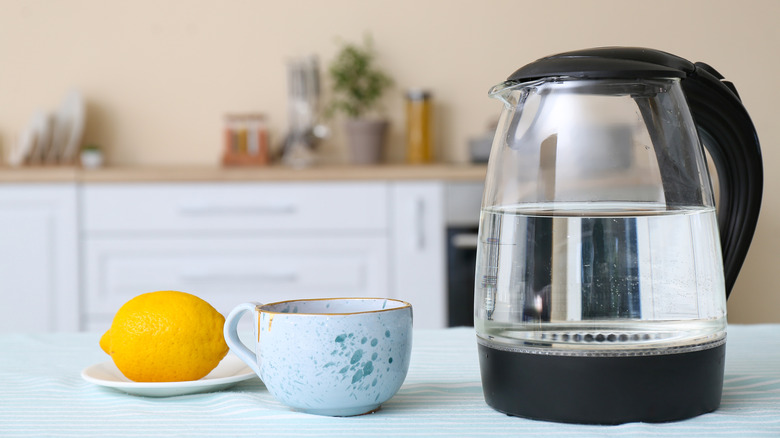
One of the main reasons for drinking lemon water is to add a burst of vitamin C to your diet, since the juice of one lemon contains around 21% of your daily value (DV) of the antioxidant. If you prefer it piping hot, however, it may not be delivering quite as much as you expected.
"Heat breaks down some vitamin C, so let boiling water cool slightly before adding lemon, and drink it fresh," advises Joeleen Stocker. In a 2017 study published in Food Science and Biotechnology, the vitamin C in certain vegetables was reduced significantly when they were boiled, suggesting that adding freshly squeezed lemon juice to water that has just come out of the kettle could have a similar effect. This is one reason not to squeeze lemon juice over hot food.
It doesn't mean that switching to a cold drink is the only option, especially if you enjoy the soothing warmth it brings. Instead, let the water cool slightly before adding the lemon juice, to help keep as much of the precious vitamin C intact as possible. "Warm is fine, but avoid scalding-hot drinks," suggests Stocker. Surprisingly, slightly cooled water is preferable to boiling hot water for tea too, to prevent burning the leaves.
8. Lemon water can cause various digestive issues

Although lemon water can aggravate heartburn in those who regularly experience the painful condition, it may cause other digestive complaints, too. "In a 2022 randomized trial of daily fresh lemon juice, more than a third of participants (37%) reported digestive side effects, compared with about 8% of those who didn't drink it," explains Joeleen Stocker.
The trial, published in EClinical Medicine in 2022, was designed to examine whether lemon juice supplementation could reduce the occurrence of kidney stones. Half of the participants added 60 milliliters of lemon juice to their water twice a day, while the other half did not. Gastrointestinal complaints included abdominal discomfort, reported as epigastralgia, constipation, and diarrhea. Two of the participants withdrew from the study as a result.
It is worth noting that the participants were consuming 4 tablespoons of lemon juice in water twice a day, which may be more than the average person would add to their own drink. Even so, the side effects from the study show that the acidity of lemon juice can have negative effects on the digestive system, so if you feel discomfort after drinking it, you may want to dilute it further or remove it altogether.