

Butcher Vs Grocery Store — Which Has More Affordable Steak Cuts?
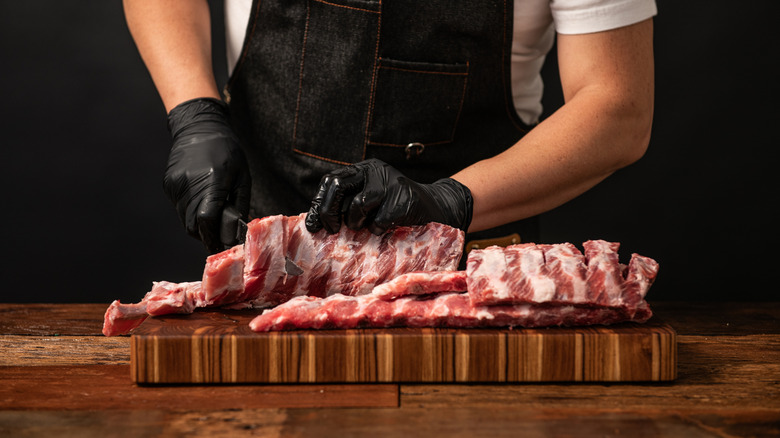
Shopping for the best cut of meat isn't always the same as shopping for the best-priced meat. There are so many factors that go into a quality piece of meat, from how the animal was raised to how long it takes to transport the meat to your local store. If you're strictly looking for the most affordable steak cut, you'll likely find it at a standard supermarket rather than at the butcher shop. But if you're looking for which store will give the best value for your money — a good-quality cut of meat, a cut-to-order steak that's exactly what you were looking for, and extensive meat knowledge to answer all of your questions — then the butcher is more worth the price.
There is certainly a convenience factor at play when it comes to shopping for meat at your local grocery store. You can grab the meat and all groceries in the same place, which keeps it easy, and you can sometimes find "manager's special" deals on certain cuts to save even more money. Plus, grocery stores use negotiation practices and price tactics that butcher shops can't always mimic.
Why supermarket meat tends to cost less than a butcher shop
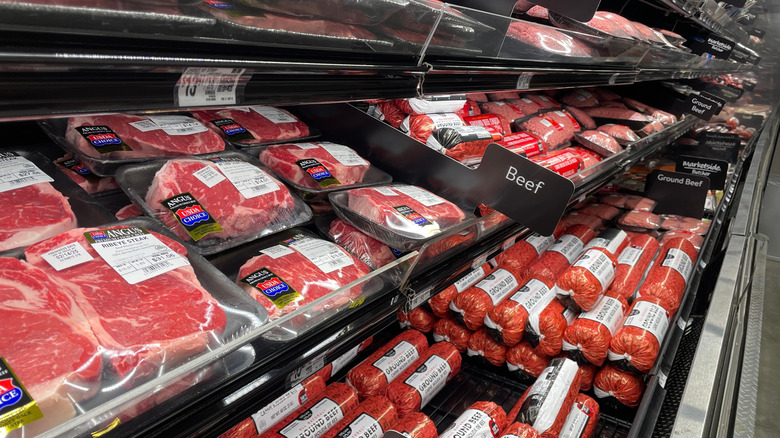
Supermarket meat tends to be cheaper for a few main reasons. The first is quantity. Grocery stores often have deals with specific farms, where they'll purchase mass quantities of meat in bulk for a certain negotiated price, ultimately cutting the price because of the high volume. Then, they can turn around and sell it for a lower price while still making a big profit, which keeps the cost down for the consumer. And to get a better wholesale price, grocery stores will often work with massive producers rather than smaller local farms.
The supermarket also has the ability to price meat lower than butcher shops because these grocery stores know that you'll come in to buy meat, and you'll leave having purchased a bunch of other items, too. So the grocery store can lower the cost of meat but still not lose money. Butchers, on the other hand, don't have thousands of other products to help balance that cost, so they have no choice but to charge more for the only item they're selling: meat.
Why there might be more value in shopping from your local butcher
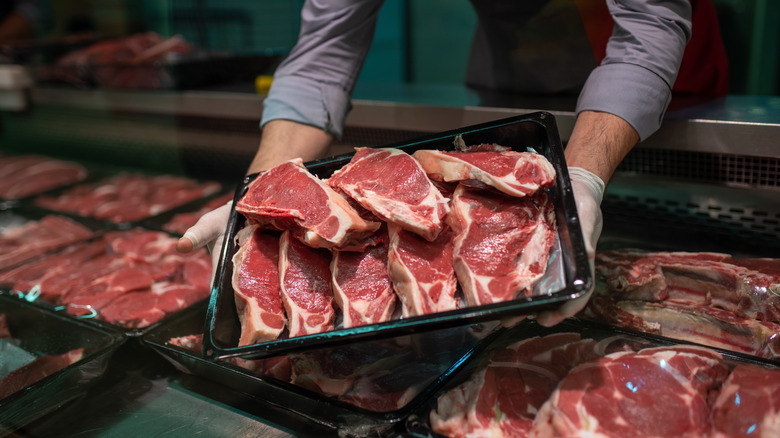
The face-value price is lower at the grocery store, but shopping at the butcher might be a better investment. Butchers know more than just the different cuts of meat; you can also ask them plenty of questions. They know exactly where the meat came from, can tell you exactly how many days it's been since the meat was butchered, and can customize your cut request without a hassle. So while the price might be higher, the information and knowledge received could give you better peace of mind. You can also often choose to support local farms through local butchers (this isn't a guarantee, though, so always ask where the meat comes from), boosting the economy within your region. Plus, you can ask specific questions about feed and conditions, and if the butcher doesn't know, they can likely put you in direct contact with someone who does.
While butchers at grocery stores are also knowledgeable, they might not have the same extensive knowledge of a certain farm's source, feed, and ethics. That's not to say you'll never be able to find this at a good-quality grocery store, but by buying from a butcher, you're boosting the overall value in more ways than just the price tag.