

Here's What Happens To Brisket When You Put It In Your Pressure Cooker
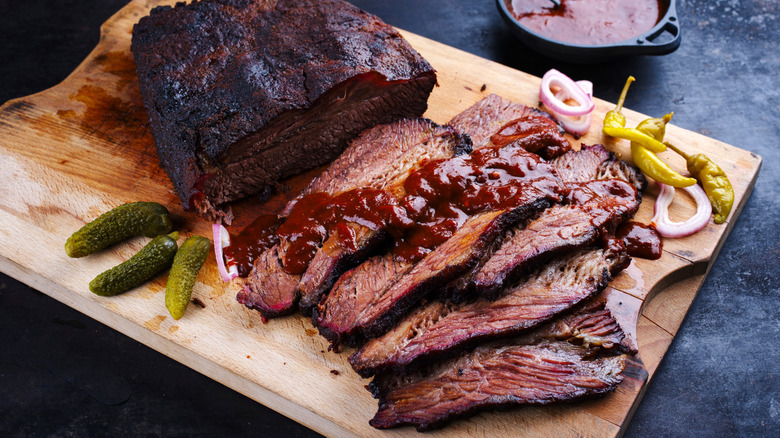
Brisket isn't exactly famous for being a quick dinner. The tough cut has plenty of connective tissue, so getting it tender usually means giving it enough time to cook. A pressure cooker can shave hours off that process. Because the appliance traps steam and cooks under pressure, the water inside can reach a higher temperature to cook food faster than standard methods, which helps the brisket soften much faster.
The real change happens inside the meat. As the brisket cooks, collagen in its connective tissue gradually breaks down into gelatin, which gives the beef that softer, more tender texture people are after. You won't get the same bark or deep smoky flavor as you would from a smoker, but that doesn't mean the finished product has to be boring. A flavorful cooking liquid, a solid seasoning mix, and a few smart finishing touches can still give pressure-cooked brisket plenty of flavor without turning dinner into an all-day project.
Tips for successfully preparing brisket in a pressure cooker
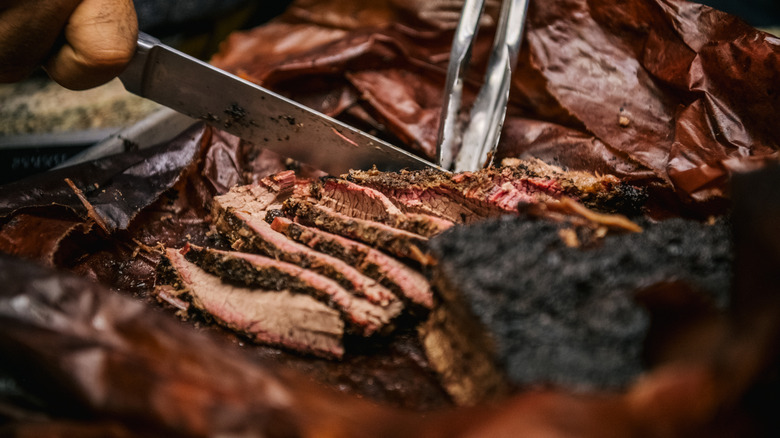
A pressure cooker saves time, but brisket still isn't a throw-it-in-and-forget-it cut. Size matters a lot here. A smaller piece may be ready in about an hour, while a larger brisket can take 90 minutes or more under pressure. The meat also needs enough liquid in the pot to cook properly, and using broth or consommé instead of plain water is an easy way to add more flavor while it cooks. If you want a stronger barbecue flavor, you can also season your brisket with spice rub, barbecue sauce, or a touch of liquid smoke to make up for some of the smokiness you would normally get from a smoker.
When the timer goes off, it is usually worth waiting a little longer before opening the pressure cooker. Various pressure cooker brisket recipes online recommend letting the pressure come down naturally for about 10 to 15 minutes before releasing what is left to keep the meat from drying out. After that, the next step is simple but important: slice the brisket against the grain. That shortens the muscle fibers and makes the meat easier to chew, ensuring you end up with a tender bite.